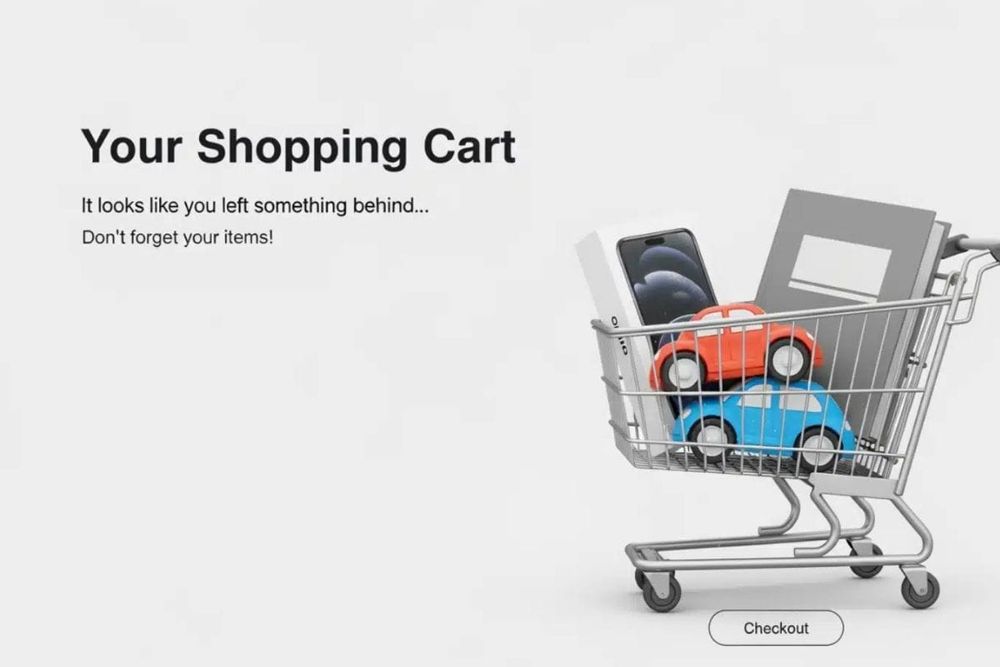
A customer spends twenty minutes browsing your online store, carefully selecting items, comparing colors and sizes, reading reviews. They add three products to their cart, click through to checkout, and then... nothing. They close the browser tab and disappear into the digital ether.
This scenario plays out millions of times daily across e-commerce platforms worldwide. In the UAE specifically, the average cart abandonment rate hovers around 75%, meaning three out of four shoppers who add items to their cart never complete the purchase.
But here's the opportunity: these aren't cold leads. These are warm prospects who demonstrated clear purchase intent. The sale didn't fail—it simply paused. Cart abandonment occurs when a shopper adds items to their cart but leaves without completing the purchase. With the right recovery strategies grounded in customer psychology, smart technology, and compelling content, you can bring these shoppers back.
Why Shoppers Abandon Carts in the First Place
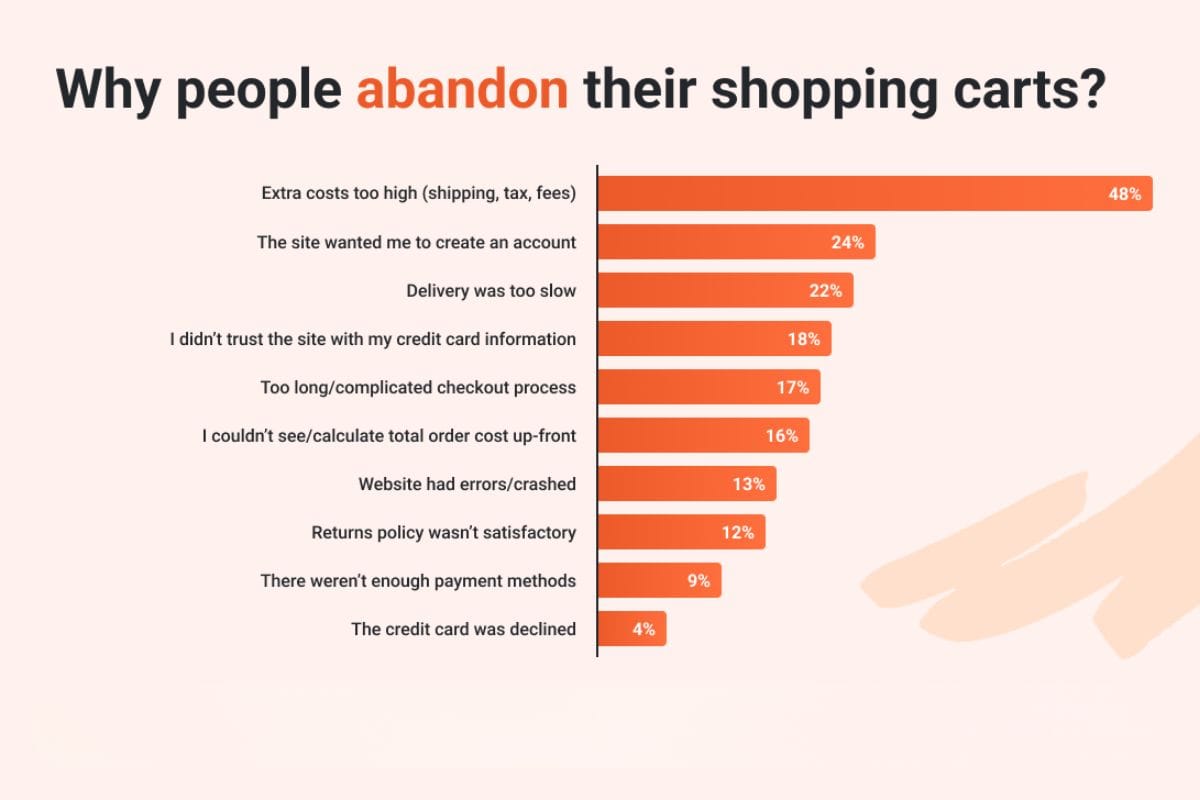
Understanding why customers abandon their carts is the foundation of any effective recovery strategy. Research reveals several consistent culprits:
Unexpected costs shock customers at checkout. A product priced at AED 200 suddenly costs AED 262.50 after shipping and VAT. This sticker shock causes immediate reconsideration.
Mandatory account creation creates friction. Customers ready to buy encounter forms demanding personal information and passwords. Many simply give up.
Limited payment options force customers elsewhere. If you only accept credit cards but customers prefer Tabby, Tamara, or digital wallets, you've created a dead end.
Delivery concerns create hesitation. Without clear answers about shipping times and reliability, doubt creeps in and momentum stalls.
Modern attention spans are fragmented. A notification pings, a colleague interrupts, life happens. Sometimes abandonment isn't about your store—it's simply distraction.
Identifying the specific reasons your customers abandon carts through analytics and exit surveys allows you to address root causes rather than symptoms.
Timing is Everything – The 24-Hour Window for Action
When it comes to abandoned cart recovery, speed matters enormously. Research shows that 60% of users who receive outreach within 24 hours will return to complete their purchase. Wait longer, and that number drops precipitously.
With each passing hour, customer interest cools. They browse other sites, find alternatives, or simply forget about your products. Automation is essential here. You need triggers that instantly detect abandonment and initiate recovery sequences:
- Email triggers firing within minutes
- SMS messages reaching mobile devices instantly
- WhatsApp messages feeling personal and conversational
- Push notifications for app users
Every hour you wait is an hour competitors have to capture that customer's attention and wallet.
Personalization – Speak to the Customer, Not the Cart
Generic recovery messages feel like spam. Personalized ones feel like helpful reminders. The difference in response rates is dramatic.
Effective personalization includes:
- Using the customer's name – "Sarah, you left something behind"
- Displaying specific products with images of exact items selected
- Including relevant details like size, color, and quantity
- Dynamic pricing showing current prices and limited-time offers
- Related recommendations based on cart contents
For UAE and GCC businesses, localized personalization builds trust: display prices in local currency (AED, SAR), reference local delivery promises ("Delivered to Dubai within 24 hours"), and communicate in the customer's preferred language.
Advanced personalization segments customers by behavior. New customers receive welcome offers and brand reassurance. Loyal customers might just need gentle reminders. High-value cart abandoners warrant more aggressive efforts with premium incentives.
The Art of Reminder Emails and Messages
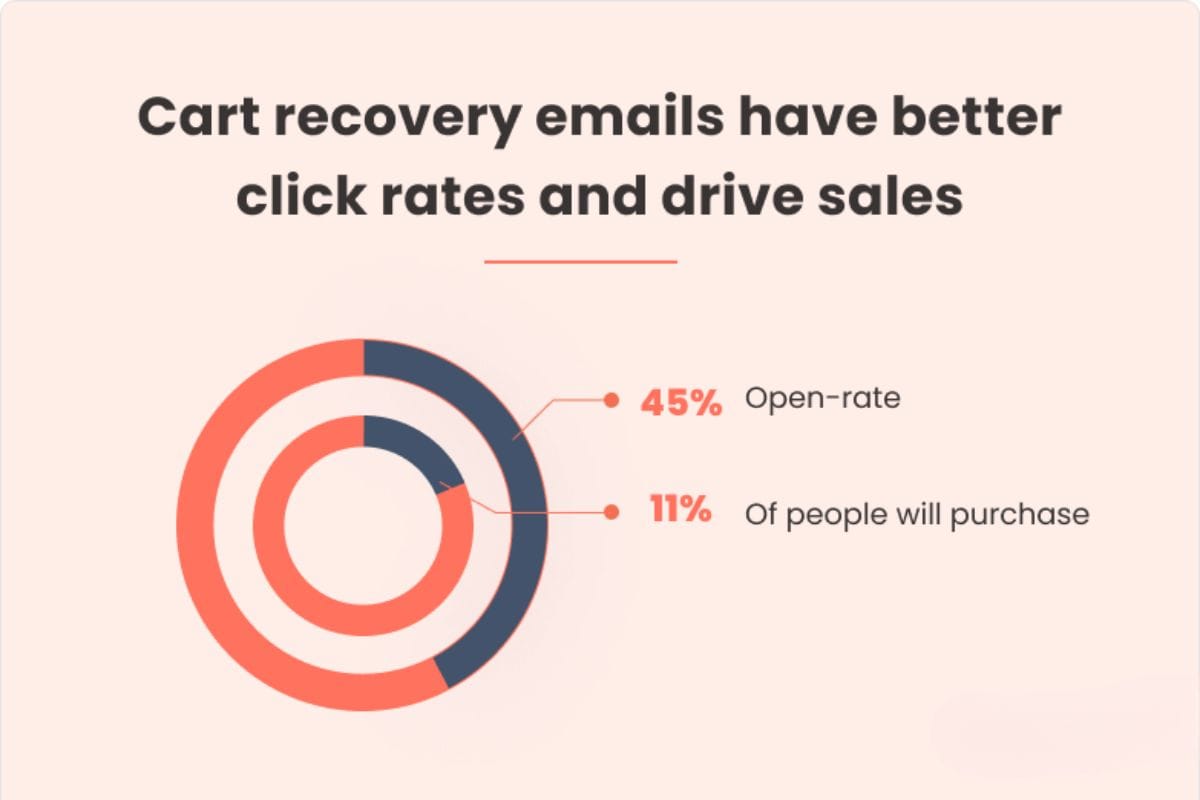
A well-crafted recovery sequence can recover significant percentages of abandoned carts. Send multiple touchpoints at strategic intervals, each with distinct purpose and tone.
First Reminder (1-3 hours): The Gentle Nudge
Assume good faith—perhaps they got distracted. Keep it friendly and helpful.
Subject lines: "Did you forget something?" or "Your cart is waiting"
Remind them what's in their cart with a clear link to checkout. No pressure, just a helpful reminder.
Second Reminder (24 hours): Reassurance and Social Proof
Address potential concerns. Include elements like "This item is selling fast" or customer reviews. Highlight your return policy, free shipping threshold, or security guarantees.
Third Reminder (72 hours): Create Urgency
Your final push. Provide compelling reasons to act now: limited-time discount codes, low stock notifications, special bonuses, or deadlines ("Offer expires in 24 hours").
Best practices:
- Compelling subject lines that get opened
- Concise copy respecting customer time
- Clear call-to-action buttons
- Mobile-optimized design
- Visual product images
In the UAE, WhatsApp and SMS often see higher open rates than email—incorporate these channels for maximum engagement.
Smart Incentives – Discounts Aren't the Only Hook
While discounts work, over-reliance trains customers to abandon intentionally. Diversify your incentive toolkit:
- Free shipping – Removes a primary abandonment trigger without devaluing products
- Limited-time freebies – Adds value without heavy margin cuts
- Loyalty points – Builds long-term engagement, not just immediate sales
- "Reserve your cart" offers – Creates urgency by holding items for limited periods
- Bundle upgrades – "Add one more item, save 20%" encourages larger baskets
Choose approaches that preserve brand positioning while providing motivation to complete purchases.
Build Trust Right at Checkout
Many abandonments stem from uncertainty at checkout. Building credibility throughout the purchase journey reduces abandonment before it happens.
Trust-building essentials:
- Security signals – SSL certificates, payment security badges, trust seals
- Clear return policies – "30-day no-questions-asked returns" removes risk
- Customer reviews – Social proof near checkout reinforces satisfaction
- Transparent delivery – Show estimated dates, tracking promises, guarantees
- Visible support – Phone numbers, chat widgets, WhatsApp contacts
- Cost breakdowns – No surprises in final pricing
A reassuring user experience prevents many abandonments from happening initially.
Use Retargeting Ads to Reconnect
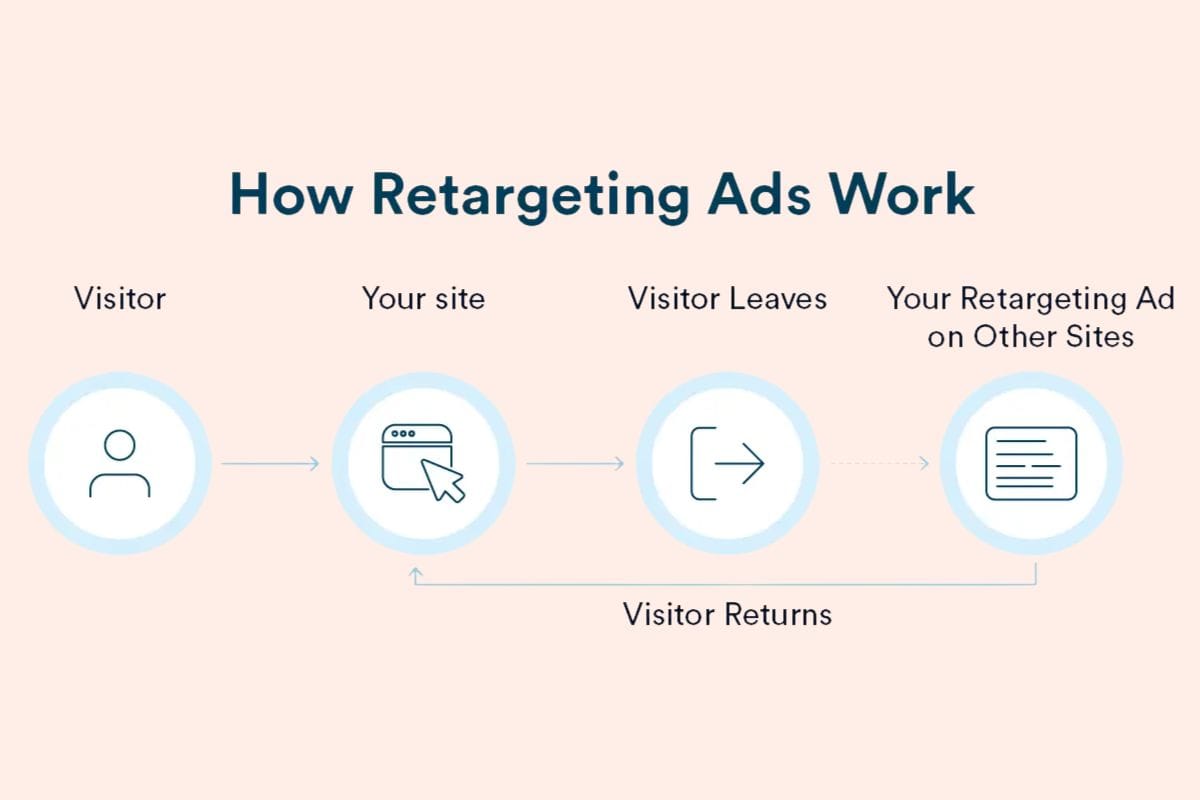
Retargeting ads follow customers across the internet, gently reminding them of abandoned items. Meta and Google Ads offer sophisticated capabilities displaying exact abandoned products.
Effective approaches:
- Dynamic product ads – Show specific abandoned items automatically
- Carousel ads – Display multiple products in scrollable format
- Urgency messaging – "Still thinking about it?" with time-limited offers
- Localized creative – Arabic language, AED pricing, cultural relevance
Retargeting maintains brand presence during consideration, keeping products top-of-mind as customers browse elsewhere.
Optimize for Mobile Shoppers
Mobile devices account for the vast majority of UAE e-commerce traffic. Poor mobile experiences lose sales unnecessarily.
Mobile essentials:
- Simplified forms – Minimize fields, enable auto-fill, use large input areas
- Reduced clicks – Streamline to three steps or fewer
- One-tap payments – Apple Pay, Google Pay, Tabby, Tamara
- Mobile-friendly design – Large buttons, readable text, fast loading
- Guest checkout – Allow purchases without accounts
Mobile shoppers want speed and convenience during commutes and breaks. Deliver that, and conversion rates improve dramatically.
Test, Analyze, Improve
Cart recovery requires continuous improvement based on data and testing.
Key metrics to track:
- Cart abandonment rate
- Recovery rate percentage
- Email open and click-through rates
- Conversion value of recovered carts
- Time to recovery
Elements to A/B test:
- Subject lines and send timing
- Incentive types and amounts
- Visual design and copy
- Channel effectiveness (email vs. SMS vs. WhatsApp)
Tools like Klaviyo, Mailchimp, and Shopify Flow provide sophisticated analytics. Small improvements compound—increasing recovery from 15% to 20% represents significant revenue on substantial volumes.
Turning Lost Carts into Loyal Customers
The ultimate goal isn't just salvaging transactions—it's building lasting relationships. Every abandoned cart represents an opportunity to demonstrate attentiveness and customer-centricity.
When customers complete recovered purchases, follow up thoughtfully. Send thank-you emails, provide shipping updates, check satisfaction after delivery. Use purchase data to personalize future communications with complementary recommendations and loyalty program invitations.
Customers who abandoned carts and returned because of thoughtful outreach become more loyal than those who never experienced that recovery journey. They've seen your brand pays attention, follows up, and values their business.
Every abandoned cart represents a conversation paused, not a sale lost. With the right combination of timing, personalization, multi-channel engagement, and strategic incentives, you can bring significant percentages of customers back to complete purchases.
Start with basics: automated recovery emails, mobile optimization, and clear checkout trust signals. Then layer in sophisticated tactics like multi-channel messaging, dynamic retargeting, and advanced personalization. Test continuously, analyze results, and refine based on what works for your specific audience.
The abandoned cart problem will never disappear entirely—it's inherent to online shopping behavior. But with persistent, thoughtful recovery efforts, you can transform almost-sales into completed transactions and loyal customers. True success isn't measured by how many carts are abandoned, but by how many you successfully bring back.
Also Read:
 Shahba Mayyeri
 Umema Arsiwala
 Shahba Mayyeri
 Shahba Mayyeri