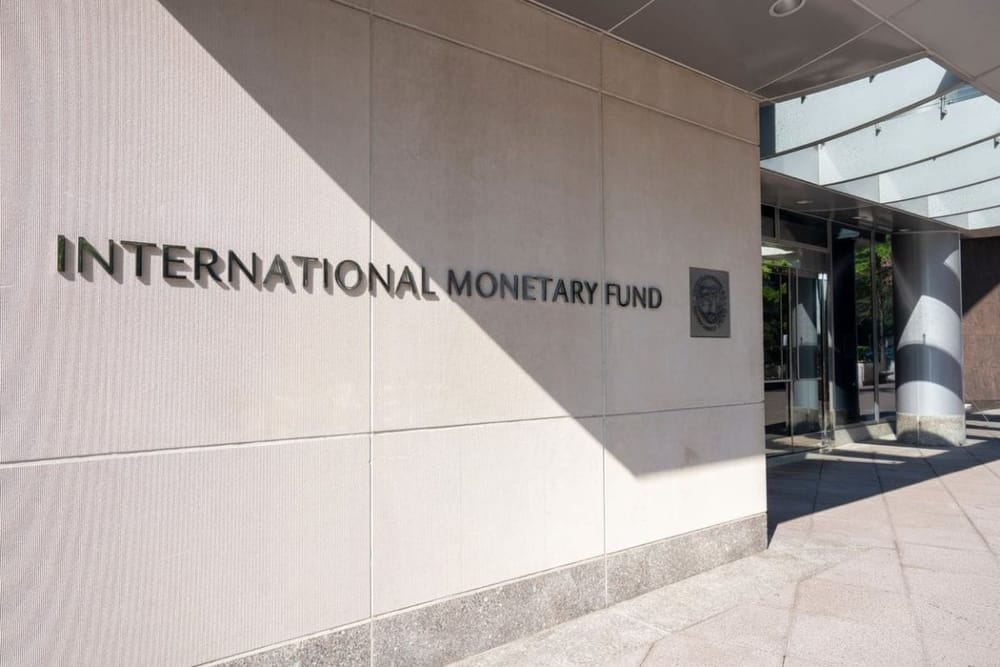
Arab economies are poised for a period of stronger growth, with output expected to rise by 3.7 percent, according to the International Monetary Fund, as higher oil production and a sustained recovery in non-oil sectors lift regional performance despite ongoing global uncertainties.
Speaking at the opening of the Annual Arab Fiscal Forum, IMF Managing Director Kristalina Georgieva said the outlook reflects improving economic fundamentals across the region. She noted that the global economy is also showing resilience, with growth projected at around 3.2 percent this year, exceeding earlier expectations due to stronger demand and easing financial pressures in major economies.
Georgieva said global inflation continues to decline, supported by lower energy prices and more efficient supply chains. Inflation is expected to fall to about 3.8 percent in 2026 before easing further to 3.4 percent by 2027, improving overall economic stability.
Turning to the Arab region, she highlighted signs of renewed investor confidence, including the return of two Arab countries to international debt markets after an absence of more than three years. This development signals stronger public finances and improved market access.
Remittance flows to Arab countries have also increased by more than 5 percent, driven by the recovery of tourism and improving labour markets worldwide. Georgieva said these inflows are supporting financial resilience and social stability in several countries.
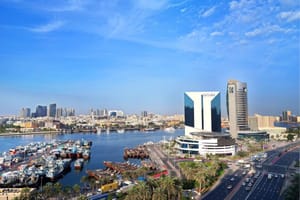
She also pointed to the UAE as a key example of successful economic diversification, noting that non-oil activities now account for around 80 percent of its GDP, reflecting the impact of long-term policy reforms.
The Arab Fiscal Forum is examining future fiscal strategies in the region, including the use of government technology and artificial intelligence to improve spending efficiency, finance sustainable development, and strengthen public-private partnerships.
News Source: Emirates News Agency