The moment you lifted your phone, you joined a global league of “content creators.” From running a quick clip to snapping behind‑the‑scenes, everyone can now broadcast, share, and be seen. But for photographers and videographers who’ve spent years mastering light, framing, and narrative flow, this feels like walking into a battlefield armed only with artistry.
Have you felt your creativity squeezed by the ceaseless demand for engagement—likes, views, and shares? You're not alone. As one photographer puts it, social media algorithms "encourage conformity over creativity and punish artistic risk‑taking"—turning unique visual voices into cookie‑cutter feeds.
Remember when Instagram celebrated still imagery and invited discovery? That era has shifted. Today, it’s reels and swipe‑through attention that shape what’s seen—and what’s lost. It’s like spending hours crafting a cinematic frame, only to watch it drown beneath fast-cut videos chasing trends.
Why does this matter? Because these platforms don’t just shape what viewers see—they shape how creators work. A professional’s nuanced vision is now competing with viral-ready visuals. The result? A silent struggle where craft battles algorithmic reach—one swipe at a time.
You’ve invested in gear, technique, and vision—so how do you balance that with feed-optimized formats? How do you stay true to your style when the very platforms meant to elevate your voice push everyday content forward instead? This isn’t just existential—it’s practical.
In this article, we’ll explore that tension: the art vs. algorithm struggle, how it plays out today, and what photographers and videographers like you can do to remain artistically fulfilled—and visible.
The Algorithm’s Grip
How platforms prioritize speed, trends, and engagement
In today’s social media world, algorithms are designed to reward whatever keeps audiences hooked the longest. Quick engagement—likes, comments, shares, and watch time—becomes the deciding factor for visibility. For photographers and videographers, this creates a conflict: while their craft is rooted in patience, detail, and storytelling, the algorithm favors speed, frequency, and trend-chasing.
The traditional strengths of photography—composition, light, and quiet narrative—are no longer enough to guarantee reach. Instead, platforms push visuals that are bold, attention-grabbing, and easy to consume in seconds. The more often creators post, the more likely they are to stay relevant, which forces professionals into producing high volumes of content rather than focusing on depth and artistry. The result? Many find themselves adjusting their style, not to serve their art, but to satisfy an algorithm.
Why influencers with reach often outrank skilled photographers and videographers
Here’s the hard truth: brands aren’t always buying content; they’re buying distribution. Influencers offer both decent visuals and an audience ready to engage. For businesses, this is more cost-efficient than hiring a photographer or videographer who delivers beautiful work but requires separate ad spend to ensure reach. In fact, influencer collaborations often stretch marketing budgets further, delivering higher returns at lower cost.
Another factor is credibility. When influencers showcase a brand, it feels personal and relatable. Their followers already trust them, making the brand message more effective. That added layer of built-in trust is something raw visuals alone can’t replicate, no matter how stunning the craft behind them may be.
From the artist’s point of view, this can feel frustrating. Imagine spending hours on a cinematic shot, only to see it buried under a fifteen-second reel filmed on a phone. Many professionals describe it as their art being reduced to “content”—competing not against other artists, but against anyone who knows how to work the algorithm.
In essence, while artistry focuses on nuance, the algorithm rewards velocity, format, and audience engagement. And in that equation, influencers often emerge as the winners—leaving photographers and videographers questioning how their craft can survive in an algorithm-driven marketplace.
The Artist’s Dilemma
Photographers and videographers now navigate a fraught crossroads between maintaining their creative voice and catering to algorithmic demands. This tension isn’t academic—it reshapes work, identity, and the very notion of art.
Originality under pressure
Creators frequently report feeling compelled to conform to algorithm-friendly tropes—bright palettes, rapid pacing, trending audio—even when those choices contradict their stylistic instincts. It’s a subtle compression of vision: you find yourself questioning, Am I creating this project—or is the platform nudging me to produce what it prefers? Research shows this is a systemic issue: platform designs subtly train creators to chase visibility by sacrificing depth or experimentation.
When art becomes “content”
There’s a growing lament within creative communities: high-skill, thoughtful work is slipping into the “content” bucket—a catch-all that devalues nuance. A photographer recently reflected on how influencer-style images, while familiar and formulaic, tend to outperform richly crafted visions. It’s a nagging realization that uniqueness may not always reward the effort you put into honing your craft.
A dopamine-fueled reshaping of aspiration
As validation shifts from delayed praise (a gallery hang, a client recommendation) to screen-based bursts of likes and shares, motivations follow. One creator observed the shift in ambitions: “I rarely hear ‘I want to hold a gallery show’ these days… now, it’s ‘I want to become an influencer.’ It’s a jarring recalibration of value. The reward mechanism changes; so does the work.
The restless creator economy
Studies of attention economies reveal a paradox: creators who post more often don’t necessarily get seen more. In fact, content saturation means that even as quality rises, visibility can fall—like buying lots of tickets in a lottery and still never hitting the jackpot. That uncertainty erodes confidence. When every post feels like a shot in the dark, motivation suffers, and the creative risk margin tightens.
Voices from the field
On Reddit, videographers vent the emotional impact plainly:
“Social media isn’t a place where low-effort content thrives… only genuinely engaging content survives. In the end there’s only one metric that matters: views.”
— a candid creator reflecting the unrelenting clarity of performance metrics (Reddit)
Others, feeling a devaluation of their craft, share:
“All my recent gigs have been reels and TikToks… Social media has really flooded our industry with high-demand and low-return media… no way I’m able to build a career or work on larger-scale projects anymore.”
The Local Reality
In Dubai, budgets increasingly flow toward creators who can guarantee reach. Influencer marketing spend in the UAE is expected to cross $69 million in 2025, with around 76% of brands shifting money away from traditional advertising into influencer-led campaigns. The reason is simple: influencers don’t just create visuals—they bring distribution, trust, and an audience already primed to engage.
For photographers and videographers, this means competing in a market where visual quality alone isn’t enough. Brands see more value in someone who can post content to thousands instantly than in a professional who delivers polished work but no built-in reach. With short-form video dominating platforms like Instagram and TikTok, influencers become the go-to choice, while professional artistry risks being sidelined unless paired with visibility.
Finding Balance Between Craft and Code
Blending art with algorithm awareness
The first step to survival is acceptance: algorithms aren’t going away. Rather than seeing them as enemies, treat them as another medium to work with. Think of short-form edits, hooks, or captions as frames within a larger body of art. If a cinematic video is your masterpiece, reels and teasers are its brushstrokes—the entry points that lead audiences toward the bigger picture. Instead of diluting your craft, repackage it: break down a wedding film into emotional 15-second moments, or strip a photo series into narrative slideshows. This way, you’re playing by the platform’s rules without losing your voice.
Building personal reach alongside client work
One of the biggest shifts in today’s market is that your portfolio isn’t just a website anymore—it’s also your feed. By consistently sharing your own work, thoughts, and even behind-the-scenes processes, you build a personal audience. It doesn’t have to match an influencer’s numbers; what matters is engagement and community. An active presence makes you more than a service provider—it makes you a voice people return to. Over time, this personal reach becomes leverage with clients: you’re not only delivering visuals but also visibility.
Overcoming the mental strain
The constant pressure to chase likes and views can quietly eat away at confidence. Here, perspective becomes crucial. Not every post has to “perform”—some are for practice, some are for art, some are for reach. Separating these categories allows you to protect your creative energy. Give yourself permission to create outside of the algorithm, even if those pieces never go online. This balance prevents burnout and preserves the joy that first drew you to the craft.
Staying artistically grounded
Every photographer or videographer has a style—a fingerprint. Protecting that identity is what keeps you irreplaceable. While it’s tempting to mimic trends, true longevity comes from maintaining a recognisable signature. Use the algorithm for exposure, but let your craft be the anchor. Think of it as two currents: one that keeps you visible, and one that keeps you authentic. The key is learning to ride both without losing your balance.
Turning collaboration into opportunity
Another powerful strategy is collaboration. Pairing your artistry with influencers’ reach creates a hybrid model: you provide the craft, they provide the audience. This doesn’t reduce you to a “content supplier”—it positions you as the professional who elevates the quality of influencer campaigns. In markets like Dubai, where brands value both polish and reach, this balance can put you back in the spotlight.
At the heart of it, both content creators (influencers) and visual artists are responding to the same pressures—an algorithm that constantly demands more. Influencers work tirelessly to maintain relevance, and photographers and videographers dedicate themselves to refining their craft. The real challenge isn’t one group against the other; it’s all creators navigating a system that often prioritizes speed over substance.
For photographers and videographers, this is not the end of artistry—it’s the beginning of reinvention. The skill, the eye, the ability to capture emotion and story—these will always matter. What changes is the way they’re shared. By blending craft with algorithmic awareness, professionals can ensure that their work doesn’t just scroll past—it resonates, it lingers, and it leaves an imprint.
So while influencers may dominate the feeds, photographers and videographers have the chance to dominate hearts—by holding on to originality, adapting with agility, and remembering that true artistry can outlast trends. In the end, it’s not art versus algorithm, but art with algorithm. And those who master both will lead the way forward.
Also read:
 Umema Arsiwala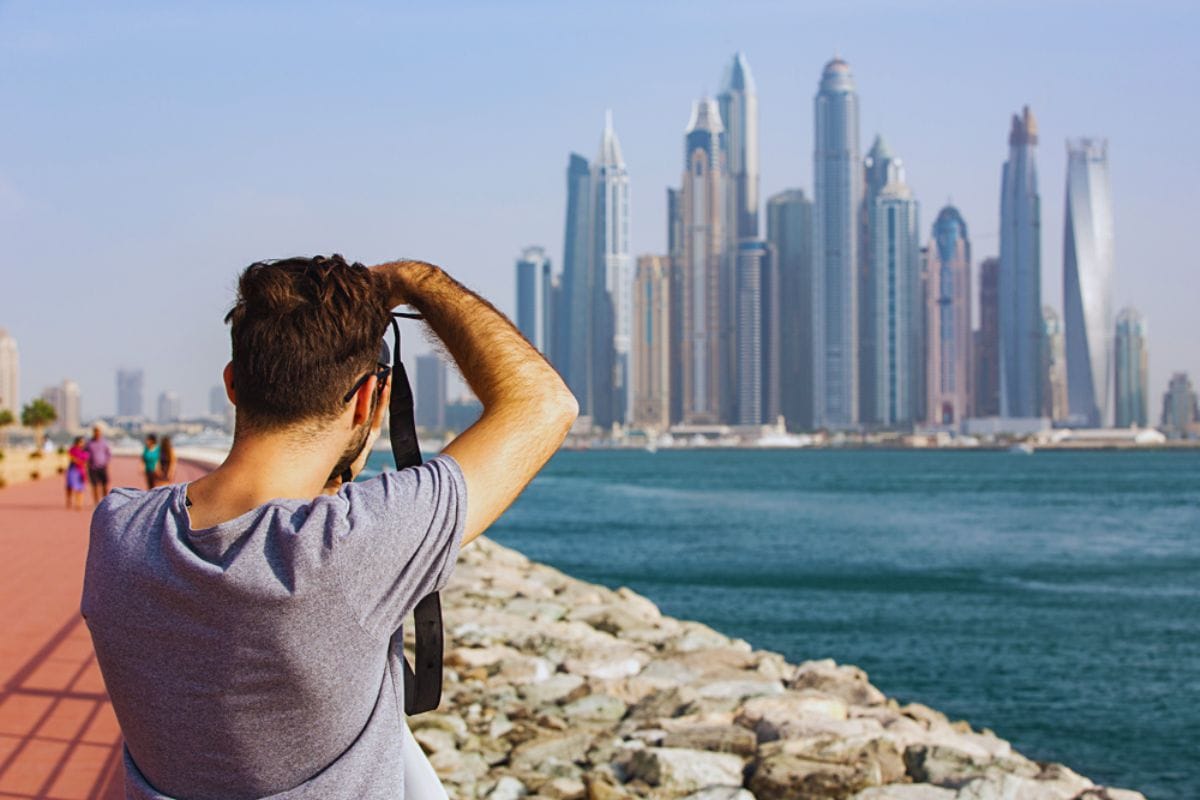
 Ummulkiram Pardawala
 Umema Arsiwala
 Shahba Mayyeri