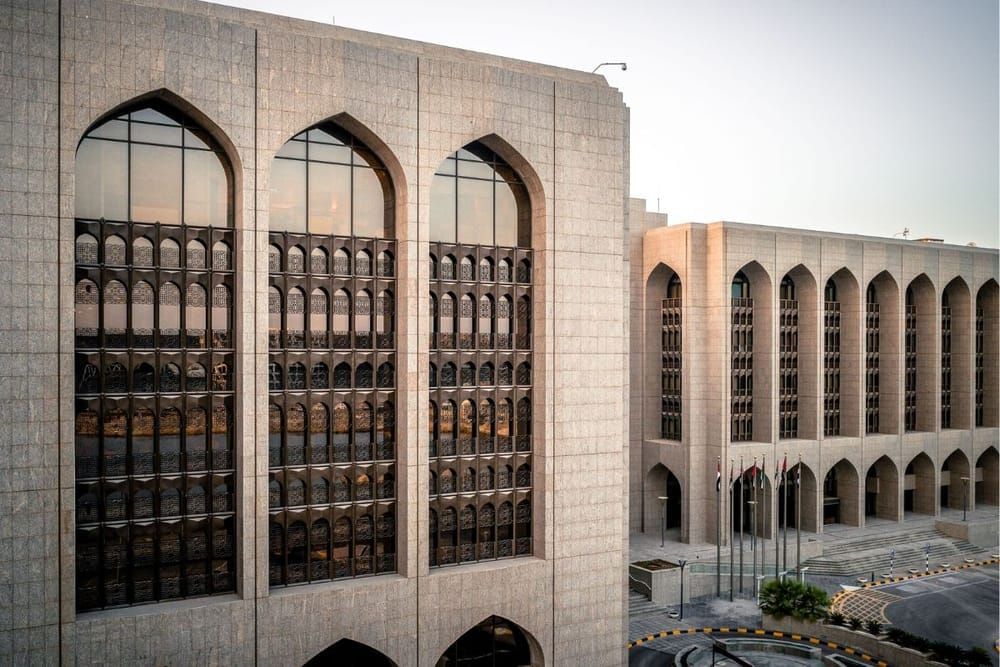
The Central Bank of the United Arab Emirates has reported robust economic growth and a highly resilient financial system in 2025, underscoring the country’s steady progress as a leading global financial hub.
According to the CBUAE’s annual report, the UAE recorded an estimated real GDP growth of 5.6 percent, driven largely by the continued expansion of non-oil sectors. Inflation remained contained at 1.3 percent, reflecting effective monetary policies and a stable macroeconomic environment.
The banking sector showed strong performance, with total assets reaching AED5.4 trillion. Credit grew by 17.9 percent while deposits increased by 16.2 percent, highlighting sustained confidence and liquidity in the system. The insurance sector also expanded, with gross written premiums rising 15.5 percent to AED75.2 billion.
His Highness Sheikh Mansour bin Zayed Al Nahyan said the UAE’s economic model continues to demonstrate resilience amid global shifts, supported by forward-looking policies and strong institutions. He noted that the country remains well positioned to sustain growth and attract international investment.
The report highlights regulatory advancements, including enhanced capital buffers and the integration of climate risk and IT governance into supervisory frameworks. Stress tests confirmed the banking sector’s ability to withstand potential shocks while maintaining strong capital adequacy.
Digital transformation remained a key focus, with the rollout of initiatives such as the Digital Dirham and the Jisr platform for international settlements. The number of licensed fintech firms rose to 36, reflecting growing innovation in the sector.
Looking ahead, the CBUAE expects continued economic expansion in 2026, supported by diversification strategies, financial stability measures, and ongoing reforms aimed at strengthening the UAE’s global competitiveness.
News Source: Emirates News Agency