Dubai’s food scene continues to expand rapidly, driven by a diverse population, high disposable incomes, and a strong preference for convenience. Ghost kitchens (also known as cloud or virtual kitchens) have moved from a pandemic-era niche to a mainstream model, supported by the growth of online food delivery.
Globally, online food delivery revenue has grown significantly since 2019, with the broader market (including meals and groceries) expanding substantially due to increased digital adoption. In the UAE, the online food delivery market is projected to reach approximately USD 3.5–4 billion by 2030, with CAGRs ranging from 4–10% depending on the segment and source. This reflects an ongoing shift toward delivery-first dining, where convenience often outweighs traditional dine-in experiences.
Dubai’s regulators, including the Department of Economy and Tourism (DET) and Dubai Municipality (DM), continue to refine the delivery ecosystem for safety, fairness, and efficiency. In September 2025, the Dubai Corporation for Consumer Protection and Fair Trade (DCCPFT) introduced new guidelines (Circular No. 2 of 2025) requiring delivery platforms to disclose commissions transparently, provide fair data access to restaurants, and avoid anti-competitive practices. There is no dedicated “Ghost Kitchen License,” but clearer rules and stricter enforcement apply to all delivery-focused operations.
High demand persists: around 50% of UAE residents order delivery at least once a week, with food delivery making up a significant portion of online purchases. These updates aim to create a fairer, safer ecosystem while maintaining economic viability for operators.
This article explores the current regulatory framework, implications for operators, opportunities for new entrants, and strategies for success in Dubai’s delivery-driven market.
What a Ghost Kitchen Setup Actually Requires
Confusion persists because some setup companies promote a “Ghost Kitchen License” as a standalone product. In reality, no such dedicated license exists. Ghost kitchens operate under standard food business approvals, with the key being correct activity classification for delivery-only operations.
- Trade License from DET (or free zone authority): Costs AED 10,000–30,000 (mainland) or AED 12,000–25,000 (free zones like DMCC or Meydan). Select activities such as “food preparation and delivery” or “restaurant without dine-in.”
- Food Establishment Permit from Dubai Municipality: AED 5,000–10,000, requiring an approved kitchen layout (ventilation, drainage, grease traps, etc.) and inspection.
- FoodWatch Registration: Mandatory and free; tracks suppliers, temperatures, and hygiene for full traceability.
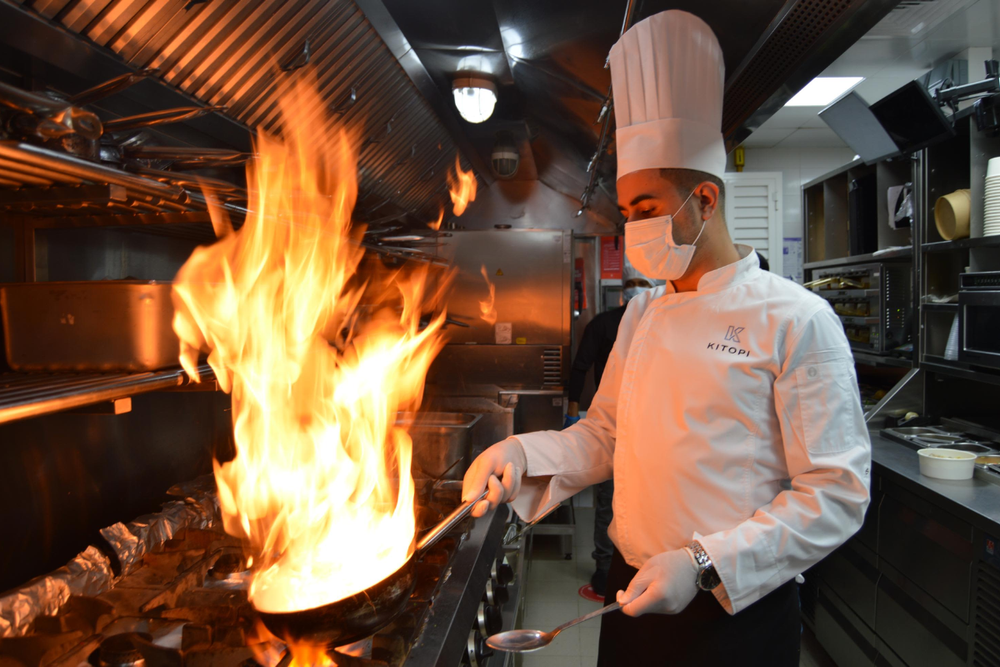
Shared kitchens (e.g., Kitopi, KitchenPark) simplify the process—the facility holds master permits, and you lease a pod (AED 5,000–15,000/month). Independent setups require additional Civil Defence approval (AED 2,000–5,000) and take 4–8 weeks if documents are complete.
Key Regulatory Updates from 2025 Onward
The 2025 DCCPFT guidelines focus on platform-restaurant fairness rather than creating new ghost kitchen licenses. Platforms must now:
- Disclose full commission and fee structures upfront.
- Provide restaurants with access to non-personal customer data.
- Apply promotions and visibility fairly.
- Give a 30-day notice for contract changes.
Dubai Municipality continues stricter FoodWatch enforcement, quarterly inspections for high-risk operations, and allergen/GPS requirements in some cases. Fines for violations remain up to AED 50,000–100,000, but no major fee hikes or new license categories have been introduced specifically for ghost kitchens in 2026.
Overall, compliance costs may rise modestly (5–10%) due to better auditing and training, but clearer rules reduce delays and disputes.
Ghost Kitchen vs. Physical Restaurant: Cost Comparison
| Aspect | Ghost Kitchen (Typical) | Physical Restaurant (Typical) |
|---|---|---|
| Startup Cost | AED 75,000–150,000 | AED 300,000–1,000,000+ |
| Monthly Rent | AED 5,000–15,000 (shared/industrial) | AED 30,000–100,000+ (prime areas) |
| Staff | 4–8 people | 15–30+ people |
| Monthly Operating Costs | AED 20,000–40,000 | AED 80,000–200,000+ |
| Key Advantages | Lower risk, faster launch, menu testing | Higher AOV, loyalty, ambience upsell |
Ghost kitchens save 50–70% on setup and 40–60% monthly, ideal for delivery-native concepts.
Hidden Costs for Ghost Kitchen Operators
- Platform Commissions → 15–35% per order (varies by platform, volume, and negotiations; e.g., Talabat/Deliveroo often 25–35%, Noon lower in promotions).
- Marketing/Visibility → AED 2,000–10,000/month on boosts and promotions.
- Tech Stack → POS, inventory, and aggregator integration: AED 500–2,000/month.
- Compliance & Training → FoodWatch tools, audits, staff training: AED 2,000–5,000/year.
- Packaging & Branding → Premium packaging for travel: AED 2–5 per order.
When Ghost Kitchens Make Financial Sense
Delivery-friendly menus (burgers, pizza, bowls, Asian cuisines) thrive, maintaining quality over 20–40 minute trips. Multi-brand operations from one kitchen boost revenue without proportional cost increases.
High-density areas (Deira, Bur Dubai, newer communities) offer strong order volume. However, premium or experience-driven concepts (fine dining, seafood that doesn’t travel well) often perform better with physical spaces and higher average order values (AOV AED 150–300 vs. AED 40–80 delivery).
2025–2026 Checklist for Prospective Operators
- Confirm the correct DET activity code for delivery-only.
- Decide: shared pod (faster/cheaper) or independent kitchen.
- Ensure menu travels well and maintains quality.
- Model realistic margins after 20–35% commissions; aim for 800+ orders/month at AED 40–60 AOV to break even.
- Partner with 2–3 platforms; consider hybrid pickup options.
- Prepare for FoodWatch, staff training, and regular inspections.
Success depends on aligning your concept with consumer behavior—convenient, craveable food delivered fast—rather than chasing a mythical “ghost license.” The 2025 guidelines promote fairness without adding major barriers. Well-prepared operators benefit from transparency and reduced disputes.
Ask yourself: Is your brand about the food itself (ghost kitchen) or the full dining experience (physical venue)? Dubai’s market rewards both, but delivery-first models offer the lowest-risk entry in 2025–2026.
Also read:
 Umema Arsiwala
 Umema Arsiwala
 Ummulkiram Pardawala