Dubai Airports has entered the winter travel season with one of the strongest route networks in its history, as Dubai International and Dubai World Central welcome new airlines, added capacity, and expanded connectivity to meet rising seasonal demand.
Direct traffic now accounts for 55 percent of passenger demand at Dubai International, reflecting the annual winter uplift driven by cooler weather, major global events, outbound travel by residents, and continued population growth in the city.
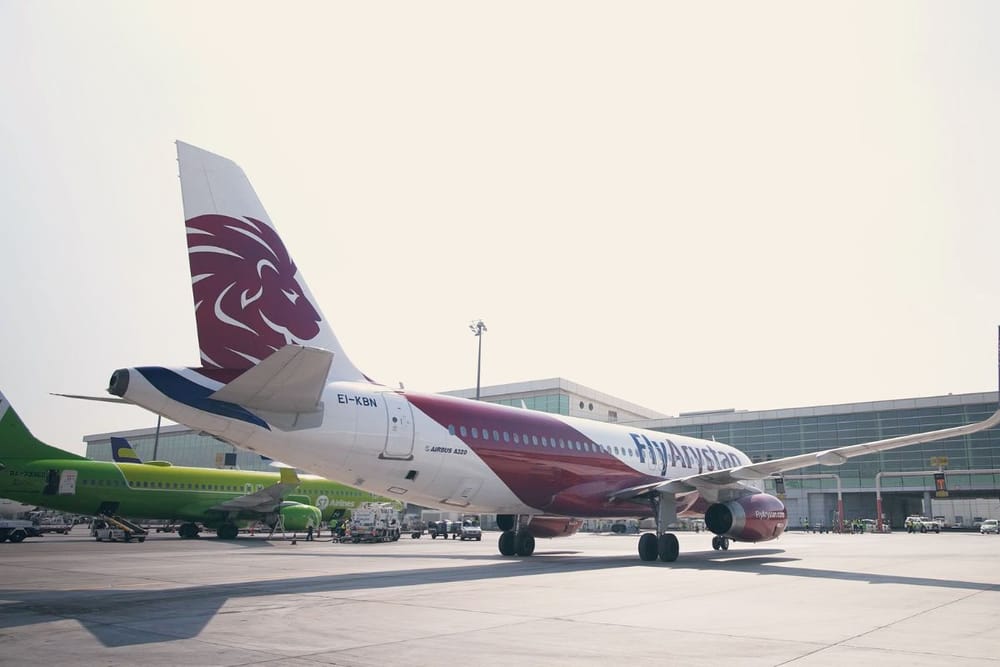
Europe and Central Asia are key contributors to this expansion. FlyArystan launched twice-weekly services from Aktau in Kazakhstan on November 29, while Austrian Airlines returned to Dubai on December 2 with five weekly flights from Vienna. European capacity has also increased through larger aircraft deployments, with Virgin Atlantic introducing the A350-1000 on its Dubai route and British Airways restoring A380 services from London Heathrow.
Regional connectivity is strengthening as well. New and expanded services from Iran, Pakistan, and other Middle Eastern markets are supporting strong point-to-point traffic during the winter peak.
Saudi Arabia is emerging as one of the fastest-growing markets. Combined passenger traffic across Dubai’s two airports reached 6.3 million year to date, with Dubai World Central recording a significant year-on-year increase as airlines leverage its available capacity.
Dubai World Central continues to gain prominence within the city’s aviation ecosystem, supported by rising passenger numbers, expanding airline operations, and steady growth in cargo and aircraft movements.
Dubai Airports said the breadth of this winter’s schedule highlights the resilience and diversity of demand, reinforcing Dubai’s position as a leading global aviation hub.
News Source: Emirates News Agency