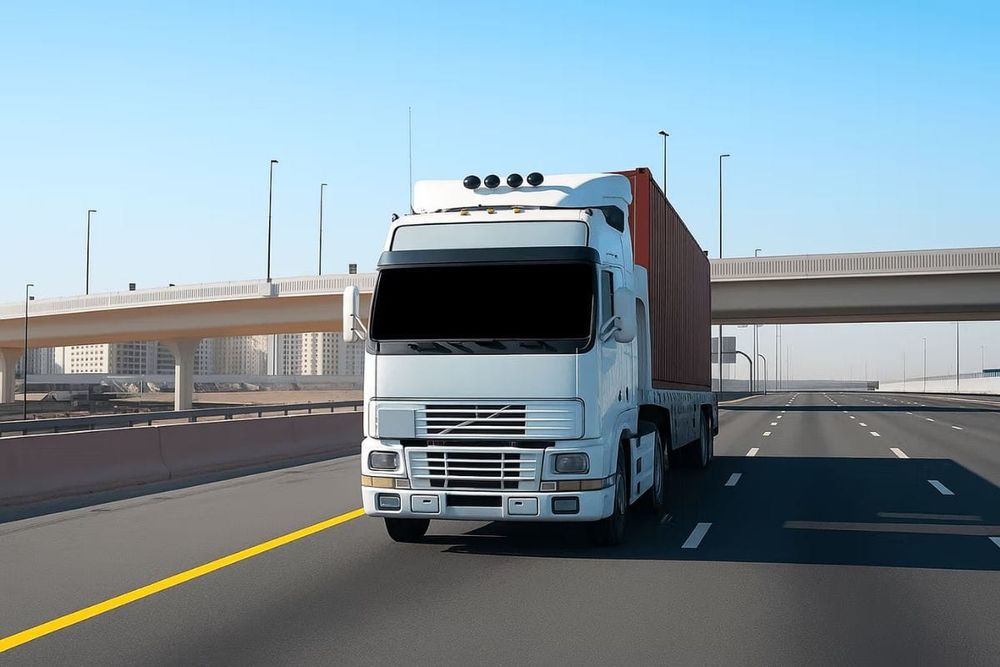
Dubai’s Roads and Transport Authority (RTA) has approved a comprehensive regulatory framework for the operation of autonomous heavy vehicles in the emirate’s logistics sector, marking a major step in the city’s adoption of future mobility technologies.
The framework sets out licensing procedures, technology requirements, operational trial assessments, and safety standards for autonomous vehicles, aiming to protect road users while boosting efficiency in commercial transport. Developed in collaboration with strategic partners, private companies, distributors, and retailers, it reflects Dubai’s push toward innovation in logistics and mobility.
His Excellency Mattar Al Tayer, RTA Director General, said the framework supports Dubai’s Smart Self-Driving Transport Strategy, which targets 25% of total mobility trips in the emirate to be autonomous by 2030.
“It strengthens Dubai’s position as a global leader in technology adoption and sustainable mobility solutions,”
he noted.
The regulatory plan also aligns with the Dubai Commercial and Logistics Land Transport Strategy 2030, which aims to double the sector’s economic contribution to AED 16.8 billion, increase technology adoption by 75%, reduce carbon emissions by 30%, and improve operational efficiency by 10%. Dubai’s logistics fleet currently includes 61,290 heavy vehicles ranging from 3.5 to 65 tonnes.
The framework’s pilot phase will operate on five routes, including Jebel Ali Port, Al Maktoum International Airport, and Dubai Investments Park, combining supervised and fully driverless operations.
Complementing the regulatory initiative, RTA and TruKKer have launched the digital logistics platform “Logisty,” offering on-demand fleet management, booking, and tracking services. The platform aims to enhance efficiency and reliability, further cementing Dubai’s status as a regional logistics hub.
News Source: Dubai Media Office