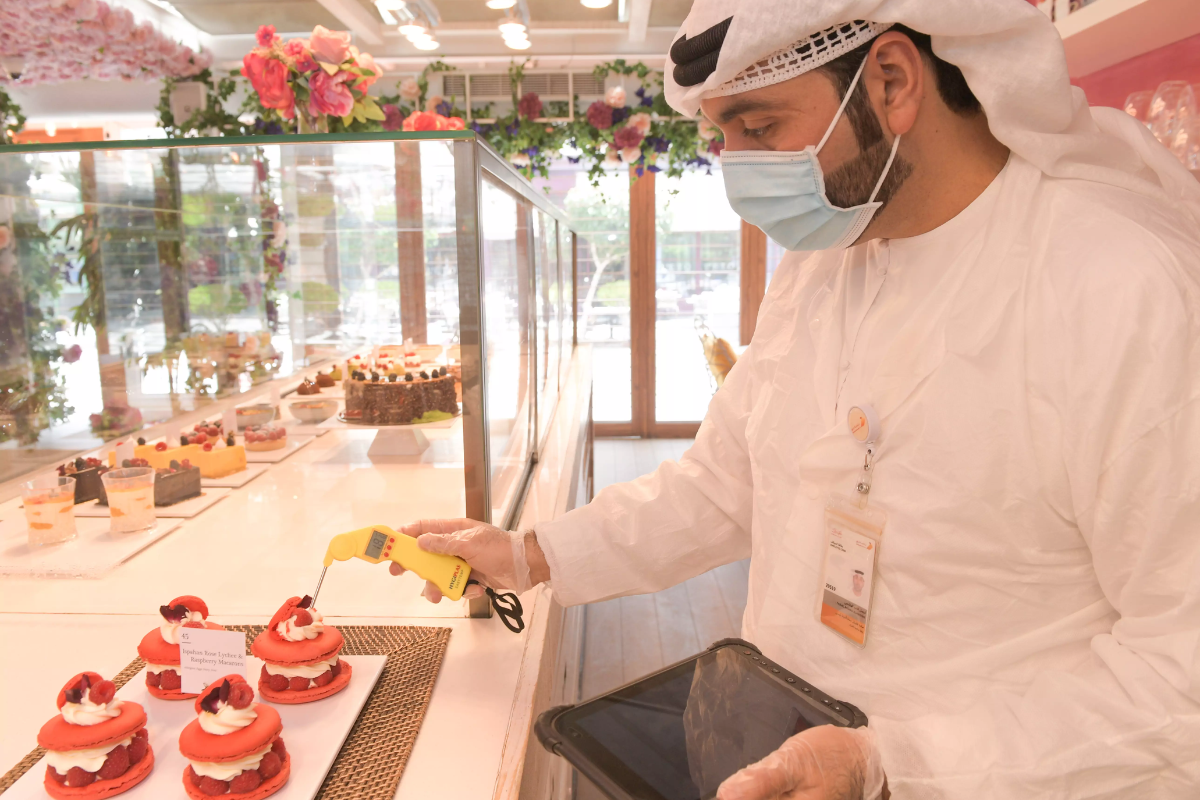
Dubai’s food industry is known for its high safety standards, strict regulations, and strong oversight by local authorities. But what do these rules mean for restaurants, cafes, and catering companies trying to grow in a competitive market? And how can a business stay fully compliant while managing daily operations?
For any food establishment, meeting safety standards is not just about avoiding penalties. It is about protecting public health, earning customer trust, and ensuring long-term success. Are your permits in place? Is your staff properly trained? Do you understand what inspectors look for during site visits?
In this article, we walk you through everything food businesses in Dubai need to know, from approvals and inspections to operational routines, training, and enforcement.
Regulatory Framework
Dubai’s food safety system is regulated by the Dubai Municipality (DM) through its Food Safety Department. The guiding document for all establishments is the Dubai Food Code, which is mandatory for every food-related business operating in the emirate.
The Code outlines clear legal expectations, technical standards, and operational procedures. It is based on best practices from international food safety laws and scientific studies. Compliance with the Food Code ensures that the food served in Dubai—from import to final plate—is safe, traceable, and consistent with public health standards.
Key principles include:
- Prevention-focused enforcement
- Regular inspection and grading
- Clear definition of mandatory rules ("shall," "must")
- Prohibition of practices that compromise food safety
Dubai’s system emphasizes proactive management through proper documentation, traceability, training, and daily monitoring.
Approvals and Licensing
Before a food business begins operations, it must complete the following steps:
- Register with Dubai Municipality
- Obtain a trade license through the Department of Economic Development or the relevant free zone
- Apply for a food establishment permit
- Submit a Food Safety Plan, which includes details on storage, staff hygiene, cleaning, and pest control
- Pass an inspection by DM officers
- Receive a Food Safety Certificate
Each food item to be imported, exported, or sold locally must also be registered through the Food Import and Re-export System (FIRS).
Food safety certificates are valid for one year and must be renewed annually. Poor inspection grades (D or F) can lead to permit withdrawal, business closure, or legal action.
Permit Types and Activities
Different operations require different permits, all of which are processed through the FoodWatch platform. Below are key permit types:
| Permit Type | Use | Conditions |
|---|---|---|
| Event Catering | For serving food at exhibitions, fairs, etc. | Apply 3 days before event, have valid A–C grade |
| Food Trucks (Fixed) | Permanent trucks in public or private spaces | Requires landlord NOC, drainage approval |
| Food Trucks (Mobile) | For events or roaming locations | Must list menu, handlers, and equipment in FoodWatch |
| Kiosks | In malls or public areas | Requires layout approval and lease contract |
| Labor Camp Kitchens | For catering workers in accommodations | Must meet all Food Code design and hygiene rules |
| Licensed Home Traders | For home-based food businesses | Allowed only for light/traditional food items |
Each permit has specific requirements such as inspection grades, prior approvals, and business registration. All related documents must be uploaded digitally.
Daily Operational Requirements
Dubai Municipality inspections focus on key daily operations. Businesses must be inspection-ready at all times.
A. Facility Design and Equipment
- The layout must ensure smooth food flow with no cross-contamination
- Equipment must be clean, calibrated, and regularly maintained
- Preventive maintenance and temperature records must be logged in FoodWatch
B. Hygiene and Sanitation
- High-touch surfaces are disinfected every 30 minutes
- Use only approved biocides (checked via Monteji or FoodWatch)
- Dishwashing must include heat disinfection or the use of disposable items
C. Food Handling and Storage
- Cold food ≤ 4°C, frozen food ≤ -18°C
- Raw and ready-to-eat foods must be stored separately
- Food labels must list allergens, expiry dates, and origin
- Arabic labeling is mandatory
D. Staff Health and Hygiene
- Ill workers must report to the PIC and stay home
- Handwashing with soap for 20 seconds is required at critical points
- Staff must wear uniforms, gloves, and masks correctly
- Delivery drivers must carry disinfectant and change gloves per delivery
Additional Official Requirements
These requirements ensure deeper food safety integration:
A. HACCP or Food Safety Management Systems (FSMS)
All food businesses in Dubai, particularly those handling high-risk foods, are required to have a documented Food Safety Management System (FSMS). This system should follow either HACCP principles or the international ISO 22000 standard. HACCP focuses on identifying potential hazards in the food production process and putting preventive measures in place at every critical step.
The goal is to avoid contamination, ensure safe food handling, and meet Dubai Municipality’s food safety expectations. This system must be maintained, updated, and regularly reviewed by the Person in Charge (PIC).
B. Supplier Control
Businesses are only allowed to purchase raw ingredients and food products from FoodWatch-approved suppliers. Every supplier must be registered and meet Dubai Municipality’s standards. This rule ensures traceability and accountability in case of contamination or recalls. All supplier details—including approvals, sourcing records, and delivery notes—must be documented. Using home-prepared or unauthorized ingredients is strictly prohibited and could lead to fines or permit revocation.
C. Import and Registration
Any food that is imported into Dubai must be registered in the Food Import and Re-export System (FIRS). This registration ensures that the food meets UAE labeling and safety standards. Labels must include ingredients in descending order, expiration dates, allergen warnings, nutritional details, and Arabic translations. This allows inspectors and customers to verify the safety and contents of each product before it reaches the market.
D. Water Quality
Water used in any food establishment—for drinking, washing, cooking, or cleaning—must comply with UAE.S GSO 1025 standards for potable water. To prove compliance, businesses must regularly test their water through certified labs and keep copies of test reports on file. These reports may be requested during inspections. Using poor-quality or untested water can contaminate food and lead to health violations.
E. Approved Disinfectants and Calibration
Only Dubai Municipality-approved disinfectants are allowed for cleaning and sanitizing kitchens, equipment, and surfaces. These products are tested for food safety and effectiveness. In addition, businesses must regularly calibrate their thermometers, fridges, freezers, and weighing scales. Calibration ensures accurate readings, especially for temperature-sensitive foods. All calibration records should be logged and made available through FoodWatch.
F. Incident Reporting and Recalls
If there is a foodborne illness, a customer complaint, contamination, or a product recall, the business must report it immediately to Dubai Municipality. Fast and transparent reporting is critical to protect public health. Every staff member must be trained in handling such incidents, including how to isolate affected products, record the details, and update FoodWatch. Failure to report can result in temporary closure or heavier penalties.
Using the FoodWatch Platform to Manage Food Safety Compliance in Dubai
FoodWatch is Dubai’s digital food safety management system. Every food business must be registered and managed through this platform.
Core functionalities:
- Digital logs for cleaning schedules, temperature checks, and maintenance
- Real-time permit applications and inspections
- Food and supplier verification
- Online staff training and certification tracking
- Pest control service coordination
- Remote inspections via video call
The Person in Charge (PIC) uses the FoodWatch Connect App to record and manage all safety and hygiene data. It enables inspectors to monitor compliance remotely and proactively.
Training and PIC Requirements
Dubai mandates that all staff handling food receive certified training. There are two key programs:
A. Basic Food Safety Training
Every individual involved in handling food—whether they are kitchen staff, delivery drivers, or cleaners—must undergo Basic Food Safety Training. This training ensures that all personnel understand the principles of hygiene, contamination prevention, safe food handling, and personal cleanliness. It must be conducted through Dubai Municipality-approved training centers, and the completion of this training must be recorded in the FoodWatch system. Regular training helps reduce food safety risks and ensures consistency in daily operations.
B. Person in Charge (PIC) Program
Every shift must have a certified PIC present. They are responsible for:
- Monitoring food safety risks
- Verifying hygiene practices
- Managing staff performance and training
- Handling complaints and supplier checks
- Updating FoodWatch with daily records
PIC certification is valid for five years and is subject to withdrawal if standards are not maintained. Trainers must meet government criteria and be approved to deliver courses.
Enforcement and Penalties
Dubai Municipality imposes severe penalties for non-compliance with food safety laws. These include:
| Violation | Penalty |
|---|---|
| Unsafe or adulterated food | AED 100,000–2,000,000 and/or jail |
| Selling pork/alcohol without license | AED 50,000–500,000 and/or jail |
| Mislabeling or false claims | AED 10,000–100,000 |
| Ignoring recall or safety incidents | Temporary closure or license suspension |
| Poor inspection grade (D or F) | Permit withdrawal or full shutdown |
| Repeat violations | Penalties doubled and legal action escalated |
Businesses have the right to appeal decisions within the prescribed timeline. Regular audits and proactive communication can prevent most penalties.
As Dubai continues to evolve as a global dining destination, its food safety standards are also becoming more data-driven and technology-integrated. Beyond compliance, forward-thinking businesses are now adopting predictive analytics, AI-enabled monitoring, and smart kitchen equipment to improve efficiency and reduce food safety incidents before they occur. Keeping up with these innovations can give restaurants, cafes, and caterers a competitive edge.
Building a trusted food business in Dubai today means more than passing inspections. It’s about embracing a culture of safety, transparency, and continuous improvement. By aligning with the city’s long-term vision for health and sustainability, food businesses can not only meet today’s requirements but also grow confidently into the future.
Also read:
 Shahba Mayyeri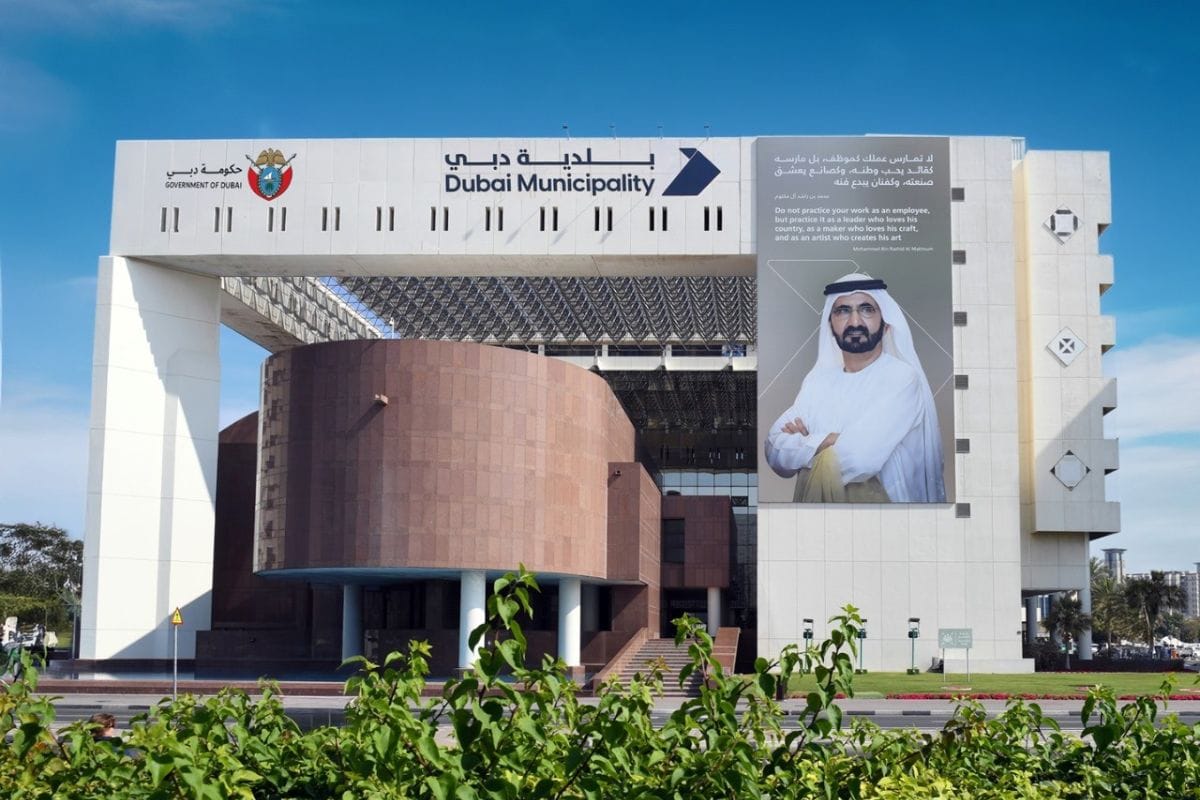
 Shahba Mayyeri
 Shahba Mayyeri