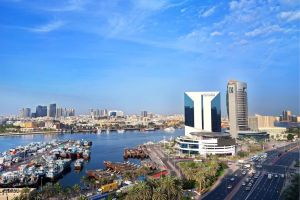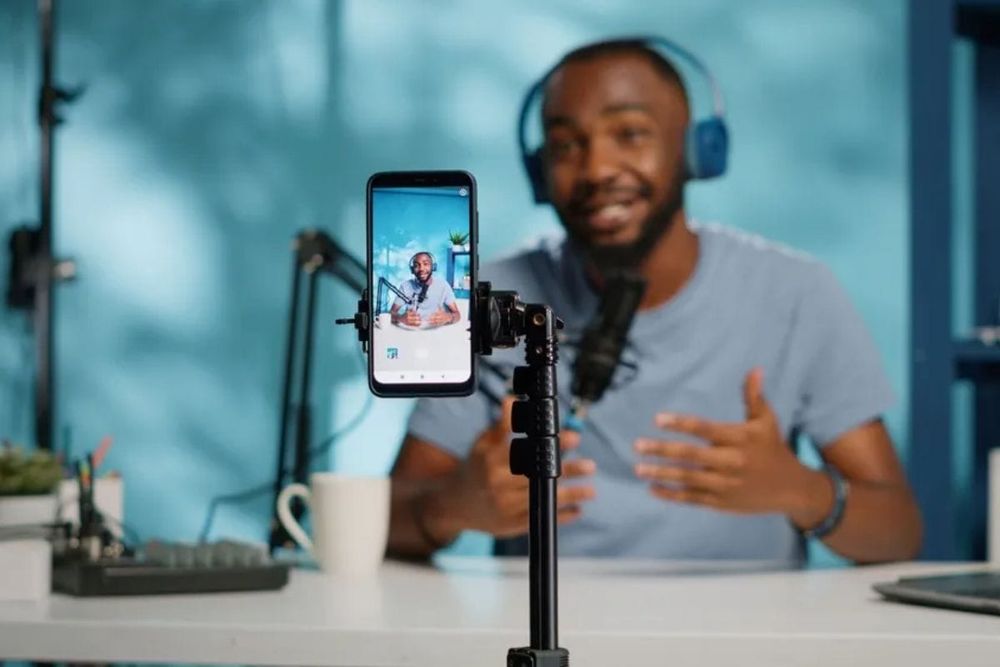
Dubai sparkles as a city of ambition, where skyscrapers touch the clouds and innovation drives progress. In recent years, it has transformed from a desert trading post into a global hub for digital creativity, positioning itself at the heart of the creator economy. This booming sector, where individuals monetize their content and influence across platforms like YouTube, TikTok and Instagram, is reshaping how businesses operate worldwide.
In Dubai, the creator economy is more than a trend; it’s a dynamic ecosystem offering unparalleled opportunities for business owners. With a tech-savvy population, world-class infrastructure and government backing, the city is a launchpad for ventures that tap into digital creativity. Whether you’re a retailer looking to partner with influencers, a tech entrepreneur building creator tools or an investor eyeing high-growth startups, Dubai’s creator economy is ripe with potential. The city’s diverse, multicultural audience and strategic location amplify its appeal, connecting East and West in a digital marketplace.
Dive into the mechanics of Dubai’s creator economy, exploring government support, key sectors, collaboration strategies and future trends.
Understanding Dubai's Creator Economy

The creator economy refers to the ecosystem where individuals, known as creators, produce content, videos, blogs, podcasts or digital art, and monetize it through sponsorships, subscriptions or direct sales. Globally, this sector is projected to reach $500 billion by 2027, driven by platforms like YouTube, TikTok and Patreon. In Dubai, the creator economy thrives due to unique local factors. The city boasts a 99% internet penetration rate, one of the highest globally, ensuring near-universal access to digital platforms. Its population, with over 80% expatriates from 200+ nationalities, brings diverse perspectives that fuel creative content, from fashion vlogs to tech tutorials.
Social media dominates Dubai’s digital scene. Instagram and TikTok are particularly popular, with 70% of UAE residents active on these platforms daily, according to 2024 data. YouTube also sees heavy use, with creators covering lifestyle, travel and finance resonating with local and global audiences. Emerging technologies like NFTs and live streaming add new dimensions, allowing creators to sell digital assets or engage in real-time commerce. For business owners, this means access to a vibrant pool of creators who can amplify brands or inspire new ventures, from e-commerce integrations to content platforms. Dubai’s blend of cultural diversity and digital adoption makes it a hotspot for creators and businesses alike.
Government Initiatives and Support Systems
Dubai’s government has positioned the city as a global leader in digital innovation, creating a fertile ground for the creator economy. The Dubai Future Foundation drives initiatives like the Dubai 10X program, which fosters disruptive tech solutions, including those for content creators. Free zones like Dubai Internet City and Dubai Media City offer tax exemptions, full foreign ownership and streamlined licensing, attracting digital businesses. In 2023, these zones housed over 3,000 tech and media companies, many engaging with creators.
Visa reforms, such as the Golden Visa for creative professionals and the digital nomad visa, make it easier for creators to settle in Dubai, enriching the talent pool. The government also partners with global tech giants like Google and Meta to provide training programs, equipping creators with skills in content monetization and analytics. Funding schemes, such as the Mohammed Bin Rashid Innovation Fund, offer grants and loans to startups in the creative and tech sectors. For business owners, these initiatives lower entry barriers, whether launching a creator agency, a marketing firm, or a tech platform. Dubai’s proactive policies create a supportive ecosystem, ensuring businesses can tap into the creator economy with confidence.
Key Sectors and Niches Offering Opportunities
Dubai’s creator economy spans multiple sectors, each presenting unique opportunities for business owners. Here are four key areas to explore:
- Fashion and Lifestyle Content: Dubai’s reputation as a luxury hub makes fashion and lifestyle content a powerhouse. Creators on Instagram and TikTok showcase high-end brands, beauty products and wellness trends, reaching millions. The UAE’s influencer marketing market was valued at $200 million in 2024, with 15% annual growth. Business owners can partner with influencers for product placements or launch creator-driven fashion lines, capitalizing on Dubai’s affluent consumer base.
- Tourism and Hospitality Promotion: Dubai’s tourism sector, attracting 18.7 million visitors in 2024, thrives on creator content. Travel vloggers and Instagrammers promote hotels, restaurants and attractions, driving bookings. Businesses can collaborate on sponsored content or create experiential campaigns, like influencer-led city tours, to boost visibility and revenue.
- Tech and Gaming Content: With gaming revenue in the UAE hitting $300 million in 2024, tech and gaming creators are on the rise. YouTubers and Twitch streamers review gadgets, cover e-sports or create tech tutorials. Tech startups can sponsor content or develop creator tools, while retailers can leverage creators for product launches.
- E-commerce and Product Reviews: E-commerce is booming, with UAE online sales projected to reach $10 billion by 2026. Creators drive sales through unboxing videos, reviews and affiliate links. Business owners can integrate creators into marketing strategies or launch affiliate programs, tapping into Dubai’s growing online shopping trend.
Collaboration Strategies for Business Owners

Partnering with creators can transform business outcomes in Dubai’s dynamic market. Here are four effective strategies:
- Influencer Marketing Campaigns: Identify creators whose audience aligns with your brand using tools like HypeAuditor or Social Blade. In Dubai, micro-influencers (10,000–50,000 followers) often yield higher engagement rates (5–7%) than mega-influencers. Develop campaigns like sponsored posts or giveaways, ensuring clear contracts outlining deliverables. Measure ROI through metrics like click-through rates and sales conversions.
- Affiliate Programs: Offer creators commission-based partnerships to promote products. Platforms like Amazon Associates or local solutions like Affilae can streamline setup. In Dubai, beauty and tech products see strong affiliate success due to high consumer demand. Provide creators with unique tracking links and regular payouts to maintain trust.
- Co-branded Content Ventures: Collaborate with creators to co-create products or content series. For example, a restaurant could partner with a food vlogger for a signature dish promoted via YouTube. Ensure alignment on creative control and revenue sharing, leveraging Dubai’s diverse audience for broad appeal.
- Event Sponsorships and Live Streams: Sponsor creator-led events or live streams, like TikTok live sessions or Instagram takeovers. Dubai’s event scene, from fashion shows to tech expos, offers opportunities to reach engaged audiences. Negotiate terms to include brand mentions and track engagement through event-specific hashtags.
Challenges and Risk Management
Navigating Dubai’s creator economy comes with challenges. Here are four key risks and how to manage them:
- Regulatory Compliance: The UAE enforces strict media regulations, including content licensing and advertising disclosures. Non-compliance can lead to fines or bans. Work with legal consultants familiar with UAE laws to ensure contracts and campaigns meet requirements.
- Market Saturation: With thousands of creators in Dubai, standing out is tough. Businesses risk partnering with oversaturated niches. Use analytics tools to identify untapped micro-influencers or niche markets, focusing on authenticity and engagement over follower count.
- Cultural Sensitivities: Dubai’s diverse population demands culturally aware content. Missteps can alienate audiences or spark backlash. Conduct cultural training for teams and creators, ensuring content respects local values while appealing globally.
- Intellectual Property Issues: Content theft or disputes over digital assets like NFTs are common. Protect your brand by registering trademarks and using blockchain for transparent ownership records. Legal agreements with creators should clearly outline IP rights.
From fashion to gaming, opportunities abound to collaborate with creators, invest in startups, or leverage cutting-edge platforms. By navigating challenges like regulations and cultural nuances, businesses can unlock significant growth. The city’s vision for a digital future, backed by initiatives like free zones and 5G, makes it an ideal hub for creator-driven ventures.
Start exploring partnerships, funding or tech solutions today to build a thriving presence in this dynamic market.
Also Read:
 Ummulkiram Pardawala
 Umema Arsiwala
 Umema Arsiwala
 Umema Arsiwala
 Umema Arsiwala