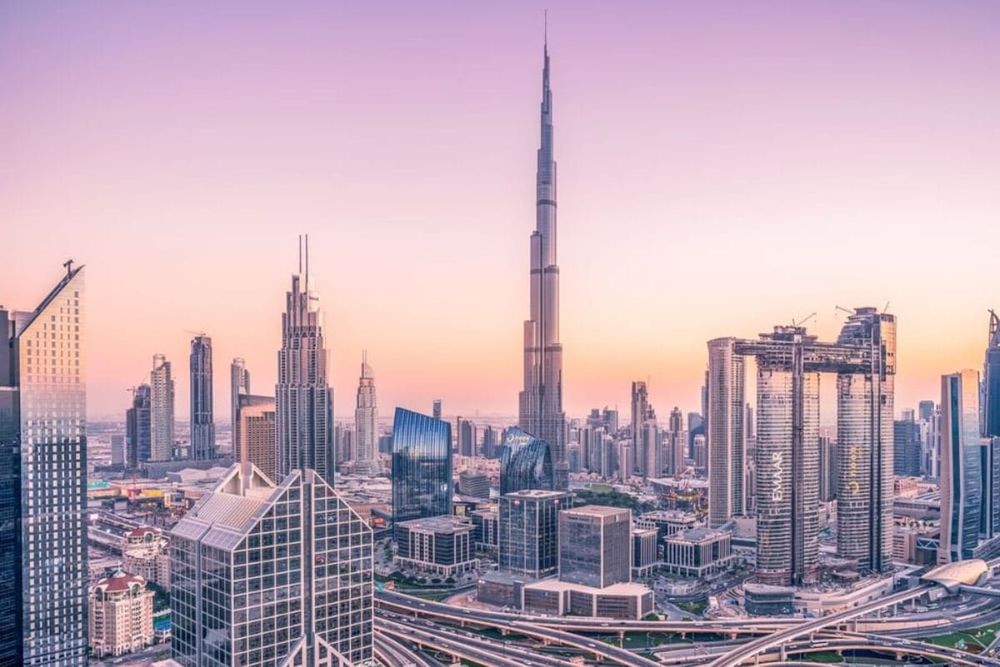
Dubai is charting a confident course toward a digitally driven future. Rather than waiting for global consensus or chasing short-term trends, the emirate is putting systems in place that combine innovation with long-term national strategy. Its digital economy is rooted in infrastructure, regulation, and a clear vision of public value.
At the center of this transformation is the Dubai Economic Agenda (D33), a bold plan to double the size of the city’s economy by 2033. Supported by platforms like Digital Dubai, this approach emphasizes tangible progress in areas like GDP, trade, productivity, and digital services.
This article explores how Dubai is actively shaping its next phase of economic growth—focusing on trust, technology, and well-defined pathways for digital commerce.
From Offline to Online to Intelligent: What Digital Commerce Means Now
The digital economy is no longer about “getting your business online.” In Dubai, even small home businesses now sell through WhatsApp or Instagram. The real shift lies in how intelligent, data-driven, and globally integrated digital commerce has become.
What makes up digital commerce today?
- E-commerce & quick commerce (Q-commerce): Efficient, mobile-first transactions with fast delivery.
- Digital payments & embedded finance: From tap-to-pay to buy-now-pay-later (BNPL) and digital wallets.
- Cloud-based business models: Platforms for collaboration, inventory management, CRM, and ERP tools.
- API integrations & plug-and-play tools: To automate operations and customize customer experiences.
- Cross-border trade enablement: Seamless logistics, customs integration, and multi-currency support.
- AI-driven decision making: For personalized marketing, fraud detection, demand forecasting, and dynamic pricing.
In short, the meaning of "digital commerce" in Dubai has matured. It’s about making your business smarter, more agile, and able to compete globally—with or without a physical storefront.
Key Initiatives Shaping Dubai’s Digital Future
Let’s explore four major initiatives that are building the foundation for digital commerce in the emirate.
- The Dubai Economic Agenda (D33)
The D33 agenda, launched in 2023, outlines a 10-year vision to double Dubai’s economy and position it among the top global cities. A key pillar of this vision is to accelerate the digital economy and support future-proof sectors.
Key elements that benefit digital businesses:
- A push to digitize 100% of all government services and ensure seamless interaction for businesses.
- Support for unicorn startups and new economic models built around data, AI, and cross-border e-commerce.
- A scale-up program for SMEs and digital exporters, helping them go global with logistics and tech support.
- Incentives to attract foreign digital firms, with a focus on Asia, Europe, and Africa trade corridors.
Dubai is not just going digital—it’s doing so with a clear focus on economic diversification and long-term scalability.
- Dubai CommerCity: A Free Zone for E-commerce and Digital Trade
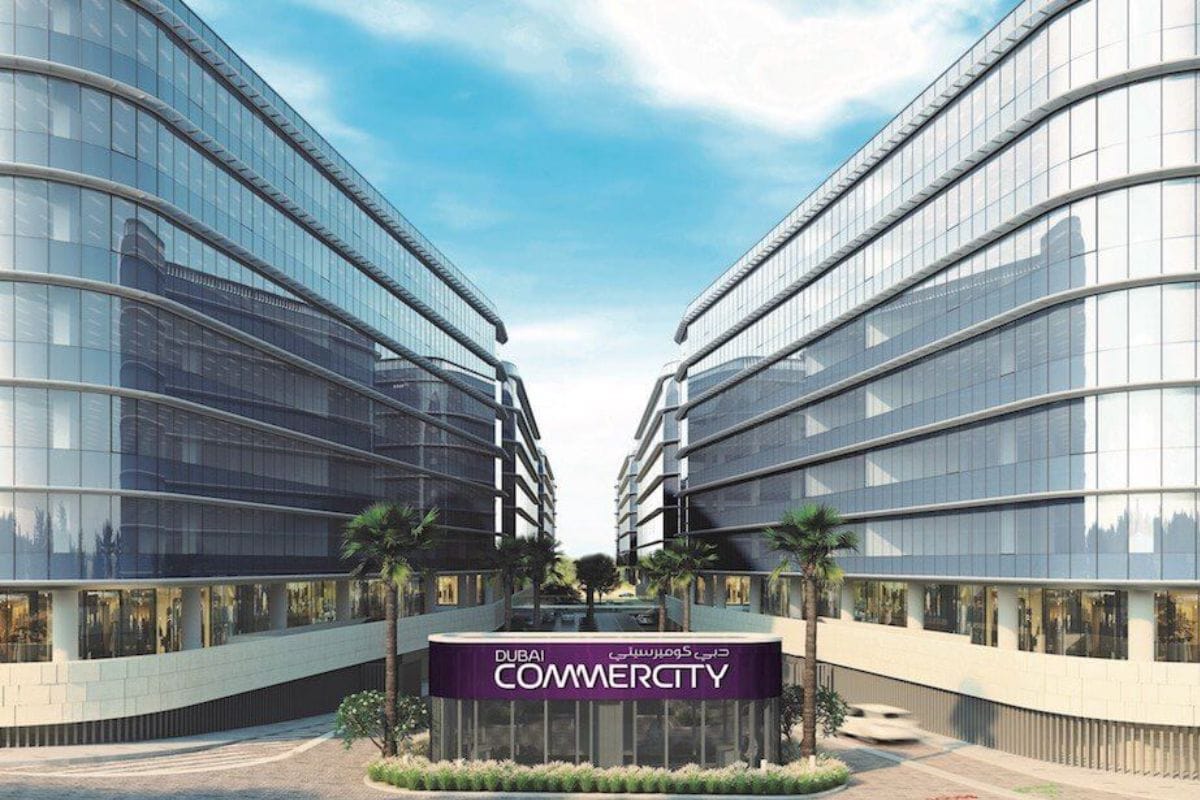
Dubai CommerCity is the first free zone dedicated to digital commerce in the MENA region. Located near Dubai International Airport, it is designed to help businesses launch and scale their online presence regionally and globally.
What CommerCity offers:
- Customs clearance and bonded warehousing optimized for fast e-commerce delivery.
- A plug-and-play business setup, including licensing, warehousing, logistics, and marketing support.
- Special packages for SMEs and international brands looking to enter the GCC market via Dubai.
- Digital tools and dashboards that let businesses monitor inventory, shipments, and sales from one portal.
The free zone is particularly helpful for:
- Fashion, electronics, and beauty brands
- D2C businesses scaling from Asia or Europe
- Regional SMEs going global
- Chamber of Digital Economy
A new division under the Dubai Chambers, this entity is focused on growing the digital economy's contribution to GDP. Their 2024 strategy focuses on three goals:
- Support 100 digital startups per year through incubation, legal help, and funding access.
- Launch global campaigns to attract VCs, tech firms, and platform businesses.
- Publish sector-specific reports to inform entrepreneurs on trends like cloud retail, AI SaaS, and fintech.
It also connects businesses to venture studios and government tenders related to smart city development, healthtech, edtech, and green commerce.
If you’re a startup or scale-up, this Chamber provides both policy advocacy and on-ground growth support.
- Digital Dubai: Building Infrastructure & Governance
Digital Dubai is an umbrella initiative launched by the government to digitize all city operations, create data laws, and establish digital trust.
Key programs relevant to digital commerce:
- DubaiNow and UAE Pass for seamless citizen-business interaction.
- Unified digital identity and e-signatures, reducing paperwork for B2B and B2G transactions.
- Dubai Data Law to regulate privacy, cross-border data flows, and data monetization.
- Smart City infrastructure including AI-enabled public services, IoT-driven traffic systems, and cloud data centers.
With this initiative, Dubai is laying down the rules and rails for safe, scalable, and secure digital business.
Emerging Technologies Powering This Shift
Dubai’s move toward a stronger digital economy isn’t fueled by ambition alone. It’s backed by real investments in cutting-edge technologies that are already transforming how business is done—across retail, logistics, fintech, healthcare, education, and more.
Here’s a breakdown of the key technologies that are shaping the next generation of digital commerce in Dubai:
Artificial Intelligence (AI) and Machine Learning (ML)

AI has shifted from being a “nice to have” to a business necessity in Dubai. Companies use AI to:
- Predict customer behavior and personalize offers.
- Optimize inventory, warehousing, and delivery routes.
- Automate customer service via chatbots and virtual assistants.
- Detect fraud and manage risk in real time.
In 2023, Dubai launched its “Generative AI Guide”, encouraging both public and private sectors to adopt responsible AI tools. Expect to see more AI-driven commerce tools—from dynamic pricing engines to AI-based copywriting and creative design tools.
Cloud Computing & SaaS Models
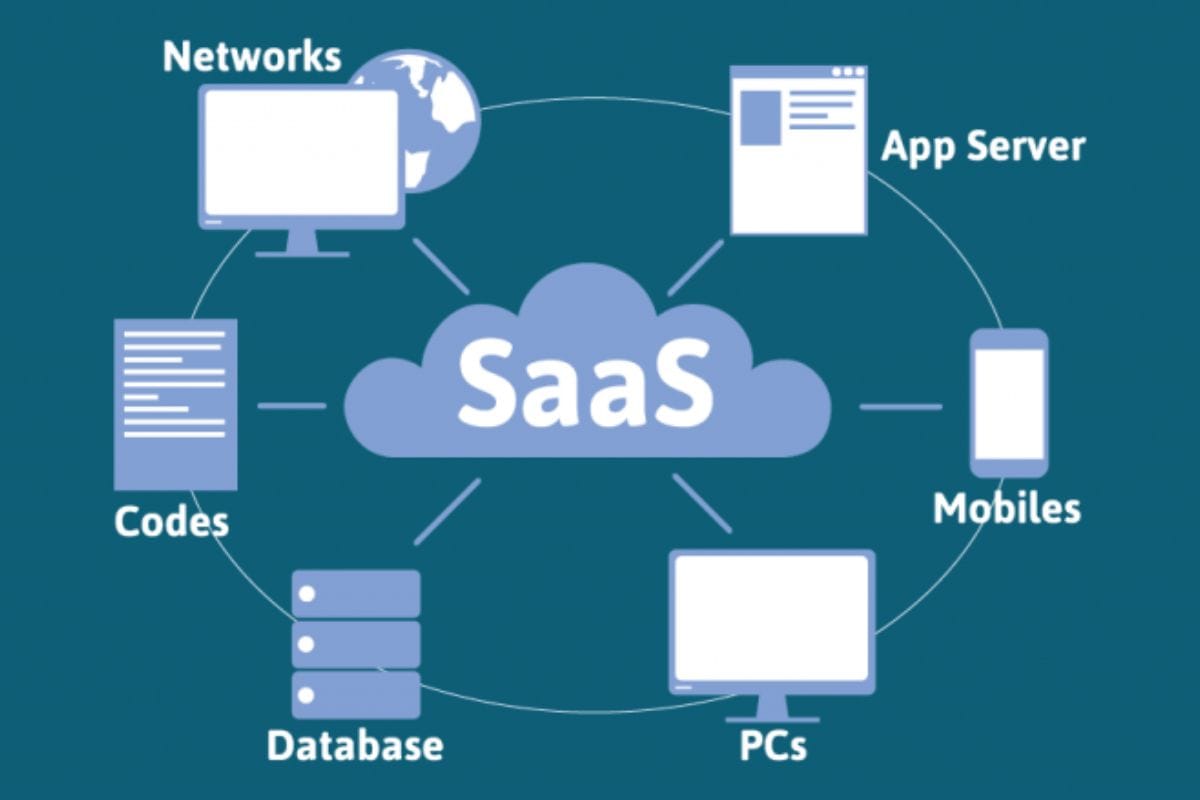
Cloud platforms like AWS, Microsoft Azure, and Oracle are expanding their presence in Dubai, helping startups and SMEs scale without heavy upfront infrastructure.
SaaS (Software as a Service) tools are also booming, enabling businesses to:
- Run online stores via platforms like Shopify and Zoho Commerce.
- Automate invoicing and compliance using TallyPrime and QuickBooks.
- Manage HR, payroll, and CRM through cloud-based dashboards.
This democratizes access to enterprise-grade tools—previously affordable only to large corporations.
Internet of Things (IoT)

IoT is transforming logistics, smart retail, and even agriculture in Dubai. Real-time sensors are used to:
- Track shipments across free zones and ports.
- Monitor energy usage in smart buildings and warehouses.
- Enable smart vending, shelf monitoring, and contactless checkouts in stores.
For digital commerce businesses, this means smarter operations, lower wastage, and data-driven growth.
Digital Identity & Blockchain for Trust
With the growing focus on data privacy and digital security, Dubai has built UAE Pass, a unified digital ID system. This enables:
- Secure customer verification for e-commerce and banking.
- Seamless government approvals, licensing, and tax filings.
- E-signatures and paperless contracts.
Meanwhile, blockchain is being piloted in:
- Cross-border trade documentation (via Dubai Customs).
- Real estate transaction verification (via Dubai Land Department).
- Product authenticity and supply chain traceability.
These technologies create the trust layer essential for frictionless, high-value digital commerce.
Digital Payment Ecosystems
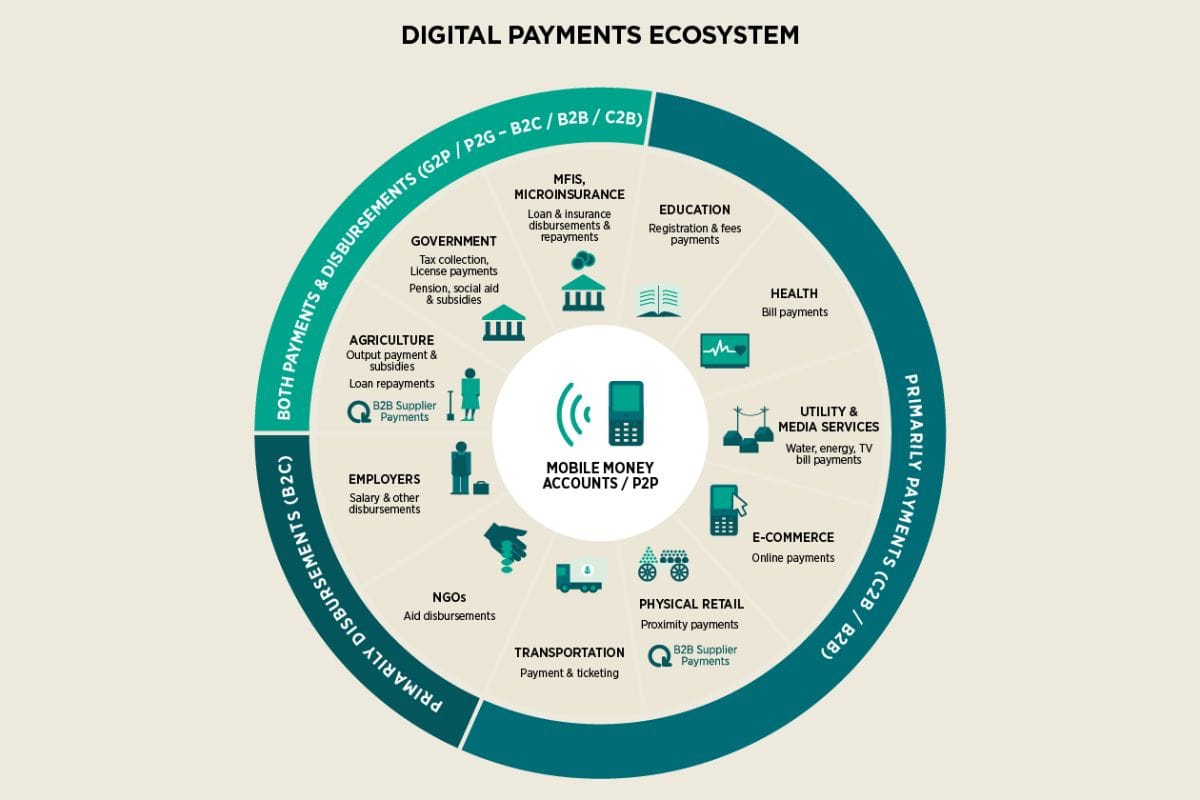
Dubai’s payment sector is undergoing a quiet revolution. Companies like Network International, PayTabs, Stripe, and Tabby are enabling:
- Instant checkout across platforms and currencies.
- BNPL (Buy Now, Pay Later) integrations for both B2C and B2B.
- Cross-border payments and automated settlements.
With the Central Bank of UAE pushing for cashless transactions and digital dirham pilots, payment infrastructure is becoming more inclusive, fast, and secure.
Where the Opportunities Are for Businesses in Dubai
If you’re a business owner, entrepreneur, or investor in Dubai, here’s where you can actively participate in the next phase of digital commerce:
Start a Digitally Native Business

Dubai’s streamlined company registration (especially in free zones like CommerCity, Dubai Silicon Oasis, or IFZA) makes it easier than ever to launch a digital business.
- No physical office needed
- Digital license in 48 hours
- Access to e-commerce incentives, customs support, and mentorship
Popular sectors:
- D2C fashion and accessories
- Niche subscription boxes (food, beauty, fitness)
- Online learning platforms
- Marketplace aggregators
Digitize an Existing Business
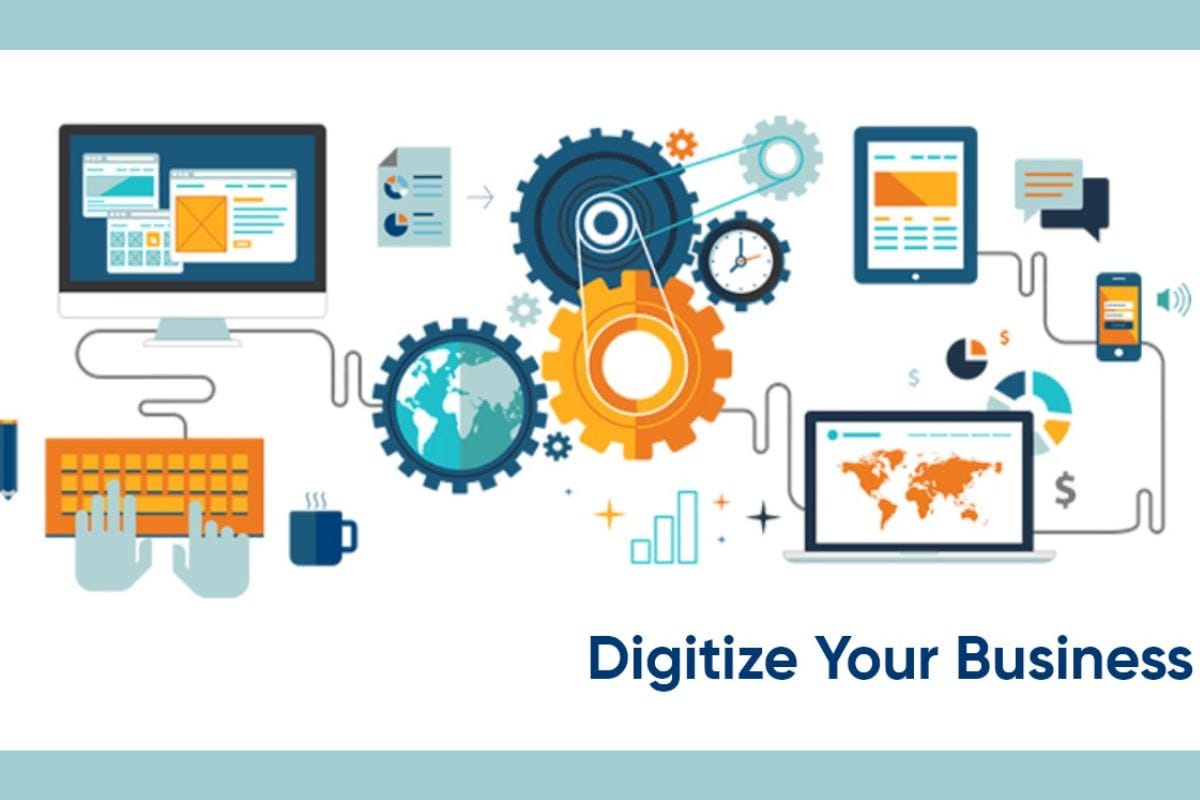
Even traditional sectors—salons, boutiques, service providers—can benefit by adding:
- Online booking & payment systems
- WhatsApp commerce or chat-based ordering
- CRM to track customer preferences
- Loyalty programs linked to UAE Pass
This isn’t about replacing your core model. It’s about enhancing reach, retention, and revenue through digital tools.
Sell Cross-Border from Dubai
Thanks to digital infrastructure, Dubai is a great base to sell to KSA, India, Africa, and Europe. You can:
- Set up in Dubai CommerCity for customs support.
- Integrate with Aramex, DHL, or Shipa Delivery for global shipping.
- Accept multiple currencies and payment modes via Stripe, Telr, or Checkout.com.
- Use marketplaces like Noon, Amazon UAE, Namshi, and Tradeling.
Digital commerce from Dubai is not limited to local customers. The city is building the rails for borderless commerce.
Tap Into Government Programs

Keep an eye out for:
- Chamber of Digital Economy initiatives: Startups, funding, and sector insights.
- Dubai SME programs: Grants, training, and tech adoption for small businesses.
- Mohammed Bin Rashid Innovation Fund: Soft loans for innovation-driven businesses.
- DED and Free Zone accelerators for digitization projects.
Upskill or Reskill for the Digital Economy
For freelancers, creators, and professionals, the best opportunity lies in upgrading your skills:
- Web development, UI/UX, and e-commerce design
- AI prompt engineering and automation workflows
- Digital marketing, content strategy, and paid media
- Product management, logistics, and supply chain tech
These are the roles that will define the next decade of commerce—not just in Dubai, but globally.
Challenges and What Businesses Must Be Aware Of
Despite all the upside, building a digital-first business in Dubai comes with its share of complexities. Here's what to be mindful of:
Regulatory Compliance
- Businesses must stay updated with VAT filing, corporate tax (starting at 9%), and e-invoicing regulations.
- Platforms that handle customer data must comply with UAE’s Data Protection Law.
- Influencer marketing, BNPL models, and online education all have specific rules that need legal vetting.
Digital Competition
- With the influx of digital-first startups, standing out is harder.
- Success today is less about being online and more about offering a smart, reliable experience.
- Brands must invest in UX, customer service, and trust signals (reviews, licenses, security badges).
Cross-Border Complexities
- While Dubai is well-positioned for regional trade, each country (like KSA or Egypt) has its own tax, customs, and logistics requirements.
- Businesses must have a strong grasp of regional compliance before scaling.
Scam Risk and Misinformation
- Dubai's digital space has also attracted misleading businesses—especially in areas like trading platforms, NFTs, or AI tools.
- Always verify partners, get licensed, and avoid schemes that promise quick wealth or unrealistic ROI.
What the Next 5 Years Could Look Like
If Dubai achieves its D33 targets, here’s what the digital commerce space might look like by 2030:
- 50%+ of business activity will be digitally managed.
- A rise in hyper-niche businesses and creators earning through digital products, courses, or subscriptions.
- Cross-border e-commerce will grow exponentially, especially in health, education, and eco-products.
- AI will become deeply embedded in customer experience, logistics, and retail planning.
- Dubai will be known not just as a trade and tourism hub, but as a launchpad for smart, scalable businesses.
Sources:
- Dubai Economic Agenda D33
- Digital Dubai Official Portal
- Dubai CommerCity
- Chamber of Digital Economy - Dubai Chambers
- Dubai SME Programs
- UAE Data Protection Law Summary - ICLG
Also Read:
 Umema Arsiwala
 Shahba Mayyeri
 Ummulkiram Pardawala
 Umema Arsiwala