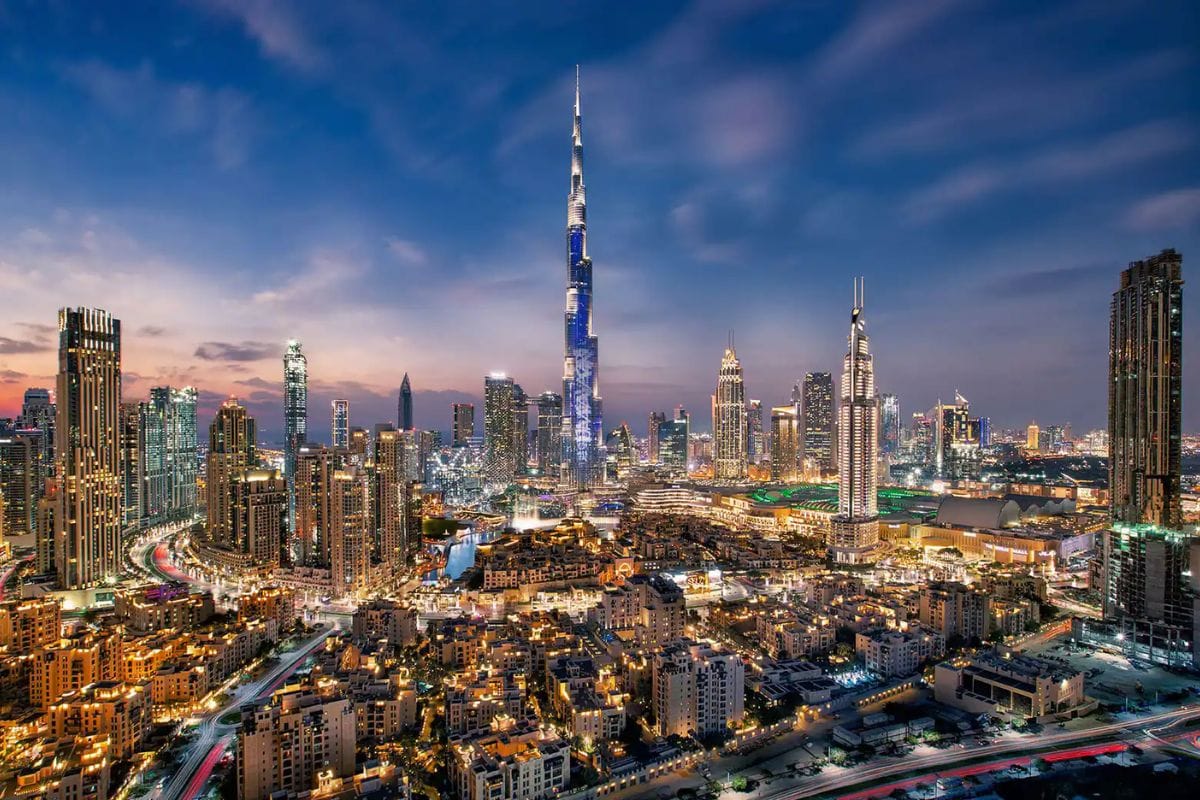
Dubai's luxury real estate market is on fire in 2025, shattering records and drawing the world's wealthiest like a magnet. Just look at the numbers: the first half of the year alone saw sales rocket to Dh326.7 billion, marking the strongest performance ever recorded in the emirate's history. That's a staggering leap driven by a perfect storm of economic resilience, strategic government policies and an influx of high-net-worth individuals seeking safe havens amid global uncertainties.
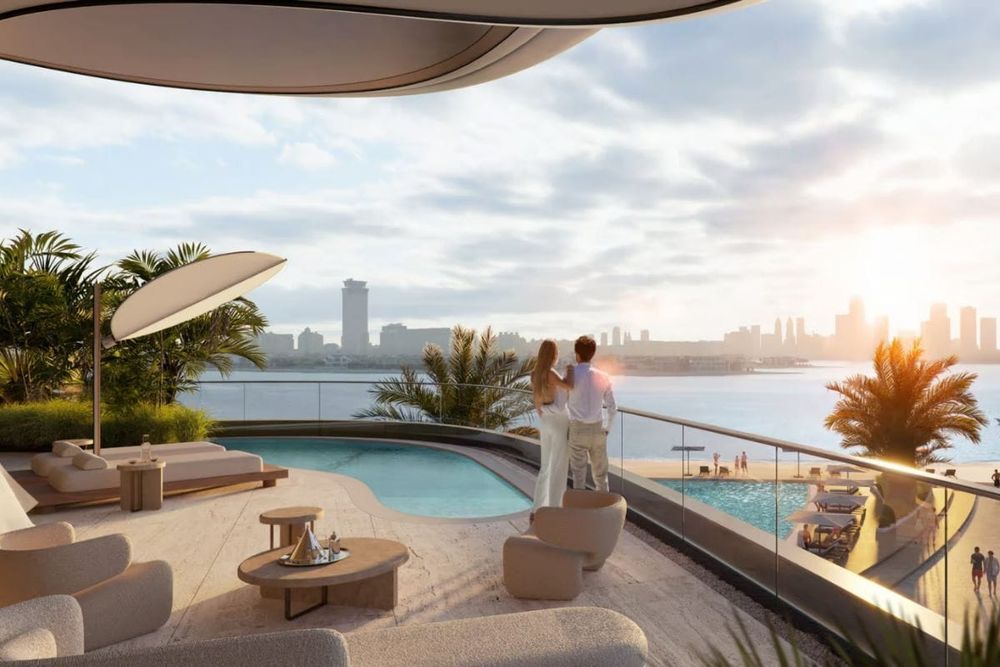
With prime property prices climbing 5 percent in the first six months and projections pointing to another 4 to 6 percent rise by year's end, Dubai isn't just competing with global heavyweights like London or New York; it's outpacing them. The ultra-luxury segment tells an even more compelling story, with 111 transactions over $10 million in the first quarter alone, totaling $1.9 billion. Areas like Palm Jumeirah and Business Bay are hotspots, where mansions fetch $60 million to $120 million, complete with private cinemas and spas that redefine opulence.
What makes this boom so captivating? It's not just about flashy skyscrapers or beachfront villas anymore. Investors from Europe, Asia, and beyond are flocking here thanks to tax-free perks, the Golden Visa program and a stable environment that promises solid returns. Off-plan sales are leading the charge, making up over 60 percent of deals, fueled by flexible payment plans and the allure of capital appreciation. But there's more depth to this story.
As we dive deeper, it's clear that 2025 is a pivotal year for Dubai's luxury scene. Here's a break down of these forces to give you the insights to understand why Dubai remains a top destination for luxury real estate.
The Surge in Branded Residences
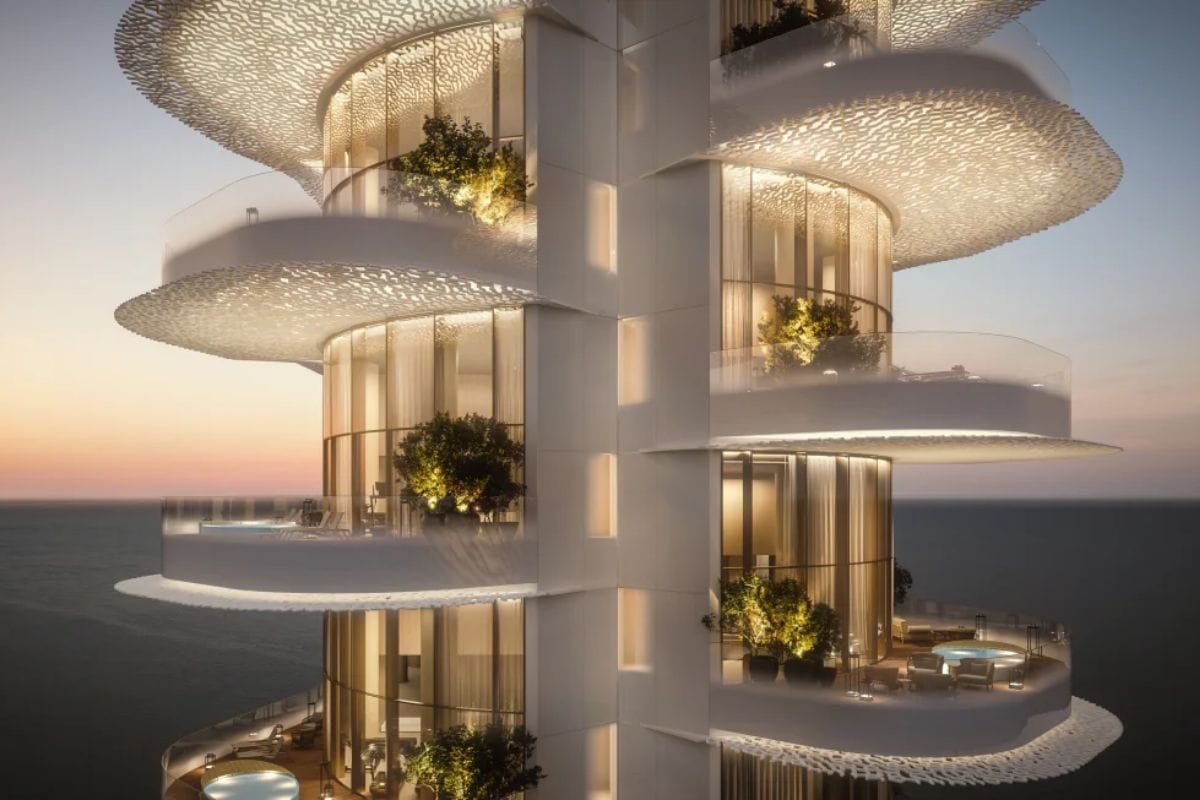
Branded residences are stealing the spotlight in Dubai's luxury market this year, with the city boasting nearly 140 projects either completed or in the pipeline by 2031. These aren't just homes but lifestyle statements, partnering with icons like Four Seasons, Bulgari and Ritz-Carlton to deliver hotel-like amenities such as concierge services and exclusive clubs. In 2024 alone, 13,000 units sold for Dh60 billion, a 43 percent jump, and 2025 is adding 5,500 more homes to the mix. Buyers love the prestige and resale value, especially in areas like Palm Jumeirah, where these properties command premium prices. For investors, they offer high rental yields and a hedge against market fluctuations, making them a smart play in a competitive landscape.
Sustainability and Green Innovations
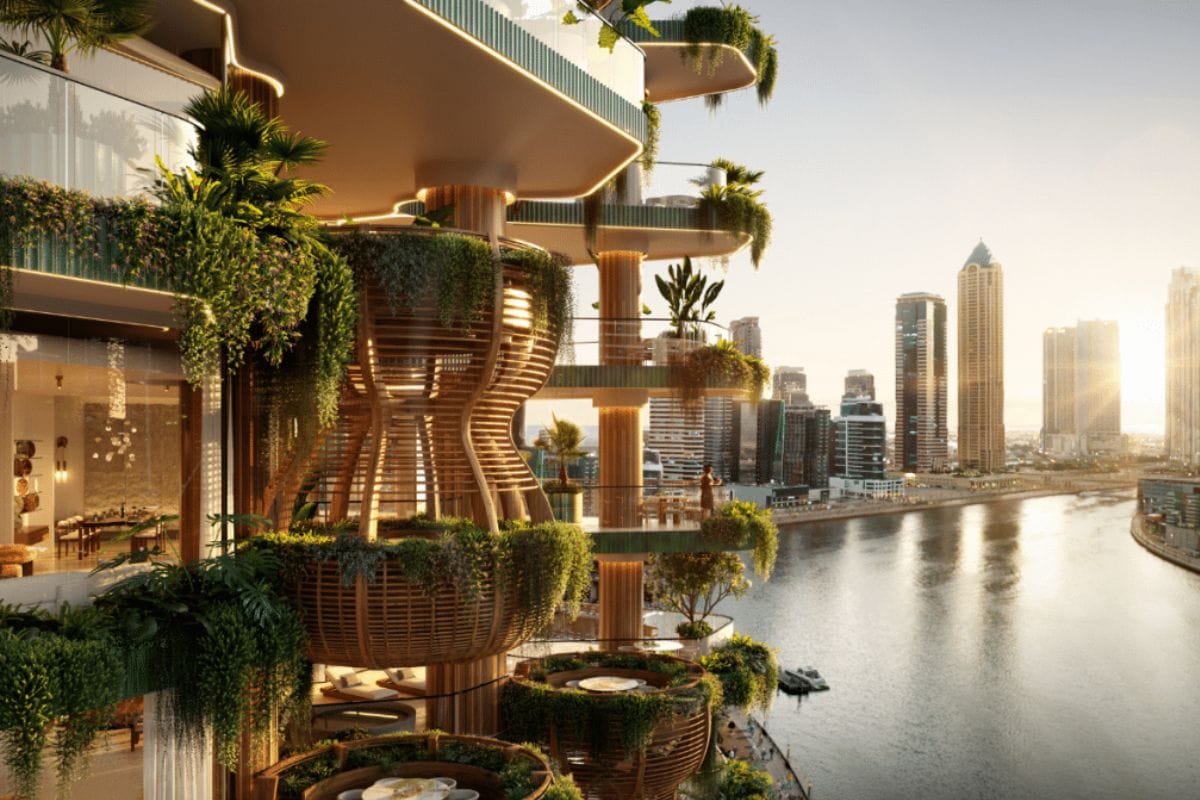
Eco-conscious development is no longer a niche; it's a core driver in 2025. Aligned with Dubai's Net Zero by 2050 goal, luxury projects now feature solar panels, energy-efficient systems and green certifications as standard. Think communities like The Sustainable City, where smart lighting and EV charging stations reduce carbon footprints while enhancing appeal. This shift attracts environmentally aware HNWIs who prioritize long-term value over short-term flash. As a result, sustainable properties are seeing faster sales and higher appreciation rates, proving that going green pays off in both ethics and economics.
Smart Homes and Technological Advancements

Technology is transforming luxury living, with AI and IoT integration turning homes into intuitive spaces. In 2025, features like automated security, voice-controlled environments and PropTech for virtual tours are commonplace. Dubai's Smart City initiative accelerates this, making properties more efficient and secure. For residents, it means seamless daily life; for investors, it boosts rental demand from tech-savvy expats. Emerging trends like AI-powered property management even auto-adjust portfolios based on market data, adding a layer of sophistication to ownership.
Off-Plan Properties Leading the Charge
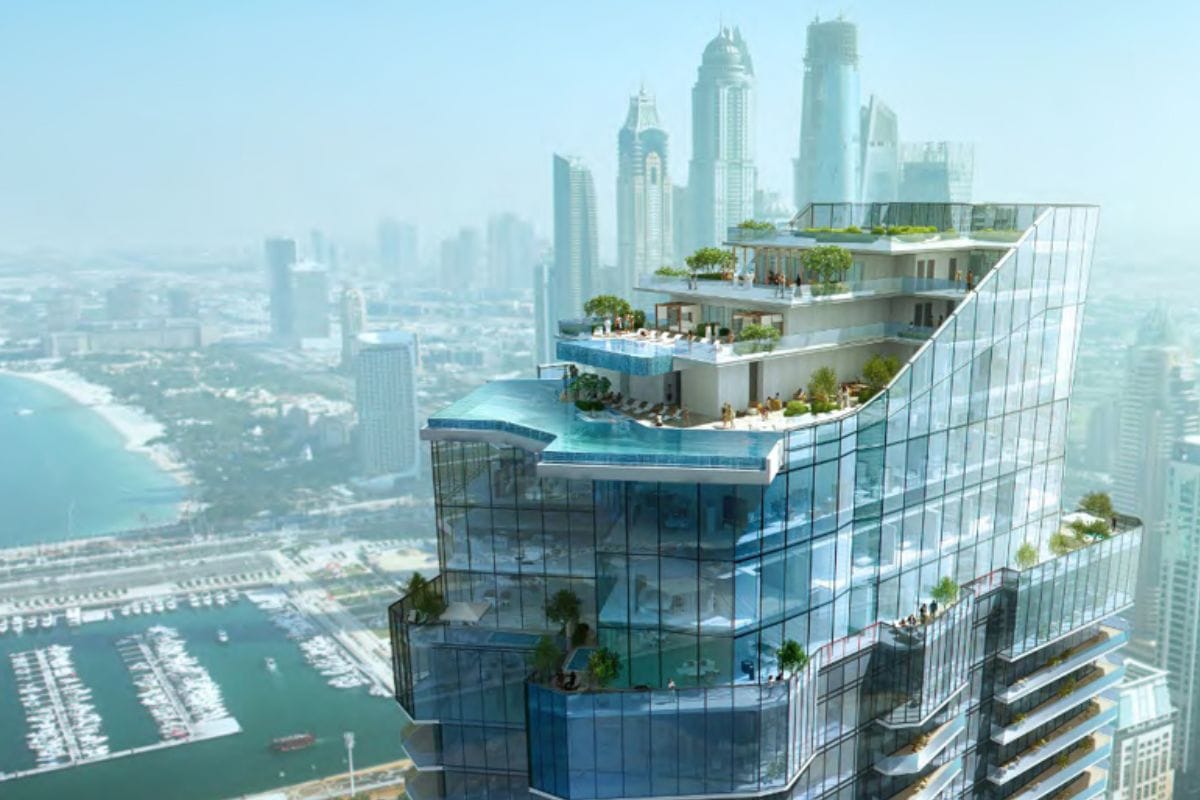
Off-plan sales continue to dominate, capturing 69 percent of transactions in Q1 2025 alone. Developers like Emaar and DAMAC entice buyers with payment plans spread over years and promises of 10 to 12 percent appreciation in prime spots. This approach suits investors eyeing quick flips or long holds, especially in master-planned areas like Dubai Creek Harbour. The appeal lies in lower entry prices and customization options, though buyers should vet developer track records to mitigate risks like delays.
Waterfront and Ultra-Luxury Demand
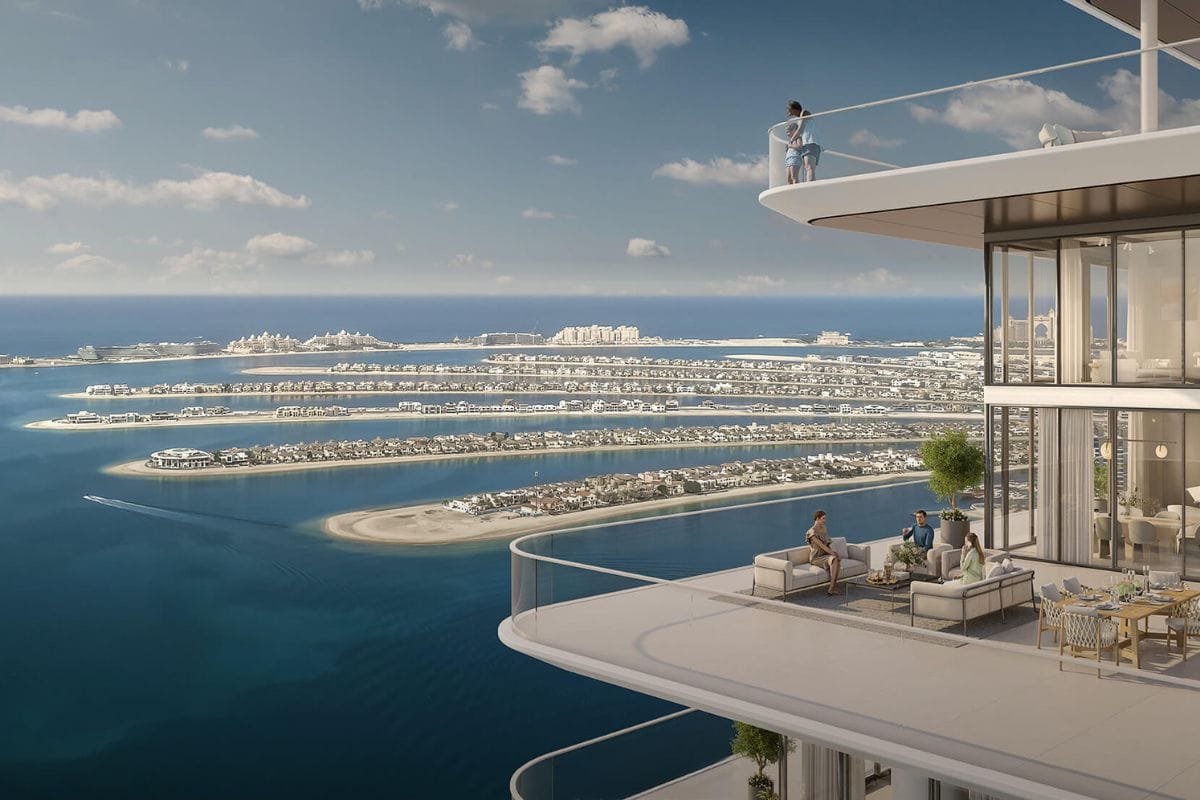
Waterfront properties remain eternal favorites, with areas like Emaar Beachfront and Palm Jebel Ali drawing crowds for their exclusivity and views. Ultra-luxury villas and penthouses here have seen prices soar 20 to 42 percent annually, fueled by limited supply and tourism growth. In 2025, expect more integrated communities blending residences with leisure, appealing to those seeking privacy and prestige. Short-term rentals in these spots yield strong returns, thanks to 18 million-plus visitors boosting demand.
Foreign Investment and Supportive Policies

Dubai's investor-friendly ecosystem is a major pull, with no taxes on income or capital gains and 100 percent foreign ownership. The Golden Visa has supercharged this, attracting Russians, Indians and Europeans amid geopolitical shifts. In Q1, foreign investment spiked, pushing the market to $63.5 billion in sales last year and beyond in 2025. Policies like the D33 Agenda aim to double real estate's GDP contribution by 2033, ensuring sustained growth.
The Rise of Tokenized Real Estate

Tokenization is reshaping Dubai's luxury real estate in 2025, offering a groundbreaking way to invest through blockchain technology. By digitizing properties into fractional shares, this approach allows investors to own a piece of high-end real estate without the hefty price tag of full ownership. Dubai's forward-thinking embrace of blockchain, backed by significant government support, is making this a reality, with platforms enabling seamless transactions for luxury properties. Investors can enter the market with smaller capital, enjoy potential yields of up to 15 percent, and benefit from instant trading capabilities. This fusion of cryptocurrency and traditional real estate appeals to global buyers, offering unmatched liquidity and security while opening the door to a broader range of investors seeking a stake in Dubai's booming market.
Also Read:
 Ummulkiram Pardawala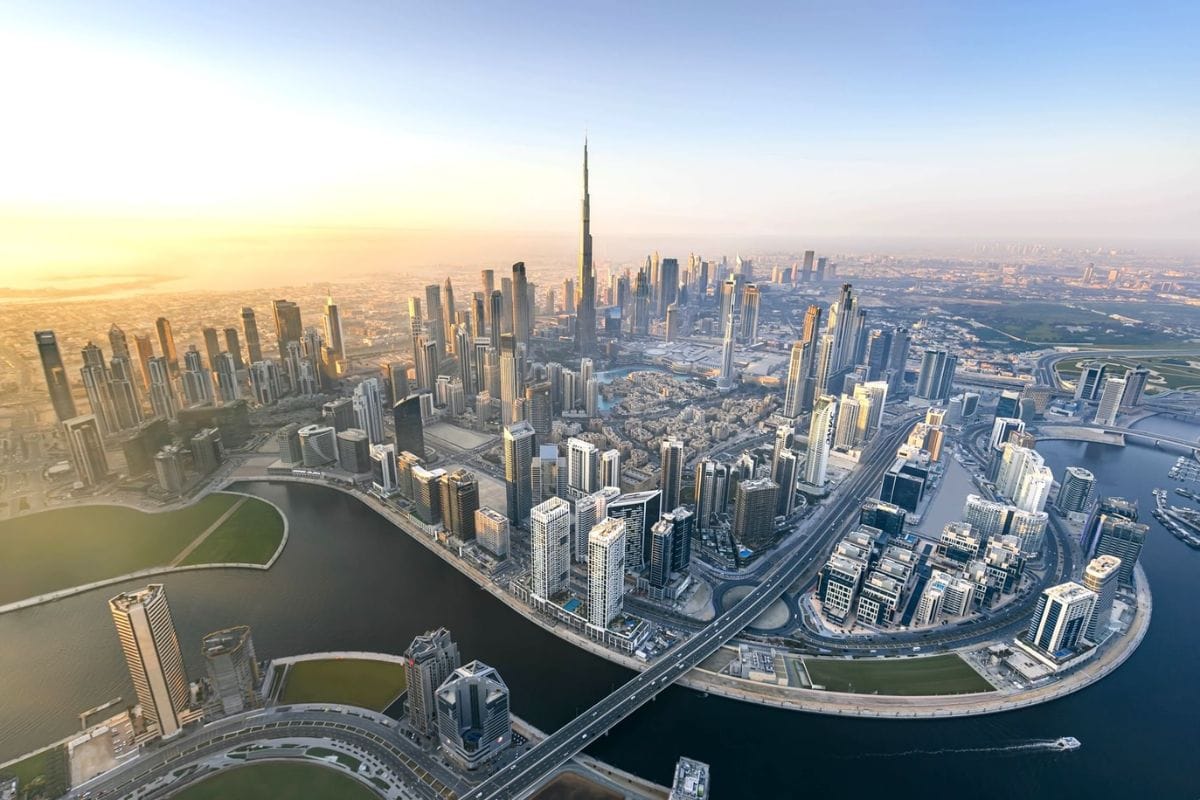
 Umema Arsiwala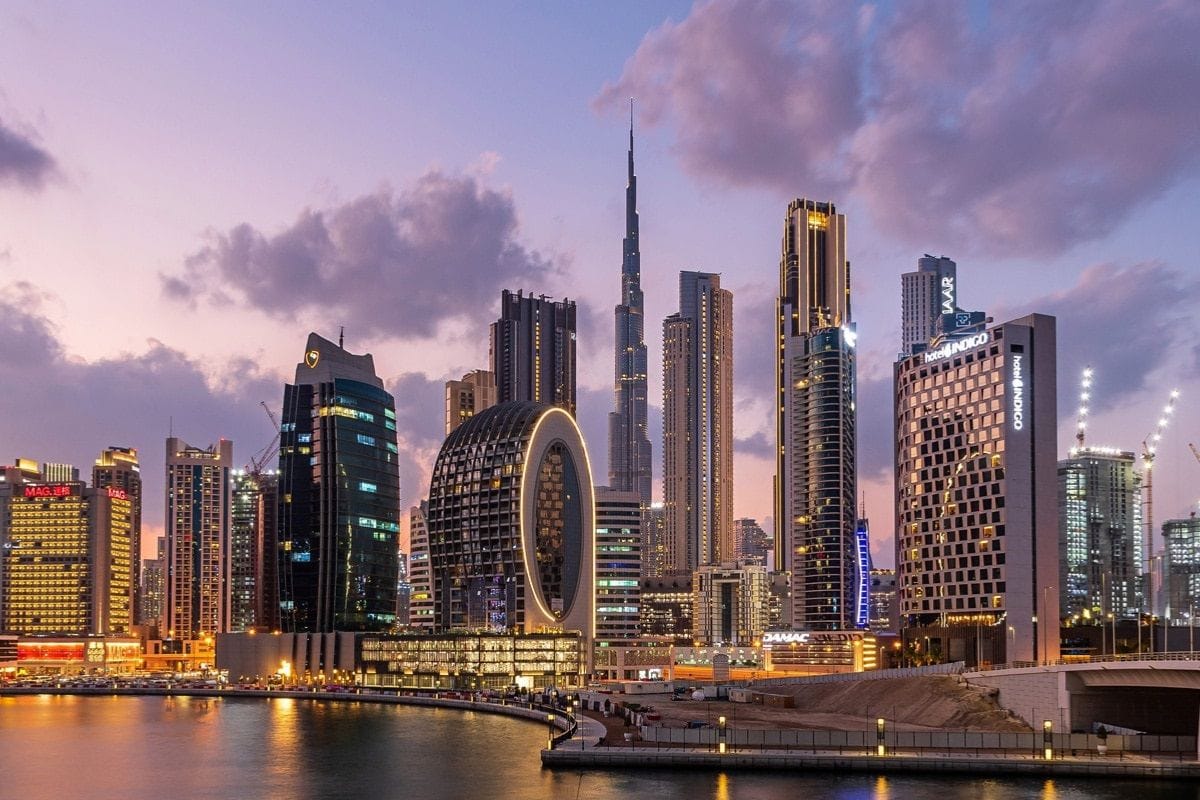
 Ummulkiram Pardawala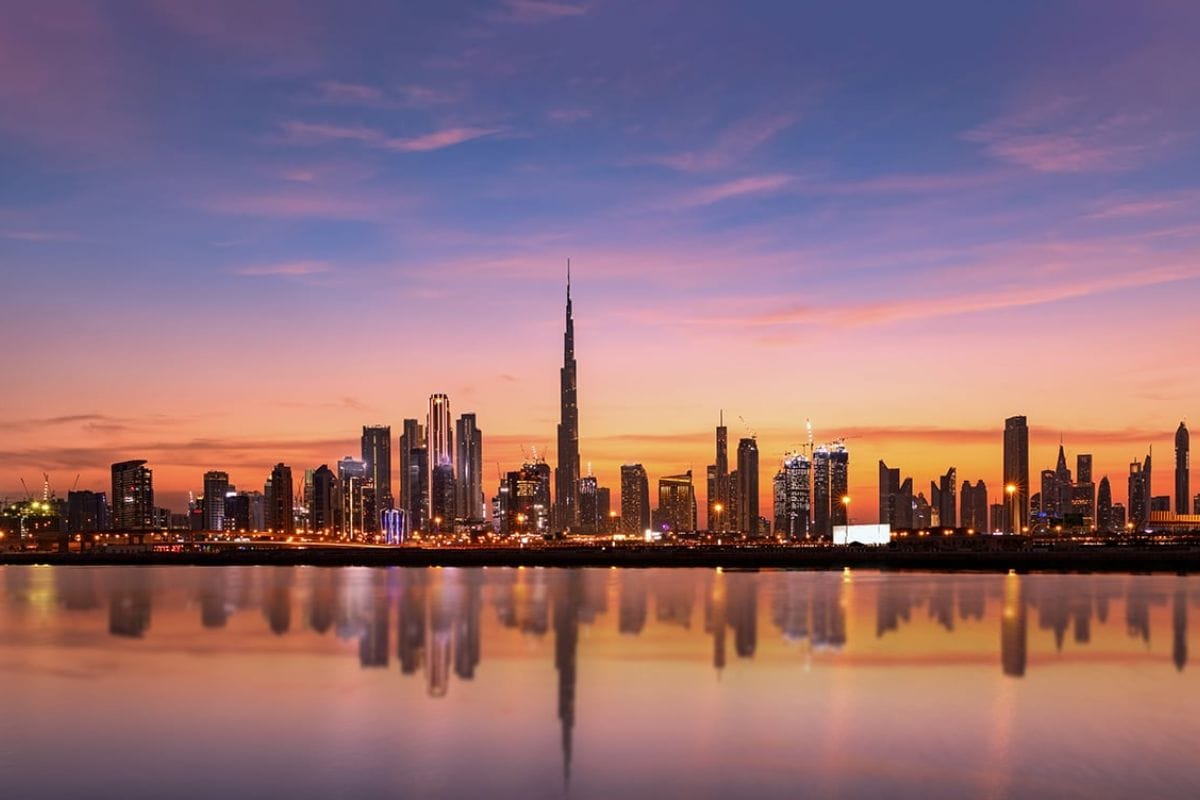
 Umema Arsiwala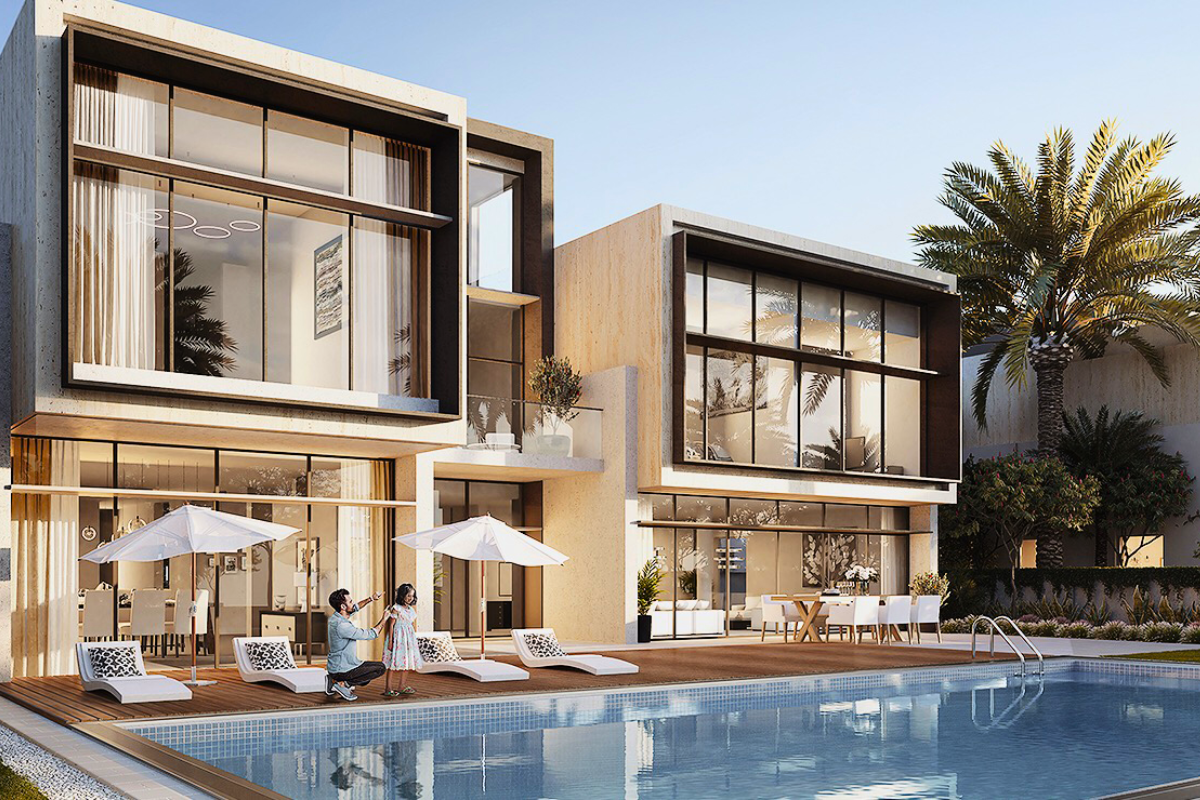
 Umema Arsiwala