While skeptics have been predicting its demise for years, email remains one of the most powerful conversion tools in the digital marketing arsenal. The difference in 2025 is that generic mass emails no longer work. With global email users approaching 4.6 billion and inboxes becoming increasingly curated, success demands precision over volume.
The modern subscriber has zero patience for irrelevant messages. They're bombarded with dozens of emails daily, making split-second decisions about what deserves attention and what gets deleted. This shift has forced marketers to evolve from spray-and-pray tactics to intelligent, targeted strategies that deliver genuine value. The brands winning in 2025 are those that treat email as a personalized conversation rather than a broadcast channel.
The stakes are clear: well-crafted welcome emails can achieve open rates of 63%, while personalized campaigns see click-through rates reaching 14.3%. Meanwhile, poorly executed emails contribute to the 50% bounce rates that plague marketers who ignore mobile optimization or overwhelm subscribers with irrelevant content. Success lies in understanding that email effectiveness now depends on respecting your audience's time, preferences, and privacy.
Hyper-Personalization: Beyond First Names
Remember when adding "[First Name]" to your subject line felt innovative? Those days are long gone. Hyper-personalization in 2025 leverages artificial intelligence to analyze real-time user data—purchase history, browsing behavior, engagement patterns, and preferences—to create emails uniquely tailored to each subscriber.
This isn't just about addressing someone by name. It's about understanding what they care about and delivering content that feels custom-made for them. When done right, hyper-personalization can boost click-through rates by up to 300%.
What hyper-personalization looks like in practice:
- Dynamic product recommendations based on browsing history and past purchases
- Subject line variations that match individual preferences and tone
- Behavior-triggered content that responds to specific actions or inactions
- Location-based customization addressing regional needs and preferences
- Real-time content updates reflecting current inventory or pricing
Consider how beauty brands now personalize product recommendations based on previous purchases and skin concerns. A customer who bought moisturizer for dry skin receives emails featuring hydrating serums and rich creams, not oil-control products. This relevance builds trust and significantly increases conversion likelihood.
Regional personalization matters too. A brand operating in both humid Mumbai and dry Delhi shouldn't send identical skincare advice to both locations. Monsoon-specific recommendations resonate in coastal cities while different concerns matter in drier climates.
Implementation requires robust customer data platforms and email service providers with AI capabilities. Tools like ActiveCampaign, Klaviyo, and similar platforms enable sophisticated personalization workflows that learn and adapt based on subscriber behavior.
Automation and Drip Campaigns: Working While You Sleep
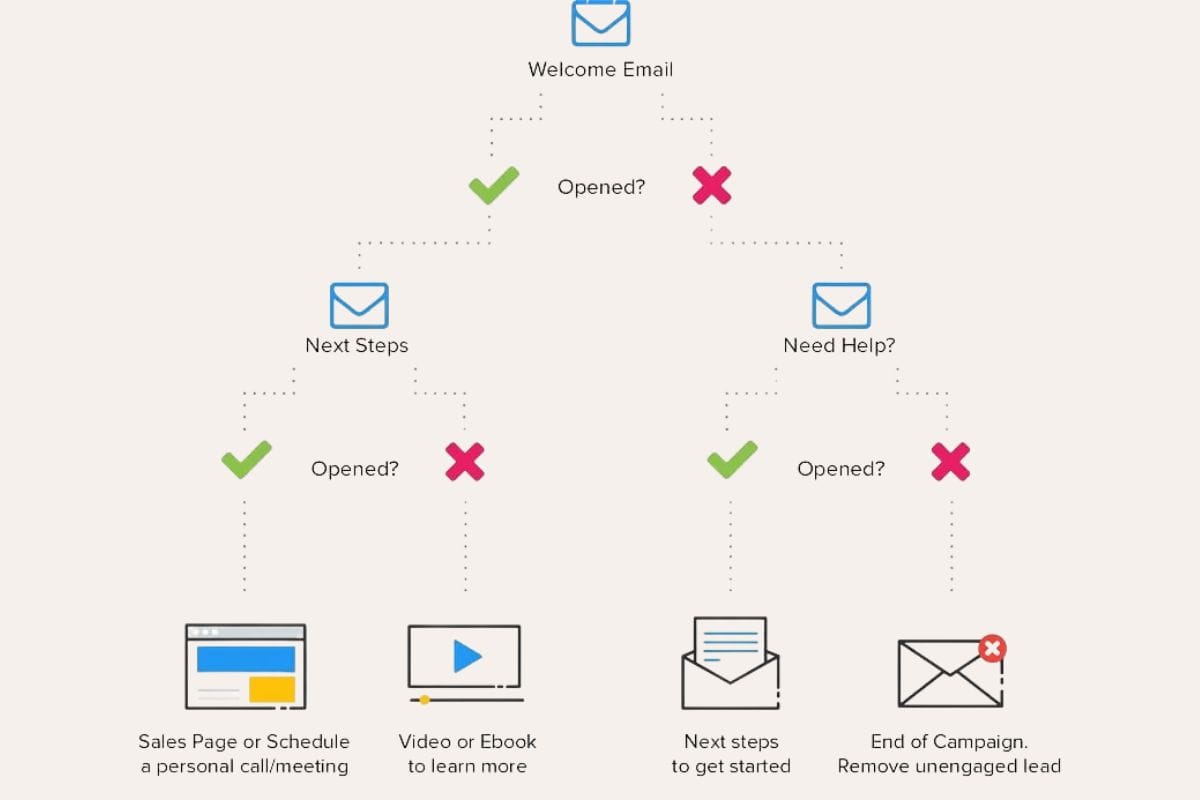
Automation has transformed email marketing from a labor-intensive manual process to a scalable, always-on conversion machine. Automated drip campaigns nurture leads through timed sequences triggered by specific actions or milestones, delivering the right message at precisely the right moment.
Essential automated sequences every business needs:
Welcome series – New subscribers are at their most engaged. Welcome sequences with open rates exceeding 50% capitalize on this initial interest by introducing your brand, setting expectations, and guiding early conversions.
Abandoned cart recovery – When shoppers add items but don't purchase, automated sequences re-engage them within hours. These emails recover significant revenue by removing objections and creating urgency.
Post-purchase follow-ups – After someone buys, automated emails can request reviews, provide usage tips, suggest complementary products, and build loyalty for repeat purchases.
Re-engagement campaigns – When subscribers go dormant, automated win-back sequences with special offers or compelling content can reactivate them before they're lost entirely.
Milestone celebrations – Birthdays, anniversaries, and loyalty milestones provide natural opportunities for personalized offers that feel celebratory rather than transactional.
The beauty of automation is scalability. Whether you have 500 subscribers or 500,000, these sequences run continuously, nurturing relationships without requiring constant manual intervention. However, effective automation still needs the human touch—conversational language, personality, and genuine value that prevents emails from feeling robotic.
Advanced Segmentation: Speaking to the Right People
Not all subscribers are the same, and treating them identically guarantees mediocre results. Advanced segmentation divides your email list into distinct groups based on demographics, behavior, customer lifetime value, engagement levels, and purchase patterns.
Powerful segmentation strategies:
Behavioral segmentation – Group subscribers based on actions: frequent purchasers, window shoppers, first-time buyers, repeat customers. Each group receives messaging matched to their relationship with your brand.
Demographic segmentation – Age, location, gender, and income level influence preferences and purchasing power. Tailor messaging and offers accordingly.
Customer lifetime value (CLV) – High-value customers deserve VIP treatment with exclusive offers and early access. Lower-value segments might receive different incentive structures.
Engagement level – Highly engaged subscribers tolerate more frequent emails and respond to different messaging than those who rarely open.
Purchase recency – Recent buyers need different content than those who purchased months ago or have never bought at all.
Geographic segmentation proves particularly valuable. Store-specific promotions, local event invitations, and region-appropriate product recommendations increase relevance and conversions.
The key to segmentation success is clean data. Regularly audit your email lists, remove inactive addresses, and update customer information to maintain accuracy. Quarterly data hygiene prevents deliverability issues and ensures segments remain meaningful.
Interactive Content: Engaging Beyond the Click
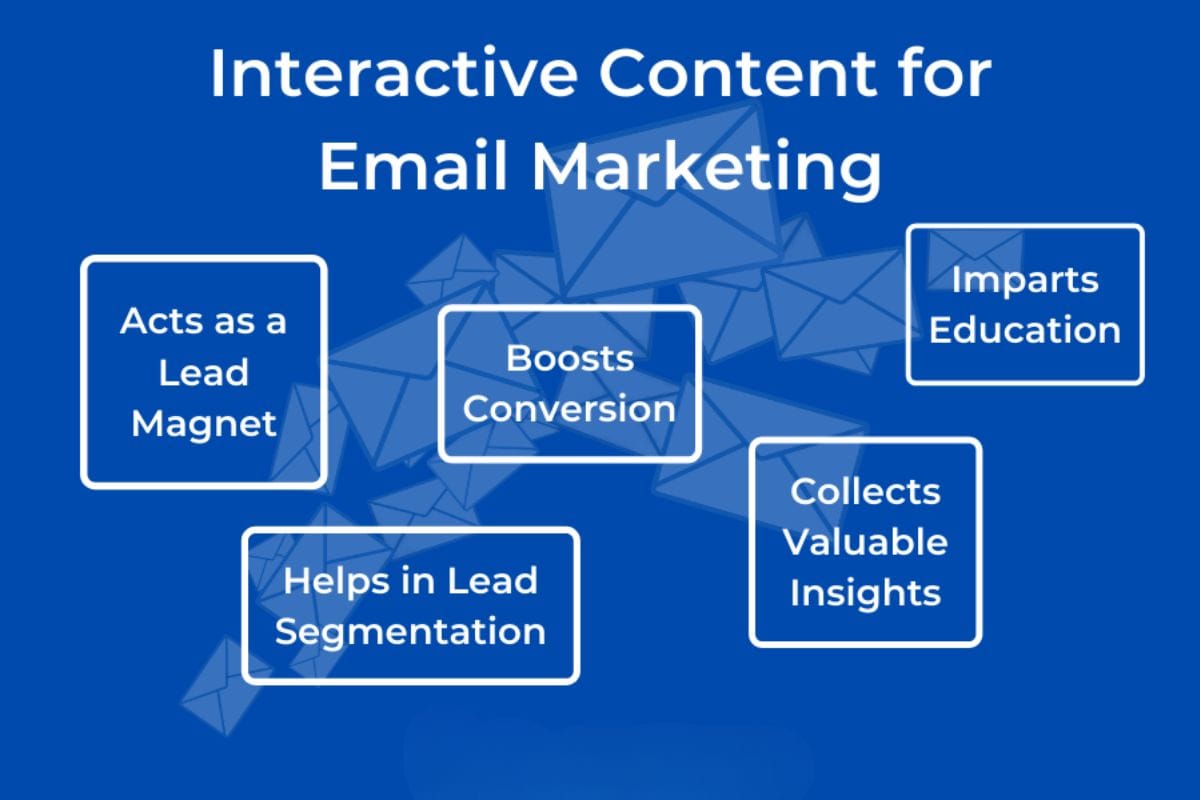
Static emails are giving way to interactive experiences that engage subscribers within the email itself, not just on landing pages. These dynamic elements boost engagement by making emails feel like experiences rather than messages.
Interactive elements driving conversions:
- Embedded polls and surveys that gather preferences while entertaining
- Product carousels allowing browsing without leaving the inbox
- Countdown timers creating urgency for limited offers
- Scratch-to-reveal elements making discounts feel game-like
- Embedded videos showcasing products or telling stories
- Accordion menus for scannable content organization
- Image hotspots making visuals clickable and explorable
Interactive emails can increase engagement by up to 200%, leading to more clicks, shares, and ultimately conversions. They transform passive reading into active participation, making your messages memorable in crowded inboxes.
However, interactivity requires careful implementation. Test across email clients to ensure functionality, and always provide fallback experiences for platforms that don't support interactive elements. Mobile optimization is critical since 60-70% of email opens happen on phones—interactive elements must work seamlessly on small screens or risk creating frustration.
Mobile-First Design: Meeting Subscribers Where They Are
With the majority of emails now opened on mobile devices, mobile-first design isn't optional—it's fundamental. Emails that look perfect on desktop but awkward on smartphones lose conversions instantly.
Mobile optimization essentials:
Short, compelling subject lines – Mobile displays fewer characters. Keep subject lines under 40 characters for full visibility.
Preheader text optimization – Use this preview text strategically to complement subject lines and entice opens.
Single-column layouts – These adapt naturally to narrow screens without complex rendering.
Large, tap-friendly buttons – Call-to-action buttons need adequate size and spacing for easy thumb tapping.
Concise copy – Mobile readers scan quickly. Front-load important information and trim unnecessary words.
Fast-loading images – Compress images to prevent slow loading on mobile networks.
Alt text for images – Many users disable automatic image loading. Alt text ensures your message still communicates.
Test every email on multiple devices before sending. What works on an iPhone might break on Android, and what displays properly in Gmail might fail in Outlook mobile. Consistent testing prevents costly mistakes.
Omnichannel Integration: Email Plus SMS
Email doesn't exist in isolation. The most effective conversion strategies integrate email with SMS, push notifications, and social media for cohesive customer journeys that guide purchases across channels.
How omnichannel enhances conversions:
SMS provides urgency for time-sensitive offers. An email introduces a sale; an SMS reminder before it ends recovers hesitant shoppers. This combination can boost cart completion rates by 18%.
Email tells stories; SMS creates immediate action. Use email for detailed product information and brand building, then SMS for flash sales and urgent updates.
Unified journeys feel seamless. A customer receives an email introducing a new collection, browses on mobile receiving personalized push notifications, and gets an SMS reminder about items left in their cart. Each touchpoint reinforces the others.
Multi-channel re-engagement reactivates lapsed customers more effectively than single-channel approaches. If someone ignores emails, an SMS or social media retargeting might break through.
The key is coordination, not bombardment. Channels should complement each other with consistent messaging and appropriate frequency, not compete for attention.
Storytelling and Human Connection
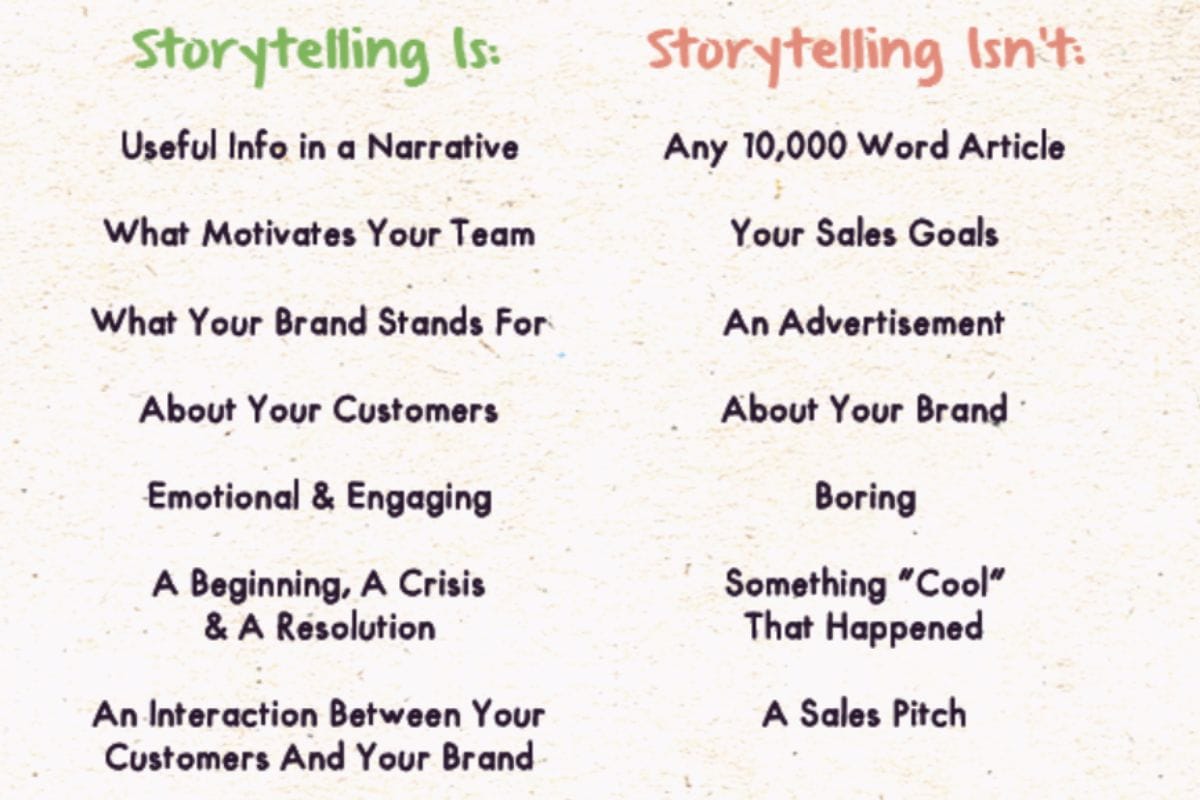
In an age of automation and AI, the human touch paradoxically becomes more valuable. Emails that tell genuine stories and build emotional connections stand out against generic promotional messages.
Storytelling approaches that convert:
Founder narratives – Share the why behind your business. Customers connect with purpose and passion.
Customer spotlights – Feature real customers using your products. Social proof through authentic stories builds trust.
Behind-the-scenes content – Show your team, process, or values. Transparency creates connection.
Problem-solution storytelling – Present customer challenges and demonstrate how your products provide solutions.
Seasonal or cultural narratives – Connect products to relevant moments, holidays, or cultural events in meaningful ways.
Storytelling reduces spam flags because engaging narratives encourage reading, clicking, and forwarding—all positive signals for email providers. More importantly, stories create emotional investment that pure promotional content can't match.
Balance is essential. Not every email needs to be a story, but incorporating narrative elements throughout your email program builds relationships that drive long-term conversions.
Data Hygiene and Compliance: The Foundation of Deliverability
The most brilliantly crafted email is worthless if it lands in spam or gets blocked entirely. Data hygiene and compliance form the foundation of effective email marketing.
Essential hygiene practices:
Regular list cleaning – Remove inactive subscribers quarterly. Engagement-based cleaning focuses efforts on responsive audiences and improves deliverability metrics.
Double opt-in processes – Confirm subscription intent to ensure quality lists and demonstrate compliance.
Clear unsubscribe options – Make opting out easy and obvious. Difficult unsubscribes lead to spam complaints that damage sender reputation.
Privacy compliance – Follow GDPR, local regulations, and platform requirements. Respect privacy to build trust and avoid penalties.
Permission-based marketing – Only email people who explicitly opted in. Purchased lists and scraped addresses destroy deliverability.
Spam trap monitoring – Clean data prevents hitting spam traps that tank sender reputation.
Clean data enables better segmentation and personalization. You can't effectively target subscribers if your data is outdated or inaccurate. Quarterly audits maintain list health and protect your sender reputation.
Testing and Optimization: Continuous Improvement
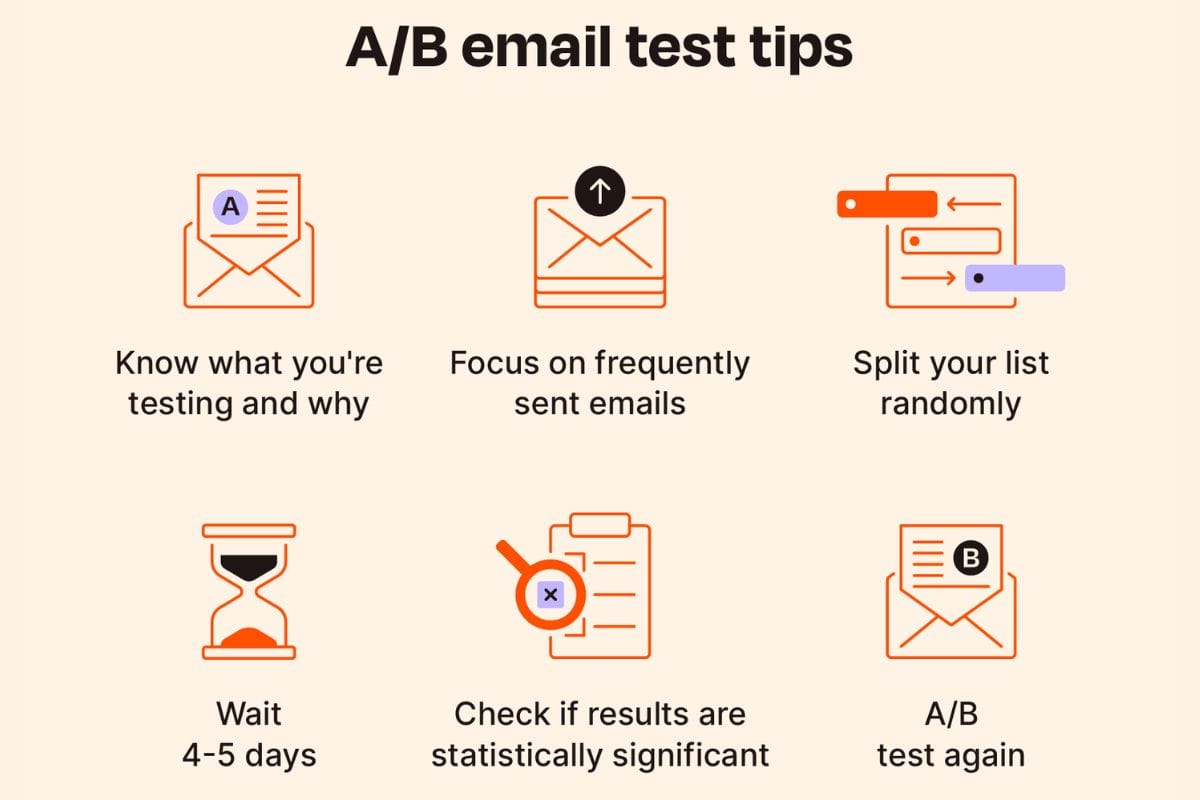
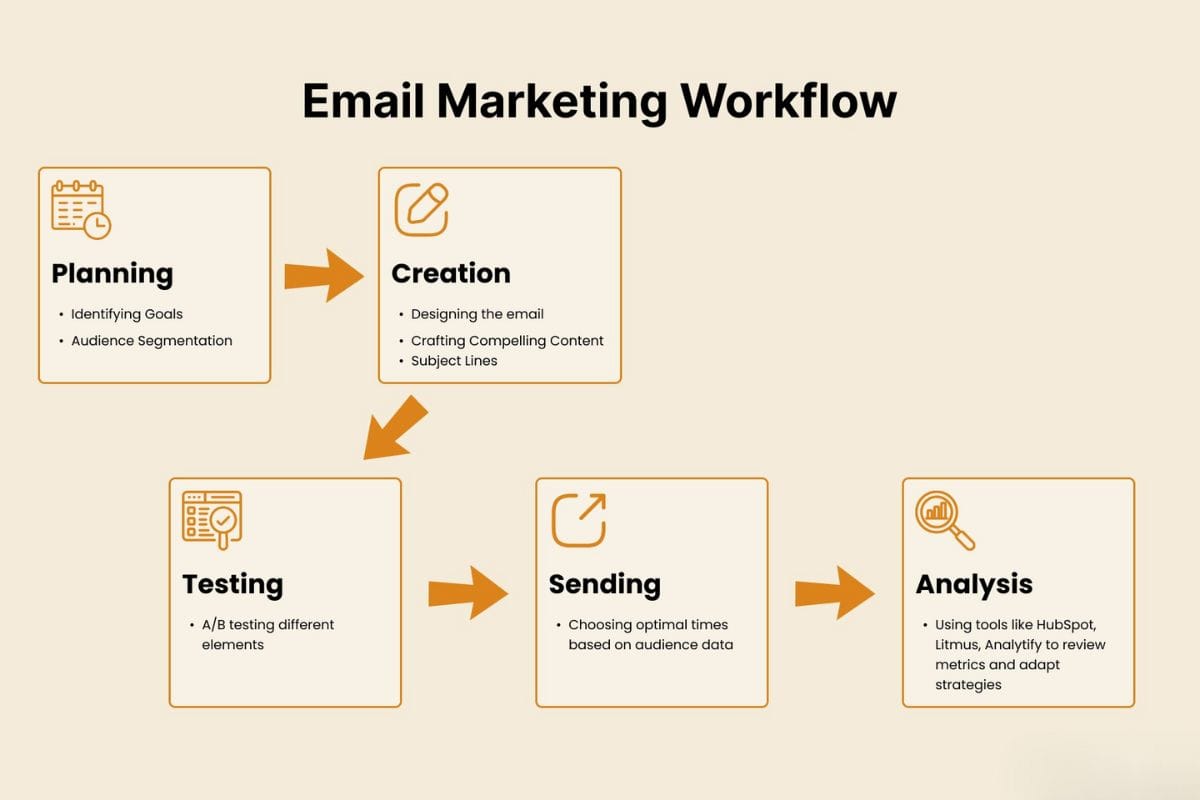
Email marketing demands constant refinement. A/B testing and performance analysis identify what works for your specific audience, enabling incremental improvements that compound over time.
What to test systematically:
- Subject lines and preheader text
- Send times and days
- From names (company vs. individual)
- Call-to-action copy and placement
- Email length and structure
- Personalization approaches
- Incentive types and amounts
- Visual design and layouts
A/B testing can yield 15% conversion uplifts from single changes. Test one variable at a time for clear insights, then implement winners and test new variations.
Monitor key metrics consistently: open rates, click-through rates, conversion rates, unsubscribe rates, and revenue per email. Track trends over time to identify patterns and opportunities.
Tools like Mailchimp, Klaviyo, and Brevo provide robust testing and analytics capabilities. Use them to understand not just what happened, but why, enabling smarter strategic decisions.
Email marketing in 2025 rewards sophistication, personalization, and genuine value. The strategies that convert—hyper-personalization through AI, intelligent automation, advanced segmentation, interactive content, mobile-first design, omnichannel integration, authentic storytelling, rigorous data hygiene, and continuous testing—all share a common thread: they respect the subscriber.
Gone are the days of batch-and-blast campaigns. Modern email marketing requires treating each subscriber as an individual with unique preferences, behaviors, and needs. The technology exists to deliver this personalization at scale, but it requires strategic thinking, quality data, and commitment to continuous improvement.
Start with the fundamentals: clean your list, segment your audience, and automate essential sequences. Then layer in sophistication through AI-powered personalization, interactive elements, and omnichannel coordination. Test relentlessly, analyze results, and refine based on what your specific audience responds to.
The inbox remains one of the most intimate digital spaces. Subscribers granted you access to that space—use it wisely. Deliver value consistently, respect their time and privacy, and build relationships that transcend individual transactions. That's how email marketing converts in 2025 and beyond.
Also Read:
 Umema Arsiwala
 Shahba Mayyeri
 Shahba Mayyeri
 HiDubai Newswire
 Umema Arsiwala