
A digital marketing budget is more than just a list of expenses—it’s a strategic plan that determines how your marketing funds will be spent to achieve the best possible results. It covers everything from paid ads and content creation to analytics tools, software subscriptions, and campaign testing. In today’s competitive environment, having a clear budget is not optional; it’s the backbone of efficient and measurable growth.
When a budget is planned well, it ensures that every dollar works toward a defined goal, whether that’s driving sales, generating leads, or building brand awareness. Businesses that take a structured approach to budgeting are able to track exactly where their money is going, identify which channels bring the best return, and reallocate funds to maximize performance. The result? A higher return on investment (ROI) and less wasted spend.
Research consistently shows the impact of this approach—email marketing can deliver up to $40 for every $1 spent, SEO can achieve returns of over 2,000%, and companies that actively measure ROI are significantly more likely to secure budget increases for future campaigns. Without a clear budget, however, businesses risk overspending on underperforming activities or missing out on opportunities with far greater potential.
In this article, we’ll explore the key factors to consider when creating a digital marketing budget, helping you make smarter spending decisions that boost both efficiency and results.
Start with Overall Business Financials
A strong digital marketing budget starts with a clear picture of your finances. Before deciding where to spend, you need to know how much you can spend. That means calculating your total annual revenue—or, if you’re a new business, making a realistic projection for the year ahead.
Once you have that figure, the next step is deciding what portion will go toward marketing. For most companies, this typically falls between 5% and 15% of total revenue, but the exact number depends on your growth goals, business model, and industry.
B2B companies tend to spend on the lower end, often 2%–5%, because their audience is more targeted. B2C companies, with their need to reach a broader consumer base, usually invest 5%–10%. Some sectors go far higher—consumer goods brands may dedicate over 20% of revenue to marketing, while industries like healthcare or software often stay around 7–10%.
It’s not just about matching an industry benchmark; it’s about matching your ambition. If you’re in a steady, low-growth phase, 6–8% might be enough to maintain momentum. For moderate growth, 9–12% can help you expand steadily. But if you’re launching a new product, entering a competitive market, or aiming for rapid scale, pushing past 13% could give you the visibility you need.
Think of this stage as setting the outer limits of your budget. Once those boundaries are in place, you can decide how to divide it across campaigns, channels, and opportunities. And don’t forget to leave room for the unexpected—sometimes a trend, partnership, or seasonal event can be worth a last-minute investment.
How much of your revenue could you confidently invest in marketing if you knew it would deliver a strong return? That’s the mindset to carry forward as you build the rest of your budget.
Define Clear Marketing Goals
Before you decide how much to spend, you need to know exactly what you’re aiming for. A budget works best when it’s tied to specific, measurable goals rather than broad ambitions like “get more customers” or “boost awareness.”
Think in terms of clear outcomes:
- Increasing sales by a set percentage within a defined time.
- Generating a specific number of qualified leads each quarter.
- Improving website conversion rates by a measurable margin.
When your objectives are precise, they not only guide where the money goes but also make it easier to justify the spend. Stakeholders are far more likely to approve a budget when they can see a direct link between investment and expected results.
Your budget should also match the scale of your goals. Steady growth might require 7–10% of annual revenue, while a major product launch or market expansion could demand 12–20% or more. The higher the target, the more resources you’ll need to give it the best chance of success.
In short, let your goals set the tone for your budget. If you know exactly what you want to achieve and how you’ll measure it, every dollar you spend becomes a step toward a defined outcome rather than a shot in the dark.
Analyse Past Spending & Performance

A smart budget doesn’t start from scratch every year—it builds on what you’ve learned before. Reviewing last year’s marketing costs and results gives you a clear picture of what’s working, what’s wasting money, and where your budget will have the most impact.
Start by breaking down your previous spend by channel—paid search, social media ads, SEO, content marketing, email campaigns, influencer partnerships, and so on. Compare each channel’s cost to the results it delivered. This means looking at hard metrics like return on ad spend (ROAS), cost per acquisition (CPA), and conversion rates, not just impressions or clicks.
Industry research shows that businesses tracking ROI across channels are far more likely to increase performance year over year. For example:
- Paid search often delivers a high ROAS, averaging around $2 for every $1 spent in competitive industries, but this varies widely depending on targeting and bidding strategy.
- Email marketing continues to be one of the most cost-effective channels, with average returns reaching $36–$40 for every $1 spent.
- Social media ROI is more variable—some campaigns thrive with low-cost reach, while others underperform if content doesn’t resonate with the audience.
By identifying which channels drove the highest returns, you can prioritise them in your new budget. Equally important is spotting underperforming areas. If a platform consistently delivers low ROI despite adequate testing, it may be time to scale back or reallocate those funds.
This process turns your budget from guesswork into a performance-driven plan. It ensures that each allocation is backed by evidence, increasing efficiency and giving you a stronger case when presenting the budget to decision-makers.
If last year’s numbers don’t guide this year’s spending, how will you know you’re putting your money in the right place?
Break Down the Budget by Channel
Once you know your total marketing budget, decide how much to allocate to each channel based on where your audience spends time and the cost of getting results there.
- SEO – Ideal for long-term visibility. Many businesses dedicate 20–40% of their marketing budget to SEO and content creation to build sustainable traffic.
- PPC / Paid Ads – Delivers instant reach and conversions. The budget here can vary depending on campaign goals, keyword competition, and seasonal demand.
- Social Media Ads – Great for targeted reach and brand awareness. Spending often grows in platforms where your audience is most active.
- Email Marketing – Highly cost-effective, often offering the highest ROI. It typically requires a smaller share of the budget but delivers consistent returns.
- Content Marketing – Supports both SEO and social strategies. Quality content can take up 20–40% of the budget for long-term engagement.
Fixed vs. Variable Spend
- Fixed costs: Tools, software subscriptions, and agency retainers that remain constant each month.
- Variable costs: Flexible spending like ad bids, influencer fees, and content production that can be increased or reduced depending on performance.
Balancing fixed and variable costs gives you stability while leaving room to adjust based on what’s working best.
Account for Fixed vs. Variable Costs
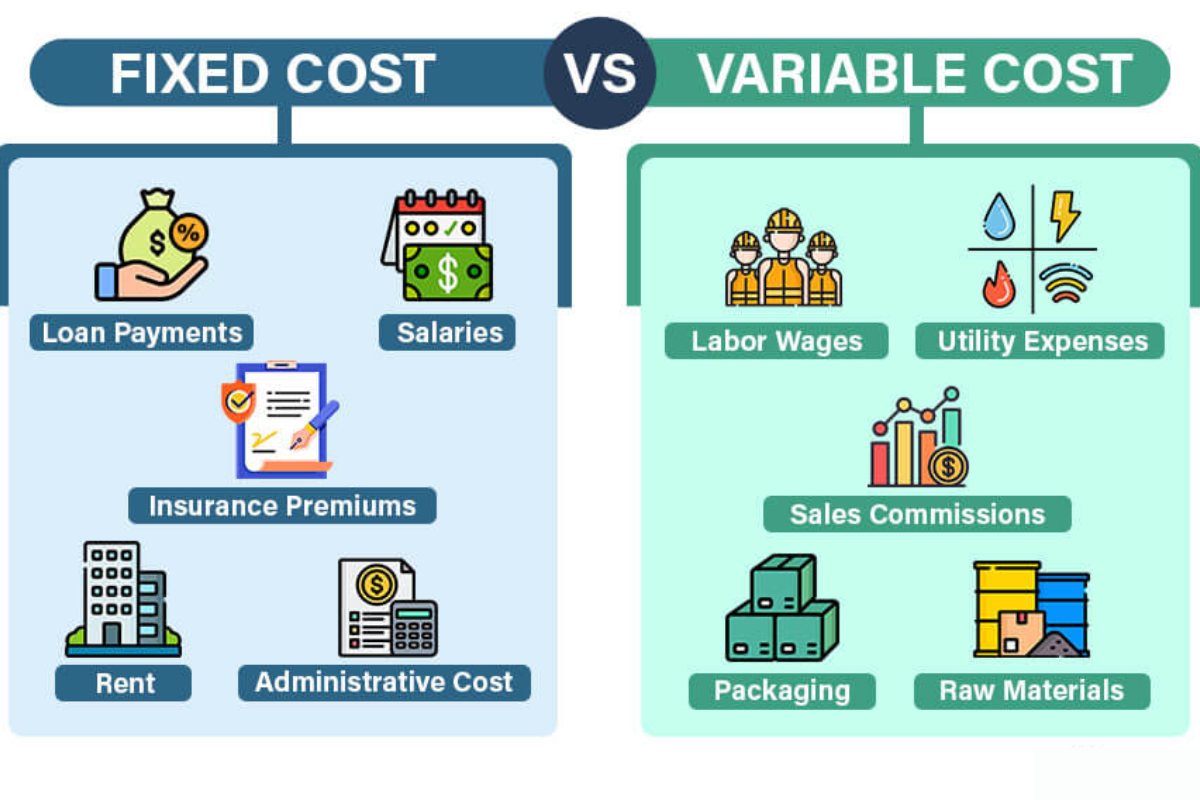
When planning your digital marketing budget, it’s important to separate fixed costs from variable costs. This helps you understand which expenses are constant and which can be adjusted as needed.
Fixed Costs
These are regular, predictable expenses that stay the same each month.
- Subscriptions for tools and software
- Agency retainers or long-term service contracts
- Salaries for in-house marketing staff
Variable Costs
These change depending on how much marketing activity you’re running.
- Ad spend for PPC, social media, or display campaigns
- Content creation, such as videos, blog posts, and graphics
- Influencer partnerships or performance-based marketing fees
Fixed costs give your budget stability, while variable costs give you flexibility. By knowing the difference, you can keep essential operations running while adjusting campaign spending based on performance and opportunity.
Include All Hidden or Overlooked Costs
Even with a well-structured budget, important expenses often slip through the cracks. Make sure to account for these critical—but sometimes invisible—cost areas:
- Campaign Testing
A/B tests, pilot campaigns, and performance experiments may require budget reserves. These early trials help identify what works before you fully invest. - Tracking & Analytics Tools
Platforms for tracking ads, attribution, and performance can quietly add up. Even modest subscriptions can become significant over time, especially if they're underutilized. - Creative Production
Costs for content creation—like graphics, videos, copywriting, or photography—can be expensive and are often underestimated. Quality content is the backbone of effective campaigns. - Training & Upskilling
Marketing tools and strategies evolve fast. Investing in training, certifications, or coaching ensures your team can keep pace—and often brings stronger ROI over time. - Ad Fraud & Inefficiency
Without safeguards, ad budgets can get drained by fake clicks or inefficient targeting. Protecting against click fraud and wasted impressions is a smart line item in your budget. - Workflow Bottlenecks & Delays
Slow approvals or inefficient processes can push campaigns beyond deadlines, costing more, especially when media rates increase for late bookings or missed schedule windows.
Including these often-forgotten expenses prevents surprise overruns and ensures your budget reflects the full cost of running effective digital marketing, setting you up for smoother execution and better results.
Factor in Seasonal and Campaign-Based Spending
Marketing needs often change throughout the year, and your budget should reflect those shifts.
- Plan for Seasonal Peaks
Events like Ramadan, Black Friday, holiday sales, or industry-specific peak periods often require higher ad spend, more content, and faster turnaround times. Allocate extra budget for these periods in advance so you can compete effectively when demand is high. - Reserve Flexible Funds
Keep a portion of your budget—around 5–10%—as a reserve for real-time opportunities, such as trending topics, viral content, or sudden market changes. This flexibility allows you to respond quickly without disrupting planned campaigns. - Match Spend to Revenue Potential
Prioritize high-budget periods where customer activity and conversion potential are strongest, ensuring that increased spend directly supports higher returns.
Decide on Budget Allocation Methods
Choosing the right way to divide your marketing budget ensures your spending is strategic and justified. The most common methods are:
- Percentage of Revenue Method
Allocate a fixed percentage of annual revenue—commonly 5–15% depending on industry, business size, and growth goals. Simple to apply, but less flexible for changing market conditions. - Objective-and-Task Method
Set marketing goals first, list the tasks needed to achieve them, then calculate the total cost. This approach ensures your budget is directly tied to measurable outcomes and avoids guesswork. - Competitor Benchmark Method
Research what similar businesses in your industry spend on marketing and use it as a guide. Useful for staying competitive, but it should be adapted to your own goals and capabilities.
Build a Contingency Fund
No matter how carefully you plan, unexpected situations will arise—new trends, sudden market changes, or last-minute campaign opportunities. To stay agile, set aside 5–10% of your total marketing budget as a contingency.
This reserve allows you to act quickly without pulling funds from planned campaigns. It’s especially valuable for responding to viral moments, competitor moves, or platform changes that could impact your visibility.
A well-managed contingency fund ensures you’re prepared for both risks and opportunities without disrupting your overall strategy.
Track, Measure, and Adjust
Creating a digital marketing budget is only the first step—its real value comes from monitoring how every dirham or dollar is performing. Without regular tracking, even the best-planned budget can slowly leak money into underperforming activities.
Key Metrics to Monitor
- ROAS (Return on Ad Spend)
Measures how much revenue you earn for every unit of currency spent on ads. For example, a ROAS of 5:1 means you earn five times what you spend. Higher ROAS indicates more efficient ad spend. - CAC (Customer Acquisition Cost)
Calculates the total cost of acquiring a single customer, including ad spend, marketing tools, and creative costs. Keeping CAC low while maintaining quality customers is a sign of strong budget management. - Cost per Conversion
Tracks the cost of achieving a desired action, such as a purchase, form submission, or sign-up. This metric helps compare performance across different campaigns and platforms. - CLV (Customer Lifetime Value) (optional but valuable)
Estimates the total revenue a customer brings over their relationship with your brand. Comparing CLV to CAC helps determine if your acquisition spend is sustainable.
Optimising in Real Time
- Review campaign data weekly or monthly to catch underperforming ads or channels early.
- Reduce or pause spending on channels that fail to meet KPI targets.
- Reallocate that budget to campaigns showing strong performance to maximise returns.
- Use A/B testing to validate changes before making large-scale budget shifts.
By making tracking and adjustment a regular habit, you ensure your budget stays agile, focused on activities that deliver the highest impact. This approach transforms your marketing spend from a fixed plan into a dynamic growth tool.
Presenting & Justifying the Budget
Once your budget is set, it needs to be clearly communicated to decision-makers—whether that’s your management team, investors, or department heads. The way you present it can determine how quickly it’s approved and how much confidence stakeholders have in your plan.
Create a Clear, Itemized Budget Sheet
Break down the budget into categories such as ad spend, content creation, tools, staffing, and contingency funds. Show both fixed costs (predictable monthly expenses) and variable costs (campaign-based or seasonal spend) so stakeholders see exactly where the money will go.
Show Projected ROI
Link each major expense to expected results using metrics like ROAS, CAC, or lead volume. For example, if you’re proposing $20,000 for PPC, outline the expected impressions, clicks, conversions, and revenue this spend will generate. This helps stakeholders connect budget numbers to tangible business outcomes.
Scenario Planning
Prepare three versions of the budget:
- Minimum – Covers essential marketing activities only.
- Expected – Balanced plan aligned with normal growth targets.
- Stretch – Higher investment designed for aggressive expansion or capturing new opportunities.
By showing these options, you give decision-makers flexibility and demonstrate that your plan is adaptable to different financial realities.
A well-presented budget is more than numbers—it’s a business case. When stakeholders can clearly see where the money is going, what it will achieve, and how you’ll adapt to changing conditions, they’re far more likely to approve and support your plan
A digital marketing budget is most powerful when treated as a living framework—one that evolves alongside market shifts, consumer behaviour, and business priorities. The most successful marketers use their budget as both a guide and a decision-making tool, allowing them to invest confidently, adapt quickly, and seize opportunities the moment they appear.
By approaching budgeting as an ongoing process, you position your marketing not as a cost centre, but as a growth engine—one that can scale, refine, and outperform with every cycle.
Also read:
 Umema Arsiwala
 Umema Arsiwala
 Ummulkiram Pardawala