
Dubai's healthcare system operates fundamentally differently from what many expatriates experience in their home countries. Understanding how health insurance actually works in the emirate is essential for every expat, as it affects everything from visa renewal to access to medical care.
This guide explains the practical realities of Dubai's mandatory insurance system, what coverage you can expect, and how to navigate the system effectively.
The Mandatory Insurance Reality
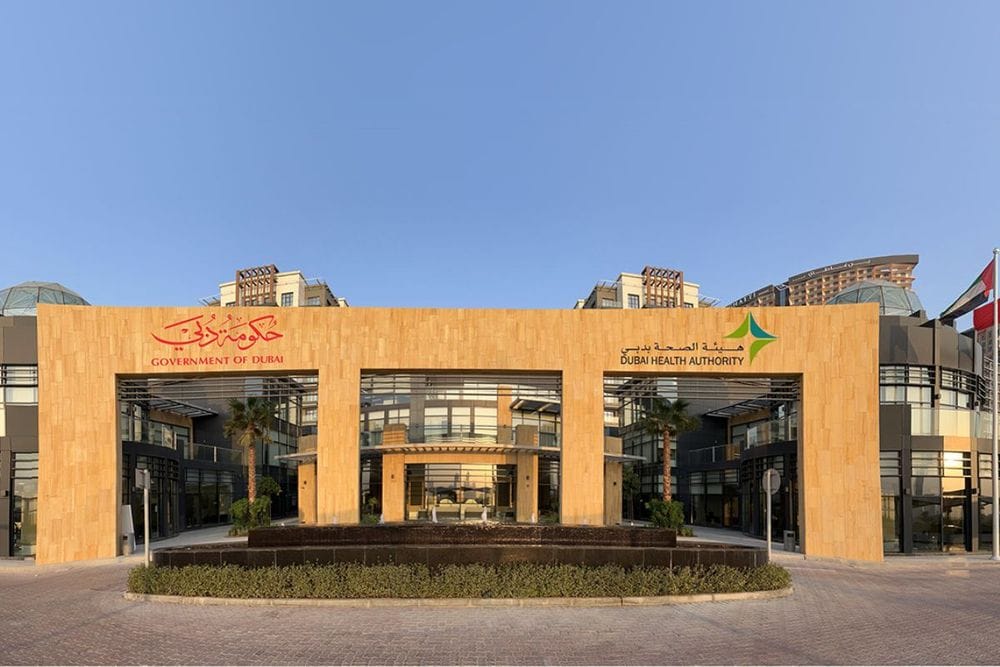
Health insurance in Dubai isn't optional; it's a legal requirement enforced through visa and residency processes. Under Dubai Health Insurance Law No. 11 of 2013, every resident must maintain active health insurance coverage. By 2026, this mandate is enforced through sophisticated digital systems that link the Dubai Health Authority (DHA) with the General Directorate of Residency and Foreigners Affairs (GDRFA).
If your insurance policy expires without renewal, the system automatically triggers daily fines. Any attempt to renew your residence visa or Emirates ID is electronically blocked until coverage is reinstated. This automated enforcement ensures compliance and protects the healthcare system from unpaid medical bills.
Who Pays for Your Insurance?
For salaried expatriates, your employer is legally obligated to provide health insurance coverage. Critically, employers are strictly prohibited from deducting premium costs from your salary or reducing your compensation to offset insurance expenses. The cost must be absorbed by the company as part of employment obligations.
For other resident categories, responsibility differs:
- Dependents (spouse/children): Sponsored by the head of household (typically the working parent)
- Golden Visa holders: Must provide their own insurance with minimum AED 1 million coverage
- Freelancers and investors: Self-insured with minimum Essential Benefits Plan (EBP) coverage
- Domestic workers: Sponsored by their employer
Non-compliance carries penalties ranging from AED 500 to AED 150,000 per violation, plus blocked work permits and visa renewals.
Understanding the Essential Benefits Plan (EBP)
For many expatriates, particularly those earning AED 4,000 monthly or less, the Essential Benefits Plan represents their primary healthcare access. The EBP is a government-standardized package that all insurers must offer, providing basic coverage at controlled costs.
What the EBP Covers
The EBP provides comprehensive basic coverage with specific cost-sharing structures:
Annual coverage limit: AED 150,000—the maximum amount the insurer pays per policy year
Outpatient visits: 25% co-payment, capped at AED 100 per visit for GP and specialist consultations
Inpatient care: 20% co-insurance, capped at AED 500 per visit and AED 1,000 annually. After reaching the annual cap, the insurer covers 100% of costs
Pharmacy: 30% co-payment on medications, limited to AED 1,500 annually
Maternity: Basic coverage of AED 10,000 for normal delivery (often requires supplemental coverage for private hospitals)
Pre-existing conditions: Six-month waiting period if you had no prior coverage
Premium cost: Typically, AED 500-850 annually depending on age and medical profile
The Network Limitation
The EBP's primary constraint is its restricted provider network. Patients typically access government hospitals and select private clinics within "DubaiCare" or "ECARE Blue" networks. For treatment at premium facilities like American Hospital, Mediclinic, or Saudi German Hospital, upgrading to a mid-tier or comprehensive plan is necessary.
The Three-Tier Insurance Market

Beyond the mandatory EBP, Dubai's insurance market segments into distinct tiers based on coverage limits and provider networks.
Mid-Tier (Standard) Plans
These plans are most popular among mid-level professionals and families, offering:
- Annual limits: AED 250,000 to AED 1,000,000
- Premium costs: AED 2,000-5,000 annually
- Network access: Broader range including Aster, NMC, Zulekha, and mid-range private hospitals
- Key benefit: Often eliminates GP referral requirements, allowing direct specialist appointments
Comprehensive and Premium Plans
Targeting senior executives, high-net-worth individuals, and Golden Visa holders:
- Annual limits: AED 1,000,000 to AED 5,000,000 (sometimes unlimited)
- Premium costs: AED 5,000-40,000+ annually
- Network: Worldwide coverage with top-tier private hospitals
- Additional benefits: Private hospital suites, extensive dental/optical coverage, no network restrictions
Most expatriates negotiate their insurance tier as part of employment packages. Understanding which tier your employer offers helps set realistic expectations for healthcare access.
How Out-of-Pocket Costs Actually Work
Understanding co-payments and out-of-pocket maximums is crucial for budgeting healthcare expenses.
The Out-of-Pocket Cap Protection
A critical 2026 regulatory protection is the annual out-of-pocket (OOP) maximum. For EBP plans, once you've paid AED 1,500 in co-payments within a policy year (covering consultations, medicines, and labs), your insurance must cover 100% of all subsequent medically necessary services.
Enhanced plans typically have OOP caps ranging from AED 3,000-5,000. This safety net is particularly important for managing chronic conditions like diabetes, where monthly specialist visits and medications would otherwise create significant financial burden.
Direct Billing vs. Reimbursement
Most Dubai healthcare operates through "cashless" direct billing. You present your Emirates ID (which serves as your health card), pay the required co-payment, and the hospital bills your insurer directly.
However, costs arise that many expats don't anticipate:
- File opening fees: AED 100-300 charged by private hospitals, rarely covered by insurance
- Out-of-network treatment: Requires 100% upfront payment, then claim submission for partial reimbursement (7-21 working days processing)
- Non-covered services: Cosmetic procedures, alternative medicine, some dental work
Typical Costs for Common Services
Understanding approximate costs helps with financial planning:
With insurance (co-payment):
- GP consultation: AED 20-50
- Specialist visit: AED 50-100
- Emergency room: AED 100-300
- MRI/advanced imaging: 10-20% of total cost
Without insurance (full cost):
- GP consultation: AED 150-500
- Specialist visit: AED 300-1,500
- Emergency room: AED 1,000-3,000+
- MRI/advanced imaging: AED 2,000-5,000
Special Programs: Basmah Cancer Coverage
Dubai distinguishes itself through the Basmah initiative, addressing a critical gap in basic insurance coverage. Every health insurance policy includes mandatory contributions of AED 19 for cancer coverage and AED 18 for Hepatitis C.
When an expatriate on a basic plan is diagnosed with covered cancers (breast, colorectal, cervical, and as of 2026, lung cancer), the Basmah fund activates once their initial insurance limit is exhausted. This provides essentially unlimited coverage for treatment at the Cancer Centre of Excellence at Dubai Hospital.
This program prevents the financial catastrophe and forced repatriation that previously occurred when cancer treatment costs exceeded basic policy limits of AED 150,000.
Digital Integration: Nabidh and Your Medical Records
The 2026 healthcare experience is defined by digital integration through "Nabidh," the emirate-wide Health Information Exchange linking all public and private hospitals in Dubai.
What This Means for You
When you sign a medical declaration for new insurance, fine print often authorizes the insurer to access your Nabidh record. This means non-disclosure of pre-existing conditions is virtually impossible. Insurers can see:
- Every specialist visit over the past five years
- All lab results and diagnoses
- Pharmacy prescriptions
- Previous surgical procedures
Expatriates who "forget" to disclose conditions like hypertension or past surgeries face immediate claim rejections when insurers compare applications against Nabidh timelines.
Pre-Authorization Speed
Dubai has efficient pre-authorization protocols. Insurers must respond to:
- Elective outpatient requests (MRI, specialist referral): Within 6 hours
- Elective inpatient requests (scheduled surgery): Within 24 hours
- Emergency treatment: Immediate, no payment required beyond co-pay before stabilization
Most Third-Party Administrators (TPAs) like Nextcare, Neuron, or Mednet offer mobile apps where you can track pre-authorization status in real-time.
When Claims Get Rejected: The Sanadak Process
Claim rejections create significant stress for expatriates. Dubai now handles disputes through "Sanadak," the UAE's independent financial and insurance ombudsman.
The Resolution Process
Step 1: Attempt resolution with your insurer's internal complaints department
Step 2: If unresolved within 15 calendar days, file a free complaint through the Sanadak portal
Step 3: Sanadak provides a determination within 15 working days
Step 4: If unhappy with Sanadak's decision, escalate to the Insurance Dispute Resolution Committee (IDRC) by paying 4% of claim value (minimum AED 100, maximum AED 30,000), fully refundable if you win
Important: You cannot pursue legal action in courts without first completing the Sanadak and IDRC process.
Maternity Coverage: The Financial Reality

Maternity care requires careful planning and understanding of coverage limits.
What Maternity Actually Costs
Private hospital delivery costs in 2026:
- Natural delivery: AED 12,000-20,000 (standard hospitals) to AED 25,000-40,000 (premium hospitals)
- C-section: AED 18,000-30,000 (standard) to AED 35,000-55,000 (premium)
- Prenatal care: AED 5,000-10,000
- NICU (if needed): AED 3,000-15,000 per day
Since EBP plans typically have maternity sub-limits of AED 10,000, expatriates on basic plans must prepare to pay gaps of AED 2,000-10,000 for delivery alone.
Critical waiting period: Most Dubai insurance plans have 10-12 month waiting periods for maternity benefits. Pregnancy must occur after the policy becomes active to ensure coverage.
Practical Tips for Maximizing Your Coverage
Choose Based on TPA, Not Just Insurer
Most insurers use Third-Party Administrators to handle claims and networks. Prioritize TPAs with strong mobile app functionality. Apps like Nextcare's "Lumi" allow you to:
- Download digital insurance cards
- Locate nearest cashless clinics
- Track pre-authorization status
- Submit claims electronically
Plans with "fast pre-auth" reputations (NAS or Daman) are valued for outpatient procedures requiring approval while you're at the clinic.
Understand the 7-Day Follow-Up Rule
You don't pay co-payments for follow-up consultations with the same doctor for the same condition within 7 days of the initial visit. This is particularly useful for reviewing test results. Ensure hospital billing doesn't inadvertently charge you for these follow-ups.
Pharmacy Direct Billing
Pharmacies are integrated into the eClaimLink system. When you present a prescription, the pharmacist scans your Emirates ID and receives real-time approval or rejection. If a medication is "off-formulary" (not on your insurer's approved list), you may need 100% payment. Ask your doctor for a "medical necessity" note to seek exceptions or refunds through your TPA app.
Verify Coverage Before Procedures
For non-emergency procedures, always obtain written pre-authorization. Don't rely on verbal confirmations from clinic staff about what's covered, they're often wrong. Contact your TPA directly or check through their app.
Residency Location vs. Visa Issuing Emirate
A common confusion: You must have insurance based on the emirate that issued your visa, not where you live. If you live in Dubai but work on a Sharjah-issued visa, you must comply with Sharjah's insurance requirements (now aligned with federal minimums).
Free zone employees (DIFC, DMCC, JAFZA) must have DHA-compliant plans. While some free zones allow group insurance exceeding basic standards, the minimum remains the EBP.
Dubai's 2026 healthcare insurance system has evolved into a sophisticated, enforced ecosystem that provides significant protection but requires active management. The system is tiered, basic coverage provides safety through restricted networks and cost-sharing, while comprehensive plans offer lifestyle-integrated experiences with minimal friction.
Understanding your coverage tier, network limitations, out-of-pocket maximums, and dispute resolution processes transforms insurance from a confusing visa requirement into a manageable component of expat life. Review your policy annually, understand exactly what's covered, and don't hesitate to use Sanadak if claims are unfairly rejected.
The best-protected expatriate treats health insurance not just as a compliance checkbox, but as a complex financial asset requiring strategic selection and ongoing attention.
Also Read:
 Shahba Mayyeri
 Ummulkiram Pardawala
 Maryam Pervez
 HiDubai Newswire