In a hypercompetitive market like Dubai, where choices are abundant and consumers are increasingly price-aware, how much you charge isn't just a financial decision—it’s a psychological one. Whether you’re selling skincare in a Karama boutique or gadgets in a JLT e-commerce warehouse, the difference between AED 99 and AED 100 can mean the difference between cart abandonment and a sale.
This article unpacks the psychology behind pricing that actually sells. We’ll look at smart strategies that turn browsers into buyers—without discounting the value of your brand. You’ll discover how small changes in pricing can lead to big changes in perception, and why some of the world’s most successful businesses in Dubai swear by these techniques.
Charm Pricing: Why AED 49 Feels Cheaper Than AED 50
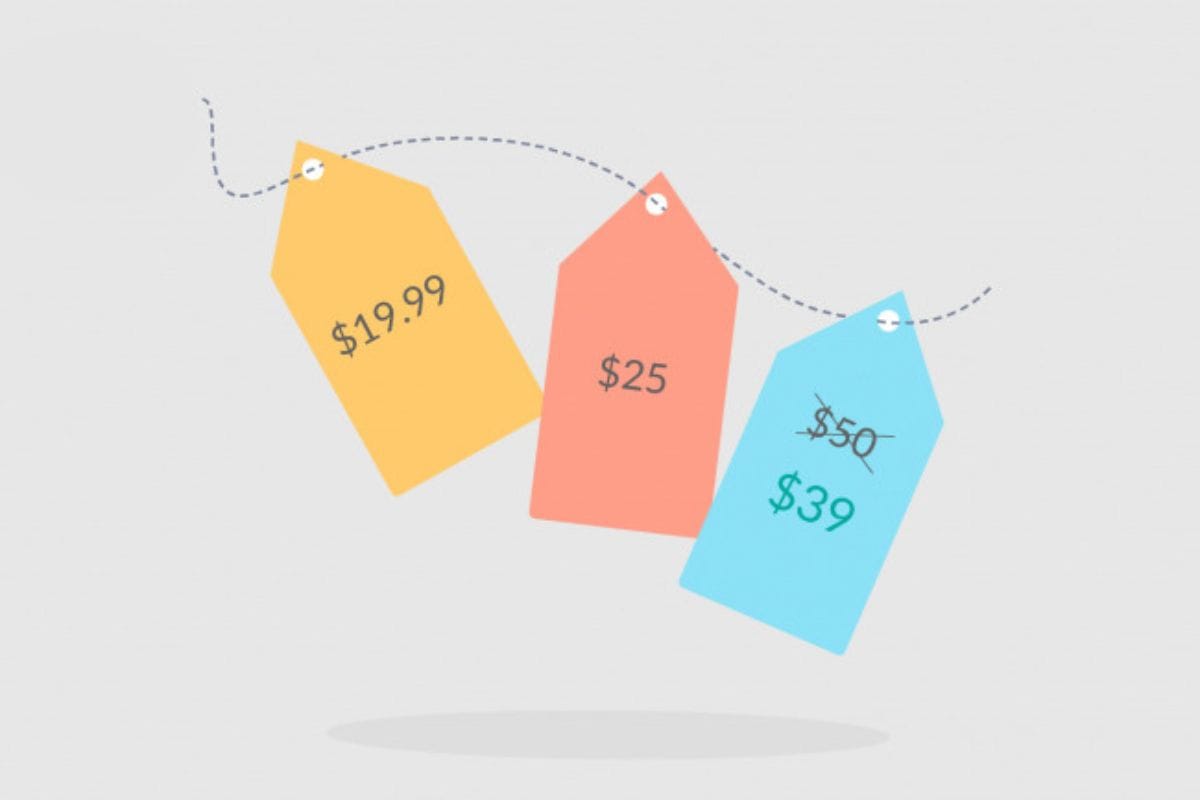
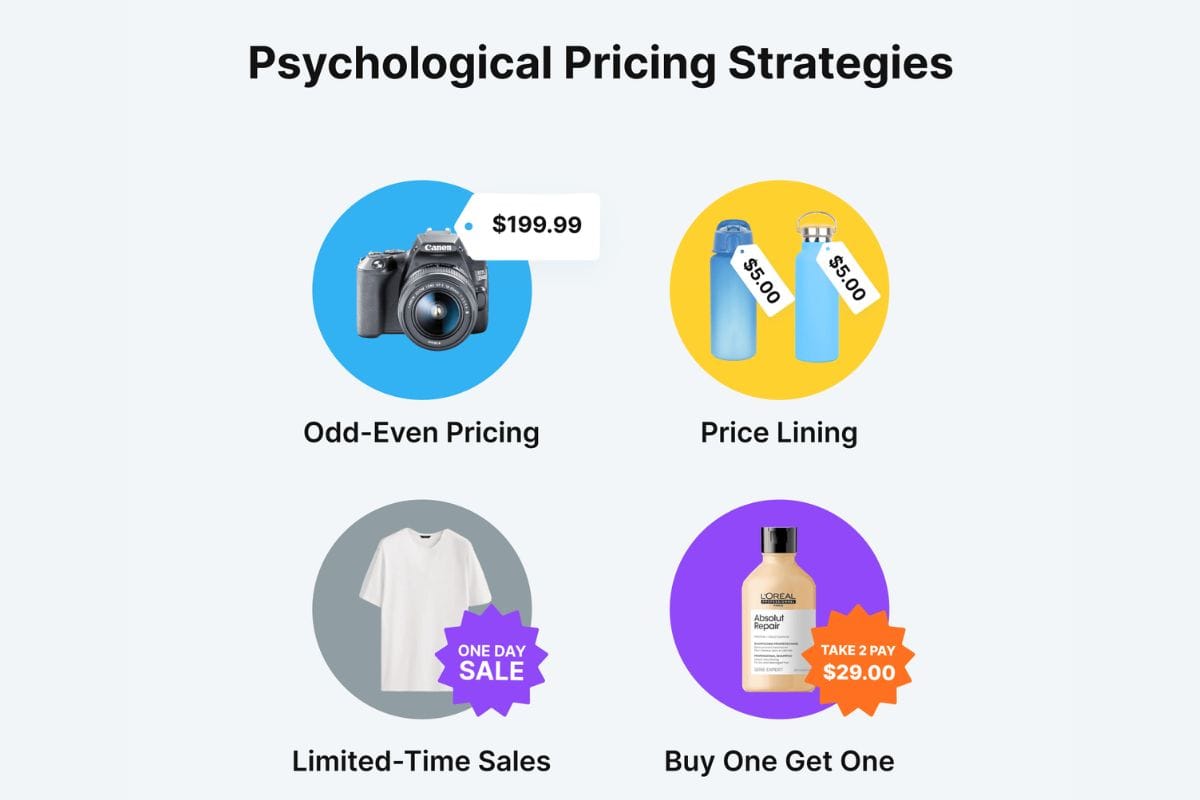
We’ve all seen it: AED 9.99, AED 99, or AED 499. Charm pricing, also called psychological pricing, is a strategy where prices end in odd numbers—usually 9 or 7—to make them feel lower than they are.
Why it works:
People read numbers from left to right, and we tend to give more weight to the first digit. AED 49.99 feels like “forty-something,” even though it’s practically 50. This effect is subconscious but powerful.
In Dubai’s retail and e-commerce spaces:
- Brands like Brands for Less and Day to Day thrive on this tactic, offering products at AED 9.99 or AED 19.99 across categories.
- E-commerce sites such as Noon often use AED 499 instead of AED 500 to create the illusion of a better deal.
- Food delivery apps frequently round off to AED 11.99 or AED 18.99, subtly tapping into this same effect.
This pricing approach creates a mental shortcut that appeals to budget-conscious consumers—a large demographic in Dubai that spans tourists, expats, and locals alike.
Anchoring: The Art of Making Prices Look Better
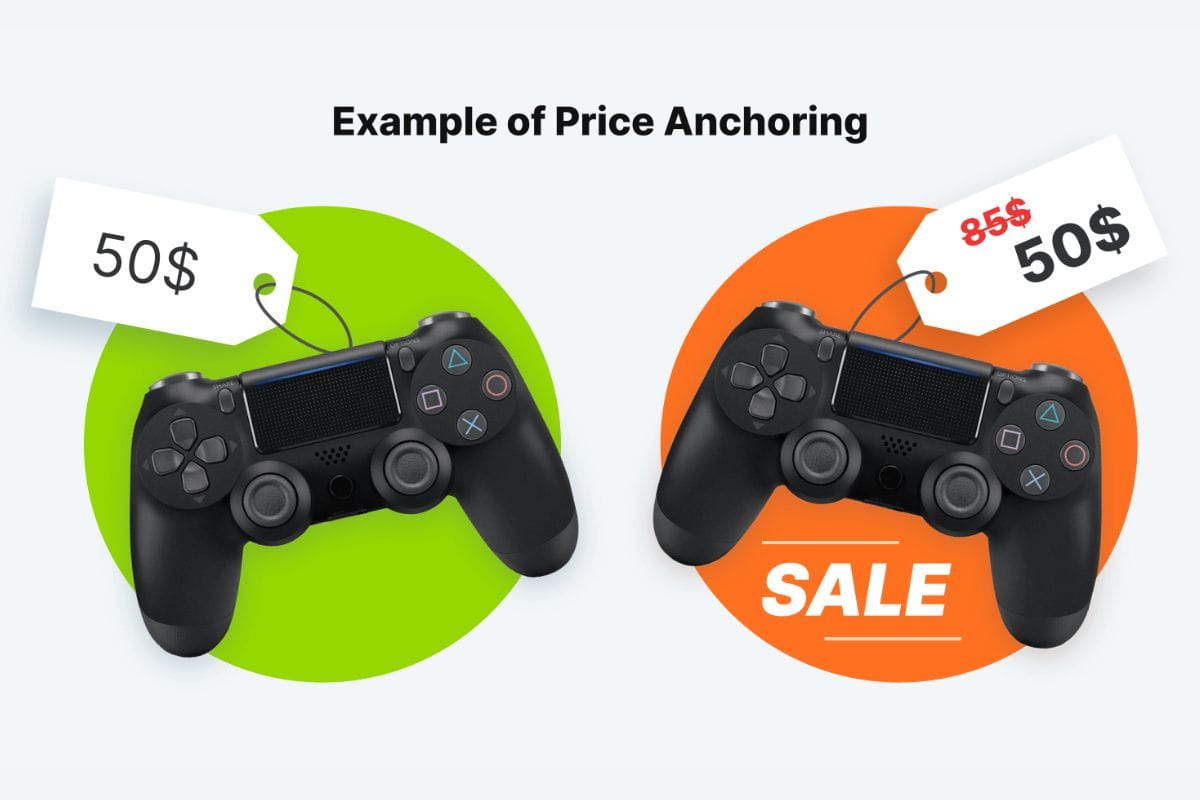
Anchoring is a pricing strategy where the first price a customer sees becomes the “anchor” for everything else. By showing a higher original price before the discounted one, you guide perception of value.
Examples around Dubai:
- Namshi might list a pair of shoes as AED 295, slashed to AED 149. The consumer sees “AED 295” as the true value—even if the shoes were never sold at that price.
- Luxury retailers in Dubai Mall often use high anchor prices during sale seasons. A bag that’s “AED 2,400, now AED 1,299” looks like a steal.
- Food delivery platforms often show “AED 65” slashed to “AED 40” for combo meals—even if they were always priced at AED 40.
Key takeaway:
Anchoring works because humans evaluate prices by comparison, not in isolation. You’re not just selling a product—you’re selling a deal.
Price Bundling: Add Value Without Discounting
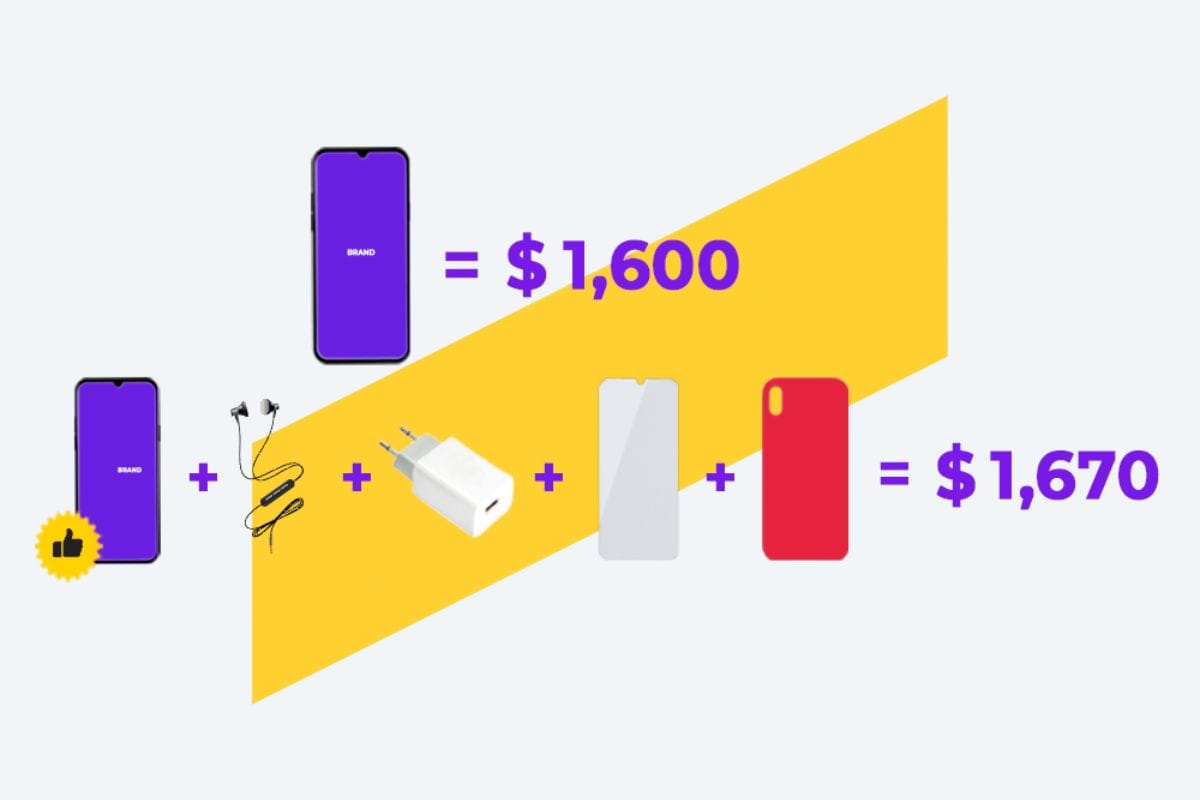
Bundling products together gives the perception of more value while protecting individual profit margins.
Why it works:
Customers believe they’re getting more for less, even if the total price is the same. It reduces decision fatigue and increases the likelihood of bulk purchase.
Where it’s used in Dubai:
- Kibsons, a homegrown grocery delivery brand, often bundles fresh produce into “detox kits” or “family boxes” at fixed prices.
- Fitness First promotes “3-months + 1 free” gym memberships.
- Homegrown cafés like 1762 or The Sum of Us often offer lunch combos (main + drink + dessert) for AED 59, saving AED 10–15.
For small businesses, bundling helps move more inventory while offering real or perceived savings.
Price Positioning: Who Do You Want to Attract?
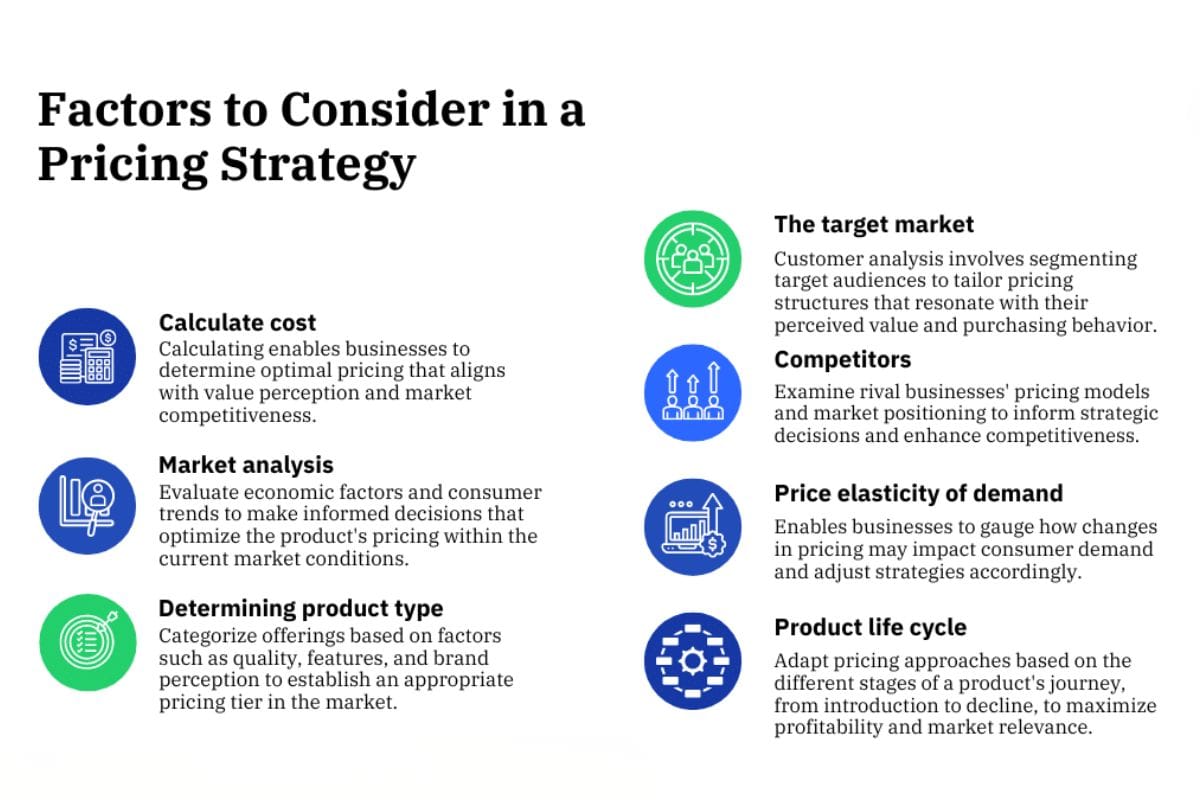
Your price communicates your brand positioning before your tagline does. If your pricing is inconsistent with your brand’s image, customers lose trust.
Examples:
- Tania’s Teahouse in Dubai builds its entire brand around aesthetic, Instagram-friendly experiences. A simple tea that costs AED 35 is accepted because it aligns with the café’s aspirational identity.
- Al Baik, on the other hand, dominates through pricing that screams accessibility—delivering on value without trying to appear premium.
- Dubai’s local homeware stores in Dragon Mart vs. luxury interior brands in City Walk or Alserkal show how pricing can reinforce brand separation—even if the product difference isn’t huge.
Tip:
Figure out who your audience is. Are they buying for convenience, status, savings, or curiosity? Your price should speak that language.
The Decoy Effect: Guide Buyers Toward the Option You Want Them to Choose
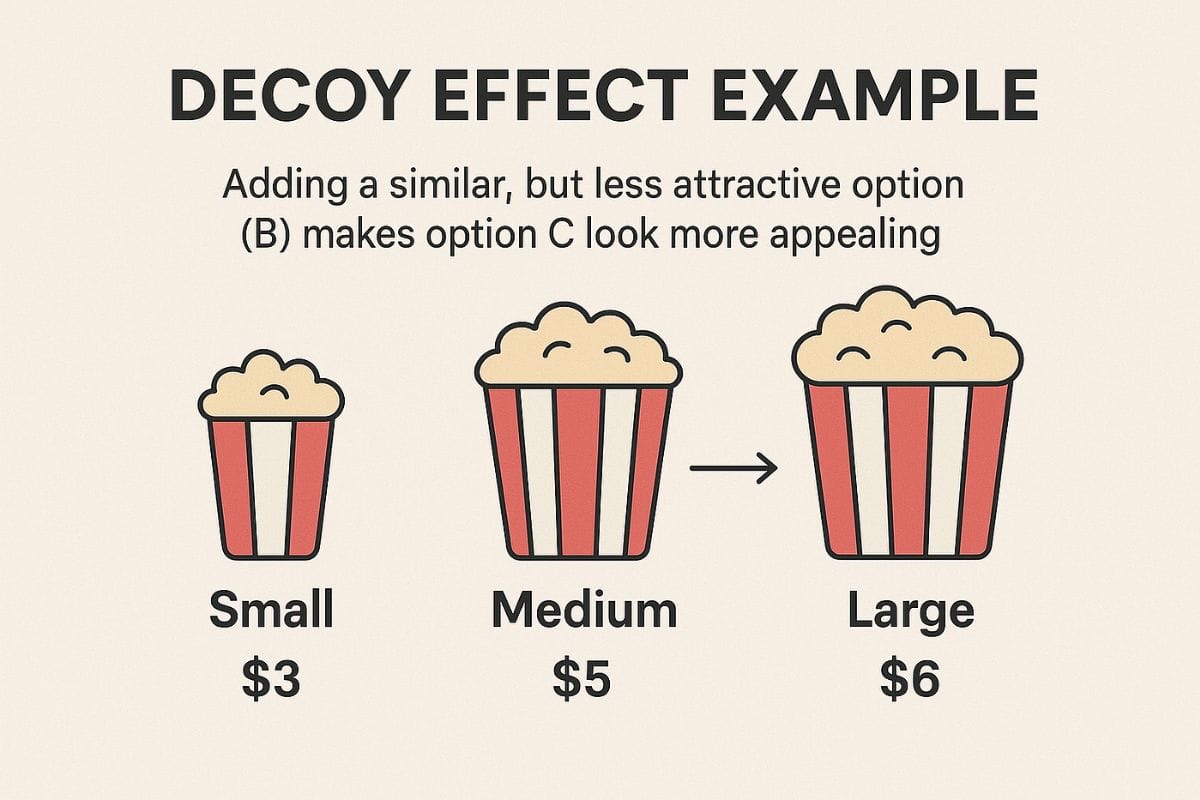
The decoy effect involves introducing a third option—priced strategically—to make one of the other two options look more attractive.
Example in action:
A restaurant menu:
- Small coffee: AED 10
- Medium coffee: AED 16
- Large coffee: AED 17
Most people now choose the large, because the medium seems overpriced by comparison. The middle option exists solely to push you toward the more profitable item.
Where it’s seen in Dubai:
- Cinema packages (VOX, Reel): Small popcorn AED 15, medium AED 21, large AED 22.
- Subscription services or courses: AED 49/month, AED 129/quarter, AED 199/year.
Use this pricing layout if you want to nudge buyers toward higher-value purchases—without heavy discounts.
Free Works—But Only When It’s Strategic
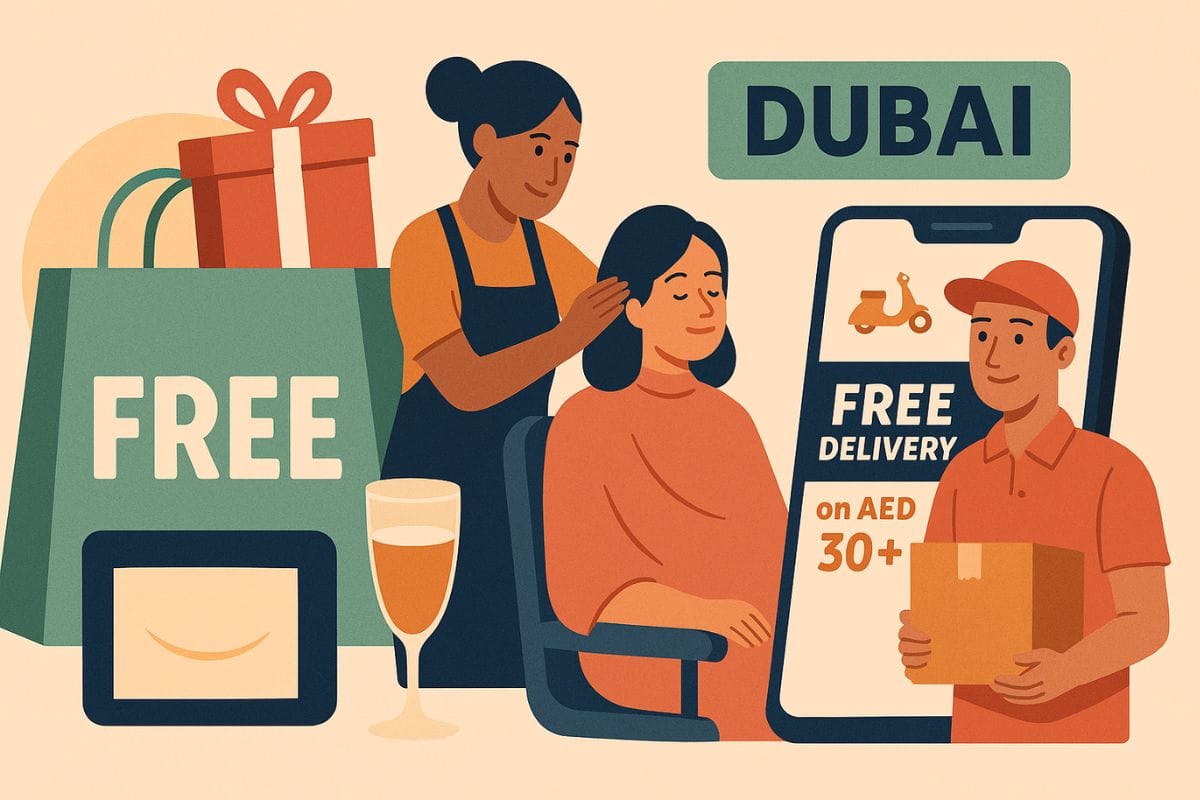
Giving away a free product, service, or add-on can feel like you're losing money—but done right, it builds trust and opens wallets.
How it’s done well in Dubai:
- The Giving Movement includes free shipping and surprise gifts with first orders, encouraging loyalty.
- Boutique salons offer a free trial facial or hair treatment to bring in new customers.
- Food delivery platforms routinely use “Free delivery for orders above AED 30” to increase cart value.
The trick is to give something that costs you little but adds real value in the customer’s mind.
Rounding Off or Not? Think Contextually
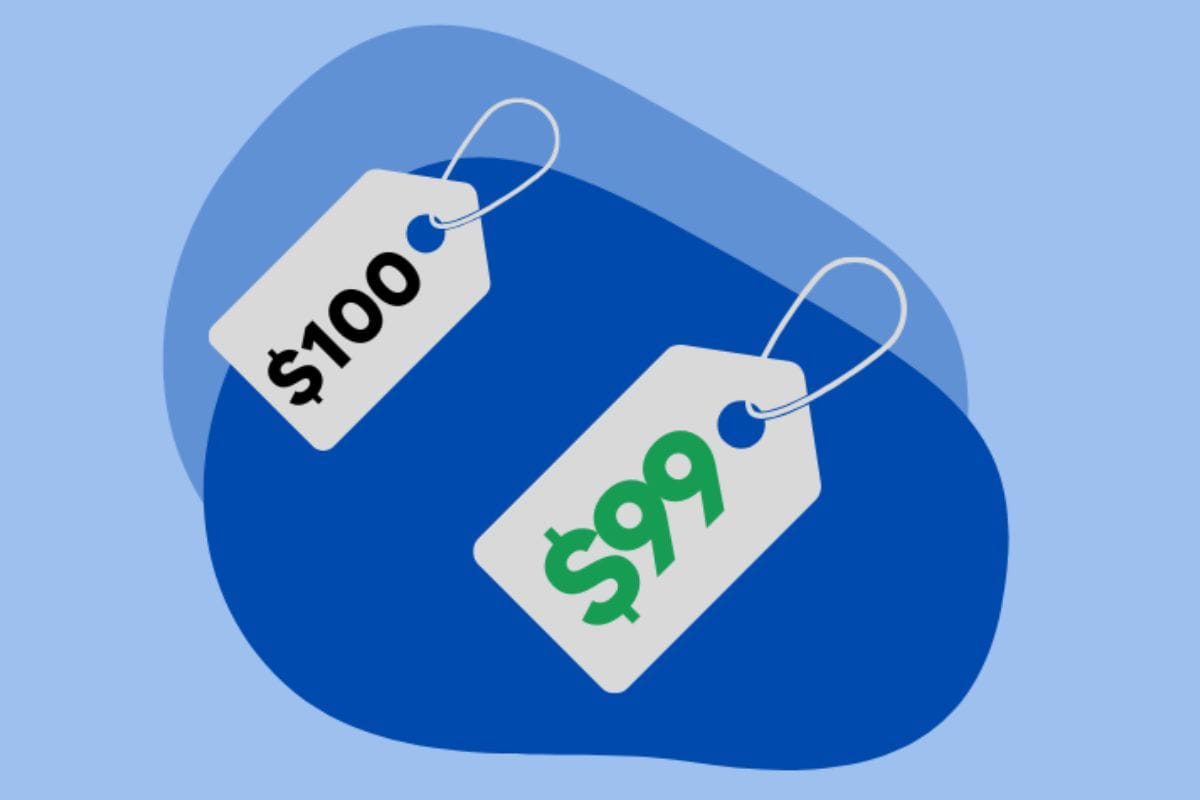
While charm pricing (AED 49.99) often works, in luxury settings, rounded numbers (AED 500) are more effective because they convey confidence, clarity, and quality.
Example:
- A fine-dining restaurant in DIFC listing “Wagyu steak – AED 495” looks more deliberate than “AED 494.99.”
- Couture or jewelry brands avoid decimal pricing—it cheapens the aesthetic.
Rule of thumb:
- Use decimals for affordability.
- Use round numbers for prestige.
Dubai’s duality—being both a high-end luxury capital and a hub for budget-savvy expats—makes this decision even more critical.
Case Study Highlights: Local Success Through Smart Pricing
- Typo Dubai (Lifestyle Stores):
Uses AED 29–99 pricing bands that encourage spontaneous purchases. Their charm pricing and quirky bundling (like “3 notebooks for AED 49”) make gift-shopping easy and guilt-free.
- Kcal Life:
The health food delivery brand uses anchoring by showcasing “AED 2,000+” value for meal plans now discounted to “AED 1,249,” reinforcing the deal’s worth.
- Project Chaiwala:
In its earlier days, Project Chaiwala priced its tea at AED 8—higher than average—but wrapped it in a cultural and community-driven story that justified the premium.
- Mumzworld:
Frequent sales ending in .99, anchor comparisons (“Was AED 185, now AED 89.99”), and bundle offers on baby products have made them a go-to for UAE families.
What You Can Do Today: Quick Tips for Smarter Pricing
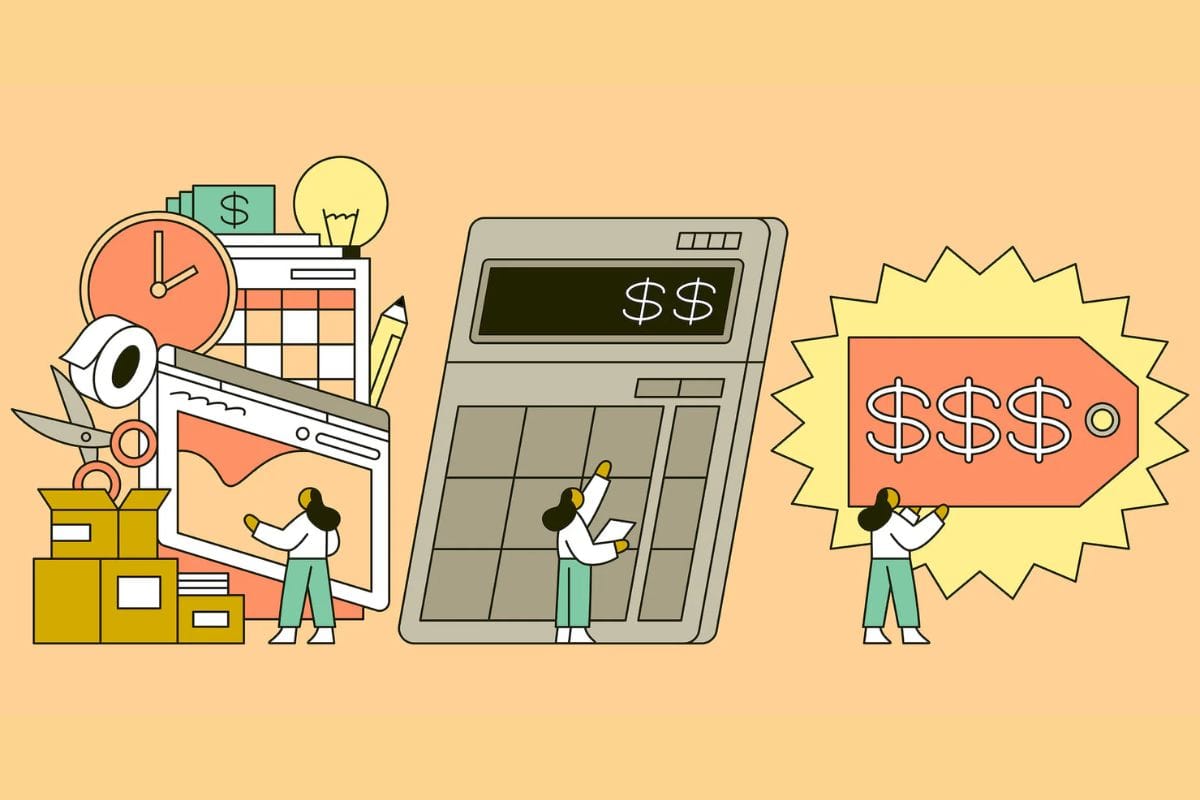
- Revisit your price tags—do they match your positioning?
- Test charm pricing vs. rounded pricing for your key SKUs.
- Add an anchor price on at least one major product or package.
- Create a decoy tier in your packages or pricing plans.
- Try bundling low-margin and high-margin items together.
- Offer free shipping, samples, or upgrades to increase perceived value.
In Dubai’s diverse consumer market, smart pricing isn’t about being the cheapest—it’s about being the most convincing. By tapping into psychological principles, you can guide buying behavior, increase cart sizes, and build brand love.
When your pricing strategy is aligned with your brand and your buyer’s mindset, even a single dirham difference can tip the scales in your favor.
Also Read:
 Shahba Mayyeri
 Ummulkiram Pardawala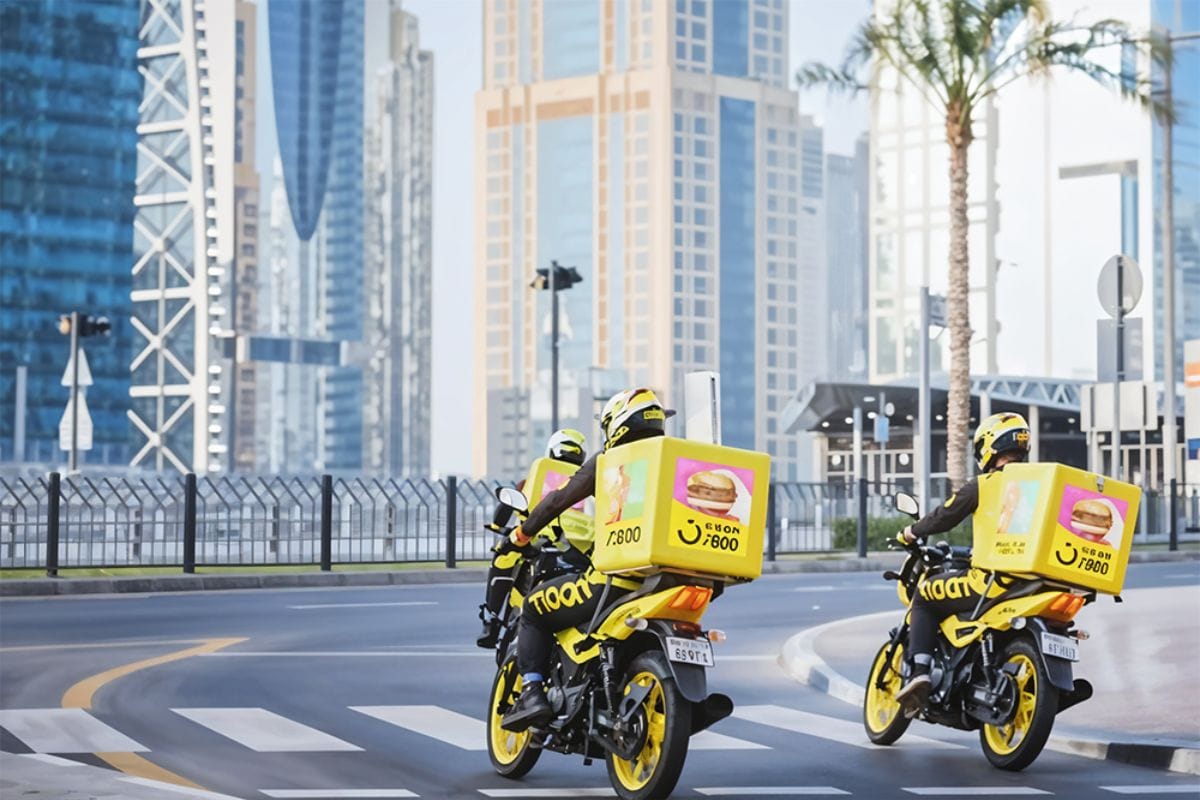
 Shahba Mayyeri
 Ummulkiram Pardawala
 Umema Arsiwala