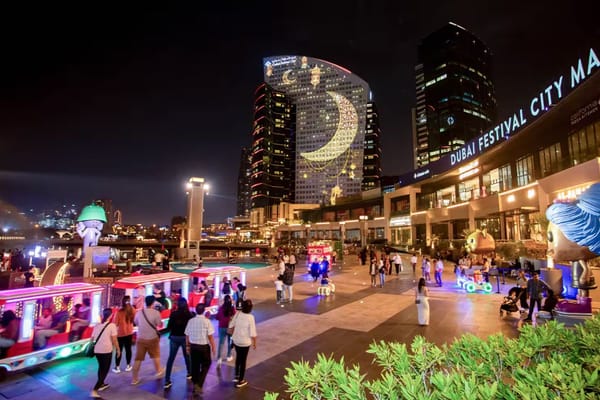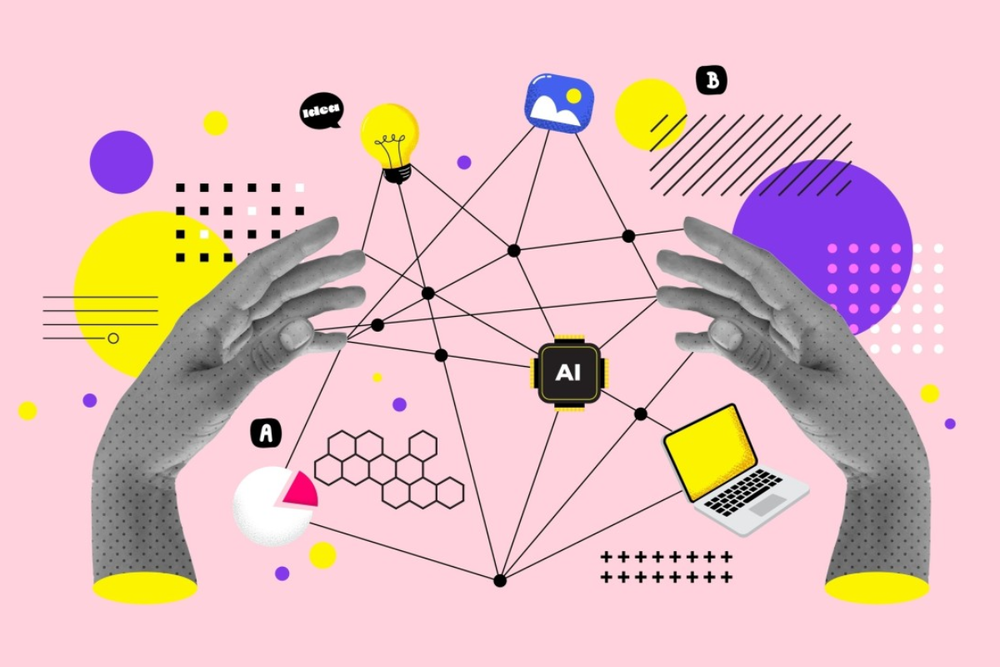
In the late 20th century, a brand was a "stamp"—a fixed, physical mark of ownership and consistency. Today, in 2026, a brand has become a living, breathing digital organism. The shift from static assets to fluid, intelligent systems isn’t just an aesthetic trend; it’s a fundamental rewiring of how humans and machines exchange value.
As we navigate this landscape, the tension between hyper-automation and the human "soul" of design has become the primary battleground for market share.
The Death of the Static Identity
From Rigid Manuals to Adaptive Systems
For decades, the "Brand Bible" was a document that strictly dictated logo placement, hex codes, and clear space. In 2026, these manuals have been replaced by generative identity systems. We have moved beyond the "liquid identity" popularized by early music television or the daily novelty of the search engine doodle. Modern brands now use real-time data to mutate their visual presence.
The Mechanics of Fluidity:
- Contextual Morphing: Using scalable graphics controlled by live code, logos now adjust their complexity based on the device’s processing power or the ambient light of the user's environment.
- Jaguar’s 2026 Rebrand: Jaguar’s recent shift serves as a case study in "Exuberant Modernism." Their identity is no longer a fixed "leaper" cat; it is a series of rhythmic, geometric patterns that react to the motion of their electric vehicles. It’s a brand designed for motion rather than stationery.
- The Atmospheric Logo: Brands now use external triggers—weather, market fluctuations, or local events—to alter brand colors in real-time. If a user in London opens a travel app during a rainstorm, the brand interface can shift to warmer, "escapist" tones automatically.
This shift transforms the logo from a passive symbol into an active participant in the user’s current reality.
Hyper-Personalization & The Agentic Shift
Beyond Recommendations to Predictive Intent
The era of basic email personalization is over. We have entered the age of contextual intelligence. While streaming giants pioneered basic recommendations, the 2026 brand uses agentic workflows—AI systems that don't just suggest content but execute tasks on behalf of the user.
The Personalization Funnel 2.0:
- Passive Observation: Tracking behavior through consented data streams.
- Predictive Intent: Identifying a need before the user articulates it.
- Agentic Execution: The brand agent negotiates or organizes the solution.
Brands are shifting from platforms to concierges. A travel brand no longer simply shows a list of hotels; its AI agent coordinates with a personal calendar, identifies a gap in a schedule, and presents a fully booked itinerary based on historical preferences for boutique architecture and specific dietary needs. You aren't using the brand; you are delegating to it.
Immersive Storytelling (AR/VR/Spatial Web)
The Psychology of the Endowment Effect
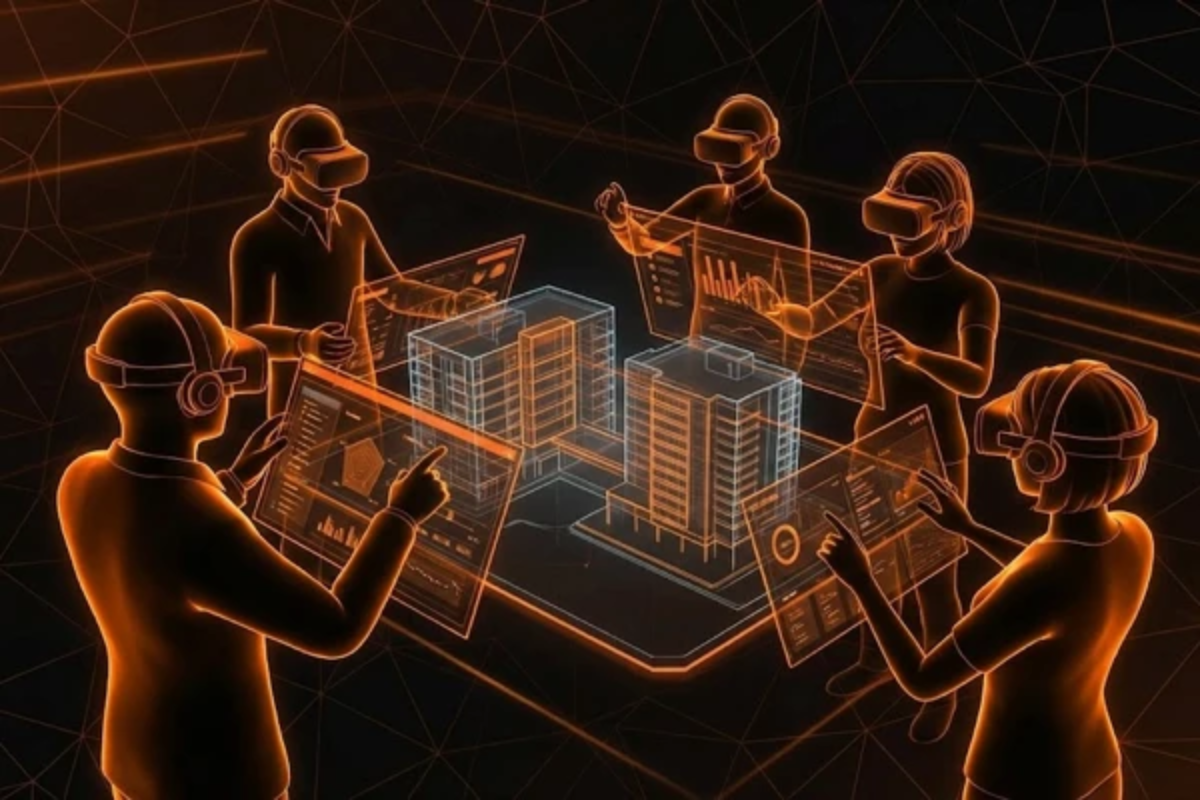
Communication has moved from the 2D plane of the smartphone screen into spatial computing. Brands like Audi and BMW have transitioned from traditional websites to high-fidelity virtual showrooms. This isn't just a gimmick; it’s rooted in a psychological principle known as the endowment effect.
The endowment effect suggests that individuals place a higher value on objects they feel they "own" or have interacted with closely.
The Mechanics of Spatial Branding:
- Tactile Interaction: In a virtual environment, when a customer "opens" the door of a digital vehicle and adjusts the ambient lighting, the brain begins to form a sense of psychological ownership.
- Augmented Integration: Retailers use augmented reality to place life-sized furniture in a user's living room. Once the item is visually in the room, the friction to purchase drops significantly because the user has already integrated the product into their personal space.
By moving from watching an advertisement to inhabiting a brand space, companies are shortening the distance between interest and acquisition.
The Generative Design Revolution
Precision vs. The Humanity Pushback
Generative tools now allow a single creative lead to produce thousands of localized social media assets in the time it used to take to design one billboard. However, this explosion of AI perfection has birthed a significant counter-movement.
The Rise of Neo-Minimalism: As the internet becomes flooded with hyper-saturated, AI-generated imagery, premium brands are pivoting toward neo-minimalism.
- Airbnb’s "Human" Shift: To counter digital noise, Airbnb has focused on photography that embraces beautiful imperfections—slightly off-center compositions and natural lighting—to signal authenticity.
- Organic Design: Brands are intentionally using hand-drawn elements and irregular grids to prove a human was involved in the process.
The efficiency paradox dictates that when everyone has the power to create "perfect" art, the imperfect becomes the new luxury.
Communication in the Age of AI Video
The Case of the Uncanny Valley
In 2026, we are seeing the full-scale deployment of purely AI-generated commercials. The Toys “R” Us origin story ad, created using generative video models, was a watershed moment. It proved that a multi-million dollar production could be distilled into a few weeks of prompt engineering and post-production.
However, the transition hasn't been without friction.
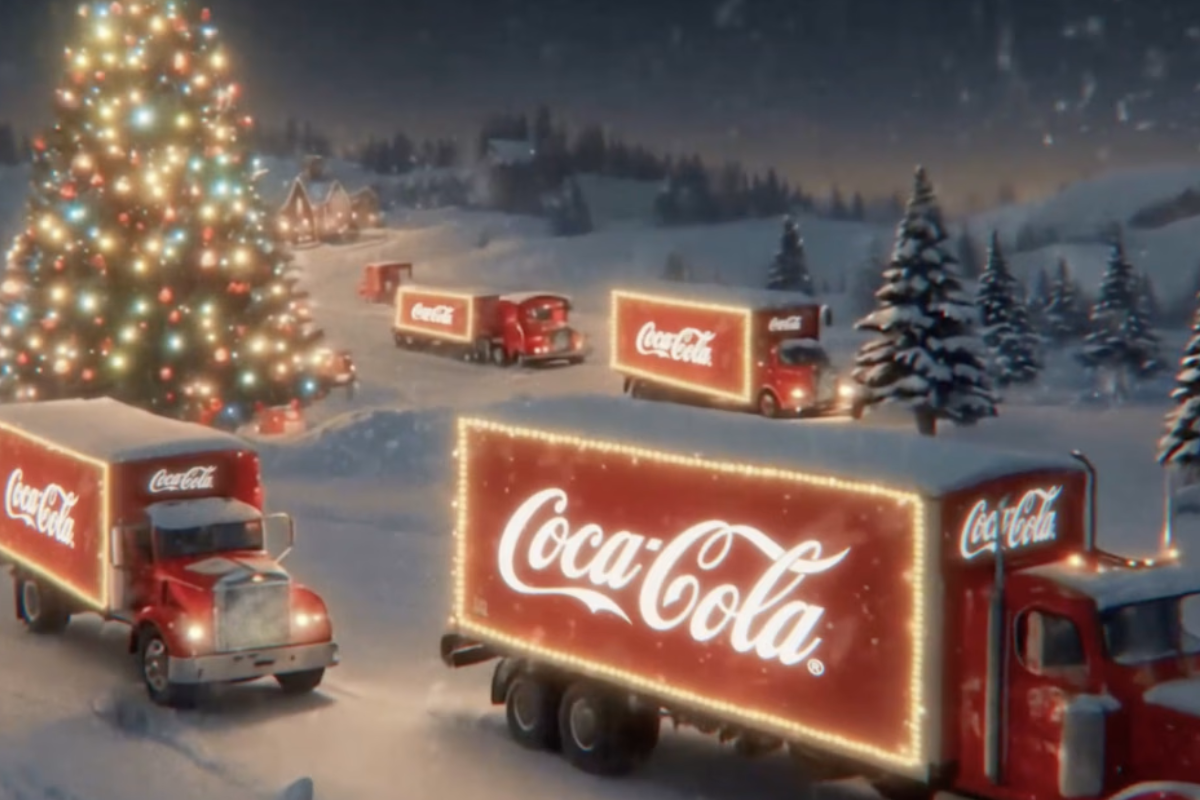
The Coca-Cola Christmas Ad Analysis: Coca-Cola’s experimentation with all-AI versions of their classic holiday ads served as a reminder of the uncanny valley—the point at which a digital representation looks almost human, but "off" enough to cause a negative emotional response.
- The Lesson: Human creative direction remains the anchor. Without human-led nuance in motion, lighting, and emotional pacing, AI video feels hollow.
- The Hybrid Model: Successful brands use AI for scale—backgrounds, particle effects, and variations—but keep core emotional touchpoints as live-action or high-end, human-directed CGI.
The Future of Trust & Ethical Design
Authenticity as a Premium Tier
In a world where deepfakes are increasingly common, trust is the most valuable currency a brand can hold. We are seeing the emergence of "verifiable branding."
Strategies for the New Authenticity:
- Content Credentials: Brands are beginning to use digital labels for assets that show exactly what percentage of an image was AI-generated versus captured by a lens.
- The "Handmade" Premium: Similar to how "organic" became a luxury label for food, "human-made" is becoming a luxury label for design and communication.
- Radical Transparency: Brands are winning by being open about their data models, allowing users to see exactly how their brand agents are making decisions.
The tech-driven brand of 2026 is no longer a static logo or a pre-recorded message. It is a dynamic service. It is a system that balances the efficiency of AI with the warmth of human imperfection.
The brands that will survive the next decade are those that realize technology shouldn't just make things faster; it should make them more resonant. Whether it’s through a logo that changes with the sunrise or an AI agent that genuinely understands your needs, the future of branding is not just about being seen—it’s about being felt.
Also read:
 Ummulkiram Pardawala
 Shahba Mayyeri
 Umema Arsiwala