
Living and working in Dubai comes with a genuinely attractive financial proposition: no income tax, strong salaries, and a dynamic city that continues to draw professionals from around the world. Like any international move, though, it comes with its own financial considerations, and one of the most important is building a proper emergency fund.
Unlike in many home countries, there is no state pension, unemployment benefit, or public safety net to fall back on. That makes personal financial planning not just sensible, but essential. An emergency fund is the foundation everything else sits on.
Why Dubai Expats Need a Bigger Buffer Than Most
One key difference for expats in Dubai is that employment visas are tied to your employer. A job change — whether planned or unexpected — involves a visa transfer process, and there can be a short transitional period where costs mount up: visa fees, short-term accommodation adjustments, flights if needed. Being financially prepared for that transition makes it manageable rather than stressful.
Many expat compensation packages in Dubai are also structured around variable components — a base salary combined with housing allowances, school fee contributions, and performance bonuses. This can mean total take-home pay fluctuates more than it might in a salaried role back home. An emergency fund smooths out that variability and gives you the flexibility to make considered decisions rather than reactive ones.
How Much Is Enough?
The standard personal finance advice is three to six months of expenses. For expats in Dubai, lean toward the higher end — and in some cases, go beyond it. Here is why:
- Job searches take time. Hiring cycles across different industries in the UAE vary, and having six months of runway gives you the space to find the right role rather than simply the nearest one.
- Relocation costs are real. If your circumstances change and you decide to move on from Dubai, costs like flights, shipping, and the gap before a new paycheck can add up quickly, especially for families.
- Healthcare coverage has gaps. Most employers provide health insurance, but there can be periods of transition between roles or changes in coverage for dependants. Having your own buffer covers those moments.
A practical starting point: calculate your true monthly spend — rent, utilities, groceries, school fees, car costs, insurance, and any loan repayments — and multiply by six. That is your target. If you have dependants, add a buffer for repatriation on top.
Where to Keep It
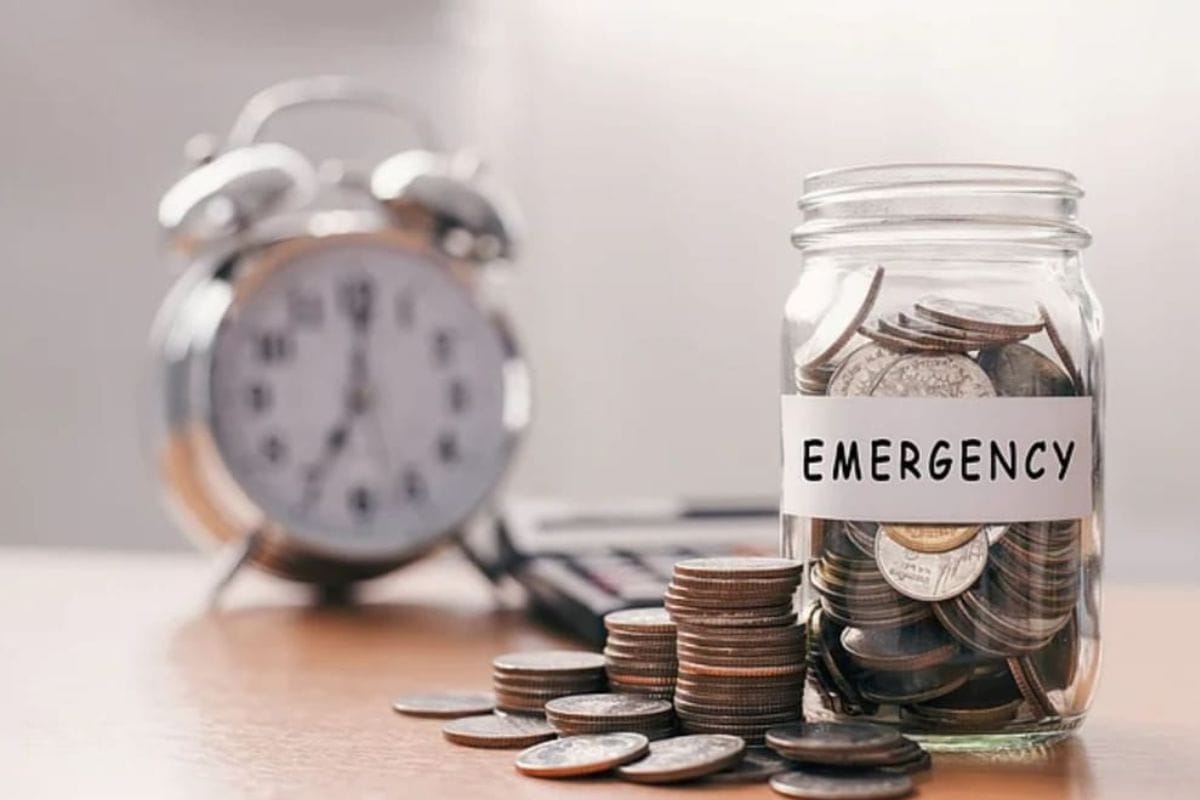
Your emergency fund needs to be accessible, stable, and not mixed up with your day-to-day spending. Here are your main options as a Dubai-based expat:
- UAE savings account. Local banks like Emirates NBD, ADCB, and Mashreq offer dedicated savings accounts. Look for ones with no minimum balance penalties and reasonable interest rates. Keep at least part of your fund here for immediate access.
- Home country account. Keeping a portion of your emergency fund in your home country currency makes sense, especially if you would return home in a worst-case scenario. It also hedges against AED fluctuations if your expenses back home are in another currency.
- Multi-currency accounts. Services like Wise or similar platforms let you hold funds in multiple currencies with minimal conversion fees. Useful if your financial life spans more than one country.
What to avoid: do not lock your emergency fund in a fixed deposit with early withdrawal penalties, and do not invest it in anything with market risk. The whole point is that it is there when you need it, not tied up when things go sideways.
How to Build It — Practically
If you are starting from zero, the goal can feel overwhelming. Break it down. Start with one month of expenses as your first milestone. Then work toward three, then six. A few tactics that work particularly well in the Dubai context:
- Automate it. Set up a standing order the day your salary hits. Treat your emergency fund contribution like a bill you cannot skip. Even a modest monthly amount adds up quickly.
- Use your first month's salary boost wisely. Many people arrive in Dubai and experience an immediate lifestyle inflation, bigger apartment, new car, eating out constantly. If you newly arrived, resist this for at least three to six months and funnel the difference into your emergency fund.
- Direct windfalls straight in. Annual bonus? Commission payment? Put a meaningful chunk into your emergency fund before it quietly gets absorbed into spending.
- Review it annually. Your living costs change. A growing family, a new school, a new car lease, your target number should reflect your actual life, not the one you had two years ago.
Already Living in Dubai? Here's How to Catch Up
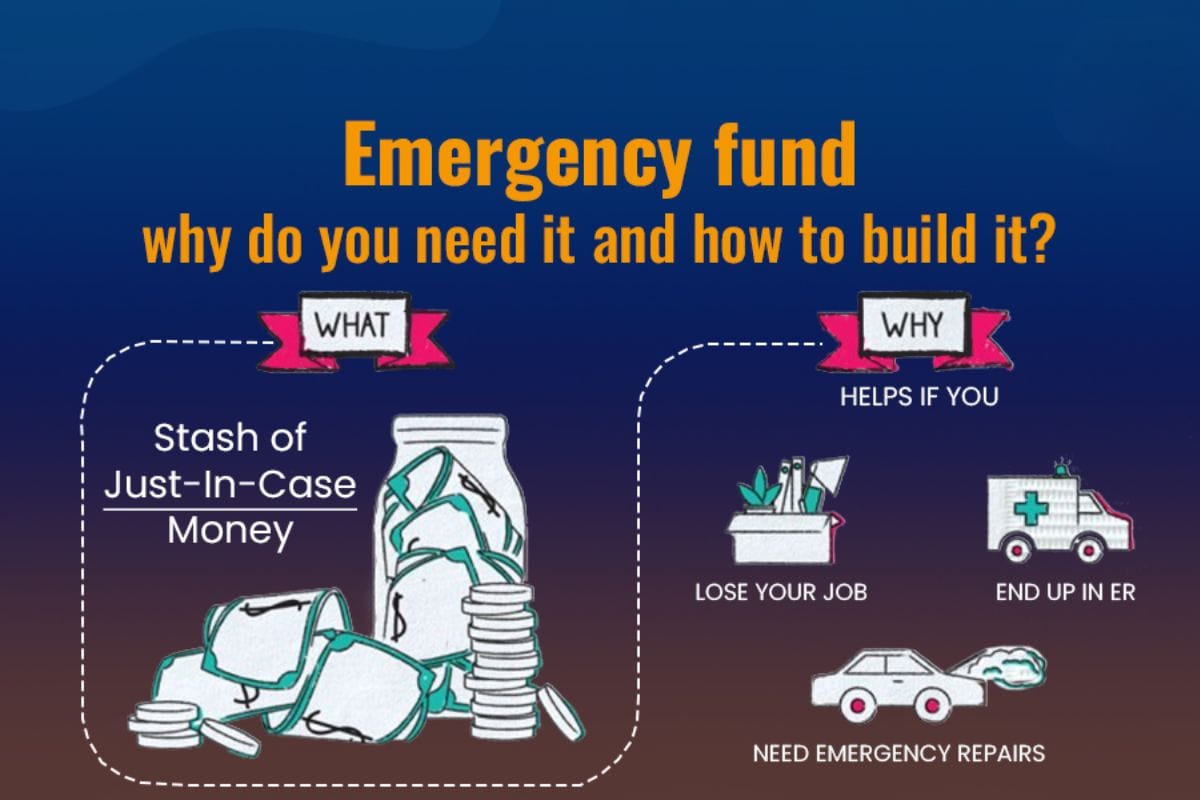
Not everyone arrives in Dubai with a financial plan in hand. Many expats have been here for a year or two, are comfortable, and realise they have not yet built a proper emergency fund. If that sounds familiar, you are not behind, you just need a reset. Here is how to approach it.
Start with an honest audit. Before you set a savings target, get a clear picture of where you actually stand. Add up your monthly outgoings — rent, school fees, car, utilities, subscriptions, dining, and anything else that leaves your account regularly. Then compare that to what you currently have set aside in accessible savings. The gap between those two numbers, multiplied by six, is your target. Seeing it clearly is the first step to closing it.
Work with your cost structure, not against it. Dubai living costs can be significant, particularly for families with school-age children or those living in central areas. Rather than trying to dramatically cut your lifestyle overnight, look for the natural savings opportunities your situation already offers. Are you due a salary review? Is your lease up for renewal and potentially negotiable? Has your employer increased your allowances? Any increase in income is an opportunity to direct a meaningful portion straight into your emergency fund before your spending adjusts to match it.
Use milestone moments as triggers. The Dubai working calendar offers natural financial checkpoints that longer-term residents can use to their advantage. Annual leave encashment, end-of-year bonuses, and the period around contract renewals are all moments when extra funds flow through your account. Treating these as automatic contributions to your emergency fund — rather than discretionary spending, can close a large gap surprisingly quickly without requiring month-to-month sacrifice.
Set a realistic timeline and commit to it. If your target is six months of expenses and you currently have very little set aside, trying to get there in three months will likely feel punishing and unsustainable. A twelve-month timeline is entirely reasonable. Break it into quarterly milestones, review your progress, and adjust if your circumstances change. The goal is consistency over intensity — steady contributions over a defined period will get you there without derailing the rest of your financial life.
The important thing is to start with whatever amount is manageable today. Even a modest monthly transfer into a dedicated savings account starts building the habit and the balance. Once you reach your first milestone — one month of expenses — the motivation to continue tends to take care of itself.
Common Mistakes to Avoid
A few traps that expats fall into repeatedly:
- Confusing end-of-service gratuity with an emergency fund. Gratuity is paid when you leave a job, not while you are in between them. You cannot access it mid-crisis, and in many cases it is lower than people expect. It is a retirement supplement, not a safety net.
- Keeping everything in one currency. If you are a British, Indian, or Australian expat, a purely AED-denominated emergency fund leaves you exposed to exchange rate risk at exactly the moment you can least afford it.
- Dipping into it for non-emergencies. A holiday is not an emergency. A new phone is not an emergency. A car service bill is annoying but it should be covered by a separate sinking fund. Your emergency fund is for genuine, life-disrupting events.
- Waiting until you feel financially comfortable. That comfort feeling rarely arrives on its own. The expat lifestyle has a way of expanding to fill whatever income is available. Start now, even if it is a small amount.
Building an emergency fund is straightforward financial planning, and Dubai is a place where it genuinely pays off. The city offers strong earning potential and a low tax environment, putting aside a portion of that for financial resilience is simply making the most of the opportunity.
Start with a clear target, automate a monthly contribution, and keep the money somewhere accessible and separate from your day-to-day accounts. There is no complexity here — just consistent action over time.
The expats who thrive long-term in Dubai are not always the highest earners. They are the ones who build financial resilience first — and enjoy everything the city has to offer on top of it.
Also Read:
 Ummulkiram Pardawala
 Umema Arsiwala
 Ummulkiram Pardawala
 Shahba Mayyeri