
The way people engage with stories has changed noticeably in recent years. Attention spans are shorter, with research showing the average now sits at just over eight seconds. On digital platforms, focus shifts even faster, often in under a minute. If a story doesn’t make an immediate connection, it risks being lost before the audience has a chance to understand its message. How often do we scroll past content simply because nothing about it makes us pause?
It’s not only a matter of speed. People now divide their attention across many platforms—social media, streaming services, news sites, and online communities—each with its own style and rhythm. Can a single, one-size-fits-all story still work in such a fragmented environment? More often than not, the answer is no. Storytelling now needs to adapt, shape for the setting, the audience, and even the timing of delivery.
When done well, a story can be far more than a pleasant read or watch. Studies suggest that narratives are over twenty times more memorable than plain facts. That means they have the power to stay with people, influence decisions, and guide them toward action—whether that’s signing up, making a purchase, or building a lasting connection with a brand. Isn’t that the true purpose of communication?
Yet many brands still rely on outdated formats, focusing heavily on product features while overlooking the emotions and needs of the people they’re speaking to. In a world where attention is one of the most valuable resources, the ability to evolve storytelling isn’t optional—it’s essential.
In this article, we’ll look at how to shape stories that not only capture attention but also turn that attention into meaningful engagement and measurable results.
Identifying What Engagement and Conversion Really Mean for You

In today’s digital space, engagement is no longer about chasing likes. Those quick taps can be encouraging, but they don’t always reveal how deeply your audience connects with your content. True engagement goes deeper—it’s in the comments where conversations happen, the shares and saves that show your content is valuable enough to revisit, and the clicks that signal genuine curiosity. Direct messages, mentions, and the ratio of interactions to overall reach can all tell you far more about how your stories are landing. Which of these signals matters most for your brand, and are you paying attention to them?
Conversion, on the other hand, is about turning that engagement into meaningful action. Depending on your goals, it could mean a sale, a sign-up, a booking, a download, or even a simple request for more information. It’s measured in metrics like conversion rate, click-through rate, and the number of completed actions that directly support your objectives. For some brands, it’s an online purchase; for others, it might be a scheduled consultation or a message from a potential client. What does a conversion look like for you, and how clearly does your storytelling guide people toward it?
The key is to align your evolving stories with the actions that matter most. If engagement shows you have their attention, conversion proves you’ve earned their trust. Both need to work together for your storytelling to deliver real results.
The Shift from Brand-Centric to Audience-Centric Stories
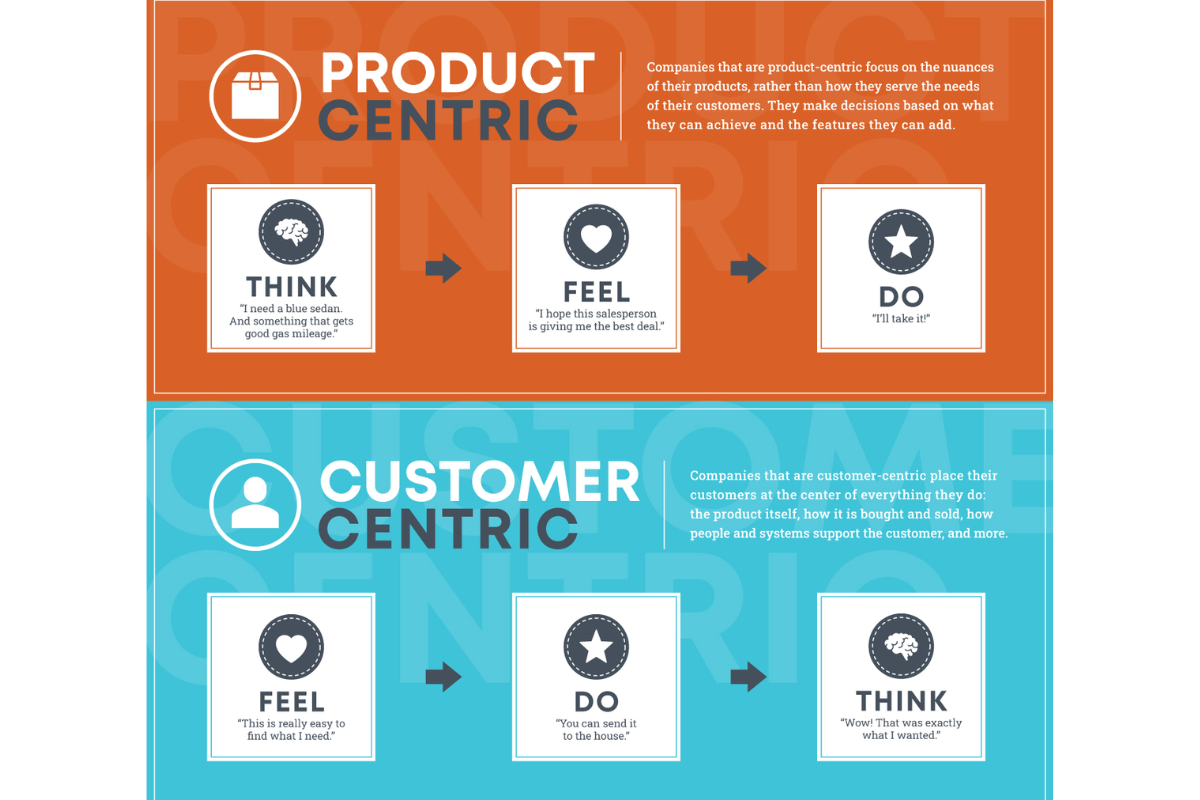
For a long time, storytelling was all about the brand—what we do, our legacy, our values. But today, the smartest stories flip that dynamic. They zero in on what your audience gains—the relief, transformation, or benefit that comes from choosing you. It’s the difference between saying, “We offer a 10K-speed internet service,” and “Imagine streaming your favorite show with no buffering, even during peak hours.” The second kind of message bridges directly into the experience and emotions of your audience.
This shift starts with listening. Customer insights, FAQs, feedback surveys, chats, and even off-the-cuff comments in DMs or support channels give you a window into the real motivations, doubts, and desires of your audience. What questions do people keep asking? What stops them from buying or signing up? What do they value most about your service? Let these real voices guide your storytelling—so every narrative you craft addresses not just your brand, but their curiosity and concerns.
Next, you turn that input into stories that solve problems rather than entertain superficially. The story might be as simple as: “She was tired of long waits at the salon—then she discovered our express service and used her extra time for personal care instead of a commute.” Or: “He juggles work, family, and errands—our app lets him order essentials in three taps, freeing moments for moments that matter.” These stories are relatable, grounded in real frustrations, and offer a clear “after” that feels tangible and welcome.
By centering your stories on the audience—what they care about, how they feel, and what they need—you build not only attention but trust. And trust, of course, is the cornerstone of meaningful engagement and conversion. For your brand, this shift means stories that feel personal, relevant, and, most importantly, helpful.
Updating Your Story Structure for Modern Attention Spans

In today’s fast-scrolling digital world, capturing attention—and keeping it—is tougher than ever. Viewers often decide within the first three seconds whether they’ll stay or move on. Grab them quickly with a strong hook—something unexpected, visually striking, or emotionally intriguing.
Studies show that attention is fleeting, with the median screen focus time now around 40 seconds, and many people fall off long before that. That means your narrative needs to connect fast and deliver value even faster. How well does your story pull people in before they swipe away?
When it comes to storytelling frameworks that work under these constraints, the Before → After → Bridge (BAB) model is one of the most effective. Start by showing your audience a problem or everyday frustration ("Before"), then paint a vivid, desirable outcome ("After"), and finally, present your product or message as the clear path forward ("Bridge"). This structure neatly blends emotional resonance ("you could feel this way") with logic ("and here’s how to get there")—in just a few lines.
To make your stories work even better, balance emotional pull with factual anchors. Emotions get attention; proof keeps it. For instance, in a short video ad, you might lead with a heartfelt scene, then follow up with a compelling stat or short testimonial that validates the outcome you're promising.
By combining speed, clarity, emotion, and evidence, your stories stand a far better chance of not just grabbing attention but turning it into real engagement and action.
Channel-Specific Evolution Strategies
Every platform has its own rhythm, style, and audience expectations. A story that works beautifully on one channel can fall flat on another if it’s not adapted. The key is to keep the core message consistent while shaping the delivery for each space.
Instagram
On Instagram, visual storytelling leads the way. Carousels work well for step-by-step tips or before-and-after journeys, while Reels are ideal for quick, engaging moments. Stories add a personal touch, allowing behind-the-scenes glimpses that feel immediate and authentic. Content that’s highly shareable—something people want to send to friends—often performs best.
TikTok
While TikTok still thrives on fast trends, longer clips in the 60–90 second range are gaining ground. These allow brands to tell more layered stories while still keeping the pace dynamic. The most effective TikToks feel natural, lightly edited, and rooted in real moments rather than polished ads.
YouTube
YouTube rewards both depth and brevity. Shorts capture quick attention, but long-form videos remain powerful for tutorials, deep dives, and product walkthroughs. The platform is ideal for building authority and trust through well-structured, informative storytelling.
LinkedIn
On LinkedIn, value matters more than flash. Audiences respond to thought leadership, industry insights, and practical takeaways. Storytelling here should be professional yet relatable—think founder journeys, lessons learned, and tips that help your network solve real problems.
Email
Email offers a direct, distraction-free space for storytelling. Well-written newsletters can weave personal narratives with helpful content, updates, or offers. The most engaging ones feel like a conversation rather than a sales pitch, giving subscribers a reason to keep opening each time.
Avoiding Copy-Paste Content
Repurposing a story doesn’t mean posting the exact same thing everywhere. A detailed YouTube tutorial can become a concise LinkedIn carousel, a short Instagram Reel, or a personal anecdote in an email. The message stays the same, but the delivery changes to suit the medium.
Leveraging Data to Refine and Evolve Your Storytelling
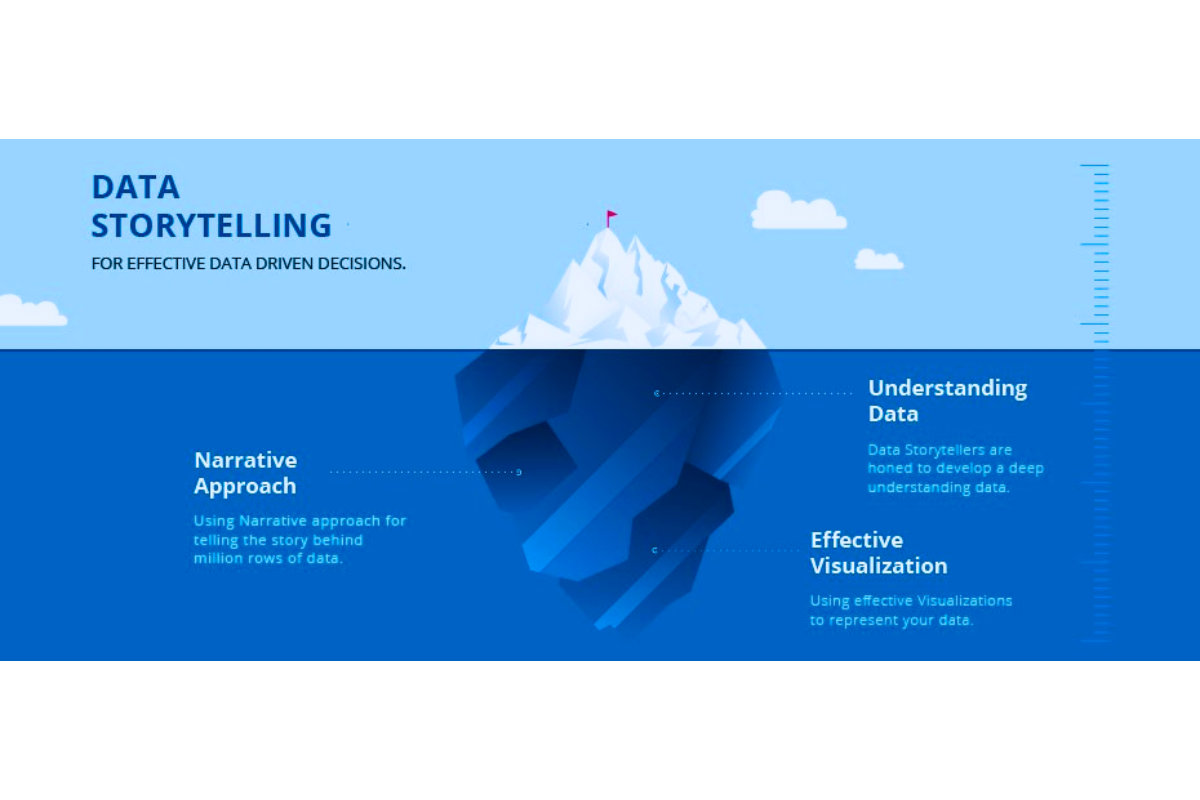
Storytelling isn't guesswork—but data is your compass, pointing you toward what truly resonates and converts.
1. Use analytics to track drop-off points and retention
Every platform gives you clues about where your story loses people. On YouTube, the "audience retention" graph highlights exactly when viewers drop off, helping you pinpoint moments that need tightening or reworking. Similarly, funnel analytics can reveal friction in your customer journey—maybe people swipe away before they reach the decision point, or they abandon a form partway through. Identifying these drop-off points gives you actionable direction on where to tweak your storytelling for better flow and stronger connection.
2. A/B test hooks, formats, and calls to action
A/B testing lets you experiment in a focused, data-driven way. For example, try two versions of a hook—maybe one emotional, one question-based—and see which pulls in more attention or reply rate. Or test different CTAs: “Learn how” versus “Start now.” This method removes guesswork and shows you what truly drives behavior. Platforms from social media to email offer built-in tools to split your audience and measure what performs best.
3. Turn your top-performing stories into evergreen assets
Once a story clicks—garnering high retention, strong engagement, or conversion—don’t let it fade into oblivion. Recycle and repurpose it: a standout video becomes a blog post or email sequence; a strong hook becomes a template for future scripts. Turning your biggest hits into versatile formats, you build a library that reliably performs and saves creative effort over time.
By pairing observational insight (where viewers drop off or disengage) with experimentation (testing hooks, formats, CTAs), you create a storytelling loop that learns, adapts, and improves itself.
Localizing and Personalizing Without Losing Your Core Message

To truly connect with your audience, your storytelling needs to feel both personal and culturally authentic. It’s about blending global clarity with local depth, ensuring your message resonates without losing its core identity.
1. Go beyond simple translation
Localization isn’t just replacing English with Arabic—it’s adapting tone, structure, and even layout so the message feels natural in each language. Arabic may require more formal phrasing and right-to-left formatting, while English can take on a more casual, conversational tone for international audiences. Working with culturally fluent writers ensures the meaning and emotional weight of your story stays intact.
2. Balance global consistency with local relevance
While your brand voice should remain consistent, it’s important to reflect local moments, traditions, and values. Campaigns tied to occasions like Ramadan or National Day can weave in cultural themes that strengthen trust and emotional connection, without straying from your brand’s identity.
3. Personalize based on behavior, not just demographics
True personalization means responding to what people actually do, not just who they are on paper. Tailor stories based on past interactions, interests, and preferences—like suggesting relevant products, sending follow-up tips, or delivering offers aligned with someone’s browsing or purchase habits.
4. Respect cultural nuance and inclusivity
In a diverse market, representation matters. Your stories should reflect the different backgrounds, lifestyles, and values of the people you serve. Use imagery, examples, and emotional triggers that feel inclusive and respectful, avoiding clichés or stereotypes.
By combining authentic localization, thoughtful personalization, and cultural sensitivity, you create stories that speak directly to your audience—no matter where they come from—while keeping your brand’s message clear and consistent.
Common Pitfalls That Block Engagement and Conversion
Even the most creative storytelling can fall flat when certain common missteps crop up. Here are three pitfalls to watch out for, explained clearly to help you stay effective.
1. Overcomplicating the Message
When content is cluttered with jargon, tangents, or too much information, it overwhelms instead of engages. Studies show that longer, denser landing pages can actually reduce the chance of user action; simpler is often more persuasive. Clarity is the path to connection.
2. Weak or Missing Calls-to-Action (CTAs)
Without clear guidance, your audience may enjoy the content, but then stop, unsure of the next step. Generic phrases like “Submit” or “Click here” don’t inspire. Instead, use action-driven language (think “Start Your Free Trial” or “Save Your Spot”) and place CTAs where they're visible. They’re your quiet motivators—make them bold and helpful.
3. Falling Back on Outdated Storytelling Formats
Treating every channel the same—or sticking to traditional, one-length-fits-all story arcs—may feel safe, but it often fails to hold attention. For example, repurposing a long-form blog directly on social media ignores the platform’s pace and style. Tailoring your structure, hook, and tone for each platform keeps your stories fresh and relevant.
By simplifying your messaging, crafting bold CTAs, and adapting your storytelling for each format, you're not just communicating—you’re connecting, motivating, and moving people toward action.
Understanding the Step-by-Step Guide

1. Set up an always-on idea capture
- What it means: Have one place where every story idea lives—no scattered notes, random emails, or forgotten thoughts.
- Example: Use a Trello board with columns for “Ideas,” “In Progress,” and “Published.” Every time you hear a customer ask, “Does this come in other colors?”—log it. That question could become a story showing your full range with visuals.
Why it matters: You never run out of material, and your ideas come directly from real audience needs.
2. Run a weekly content sprint
- What it means: At the start of each week, pick a few of your best ideas and turn them into finished stories.
- Example: From your board, choose one customer success story, one how-to tip, and one seasonal offer. Create a quick outline, decide the platform (TikTok, LinkedIn, email), and tailor the length and style to fit.
Why it matters: You stay consistent and don’t waste time figuring out “what to post” at the last minute.
3. Edit fast, then fact-check
- What it means: Don’t get stuck in endless rewrites—focus on clarity first, then check your facts.
- Example: First draft: remove extra words, make the first sentence grab attention. Second draft: confirm stats, spelling of names, and get permission for any quotes or photos.
Why it matters: Clean, accurate stories build trust and keep your brand looking professional.
4. Publish with a measurement plan
- What it means: Don’t just post—know what success looks like for that post.
- Example: If you post an Instagram Reel, decide that “saves” are your main metric (showing value), and “shares” are your secondary metric. Watch how long people watch before they drop off.
Why it matters: You’ll know if your story is doing its job instead of guessing.
5. Hold a 60-minute weekly review
- What it means: Every week, review your content performance and decide what to keep, improve, or stop.
- Example: Last week’s LinkedIn post got 40 comments (keep format), your TikTok got views but no clicks (improve CTA), your carousel post flopped twice in a row (cut format for now).
Why it matters: You learn quickly what works and avoid wasting energy on poor performers.
6. Run a monthly retro
- What it means: Look at a bigger picture—patterns over a month.
- Example: You notice that question-based hooks (“Ever wondered why…?”) hold attention better than fact-based ones. Next month, you will test two new question-based formats to confirm.
Why it matters: It turns your content into a continuous improvement cycle, not random experiments.
7. Build a reusable “story bank”
- What it means: Store your best-performing stories in parts so you can reuse and adapt them later.
- Example: Take a winning “customer transformation” post and break it into: hook, core narrative, testimonial, and visual. Later, turn it into a TikTok, a blog snippet, and an email campaign.
Why it matters: Saves time and maximises the value of proven ideas.
8. Maintain light governance
- What it means: Have a simple quality checklist before publishing anything.
- Example: Check for cultural sensitivity, brand voice consistency, inclusive language, and legal approvals for any claims or user-generated content.
Why it matters: Prevents costly mistakes and keeps your brand trustworthy.
9. Close the loop with audience signals
- What it means: Turn feedback and interaction into new story ideas.
- Example: A comment on your Reel says, “I wish I knew this before I bought.” That becomes next week’s post: “5 Things to Know Before You Buy.”
Why it matters: Keeps your storytelling alive, relevant, and connected to real audience conversations.
Storytelling is never “done.” Markets shift, platforms change, and audience expectations evolve. The brands that thrive are the ones that treat storytelling as a living process—always listening, adjusting, and finding new ways to connect. By staying adaptable, you keep your message fresh, your audience engaged, and your conversions steady in a space where relevance is everything.
Also read:
 Umema Arsiwala
 Shahba Mayyeri
 Umema Arsiwala
 Umema Arsiwala