Every business talks about conversions, sales, and growth. But there’s something more powerful than all of that—customer loyalty that feels personal. Not loyalty based on reward points or discounts, but the kind that makes someone choose your brand over and over again, even when there are cheaper or faster options.
In markets like Dubai, where customers have endless choices and expect high standards, building this kind of emotional connection is no longer optional—it’s essential.
When people feel something positive about your brand—trust, comfort, pride, inspiration—they’re far more likely to become repeat buyers, recommend you to others, and engage with your content. They become your best marketing channel.
So, while traditional metrics like revenue and engagement still matter, one key question should guide your strategy:
Would your customer genuinely care if your brand disappeared tomorrow?
If the answer isn’t a strong yes, there’s work to be done. And that’s what we’ll explore in this article—practical ways to build long-term relationships with your customers that go beyond transactions.
Build Trust Like You’re Building a Friendship
You wouldn’t trust a friend who keeps changing their story. The same goes for brands. People need to know what you stand for, and they need to see it consistently.
- Consistency across platforms – Your tone of voice, visuals, and service quality should feel familiar no matter where the customer interacts with you—website, WhatsApp, Instagram, in-store.
- Transparency in operations – Don’t hide behind fine print. Be clear about what you offer, what you charge, and what the process is. Honesty = comfort.
Example: Kibsons
Kibsons, the home delivery platform for fresh groceries, earns customer trust by being transparent about sourcing, offering live weight updates for meat, and keeping delivery promises accurate down to the hour. They even show you the expiry dates of items before checkout. That’s trust in action.
Know Your Audience So Well, It Feels Personal

Falling in love starts with feeling seen. If your customer doesn’t feel like your product, service, or content is made for them, the connection stops there.
- Use feedback loops: Ask for opinions, act on suggestions, and let customers know when their input changed something.
- Create localised campaigns: Use references that your specific audience understands—cultural moments, language preferences, and local events.
Example: Project Chaiwala
What began as a chai stall at events has now grown into a homegrown café chain that speaks directly to expats and locals who miss traditional street chai. Their branding, menu names, and content all reflect a deep understanding of South Asian nostalgia, reimagined for a modern Dubai crowd.
They made their audience feel seen—and loved.
Let Design Be an Experience, Not Decoration
Good design isn’t just visual—it’s emotional. When you walk into a store and feel good, when a box opens like a gift, or when your app experience is smooth and satisfying, you remember it.
- Invest in branding that communicates emotion, not just luxury.
- Think about packaging as an event—unboxing is marketing.
- Make your website feel like your store—clean, confident, and human.
Example: The Giving Movement
TGM is a fashion brand born in Dubai that has become instantly recognisable for its minimalist packaging, emotional storytelling, and powerful mission (sustainable fashion + charitable donation with every purchase). The product feels premium, but the emotional aftertaste is what makes people return—and recommend.
Turn Your Customer Journey into a Love Story
The way a customer goes from first impression to loyal fan should feel like a love story. Not rushed, not confusing, and definitely not transactional.
- Map out your customer journey: every touchpoint should add value.
- Use automation with empathy: follow-ups, reminders, and loyalty points work better when they feel personal.
- Surprise your customer: a thank-you email, a handwritten note, a free sample—small gestures go far.
Example: Rove Hotels
Rove has built a loyal following by creating a fun, budget-friendly hotel experience with boutique personality. From their check-in messaging to in-room branding, social media engagement, and quirky add-ons like co-working spaces and local art—every part of the journey feels curated and surprising.
Speak Human, Not Corporate
Most brands are too scared to be real. But customers don’t want robotic communication—they want clarity, personality, and warmth.
- Drop the jargon. Talk like a person. Even in B2B.
- Show behind-the-scenes moments on social media.
- Allow your brand to have a personality—witty, caring, humble, cheeky.
Example: Deliveroo UAE
Deliveroo’s tone of voice across social and notifications is relatable, playful, and localised. They use timely references (Ramadan, cricket, traffic memes), run clever campaigns (like “what’s in your Deliveroo bag?”) and keep it fun—even in complaint replies.
They don’t just deliver food. They deliver mood.
Be a Brand with Values, Not Just Value
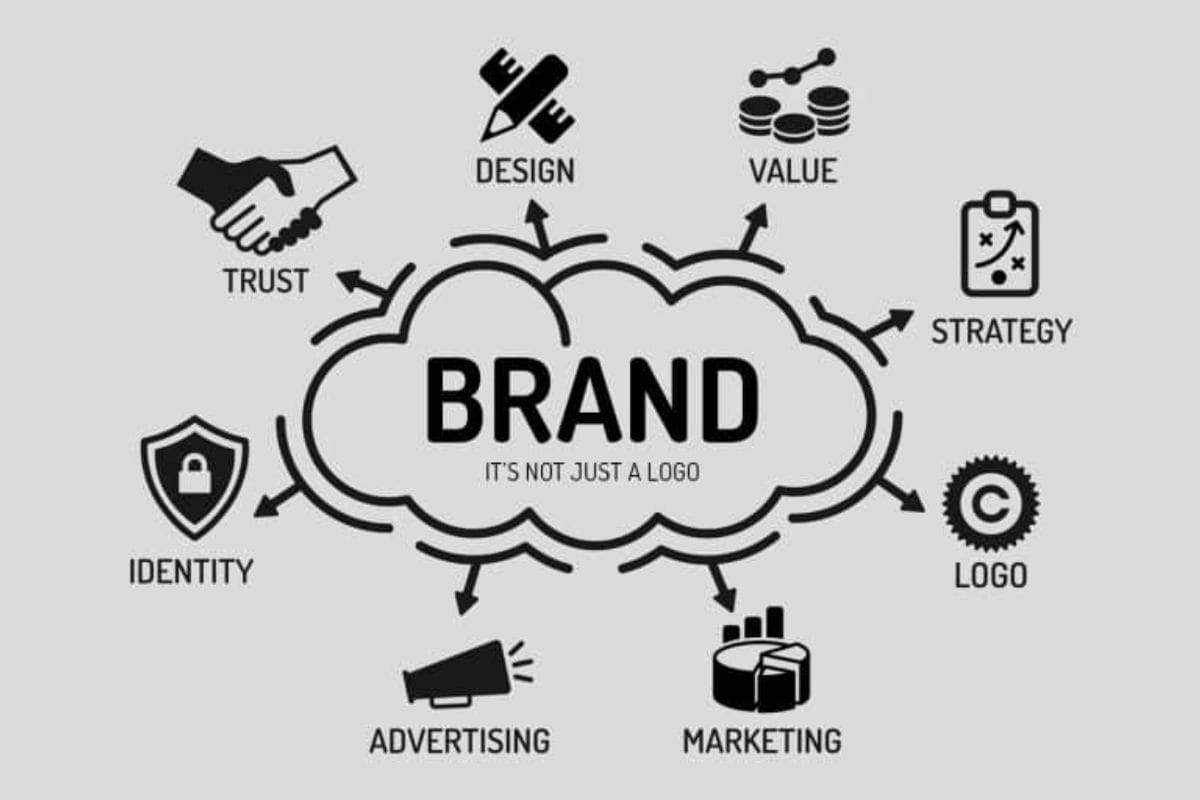
Customers today, especially in Dubai’s cosmopolitan environment, want to support brands that stand for something—be it sustainability, inclusion, ethics, or social impact.
- Don’t just say you care. Prove it in your choices (suppliers, materials, team).
- Partner with causes that matter to your audience.
- Let your values show in your daily operations.
Example: The Smash Room
This out-of-the-box entertainment concept allows people to break stuff in a safe space to release stress—but they do it with a strong sustainability ethos. All the electronics smashed are non-functional and recycled properly. They take a bold brand idea and tie it to mental health advocacy and green thinking. That makes people feel good about spending time there.
Create Moments People Can Share

A big part of brand love is word of mouth. People love to talk about brands that make them feel something—especially when there's a photo opportunity.
- Design experiences that are “Instagrammable” without trying too hard.
- Use packaging, delivery, signage, and events to spark content.
- Reward customers for sharing their love (without begging for it).
Example: Saya Brasserie
This café isn’t just a place to eat—it’s a place to take photos, propose, celebrate, and dress up for. Every corner is photogenic, every dish is stylized. They don’t market much—they let their customers do it for them. By creating emotional + aesthetic moments, they’ve built a cult following.
Educate to Empower
When you teach people something, they trust you more. When they use that knowledge and see results, they love you.
- Share educational content: tips, FAQs, use-cases, demos.
- Offer workshops or how-tos.
- Turn your product into a lifestyle.
Example: TishTash Communications
As a PR firm, they don’t just sell services. They host learning events, create value-led content for startups, and run networking communities for women in business. Their audience sees them as a support system, not a vendor. That creates long-term love.
Be Reliable in the Ways That Matter
Sometimes it’s not about surprise and delight—it’s about showing up every time. Reliability builds comfort. And comfort breeds loyalty.
- Deliver on promises. Always.
- Fix mistakes fast and politely.
- Stay reachable—don’t hide behind contact forms.
Example: CAFU
CAFU delivers fuel to your car wherever you are. Sounds basic, but their consistency, speed, and easy-to-use app has made them a favourite in Dubai’s on-demand economy. The value they provide is simple—but the peace of mind they create is what makes people stick.
Don’t Market for Eyeballs. Market for the Heart.
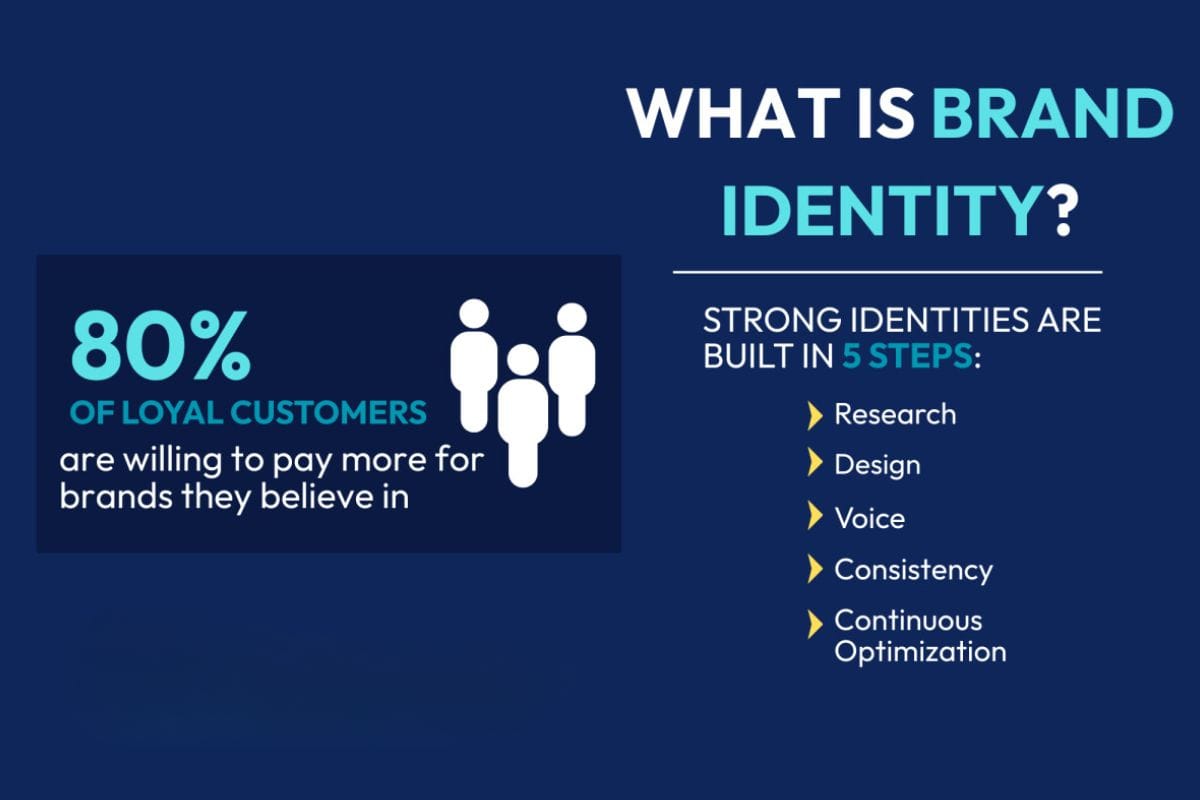
Most brands obsess overreach. But reach doesn’t equal love. Instead, focus on depth. Speak to the person who really needs you. If you do that well, they’ll bring others.
- Avoid clickbait. Embrace storytelling.
- Show the real people behind your brand.
- Think community, not audience.
Example: The Lighthouse
Part café, part concept store, part cultural hub—The Lighthouse has carved a niche by focusing on creative professionals, artists, and thinkers. They host talks, curate items, and share reflections that resonate with their tribe. Instead of being everywhere, they go deep. That’s how they win love.
Falling in love with a brand is like falling in love with a person. It takes trust, attention, shared values, small surprises, and consistency.
If you’re building a brand in Dubai, don’t focus only on reach or aesthetics. Build warmth. Build trust. Build meaning.
Your customers may forget what you sold them—but they’ll never forget how you made them feel.
Also Read:
 Shahba Mayyeri
 Umema Arsiwala
 Ummulkiram Pardawala
 Umema Arsiwala