
Customer expectations have changed dramatically. Today's consumers expect immediate responses, personalized experiences, and support available whenever they need it – not just during business hours. Meeting these expectations with human staff alone would require massive teams and unsustainable costs. This is where chatbots have become game-changers for businesses of all sizes.
Chatbots are AI-powered virtual assistants that simulate human conversation through text or voice. They handle customer queries, complete tasks, and provide support across websites, apps, and messaging platforms. When implemented thoughtfully, chatbots transform customer engagement by delivering instant, personalized, and scalable service that builds loyalty and drives growth.
The impact is measurable. Studies show that 87% of customers find chatbots effective for their needs. Businesses implementing chatbots report engagement increases of up to 40% in some cases, with cost savings reaching 30% through automation of routine tasks.
This guide explores how to use chatbots strategically to improve customer engagement, from understanding their capabilities to implementing them successfully across your business.
Understanding How Chatbots Transform Customer Engagement
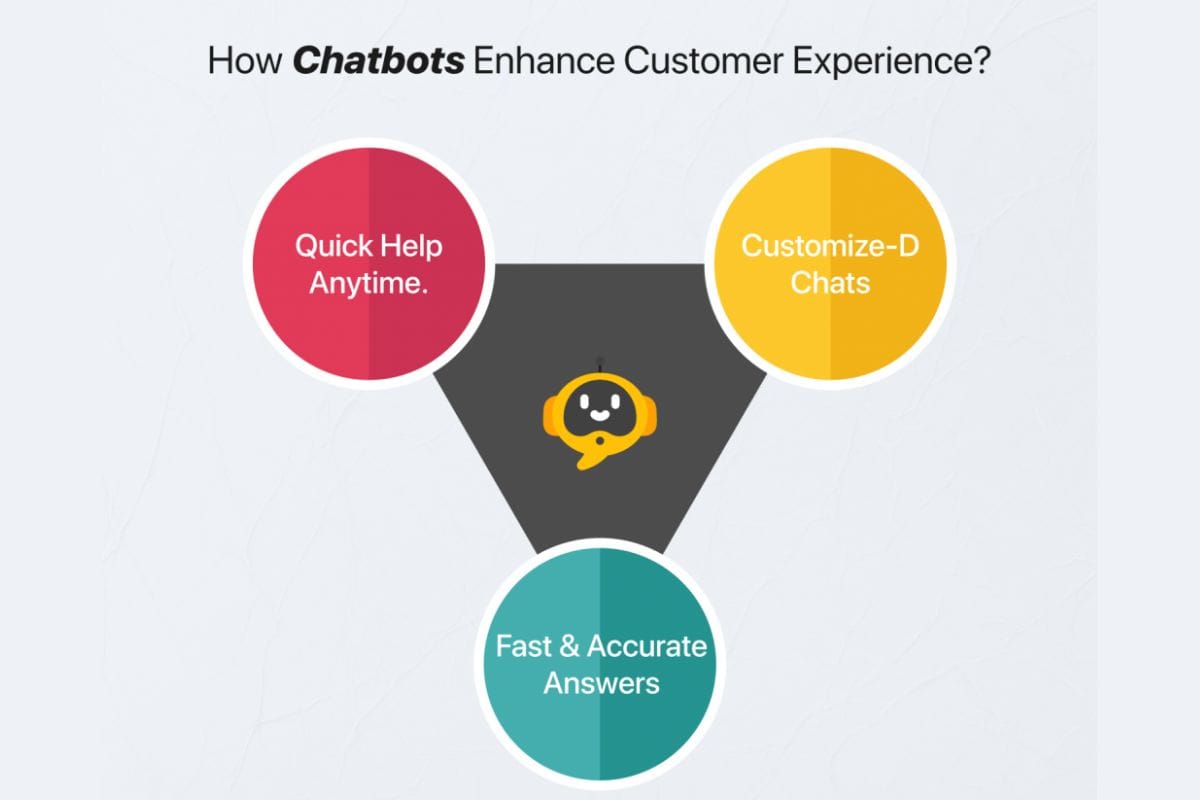
Chatbots aren't simply automated response systems – they're sophisticated tools that can fundamentally change how customers interact with your business. At their core, chatbots serve as first-line support, guiding users through purchases, resolving issues, answering questions, and gathering valuable data that helps refine your customer experience.
Modern chatbots fall into two main categories. Rule-based chatbots follow predefined scripts and decision trees, making them ideal for straightforward tasks like answering frequently asked questions or collecting basic information. AI-powered chatbots use natural language processing (NLP) to understand context, learn from interactions, and handle complex conversations that feel remarkably human.
The restaurant industry provides a clear example. Chatbots manage reservations, take orders, answer menu questions, and handle special requests – all without keeping customers on hold. This reduces wait times, improves satisfaction, and frees staff to focus on delivering excellent in-person experiences.
In healthcare, companies like MDFit use AWS-powered chatbots to automate 70% of customer service traffic, extending support hours far beyond what human teams could provide cost-effectively. E-commerce businesses deploy chatbots that track customer behavior, suggest products, and reduce cart abandonment through timely interventions.
Core Strategies for Using Chatbots Effectively
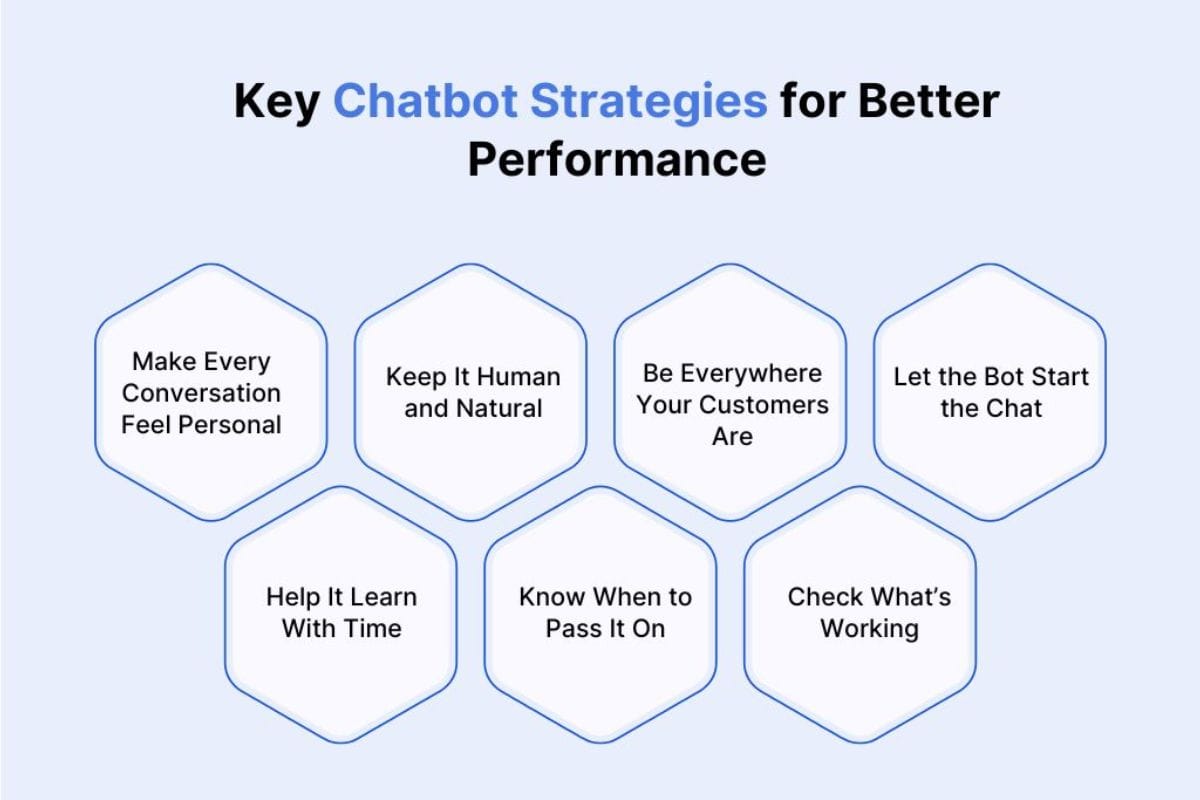
Success with chatbots requires more than just implementing the technology. You need strategic approaches that align with customer needs and business objectives.
Provide 24/7 Availability and Instant Responses
The most fundamental benefit chatbots offer is constant availability. Customers no longer need to wait until business hours or endure hold times to get help. Chatbots respond instantly, any time of day or night, eliminating the frustration of delayed responses.
Deploy chatbots integrated with your knowledge base to handle frequently asked questions immediately. When a customer asks about shipping policies at midnight, the chatbot provides accurate information instantly rather than making them wait until morning. This immediate response capability alone significantly improves customer satisfaction and reduces abandonment.
For routine queries that don't require human judgment – password resets, order status checks, store hours, return policies – chatbots excel at providing quick, accurate answers. This frees your human agents to focus on complex issues requiring empathy, creativity, or judgment.
Deliver Personalization Through Data Intelligence
Generic customer service frustrates modern consumers who expect businesses to recognize them and understand their preferences. Chatbots leverage customer data to create personalized experiences that build loyalty without overwhelming your human resources.
In e-commerce, chatbots analyze browsing history and purchase patterns to suggest relevant products. When a customer who frequently buys running shoes visits your site, the chatbot might proactively highlight new athletic footwear arrivals or complementary items like athletic socks or fitness trackers. This personalization increases conversions while making customers feel understood.
Chatbots remember past interactions, allowing customers to pick up conversations where they left off rather than repeating information. When a returning customer asks about their previous order, the chatbot accesses their history instantly and provides specific details without requiring the customer to dig up order numbers or repeat their story.
Engage Proactively Rather Than Just Reactively
Waiting for customers to reach out with problems represents missed engagement opportunities. Effective chatbots engage proactively, initiating conversations that add value and keep customers connected with your brand.
Proactive engagement includes sending appointment reminders, notifying customers about order status changes, alerting them to products back in stock, offering assistance when customers spend significant time on specific pages, and providing personalized recommendations based on behavior.
Real-world data shows impressive results. Businesses report 60-70% success rates in appointment scheduling when chatbots proactively reach out to qualify leads and book times. This proactive approach converts interest into action more effectively than waiting for customers to navigate scheduling themselves.
Implement Omnichannel Integration
Modern customers don't interact with businesses through single channels. They might browse your website, ask questions on Facebook Messenger, make purchases through your mobile app, and seek support via SMS. Effective chatbot deployment meets customers wherever they are through seamless omnichannel integration.
Ensure your chatbot maintains conversation context across channels. If a customer starts a conversation on your website and continues it later via your mobile app, they shouldn't need to repeat information or restart the interaction. This continuity creates smooth experiences that respect customers' time and preferences.
Omnichannel integration also includes multilingual support, allowing you to engage global audiences effectively without hiring multilingual staff for every supported language. Chatbots translate conversations in real-time, making your business accessible to customers regardless of their preferred language.
Collect Feedback and Gather Actionable Insights
Every chatbot interaction generates valuable data about customer needs, preferences, pain points, and behaviors. Smart businesses use chatbots not just for customer service but as intelligence-gathering tools that inform broader business decisions.
After interactions, chatbots can request ratings and feedback, providing immediate insight into customer satisfaction. Unlike traditional surveys that require separate outreach, this integrated feedback feels natural and achieves higher response rates.
Beyond direct feedback, analyze chatbot conversation logs to identify trends. What questions get asked most frequently? Where do customers express confusion? Which products or features generate the most inquiries? These patterns reveal opportunities to improve products, update documentation, or adjust marketing messages.
Healthcare organizations use chatbot analytics to identify common patient concerns and adjust services accordingly. E-commerce businesses analyze chatbot data to refine product descriptions, improve navigation, and optimize the purchase process based on actual customer behavior rather than assumptions.
Make Conversations Dynamic with Multimedia
Text-only conversations can feel limited and sometimes fail to convey information effectively. Modern chatbots incorporate multimedia elements – images, videos, infographics, interactive buttons, and quick-reply options – that make conversations more engaging and effective.
When a customer asks about product features, the chatbot can share product images or demonstration videos alongside text explanations. For troubleshooting technical issues, visual guides often communicate solutions more clearly than text instructions. Interactive elements like buttons and carousels make it easy for customers to navigate options without typing lengthy responses.
These dynamic elements improve both understanding and retention while making interactions feel more engaging and less robotic. The result is better customer experiences and more successful interactions.
Measurable Benefits Across Industries
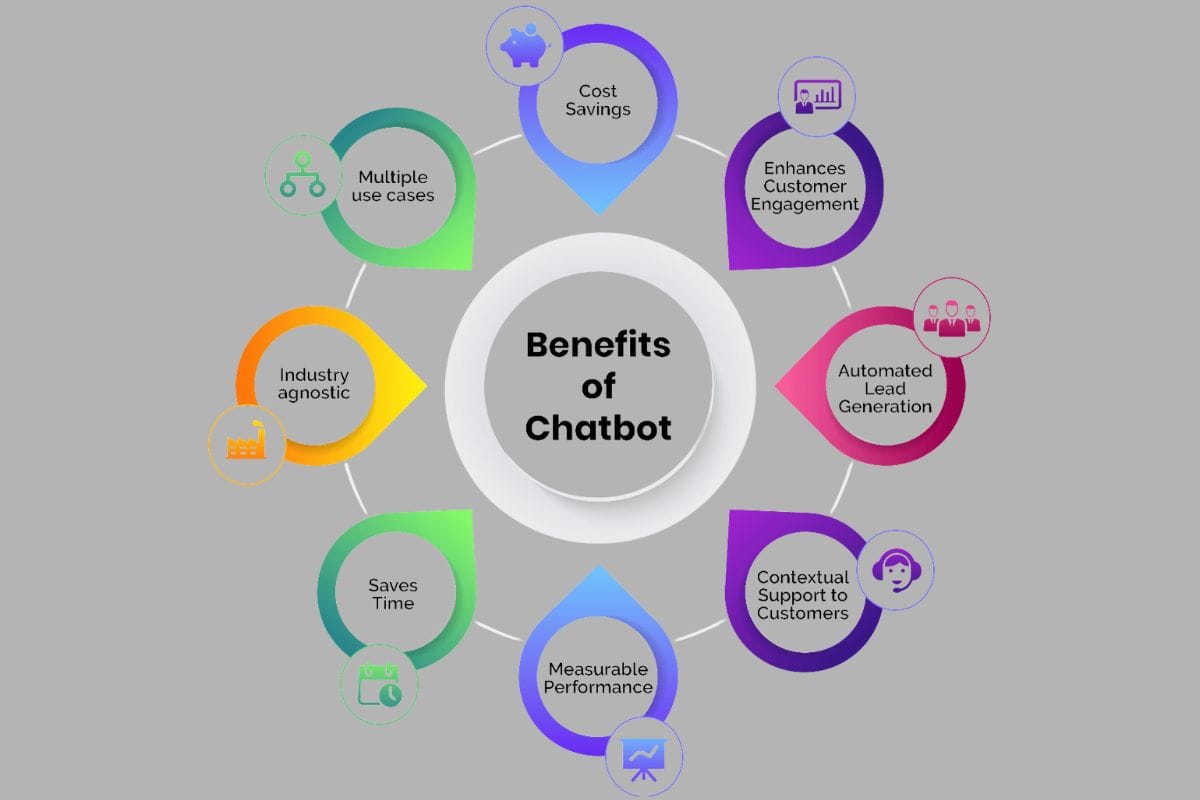
The strategic advantages of chatbots translate into concrete benefits that impact your bottom line.
Enhanced Customer Satisfaction and Loyalty
Chatbots that provide consistent, helpful, and empathetic responses create positive experiences. Studies indicate that 80% of users have positive experiences with well-implemented chatbots. This satisfaction builds loyalty as customers appreciate businesses that respect their time and provide reliable support.
The key is consistency. Unlike human agents who might have good or bad days, chatbots maintain consistent quality across every interaction. Customers receive the same helpful, professional service whether they reach out at 9 AM on Monday or 2 AM on Saturday.
Cost Efficiency and Operational Savings
Automating routine customer service tasks reduces operational costs significantly. Businesses report cost reductions of up to 30% through chatbot implementation, with some achieving ROI of 370% or higher. Source: Chatbot ROI studies
These savings come from reducing the volume of inquiries requiring human agent time. When chatbots handle FAQs, password resets, order tracking, and other routine requests, your expensive human talent focuses on complex situations where their skills add genuine value. This improved resource allocation benefits both your budget and your customers.
Unprecedented Scalability
Human customer service faces inherent scalability limitations. Adding capacity means hiring, training, and managing more staff – processes that take time and money. Chatbots scale instantly, handling hundreds or thousands of simultaneous conversations without degrading response quality or speed.
This scalability proves particularly valuable during high-traffic periods: product launches, seasonal sales, or unexpected surges in demand. Your chatbot handles the volume surge without customers experiencing longer wait times or overwhelmed agents providing subpar service.
Sales Growth Through Better Engagement
Chatbots don't just provide support – they drive sales. By qualifying leads, answering pre-purchase questions, providing personalized product recommendations, reducing cart abandonment through timely interventions, and streamlining the purchase process, chatbots increase conversion rates and average order values.
E-commerce businesses using chatbots for product recommendations report engagement boosts up to 40%. The combination of instant responses, personalized suggestions, and proactive assistance moves customers from browsing to purchasing more effectively than traditional approaches.
Data-Driven Business Intelligence
Every chatbot conversation generates data that informs better business decisions. Analyze interactions to understand customer needs, identify common pain points, discover product gaps, optimize marketing messages, and improve user experience design.
This intelligence helps you evolve your business based on actual customer behavior and preferences rather than assumptions or small sample surveys. The insights gathered through thousands of chatbot interactions provide a comprehensive view of your customer base's needs and expectations.
Best Practices for Implementation Success

Implementing chatbots successfully requires thoughtful planning and execution. Follow these best practices to maximize results:
Choose Appropriate Technology for Your Needs
Select chatbot technology matching your use case complexity. For straightforward tasks like FAQ handling, rule-based chatbots work well and cost less to implement. For complex conversations requiring context understanding and learning capability, invest in AI-powered solutions like Amazon Lex, IBM watsonx Assistant, or similar platforms that use natural language processing.
Consider integration requirements with your existing systems. Chatbots work best when connected to your CRM, inventory management, order tracking, and other business systems, enabling them to access the information needed to provide truly helpful service.
Add Personality Aligned with Your Brand
Generic, robotic chatbots feel impersonal and don't engage customers effectively. Give your chatbot personality that aligns with your brand voice. A playful brand might use humor and casual language, while a professional services firm maintains more formal, polished communication.
This personality makes interactions feel more natural and strengthens brand identity. Customers should recognize they're interacting with your business through the chatbot's communication style, not with a generic automated system.
Provide Clear Fallback to Human Support
No chatbot handles every situation perfectly. Build clear pathways for transferring customers to human agents when necessary. Make this option obvious and easy to access – customers shouldn't feel trapped with an unhelpful chatbot when their issue requires human judgment or empathy.
Train your human agents to review chatbot conversation history so customers don't need to repeat information after transfer. This seamless handoff maintains positive experiences even when automation reaches its limits.
Test Thoroughly Before Full Deployment
Launch your chatbot in phases, starting with limited functionality or specific customer segments. Monitor performance closely, gather feedback, and refine before expanding deployment. This iterative approach prevents small issues from becoming major customer satisfaction problems.
Test edge cases and unusual scenarios. Real customers ask unexpected questions and phrase requests in surprising ways. Thorough testing helps you identify gaps in your chatbot's knowledge or capabilities before they frustrate actual customers.
Monitor Analytics and Optimize Continuously
Track key performance indicators: resolution rates showing how often the chatbot solves issues without human intervention, customer satisfaction ratings for chatbot interactions, average handling time compared to human agents, and containment rates measuring what percentage of inquiries the chatbot completes independently.
Use these metrics to identify improvement opportunities. Update your chatbot's knowledge base regularly with new information, refine responses based on customer feedback, and expand capabilities as you identify common needs the chatbot doesn't currently address.
Ensure Privacy and Build Trust
Customers share personal information with chatbots. Maintain trust by being transparent about data collection and usage, complying with relevant privacy regulations like GDPR, implementing strong security measures for data protection, and offering clear privacy policies accessible during conversations.
Privacy breaches or misuse of customer data destroy trust far faster than chatbots build it. Make data protection a priority in your implementation.
Addressing Common Challenges
Despite their benefits, chatbots present challenges that require careful management.
User frustration occurs when chatbots misunderstand requests or provide irrelevant responses. Mitigate this by setting clear expectations about chatbot capabilities, providing easy escalation to human support, and continuously improving natural language understanding through machine learning.
Privacy concerns arise when customers worry about how their data is used. Address this through transparency, clear privacy policies, and demonstrable security measures that protect customer information.
Implementation complexity can overwhelm businesses new to chatbot technology. Start simple, focusing on clear use cases with measurable value, then expand capabilities gradually as you gain experience and confidence.
The Future of Chatbot Engagement

Chatbot technology continues evolving rapidly. Emerging trends include generative AI models enabling even more natural, contextual conversations, voice integration allowing customers to speak with chatbots naturally, predictive analytics that anticipate customer needs before they're expressed, and emotion recognition helping chatbots respond appropriately to customer sentiment.
These advances will make chatbots increasingly sophisticated and valuable for customer engagement. Businesses investing in chatbot capabilities now position themselves to leverage these improvements as they become available.
Chatbots represent powerful tools for improving customer engagement, but they're not magic solutions that work without thoughtful implementation. Success requires understanding customer needs, choosing appropriate technology, designing helpful interactions, monitoring performance, and continuously optimizing based on results.
When implemented well, chatbots make your business more accessible, responsive, and helpful. That combination creates the engaged, loyal customers every business needs to thrive.
Also Read:
 Ummulkiram Pardawala
 Maryam Pervez
 Umema Arsiwala
 Shahba Mayyeri
 Ummulkiram Pardawala