
UAE startups began shifting toward remote-first models after the global health crisis in 2020. By 2022, many firms tested hybrid arrangements to maintain operations during restrictions. This approach allowed access to skills beyond local markets. In 2023, adoption grew as companies saw productivity hold steady or improve. Surveys from that period showed 50% of employees in Dubai and Abu Dhabi reported equal or higher output when working remotely. By 2024, hybrid models became standard in 68% of UAE businesses, driven by a need for flexibility in a competitive economy.
In 2026, remote-first strategies are common among startups. Data indicates over 70% of tech startups hire remotely, prioritizing skills over location. The UAE's employment rate stands at 78.42%, with remote roles contributing to this figure. Global hiring extends to Europe, Asia, and the Americas, where talent in software development, data analysis, and cybersecurity is abundant. Economic reports project UAE GDP growth at 5% in 2026, supported by non-oil sectors at 77.5% of GDP. This growth ties to diversification efforts, where remote teams help scale without heavy local infrastructure costs.
Historical context shows the UAE's startup ecosystem evolving from oil-dependent to innovation-focused. Initiatives like Dubai Future Foundation and Abu Dhabi Global Market (ADGM) have fostered this change since the early 2020s. Key statistics include a 15% CAGR in fintech markets, reaching USD 2.5 billion by 2028. Remote hiring supports this by bringing in diverse expertise.
Key Drivers of the Remote-First Shift
Economic factors play a central role. The UAE aims to reduce oil reliance, with non-oil sectors driving 4.5% GDP growth in Dubai for 2026. Startups benefit from lower operational costs through remote models, saving on office space and utilities. Labor expenses drop by accessing affordable talent from regions like Eastern Europe or South Asia, where salaries are 30-50% lower than in the UAE for similar roles.
Technological enablers support this transition. AI integration is a priority, with 92% of UAE executives ready to implement it under governance. Tools like cloud computing and collaboration software make remote work seamless. High-speed internet in the UAE, ranking among the world's best, ensures reliable connections.
Government policies facilitate global hiring. The remote work visa, updated in 2026, requires six months of bank statements proving USD 3,500 monthly income. This doubles the prior three-month requirement, ensuring stable applicants. Digital nomad programs, like Dubai's Virtual Work Visa, allow one-year residency without local sponsorship. These policies attract professionals while aligning with economic goals.
Hiring Strategies for Global Talent

UAE startups identify talent pools by focusing on regions with strong skills in tech, fintech, and e-commerce. Europe provides expertise in software engineering from countries like Germany and Poland. Asia, particularly India and Pakistan, offers cost-effective developers. The Americas supply innovation in areas like AI from the US and Canada.
Recruitment uses platforms like LinkedIn for networking and Upwork for freelancers. Niche sites, such as Remote.co or FlexJobs, target remote specialists. Startups also join Slack groups or Discord servers where founders share opportunities.
Legal requirements include compliance with UAE labor laws from MOHRE. International hires need contracts outlining remote terms, adhering to working hours and overtime rules. Tax implications involve the 9% corporate tax, but remote workers abroad may face home country taxes. Compliance ensures no misclassification of contractors as employees.
Operational Models for Remote Teams
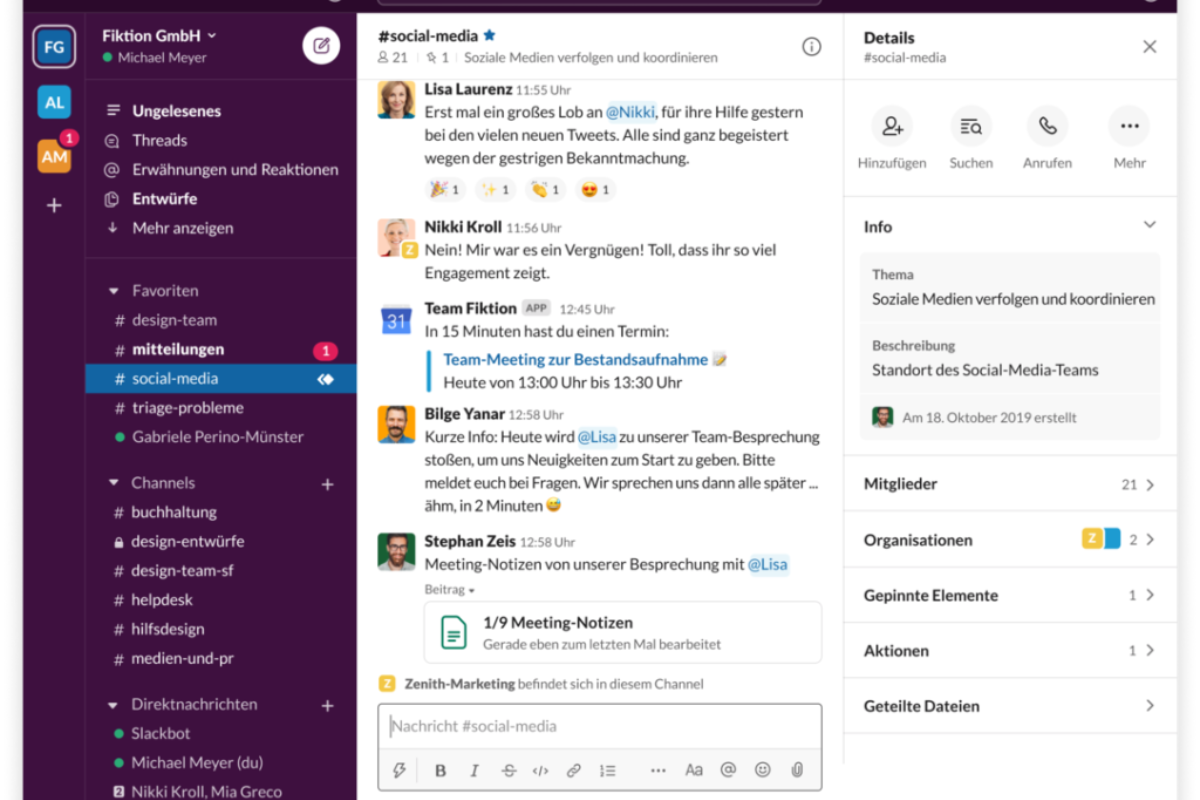
Startups in the UAE establish remote teams by first outlining clear job descriptions and performance metrics. This step ensures everyone understands their responsibilities from the outset. For instance, roles in tech startups often include software engineers from Europe and APAC, with expectations tied to deliverables like code commits or feature deployments.
Compliance with local laws is essential; tech firms hiring across the UAE, Europe, and APAC must align with employment regulations, such as those from the Ministry of Human Resources and Emiratisation (MOHRE), which now incorporate remote work into contracts. Onboarding processes use digital platforms to integrate new hires quickly, including virtual training sessions on company tools and policies.
Project management relies on tools like Asana for task assignment and Trello for visual workflows. These allow teams to track progress in real time, with features for setting deadlines and dependencies. For larger projects, Jira is common among UAE startups for its integration with development pipelines. Communication centers on Slack for instant messaging and threaded discussions, reducing email clutter.
Zoom handles video calls, offering breakout rooms for focused group work, while Microsoft Teams provides file sharing and persistent channels. According to comparisons, Zoom excels in video quality for large meetings, Slack in quick integrations, and Teams in comprehensive office suite connectivity. Asynchronous tools like Loom for video messages help when live interaction is not possible.
Productivity focuses on results, using tools like Time Doctor for time tracking without micromanaging. Managers set key performance indicators (KPIs) such as completed sprints in agile setups. Regular check-ins include daily stand-ups via Slack bots and bi-weekly one-on-ones through Zoom to discuss blockers. To handle time zones, teams schedule core hours where overlap occurs, like mornings for UAE and Europe. Asynchronous updates via shared documents in Google Workspace ensure continuity.
In hybrid models, which are standard in 68% of UAE businesses, tools integrate office and remote workflows for seamless operations.
Benefits Observed in UAE Startups
Diverse talent pools improve decision-making in UAE startups. Teams from various continents offer unique insights, such as European compliance knowledge enhancing fintech security features. This leads to 34% higher productivity in hybrid setups. Cost savings arise from minimal office requirements, with reductions of 20-30% in real estate and utilities, freeing capital for R&D. Remote models also cut recruitment expenses by accessing lower-salary regions without relocation costs.
Innovation thrives as international hires bring fresh approaches. For example, APAC developers introduce efficient algorithms for e-commerce platforms, accelerating product cycles. Startups report 28% better employee retention due to flexible schedules, reducing turnover in competitive sectors like tech. Wider talent availability allows hiring specialists in AI or cybersecurity, supporting UAE's digital economy goals. Overall, these benefits position startups for faster scaling and sustained growth.
Challenges and Solutions
Coordinating across time zones disrupts meetings. UAE teams address this by establishing overlapping hours, such as 9 AM to 12 PM UAE time for Europe, and using recorded sessions for others. Tools like World Time Buddy help plan schedules.
Cultural differences can lead to misunderstandings. Solutions involve cultural sensitivity training via platforms like Coursera, and virtual icebreakers to build familiarity. Regular feedback loops ensure inclusivity.
Data security risks increase with remote access. Startups implement VPNs, multi-factor authentication, and encrypted storage like Google Drive. Compliance with UAE's data protection laws, including regular audits, mitigates threats. Communication gaps arise from missing non-verbal cues. Asynchronous tools and clear protocols, like emoji reactions in Slack, help. Building trust through consistent check-ins prevents isolation. Management struggles with performance tracking are solved by outcome-based KPIs and tools like Hubstaff for insights without intrusion.
Detailed Case Studies of UAE Startups
Tabby, founded in 2019 in Dubai, shifted to remote-first in 2023. It now employs over 200 staff, including Indian developers for backend systems and US managers for product strategy. This setup reduced time-to-market by 25%, contributing to its $3.3 billion valuation in 2025. Remote teams focus on features like payment integrations, enabling expansion to Saudi Arabia.
YAP, launched in 2021 as a digital banking platform, hires European experts for regulatory compliance and Asian coders for app development. Its remote model supports services like remittances, allowing growth without physical branches. The team handles analytics remotely, facilitating partnerships across the GCC.
Kitopi, an Abu Dhabi cloud kitchen operator, recruits American data analysts for supply chain optimization. Remote logistics software teams manage operations in multiple countries, supporting expansion to Europe. This approach cut costs and improved efficiency in food delivery.
Bayzat, a Dubai HR tech company since 2011, employs Pakistani engineers and European designers remotely. This diversity enhanced its payroll platform, boosting client retention through better interfaces. Bayzat raised $28 million, using remote hires to scale features like insurance integration.
Sarwa, started in 2017 for investment services, uses UK financial advisors and Southeast Asian coders remotely. This improved robo-advisory tools, increasing user engagement. Bayzat's case study notes Sarwa streamlined HR with remote systems, saving time on insurance processes.
Implementation Guides for Startups
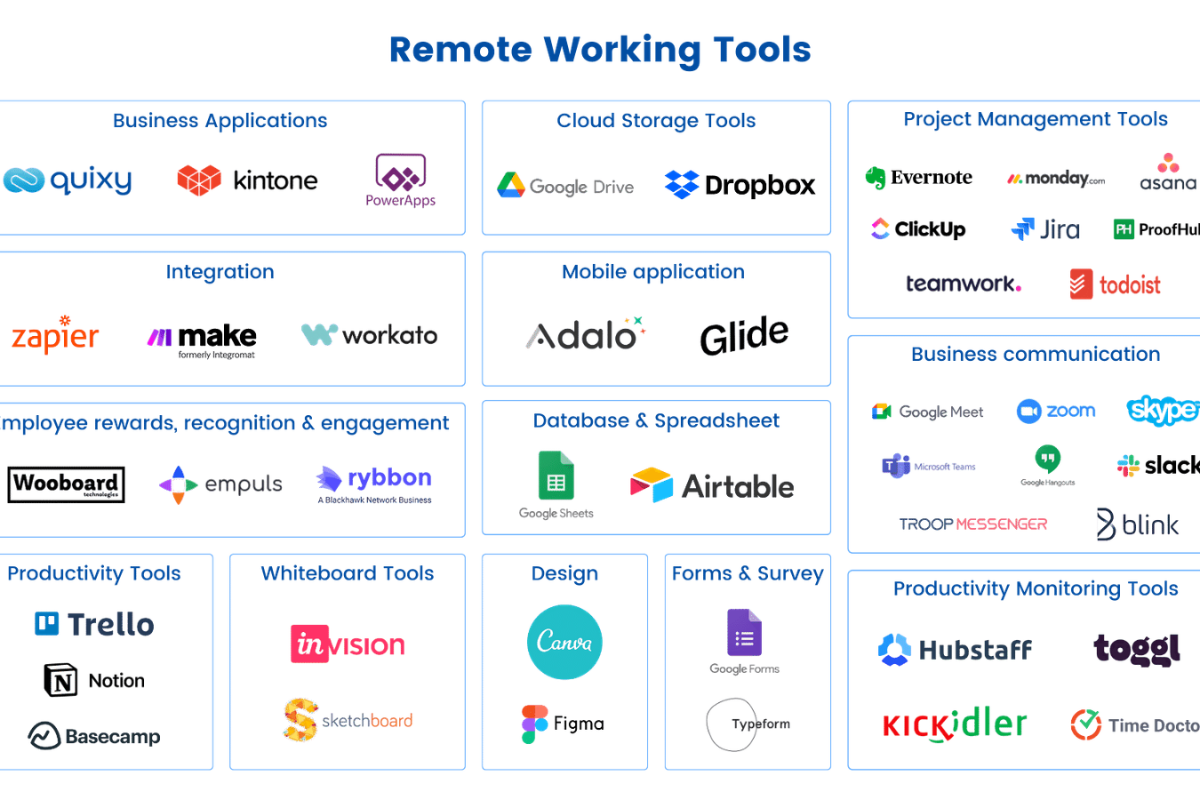
Transitioning to remote-first begins with auditing operations to identify remote-viable roles, like development over manufacturing. Next, revise policies to comply with MOHRE guidelines, including remote contracts and work hours. Invest in tools such as Slack and Zoom for collaboration.
Train leaders on remote management, focusing on trust and communication. Pilot with one department, gathering feedback before full rollout.
Building culture remotely uses virtual events like online trivia and shared digital values documents. Platforms for recognition, such as Bonusly, foster engagement. Regular surveys track morale, adjusting as needed. For UAE specifics, consider free zone setups for remote operations, avoiding physical offices.
Future Trends and Projections for 2026-2030
AI integration in remote tools will rise, automating tasks and enhancing collaboration. IMF projects 5% annual UAE growth, with tech hiring up 54% by 2030. Fintech and e-commerce lead, expanding remote hires to Africa. Hybrid models reach 80% adoption, blending flexibility with in-person elements. Workforce grows 12.1% by 2030, adding over a million jobs, driven by digital transformation.
Remote-first adoption in UAE startups adapts to global dynamics, bolstering economic diversification. It streamlines operations, fosters innovation, and aligns with national visions like UAE Digital Economy Strategy. This ongoing shift cements the UAE's role as a leading innovation center.
Also read:
 Ummulkiram Pardawala
 Shahba Mayyeri
 Shahba Mayyeri