
WhatsApp has become one of the most deeply rooted apps in everyday life across the UAE. With more than 80% of residents using it daily, it’s a space where personal conversations, community updates, and now business interactions all blend seamlessly. In a country known for its digital connectivity, WhatsApp has quietly evolved into an essential communication channel for nearly every age group and nationality.
Across Dubai, people use it to confirm appointments, ask for product details, place orders, and get after-sales support — often in real time. For many small and medium businesses, this direct and familiar communication has replaced lengthy emails and contact forms. The ease of sending a quick message, sharing a photo, or making an inquiry instantly fits perfectly with Dubai’s fast-paced, mobile-first lifestyle.
How did a messaging app turn into such a vital business tool? What makes it so effective in a city that values speed, convenience, and personalization? And how can business owners use it more strategically to build stronger customer relationships?
In this article, we explore how WhatsApp became the new storefront for Dubai businesses — and what it means for those looking to connect, serve, and grow in a city that never stops communicating.
The Shift: From Shopfronts to Chat Windows
Across Dubai, businesses are beginning to notice a simple truth — most customers now prefer to message before they browse. Instead of filling out website forms or waiting for email replies, they send a quick WhatsApp text to ask a question, check availability, or make a booking. This shift has quietly made WhatsApp the first point of contact for countless small and medium businesses in the city.
The idea driving this change is known as conversational commerce — where buying, booking, and customer support all take place through chat. It’s a natural fit for Dubai’s fast-paced culture, where people are used to quick, friendly exchanges and expect instant answers. In many cases, the conversation itself becomes the entire customer journey — from inquiry to confirmation — all within a single thread.
Take, for example, a boutique in Al Quoz or a salon in Jumeirah. Instead of sending customers to a website, they handle everything over WhatsApp. A customer sends a message asking about available styles or appointment slots, receives photos or timing options, confirms, and even pays — without ever leaving the chat. For some businesses, more than 80% of customer interaction now happens this way.
What’s driving this transformation? Trust and speed. WhatsApp feels personal — customers are already using it to talk to friends and family, so reaching a business through the same app feels comfortable and natural. And because responses arrive instantly, decisions happen faster. For Dubai’s business owners, this means one thing: the traditional storefront has moved into the chat window, open all day, every day, right on their customers’ phones.
How Businesses in Dubai Are Using WhatsApp Today
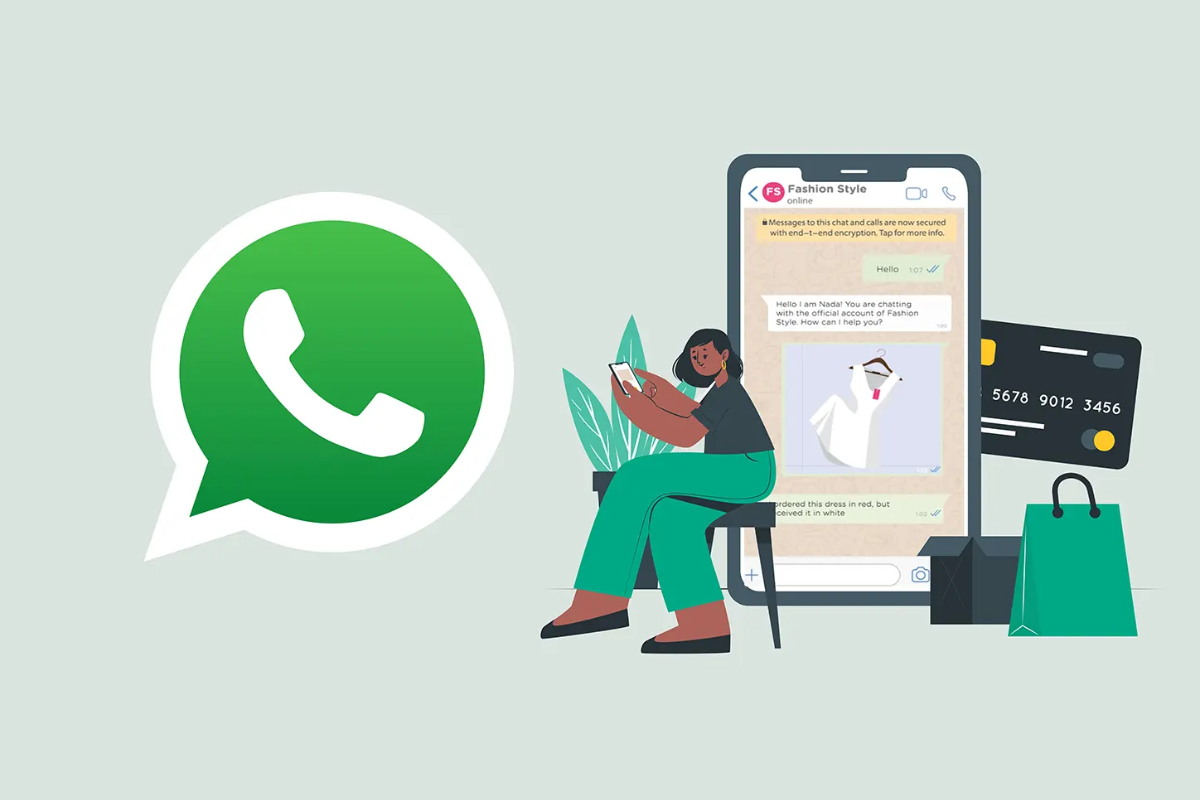
Across Dubai, WhatsApp has become a trusted space where businesses and customers connect in real time. From small boutiques to global service providers, it is now the communication tool that keeps sales moving, bookings confirmed, and relationships maintained. What makes it so effective is how naturally it fits into daily life — customers are already using it, and businesses simply meet them there.
Retail & E-commerce
Local retailers have found that conversations often lead to quicker decisions than websites do. Many Dubai-based fashion and beauty brands now use WhatsApp Business to share catalogues, answer sizing questions, and confirm payments. For example, several stores in City Walk and Al Quoz encourage shoppers to browse collections via WhatsApp before visiting in person. A study by Green Ads Global noted that UAE retailers using “click-to-WhatsApp” ads have seen higher engagement and faster conversions compared to other digital channels.
Service Providers
Salons, clinics, and professional consultants rely on WhatsApp for appointment confirmations and after-service communication. A Dubai-based beauty clinic using the WhatsApp Business API reported a 30% reduction in response time and smoother coordination between staff and clients. These quick exchanges — “Can I move my appointment?” or “Do you have this treatment today?” — build trust through efficiency.
Hospitality & Restaurants
Restaurants and hotels are using WhatsApp to simplify guest interactions. Some hotels in Downtown Dubai allow guests to make special requests or check-in details through WhatsApp instead of calling reception. Cafés and restaurants share menus or send promotional updates to regular customers through broadcast lists, making it easy for diners to reserve tables or pre-order meals within seconds.
B2B Companies
Even in professional and corporate settings, WhatsApp has become a reliable follow-up and lead management tool. Companies use it to share proposals, confirm meetings, and send quick updates to clients. Gyanberry, a Dubai-based education platform, integrated WhatsApp into its sales process and saw improved response rates and smoother communication with international students — a clear example of how effective conversational engagement can be at scale.
From local boutiques to enterprise firms, WhatsApp in Dubai is now more than a communication tool — it’s the bridge that connects speed, convenience, and human touch in a way no other platform currently can.
Setting Up Your “WhatsApp Storefront” the Right Way
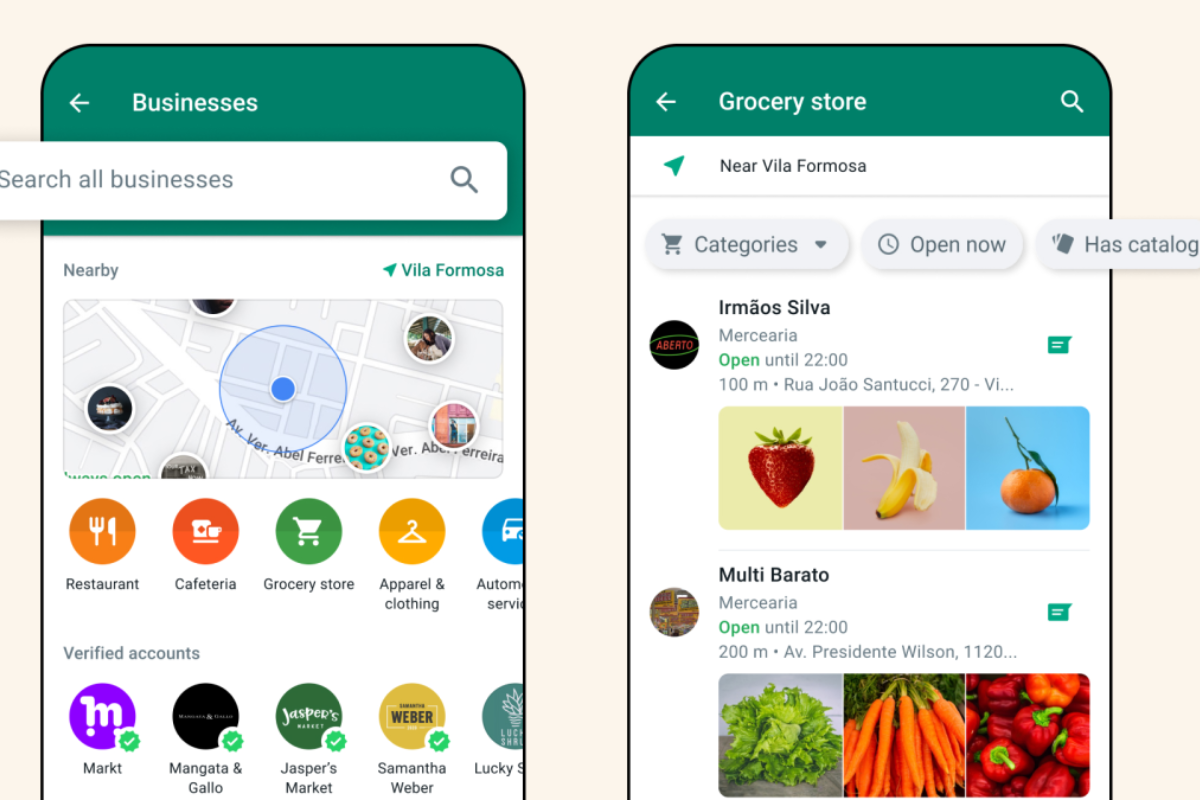
Creating a strong presence on WhatsApp can make your business feel more accessible and professional. Setting it up correctly from the start ensures customers see you as trustworthy and responsive — two things that matter most in Dubai’s fast-moving market.
1. Create a Professional Business Profile
Start by downloading the WhatsApp Business App, or if you’re managing a larger operation, setting up the WhatsApp Business Platform (API). Add your logo, business name, short description, working hours, address, and website or social media links. This small step builds credibility and helps customers instantly recognise your brand.
2. Add Your Catalogue or Service List
The catalogue feature lets you showcase your products or services directly in chat. You can upload images, short descriptions, and prices — turning WhatsApp into a browsing experience. For service-based businesses like salons, studios, or repair shops, this can be a simple list of offerings and packages. Sharing videos or PDFs within chat can make your storefront more interactive.
3. Use Quick Replies and Auto-Messages
Speed matters. Use WhatsApp’s automation tools to handle common queries:
- Set a greeting message to welcome customers when they first reach out.
- Add an away message during off-hours to manage expectations.
- Create quick replies for frequently asked questions like pricing, delivery times, or directions.
If you handle a high volume of messages, the WhatsApp API allows you to assign chats to multiple team members or automate responses using chatbots.
4. Add WhatsApp Links and QR Codes Everywhere
Make it easy for people to reach you. Place a click-to-WhatsApp link on your website, social media, and email signatures. In physical spaces, add QR codes on packaging, menus, posters, or receipts — so customers can start chatting with a quick scan. This seamless connection between online and offline touchpoints brings your storefront closer to your customer.
5. Choose the Right Setup for Your Business Size
- The WhatsApp Business App is free and ideal for small or single-location businesses. It supports one phone and desktop access, with all the basic tools you need.
- The WhatsApp Business Platform (API) suits medium to large companies. It allows multiple users, message templates, CRM or e-commerce integration, and advanced automation. It does require verification and setup through an official provider, but it’s worth it if you manage a larger customer base.
6. Stay Compliant and Respect Customer Privacy
In the UAE, businesses must follow local communication regulations and WhatsApp’s policies to maintain trust:
- Always get clear consent before sending promotional messages.
- Avoid sending repetitive or unsolicited messages — these can lead to account restrictions.
- If you use message templates through the API, ensure they are pre-approved by WhatsApp.
- Respect customer preferences and provide easy opt-out options.
Setting up your WhatsApp storefront the right way isn’t just about convenience — it’s about building trust through transparency, responsiveness, and accessibility. Once your foundation is ready, every chat can turn into an opportunity to connect, engage, and grow your business.
Turning Chats Into Conversions

Once your WhatsApp setup is in place, the next step is learning how to turn everyday conversations into meaningful sales. In Dubai, where customers value clarity and immediacy, success comes from guiding the discussion instead of simply responding to it.
A good chat feels effortless — a customer asks a question, you answer, and the dialogue naturally moves toward a decision. The goal is to make that decision easy. Share information in short, clear messages, include photos or short videos when needed, and gently move the conversation from interest to action. When handled well, most purchases or bookings can be finalised within a few exchanges.
For local businesses, language and tone are key. Many Dubai residents switch between languages mid-conversation, so maintaining flexibility builds comfort and trust. A quick follow-up in the customer’s preferred language often leads to faster confirmations and fewer misunderstandings.
The most effective businesses also focus on timing and flow. Quick, consistent replies keep the conversation alive and signal reliability. When communication feels smooth, customers are more willing to complete transactions directly through chat rather than shifting to another platform.
Measuring Success
To turn chats into a measurable sales channel, track key metrics regularly:
- Response time: The shorter, the better.
- Conversion rate: How many chats lead to a confirmed booking, sale, or store visit.
- Customer satisfaction: Ask for quick feedback after the interaction to understand what worked well.
- Retention: Monitor how many customers return via WhatsApp for future inquiries.
- Average order value: Compare sales made through chat with other platforms to see how WhatsApp performs.
These numbers help you understand what’s working — and refine your communication style for better results.
Common Mistakes & How to Avoid Them

Using WhatsApp as a business channel is powerful — but only when it is used wisely. Here are some common pitfalls frequent in Dubai’s business environment, and how to steer clear of them.
Mistake 1: Sending bulk messages without proper consent
Sending large broadcasts to customers who haven’t opted in is risky. It can annoy recipients, trigger complaints, and may lead to your number being restricted or blocked.
How to avoid it: Build your contact list through clear opt-in — via website sign-up, store form, or WhatsApp chat invitation. Segment your audience so you only send relevant content, and always include an easy opt-out option.
Mistake 2: Using personal numbers for business
Running your business communications from your personal WhatsApp number can hurt credibility, create confusion between personal and professional, and limit your access to business features.
How to avoid it: Use the WhatsApp Business App or the Business Platform (API) with a dedicated business number. This gives you access to business profile, quick replies, labels, and multiple agent support — and presents a professional front to your clients.
Mistake 3: Ignoring or delaying customer queries
In Dubai’s fast-moving marketplace, slow responses or ignored chats damage trust and open the door for customers to move to competitors.
How to avoid it: Set clear response time targets, use automated greetings or away messages when offline, and use quick replies or chat workflows to ensure no conversation goes unanswered. Treat WhatsApp conversations as live touchpoints, not just ad-hoc chats.
Mistake 4: Not measuring chat outcomes
Without tracking how chats turn into sales, bookings, or walk-ins, you miss the chance to optimise your WhatsApp strategy or understand what works.
How to avoid it: Define metrics like response time, chat-to-conversion rate, average order value from chats, and customer satisfaction. Set up simple dashboards or sheets to monitor performance and refine your approach regularly.
Simple advice: Be personal, not pushy
WhatsApp is a conversational space, not a hard-sell broadcast medium. Personalise your messages with names, relevant context, light-hearted emojis if appropriate, and a human tone. At the same time, don’t bombard customers with frequent unsolicited offers. Respect their space — that builds long-term trust.
By avoiding these common mistakes and staying thoughtful in your WhatsApp approach, you’ll protect your reputation, improve customer engagement, and transform your chat channel into a true business asset.
Quick Action Plan for Business Owners
- Download WhatsApp Business App – Get started with the official app to access business tools and separate work from personal chats.
- Set up profile and catalogue – Add your logo, business info, and a simple catalogue so customers can browse instantly.
- Train staff on tone and response speed – Keep replies friendly, accurate, and fast; consistency builds trust.
- Add click-to-WhatsApp buttons – Link WhatsApp to your website, Instagram, and ads to drive direct conversations.
- Track engagement weekly – Review response times, chat conversions, and customer feedback to keep improving.
WhatsApp has become more than a communication tool — it’s a daily bridge between businesses and customers, not only in Dubai but around the world. With its simplicity, reach, and personal touch, it offers a direct path to stronger relationships and faster results. For business owners, mastering this platform isn’t about adding another channel; it’s about being where customers already are — active, connected, and ready to engage.
Also read:
 Ummulkiram Pardawala
 Umema Arsiwala
 Ummulkiram Pardawala