As of January 2026, Dubai’s agribusiness sector has moved beyond experimental phases and into a period of scaled, commercial maturity. The UAE agriculture market is currently valued at approximately $3.45 billion, with projections suggesting a steady climb to $4.55 billion by 2032. This growth is underpinned by a 4.4% CAGR, driven by a strategic shift from high-volume imports to robust domestic production.
For investors and business owners, 2026 represents a unique entry point. The infrastructure is no longer just a blueprint; it is operational. This guide provides a grounded analysis of the current landscape, the infrastructure available, and the practicalities of operating an agricultural business in the emirate today.
1. Physical and Digital Infrastructure
The primary driver of agribusiness viability in 2026 is the concentration of resources in specialized zones. This allows businesses to benefit from shared logistics and reduced overheads.
Food Tech Valle
Located in the Warsan area, Food Tech Valley has become the central hub for the industry. In early 2026, the landmark "GigaFarm" project reached operational status. Spanning 900,000 square feet, this facility is designed to recycle 50,000 tonnes of food waste annually, converting it into organic compost and animal feed. For smaller investors, the valley offers:
- Production Zones: Ready-to-use plots for vertical and hydroponic farming.
- Logistics & Cold Storage: Integrated facilities that reduce the time between harvest and retail.
- R&D Centers: Access to labs for testing seed resilience and nutrient efficiency.
Jebel Ali and Dubai Industrial City
While Food Tech Valley focuses on innovation, Dubai Industrial City and the Jebel Ali Free Zone (Jafza) provide the scale needed for heavy processing and international export. These zones are essential for businesses focused on aquaculture and large-scale grain storage, offering direct proximity to DP World’s port infrastructure.
2. The Dubai Farms Initiative: Support for Entrepreneurs
Launched to empower local producers, the Dubai Farms program has become a cornerstone of the sector in 2026. Managed by the Dubai Municipality, the program provides a suite of practical services designed to lower the barrier to entry for residents and citizens.
The Application Process for 2026
To benefit from this initiative, entrepreneurs must follow a standardized digital workflow:
- Digital Registration: Access the Dubai Municipality (DM) website or the MOCCAE (Ministry of Climate Change and Environment) portal.
- Documentation: Provide a valid agricultural or commercial license (Professional or Industrial) and proof of facility lease or land ownership.
- Site Inspection: A technical team from the Al Awir Center for Agricultural Extension conducts a visit to verify facility standards.
- Enrollment: Upon approval, you gain access to subsidized fertilizers, seeds, and technical consultations.
The practical benefits are significant. Registered participants receive direct market connectivity, with the program facilitating contracts between local farms and major distributors like GMG or Union Coop, ensuring produce reaches supermarket shelves without the traditional "middleman" hurdle.
3. Commercial Viability: Focusing on High-Value Crops
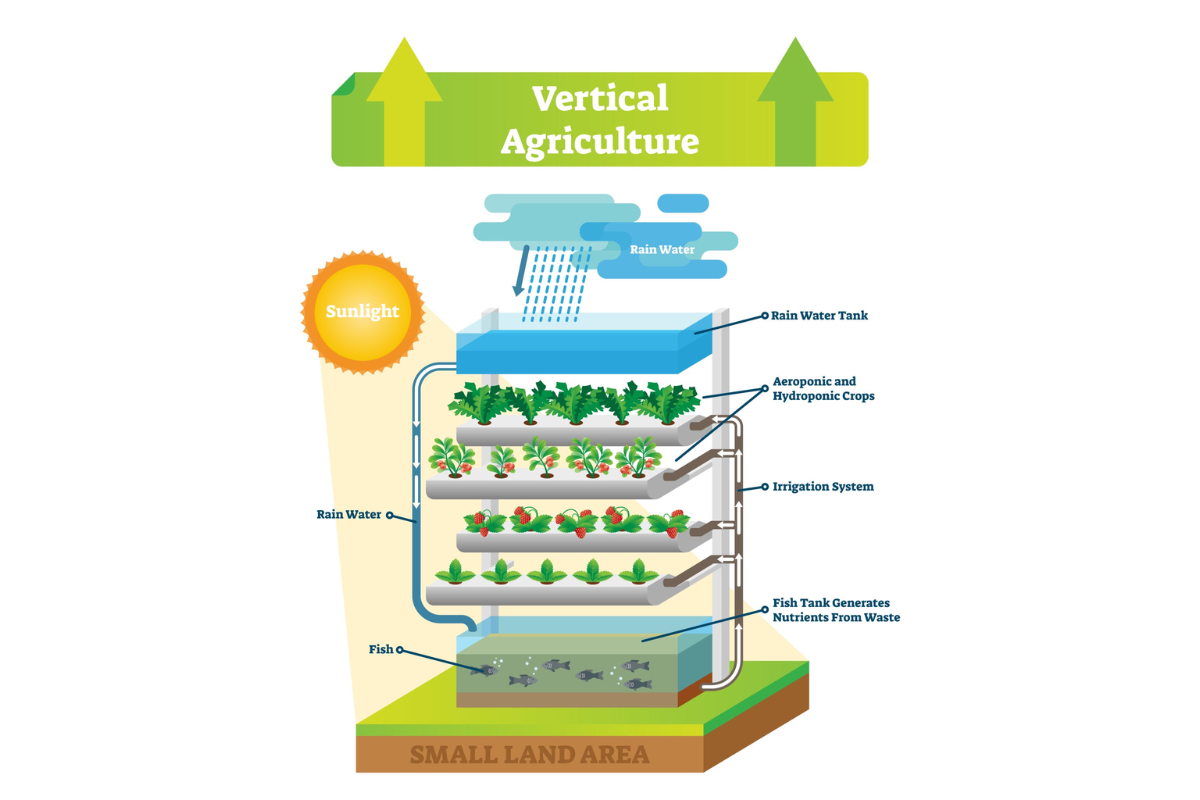
In 2026, the most profitable businesses are those moving toward "Middle-Market" crops—produce that balances high demand with manageable operating costs. Vertical farming is no longer limited to high-end microgreens; facilities like Bustanica have demonstrated that high-volume leafy greens (kale, spinach, and arugula) are commercially sustainable.
Emerging Profitable Niches:
- Berries and Specialty Fruits: Controlled Environment Agriculture (CEA) now allows for year-round production of strawberries and raspberries, which previously relied entirely on air-freighted imports.
- Gourmet Mushrooms: Mushroom farming in climate-controlled containers has seen growth, catering to the city's fine-dining sector with varieties like Shiitake and Oyster.
- Aquaculture: Land-based fish farming, particularly for salmon and sea bream, has become a viable alternative to sea-cage farming, providing a fresh, local protein source.
4. Operational Reality: Costs and Energy Management
Operating an agribusiness in a desert environment requires a clear understanding of utility costs. In 2026, energy management is the single most important factor in a farm's P&L statement.
DEWA Ag-Tariffs and Slab Rates
The Dubai Electricity and Water Authority (DEWA) offers specific slab tariffs for industrial and agricultural users. As of early 2026, the fuel surcharge for electricity is approximately 0.060 AED/kWh, while water stands at 1.100 AED/m³. To remain competitive, successful farms have adopted Solar Integration to offset cooling costs during peak daylight hours and Water Recovery systems that reclaim up to 90% of moisture from the air.
Operating Cost Comparison (Estimates for 2026)
| Expense Category | Traditional Greenhouses | Modern Vertical Farms |
| Water Usage | Moderate to High | Very Low (Recirculated) |
| Energy (Cooling/LEDs) | Low to Moderate | High |
| Labor Costs | Moderate (Manual) | Low (Automated/Technical) |
| Yield Consistency | Seasonal Variations | High (Year-round) |
5. Setup Guide: Choosing Your Jurisdiction
Where you register determines how you can trade and the level of support you receive.
Free Zones (Best for Tech & Export)
Free zones like Dubai Industrial City and Food Tech Valley offer 100% foreign ownership and 0% corporate tax on qualifying income. These are ideal for tech-heavy startups or firms looking to export "Made in Dubai" tech to the wider GCC.
Mainland (Best for Direct Local Supply)
For those intending to sell directly to local supermarkets or "Farmers' Souqs" without a third-party distributor, a Mainland License from the Department of Economy and Tourism (DET) is often more efficient.
Startup Cost Estimates (2026 Projections)
For a small-to-medium AgTech startup, the basic administrative setup costs are as follows:
- Trade License: AED 12,500 – 18,000
- Investor/Staff Visas: AED 10,000 – 12,000
- Flexi-Desk/Shared Space: AED 10,000 – 15,000
- Total Administrative Setup: AED 34,000 – 48,500
Note: Capital expenditure (CAPEX) for hydroponic racks and LED systems is an additional investment, often starting at AED 150,000 for a commercial-scale unit.
6. Financial Enablers: Funding the Future
Funding in 2026 has become more accessible through specialized agricultural products. The Emirates Development Bank (EDB) has allocated specific funds for "Ag-Tech Finance," offering lower interest rates for projects that demonstrate high water efficiency or food waste recycling capabilities. Additionally, the Dubai Unified License (DUL) now streamlines the process of applying for these loans by centralizing all company data for banking review.
Dubai’s agribusiness sector is characterized by stability and government-backed resilience. The transition from 2024 to 2026 has seen the city move from being a consumer of agricultural technology to a producer of it.
The market is no longer driven by speculation but by the tangible needs of a growing population and the strategic goals of the National Food Security Strategy 2051. While the sector remains challenging due to environmental extremes, those who leverage the current infrastructure, take advantage of DEWA Ag-tariffs, and utilize Dubai Farms subsidies will find a sustainable and increasingly profitable path in the Dubai economy.
Also read:
 Shahba Mayyeri
 Shahba Mayyeri
 Ummulkiram Pardawala
 Shahba Mayyeri