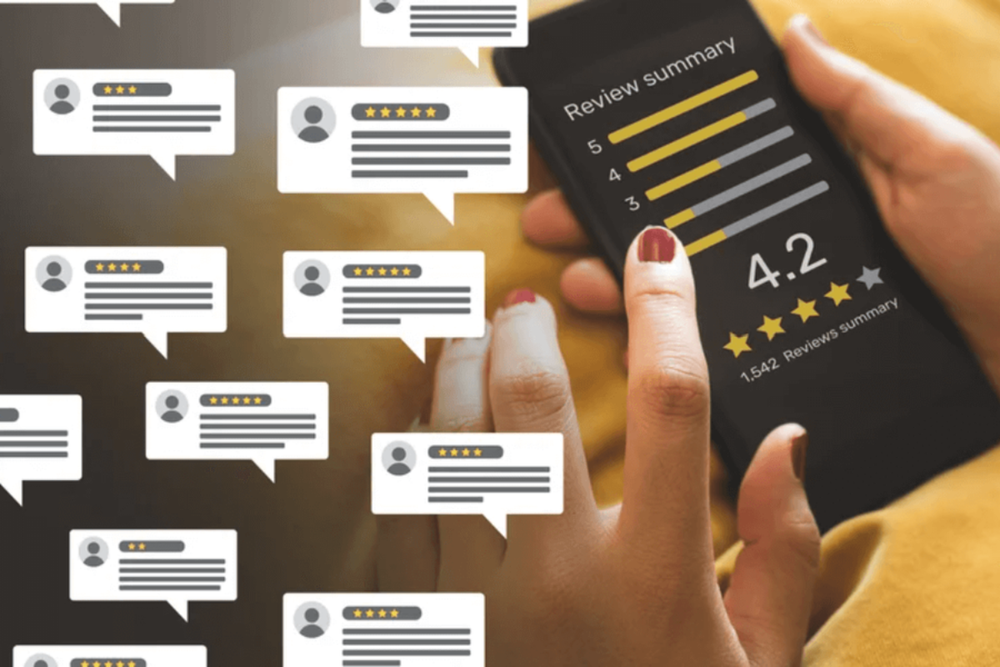
For a long time, shopping was a one-way street. Businesses decided what to sell, how to present it, and at what price — while consumers simply chose to buy or walk away. That model no longer holds true. Today’s retail environment thrives on interaction rather than mere transactions. Every click, search, review, and in-store choice feeds into how brands design their products, services, and overall experience.
Think about it — how often have your online reviews influenced future product updates? How many times has a brand responded directly to your feedback or tailored recommendations based on your browsing habits? These aren’t isolated moments; they reflect a shift in power, where consumers have become active co-creators of the shopping journey.
In the UAE, this shift is particularly pronounced. With one of the highest internet penetration rates in the world (99% of the population online in 2024) and a thriving e-commerce market valued at over USD 12 billion and projected to grow steadily through 2029, shoppers are digitally connected, vocal, and increasingly aware of their rights. Government initiatives like the UAE Consumer Protection Law and digital platforms for feedback have created an ecosystem where consumer behaviour genuinely influences business practices.
How are brands adapting to this new reality? And more importantly, how can consumers use their voice and choices to build better shopping experiences for everyone?
In this article, we’ll explore the two-way relationship between consumers and businesses, unpacking how behaviour, feedback, and participation shape the retail experience — and why this partnership matters more than ever.
How Consumer Behaviour Shapes Retail Experiences
Consumer behaviour—what people search for, buy, and respond to—shapes how retailers design every part of the shopping journey. The way customers browse, react to marketing, and adopt new technologies provides direct signals that businesses use to adjust their strategies and improve experiences.
Behavioural Patterns That Influence Retail
- Browsing habits and search patterns
When many shoppers filter by certain features like sustainability or fast delivery, brands highlight these options more prominently. If customers frequently abandon carts at a particular step, businesses redesign that part of the process to make it smoother. - Purchase preferences
Whether people prefer subscriptions, bundles, or single-item purchases impacts how products are packaged and promoted. In the UAE, a large portion of online purchases happens through mobile phones, so most retailers design mobile-first experiences. Many shoppers also research products online before buying in-store, which has pushed brands to integrate both digital and physical experiences seamlessly. - Response to marketing
How consumers interact with ads, emails, and notifications determines which messages and channels brands prioritise. High engagement shapes future campaigns, while low response rates prompt changes in approach.
Examples of Behaviour That Drive Change
- Shifting preferences
Growing interest in sustainability, convenience, and personalisation has led brands to adapt by offering eco-friendly lines, faster delivery options, and tailored recommendations. - Reviews and word-of-mouth
Feedback posted online has a real impact. Consistent complaints often lead to policy changes or product improvements, while positive reviews strengthen trust and loyalty. - Adoption of new technology
Consumer response to features like self-checkouts, loyalty apps, or AR try-ons shapes whether these tools become core parts of the shopping experience. High usage encourages further development, while low engagement pushes companies to rethink or replace them.
A Smarter Feedback Loop in the UAE
In the UAE, retailers actively analyse consumer behaviour using digital tools, data platforms, and feedback systems. Most shoppers use mobile devices and multiple digital features during their shopping journeys. This gives businesses a detailed view of preferences and pain points, allowing them to make quick adjustments. City-wide initiatives like sentiment tracking and clear consumer protection frameworks further strengthen this two-way relationship, making the feedback loop more responsive and effective than ever.
Why Active Consumer Participation Matters

When consumers move from being passive buyers to active participants, they help shape a stronger and more accountable retail environment. Their behaviour, feedback, and awareness influence how businesses operate, pushing them to improve quality, become more transparent, and innovate in ways that meet real needs.
Feedback plays a central role in this process. When shoppers speak up about delays, unclear return policies, or poor product quality, it gives businesses a clear direction for improvement. Over time, these small actions raise the overall standard of service, encouraging other retailers to follow suit. The way people browse, buy, and interact with brands also acts as a signal. Consistent interest in faster delivery, sustainable packaging, or smoother digital experiences drives companies to adapt and invest in better solutions.
Rights awareness is equally important. When consumers know what they’re entitled to, they can hold businesses accountable. This prevents unfair practices and ensures that companies comply with regulations designed to protect shoppers. Together, these elements form a feedback loop that strengthens the entire retail experience.
In the UAE, this dynamic is supported by strong consumer protection frameworks. The law guarantees key rights such as fair pricing, accurate product information, and the ability to get refunds, repairs, or replacements for defective goods. If a price drops within a week of purchase, consumers can claim the difference. E-commerce regulations apply the same principles online, requiring sellers to provide clear details and banning clauses that unfairly limit consumer rights.
Beyond legal protections, official complaint portals give shoppers structured ways to resolve issues. Platforms run by the Ministry of Economy and Dubai’s Consumer Rights department allow individuals to report problems directly, ensuring their concerns are addressed through formal channels rather than being lost in online noise.
Active participation, supported by these frameworks, doesn’t just benefit individual shoppers. It raises expectations across the entire industry, making the marketplace fairer, smarter, and more responsive for everyone.
Practical Ways Consumers Can Build Better Experiences
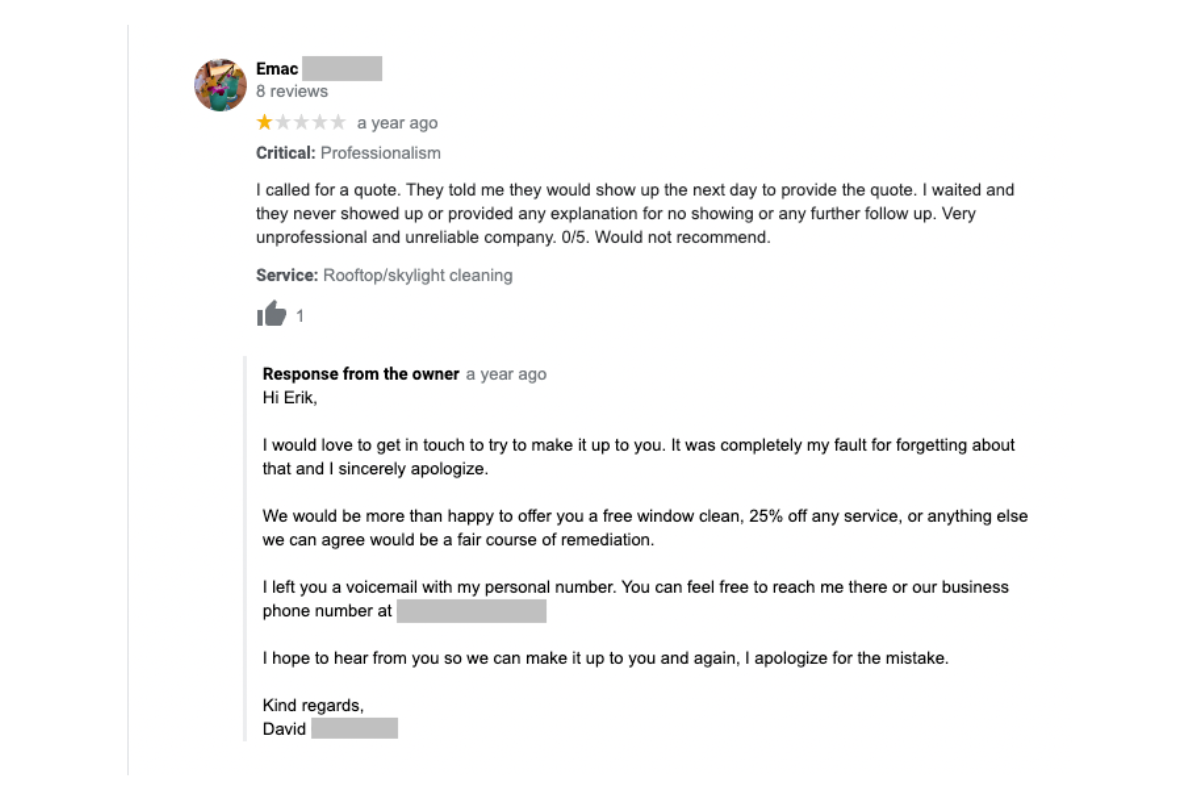
Give Precise Feedback
Rather than just rating something “2 stars,” consider writing:
- What went wrong (e.g. “delivery was delayed by three days”)
- When and how it happened (online order, app, in-store)
- What you hope to be fixed (refund, faster delivery, clearer packaging)
This kind of feedback gives brands a clear path to improvement instead of vague hints.
Exercise Your Rights Smartly
Know what protections you have—and use them. For example:
- If a product is faulty, ask for repair, replacement, or refund depending on the situation.
- If a price is reduced shortly after you buy, request the difference (if the local policy allows).
- Ensure businesses clearly state return and warranty terms before purchase.
- On data privacy, you have the right to access what data companies hold on you, correct mistakes, and request deletion or restrictions where applicable.
Using these rights makes businesses more accountable, because they know consumers are aware and likely to act.
Be Intentional with Data
When you allow brands to use your purchase history, browsing habits, or preferences, they can tailor recommendations, offer better deals, and reduce irrelevant offers. But don’t give blanket permission without thought.
Use privacy settings and preference centers to limit what you share. That balance—sharing what helps, restricting what doesn’t—is how you participate without losing control.
Participate in Brand Improvement Loops
Many brands invite customers into formal feedback systems—take advantage of those.
- Complete post-purchase surveys: even a few minutes can influence change.
- Join early access or beta groups for new features or products.
- Be active in review programs: the more constructive feedback you give, the more brands learn.
These structured channels help your voice be heard in a way brands listen.
What Businesses Gain When Consumers Are Engaged
Engaged consumers are not just better customers — they are living sensors and partners in improvement. When businesses listen and act, the benefits are tangible:
1. More accurate insights for innovation and service improvement
Customer feedback and behavioral data offer direct clues about what’s working and what’s not. Instead of relying on guesses or generic market research, businesses can use actual user signals to guide product design, user experience, feature prioritization, and service refinement.
2. Faster detection of pain points or fraudulent activity
When customers spot issues early — glitches in checkout, misleading labels, bogus listings — and communicate them, businesses can correct course sooner. This real-time feedback helps reduce losses, protect other customers, and limit reputational damage.
3. Trust and loyalty build through transparent two-way communication
When brands respond to feedback, fix issues, and visibly close the loop (“you told us, we fixed it”), consumers feel heard. That breeds loyalty and word-of-mouth advocacy. A transparent feedback culture positions the business as trustworthy and responsible.
4. Better alignment of compliance and customer satisfaction
Listening to consumers helps businesses stay ahead of regulatory expectations and avoid violations. It also ensures that policies (returns, warranties, disclosures) are fair and clear. When compliance and consumer intent line up, satisfaction rises, and the business avoids costly disputes or fines.
Building a Healthy Two-Way Relationship
A two-way shopping experience works best when both sides treat it as a partnership. It’s not about placing blame; it’s about working together to create smoother, more transparent, and more responsive interactions.
For businesses, this starts with making it easy for customers to share their experiences. Clear feedback channels—whether through apps, follow-up messages, or simple forms—encourage people to speak up in structured ways. Just as important is closing the loop: when companies acknowledge feedback and show how they’re acting on it, they build credibility and make consumers feel heard.
On the consumer side, using these official channels effectively matters. Structured feedback is far more impactful than vague complaints or emotional posts on social media. When shoppers explain issues clearly and choose the right platforms to report them, their concerns are more likely to lead to real solutions.
This shift reflects a broader cultural change. Shopping is no longer a one-way transaction dictated by businesses; it’s a process shaped through shared input. In a digitally connected environment like the UAE, where tools and regulations empower both sides, this partnership is becoming the norm rather than the exception.
The future of retail is being shaped by more than products and promotions — it’s shaped by people. Consumer behaviour and active participation play a direct role in improving how businesses operate, how policies evolve, and how experiences are designed. When shoppers speak up, make informed choices, and use the right channels, they help set higher standards for service and accountability.
For businesses, listening and responding to these signals is no longer optional; it’s how they stay relevant and trusted. For consumers, participation isn’t limited to buying — it includes the everyday actions that quietly reshape the marketplace.
Every purchase, review, and click matters. Use it to shape the kind of shopping environment you want to be part of.
Also read:
 Umema Arsiwala
 Umema Arsiwala
 Ummulkiram Pardawala