Dubai. The name alone sparks images of glittering skyscrapers, luxury cars zipping down Sheikh Zayed Road and a skyline that seems to grow taller by the day. It’s a city that thrives on ambition, where dreams are big and the pace is relentless. From early-morning meetings to late-night networking events, Dubai’s go-go-go lifestyle is exhilarating but exhausting. Everyone’s chasing something: a promotion, a new business, a picture-perfect Instagram feed. In this whirlwind of hustle, it’s easy to overlook something vital: mental health.
May is Mental Health Awareness Month, a perfect time to pause and reflect. In a city that celebrates resilience and success, mental health often takes a backseat. We’re conditioned to push through to “keep up” with the fast-paced rhythm. But what happens when the pressure builds and the cracks start to show? Anxiety creeps in. Burnout looms. Loneliness lingers, even in a crowd.
Talking about mental health isn’t always easy in a culture that values strength, but it’s necessary. Let’s face it: Dubai’s energy is infectious, but it can also be overwhelming. The constant buzz of notifications, the race to meet deadlines and the pressure to look like you’ve got it all together can weigh heavily. By shining a light on mental health, we can start to break the stigma and build a city that’s as kind to our minds as it is to our ambitions.
Dive into what mental health really means and how we can navigate it in this dazzling, demanding city.
What Is Mental Health Anyway?
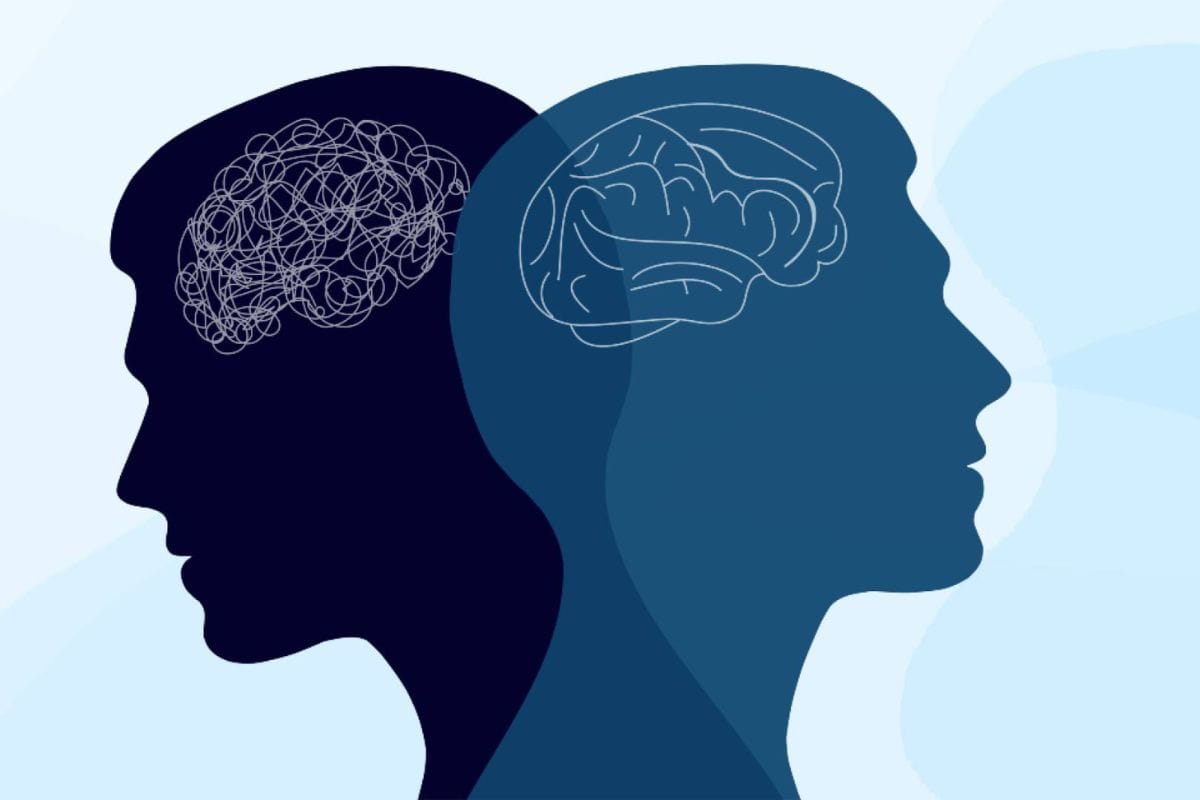
Mental health isn’t just about avoiding a breakdown or managing a diagnosed condition. It’s broader than that. Think of it as the foundation for how you feel, think and connect with the world. It’s your emotional, psychological and social well-being. The stuff that shapes how you handle stress, make decisions and build relationships. In a fast-paced city like Dubai, that foundation can get shaky.
There’s a myth that mental health only matters if you’re dealing with something serious like depression or anxiety disorders. Not true. Everyone has mental health, just like everyone has physical health. And just like you’d see a doctor for a persistent cough, you should pay attention when your mind feels off. City living can amplify certain struggles. Burnout from endless work hours, anxiety from juggling deadlines, loneliness despite being surrounded by people and the constant tug-of-war for work-life balance are all too common. Recognizing these as mental health challenges is the first step to addressing them.
Why City Life Can Take a Toll

Dubai’s energy is contagious but it’s also relentless. The 24/7 work culture means you’re often expected to be “on” at all hours. Add in long commutes, whether you’re stuck in traffic or navigating public transport, and the constant buzz of notifications and it’s no wonder people feel drained. The city’s competitive, image-driven environment piles on extra pressure. Social media showcases perfect lives, luxury cars and flawless careers, making it easy to feel like you’re falling behind if you’re not keeping up.
Then there’s the isolation paradox. Dubai is packed with people, yet it’s surprisingly easy to feel alone. Expat life, transient friendships and the hustle of daily routines can leave little room for deep connections. You might be surrounded by colleagues or partygoers but that doesn’t mean you feel seen or understood. This mix of high expectations and disconnection can quietly chip away at your mental health, even if you don’t realize it at first.
Signs You (or Someone You Know) Might Be Struggling

Mental health struggles don’t always announce themselves loudly. Here are some signs to watch for:
- Mood swings: Feeling on edge or crying out of nowhere? Sudden shifts in mood can be a red flag.
- Withdrawal: Skipping social plans or pulling away from friends and family isn’t always just “being busy.”
- Chronic stress: If stress feels like your default mode, it’s more than just a tough week.
- Irritability: Snapping at small things or feeling constantly annoyed might point to deeper issues.
- Insomnia: Trouble sleeping or staying asleep can be your mind’s way of waving a warning flag.
Brushing these off as “just stress” or “a phase” can let things spiral. If you or someone you know is showing these signs, it’s worth checking in. Ignoring them doesn’t make them go away, it often makes them worse.
How to Stay Mentally Healthy in a Fast-Paced Environment

Staying mentally healthy in Dubai’s whirlwind doesn’t have to be complicated. Here are practical ways to keep your mind in check:
- Set boundaries: Say no to late-night work emails. Protect your personal time like it’s a VIP event.
- Build real connections: Swap shallow social media likes for coffee dates or phone calls with people who matter.
- Practice mindfulness or prayer: Even five minutes of deep breathing, meditation or prayer can reset your mind. Apps like Headspace or local prayer groups can help.
- Move your body: Dubai’s got options; walk along JBR, try yoga in DIFC, hit the gym or jog on Kite Beach. Exercise boosts mood.
- Prioritize sleep: Aim for 7-8 hours. It’s not just rest; it’s a mental health superpower.
- Seek professional help when needed: Therapists and counselors are available. Try clinics like The LightHouse Arabia or hotlines like the UAE’s National Helpline (800-HOPE). There’s no shame in asking for help.
Small, consistent steps like these can make a big difference in a city that never stops.
Helping Others Without Judgement

Supporting someone struggling with their mental health is about compassion, not fixing them. Here’s how to help:
- Listen, don’t lecture: Let them share without jumping in with solutions. Sometimes, being heard is enough.
- Avoid clichés: Skip phrases like “just cheer up” or “you’ll get over it.” They can feel dismissive.
- Encourage professional help gently: Suggest therapy or counseling without making it sound like a failure. Frame it as a tool, like going to the gym for your body.
- Be patient: Recovery isn’t a straight line. Stay supportive, even if progress feels slow.
Listening with empathy and encouraging help without judgment can make someone feel less alone.
Creating a Culture of Respect and Awareness
Mental health thrives in environments where people feel safe to be real. Here’s how to build that culture:
- Respect boundaries: If someone needs space, don’t push. Honor their needs without taking it personally.
- Ditch toxic positivity: Telling someone to “just think positive” can invalidate their feelings. Acknowledge struggles instead.
- Encourage honest conversations: Start open talks about mental health with friends, family or coworkers. Normalize checking in.
- Push for workplace changes: Advocate for reasonable hours, mental health days or wellness programs at work. Companies that care about mental health keep employees happier.
Small shifts in how we talk and act can create a ripple effect of awareness and support.
Mental Health in the UAE
The UAE is starting to embrace mental health conversations but there’s still work to do. Historically, cultural stigmas made it tough to talk openly about mental health. That’s changing. Government initiatives like the UAE’s National Programme for Happiness and Wellbeing are promoting mental health awareness. Private sectors are stepping up too, with apps and corporate wellness programs popping up across Dubai.
Workshops, community events, and campaigns are making resources more accessible. But progress isn’t uniform. In some communities, especially among older generations or conservative circles, mental health can still carry a stigma. Education campaigns and influencers are helping shift perceptions, encouraging younger Emiratis and expats to speak up and seek help without shame.
Dubai’s diverse population adds another layer. Expats often face unique challenges like homesickness or cultural adjustment, which can amplify mental health struggles. Initiatives like the Dubai Health Authority’s Mental Wealth and partnerships with schools and universities are starting to address these needs. Free online resources, like the SEHA mental health app, offer tools for stress management in multiple languages. The city is opening up, but we need to keep pushing to make mental health support inclusive and accessible for all.
Dubai moves fast, but so can we when it comes to caring for ourselves and each other. Mental health matters, and when we talk openly, check in often, and lead with empathy, we create a city where no one has to face the hustle alone.
Also Read:
 HiDubai Newswire
 HiDubai Newswire
 Ummulkiram Pardawala
 HiDubai Newswire
 Maryam Pervez