The rapid expansion of Dubai has historically been defined by its soaring skyline and vast highway networks. However, as the city matures under the Dubai 2040 Urban Master Plan, a fundamental shift is occurring in how residents interact with their environment. The city is transitioning from a series of disconnected landmarks into a sophisticated network of "15-minute cities"—integrated communities where daily needs are met within a short walk or cycle. For the modern business owner, this evolution represents a pivot in strategy: the move from broad, city-wide visibility to the surgical precision of Micro-Area Marketing.
Owning your 2km radius is no longer a niche tactic; it is a requirement for sustainable growth in a high-density urban landscape. In a metropolis of over 4.2 million residents, consumers are increasingly prioritizing convenience and community identity. By concentrating resources within a localized ecosystem, businesses can achieve higher conversion rates and foster a level of brand loyalty that mass-market advertising cannot replicate.
The 15-Minute City: Understanding the Shift
The concept of the 15-minute city, popularized globally and now central to Dubai’s urban planning, dictates that residents should have access to 80% of their essential services—work, groceries, education, and leisure—within a 20-minute radius. The Dubai government is actively doubling green spaces and enhancing "soft mobility" (walking and cycling paths) to support this lifestyle.
For a business, this means your primary audience is likely already standing within two kilometers of your storefront. In high-density clusters like Jumeirah Lakes Towers (JLT), Dubai Marina, or Business Bay, a 2km radius contains tens of thousands of potential customers. The challenge lies in piercing the digital and physical noise of the city to become the "default choice" for these neighbors.
Mapping the Demographic Ecosystem
To dominate a micro-area, one must first analyze the specific demographic profile of that radius. Dubai is unique because a single neighborhood can house over 100 nationalities, yet each "cluster" maintains a distinct persona driven by its infrastructure and housing types.
Profile of High-Density Micro-Markets (2025/2026)
The following data illustrates the diversity of focus required when targeting specific 2km zones in Dubai.
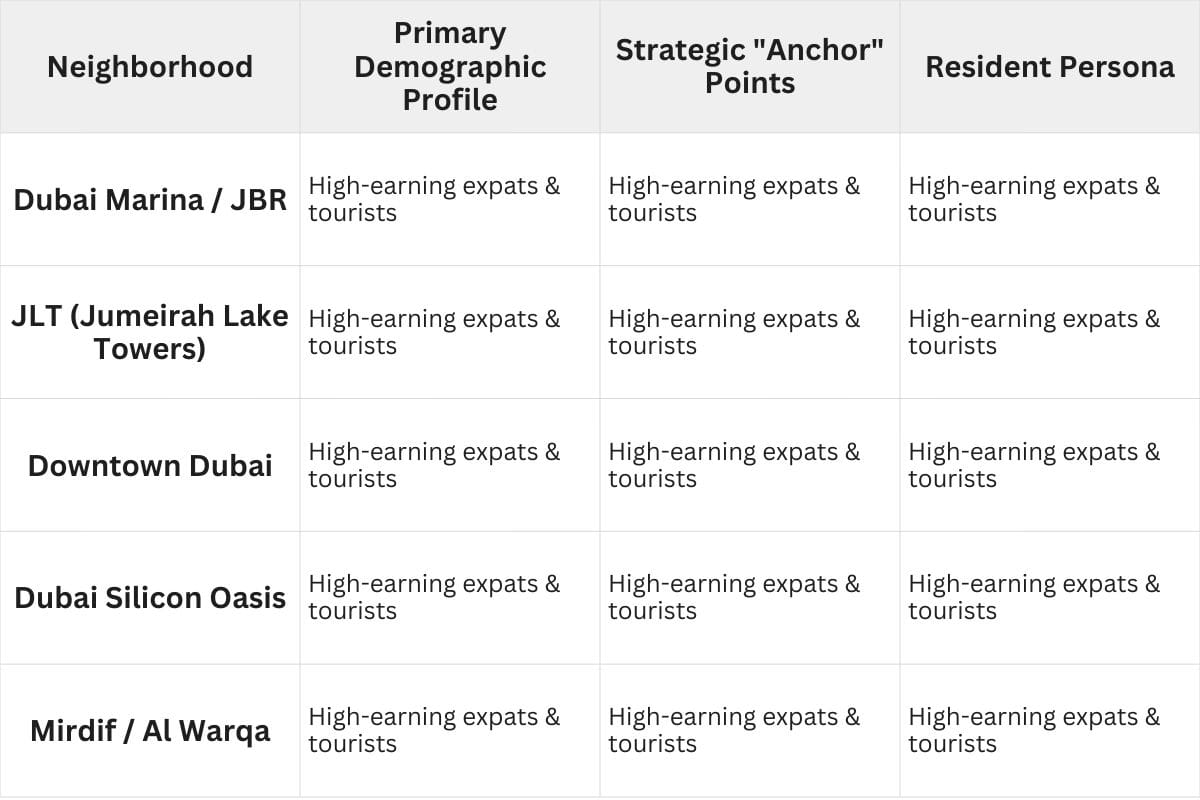
Source: Derived from theDubai Statistics Center (DSC) Population Bulletin 2024/2025 and the Dubai 2040 Urban Master Plan.
The Psychology of Proximity
Why does a 2km radius outperform a city-wide campaign? The answer lies in the Psychology of Proximity. In Dubai, traffic patterns and the sheer scale of the city act as natural barriers. A resident in Dubai Hills is unlikely to travel to Deira for a routine service, regardless of the quality.
When a customer sees an advertisement for a business "down the street," the cognitive load required to make a purchase decision drops significantly. The business is perceived as accessible, reliable, and part of the customer’s personal "safe zone." This localized trust is the most valuable currency in 2026.
Digital Dominance: The Hyperlocal Toolkit
Digital marketing in a 2km radius requires a different approach than traditional SEO. It is about being visible in the "micro-moments" of a resident's day.
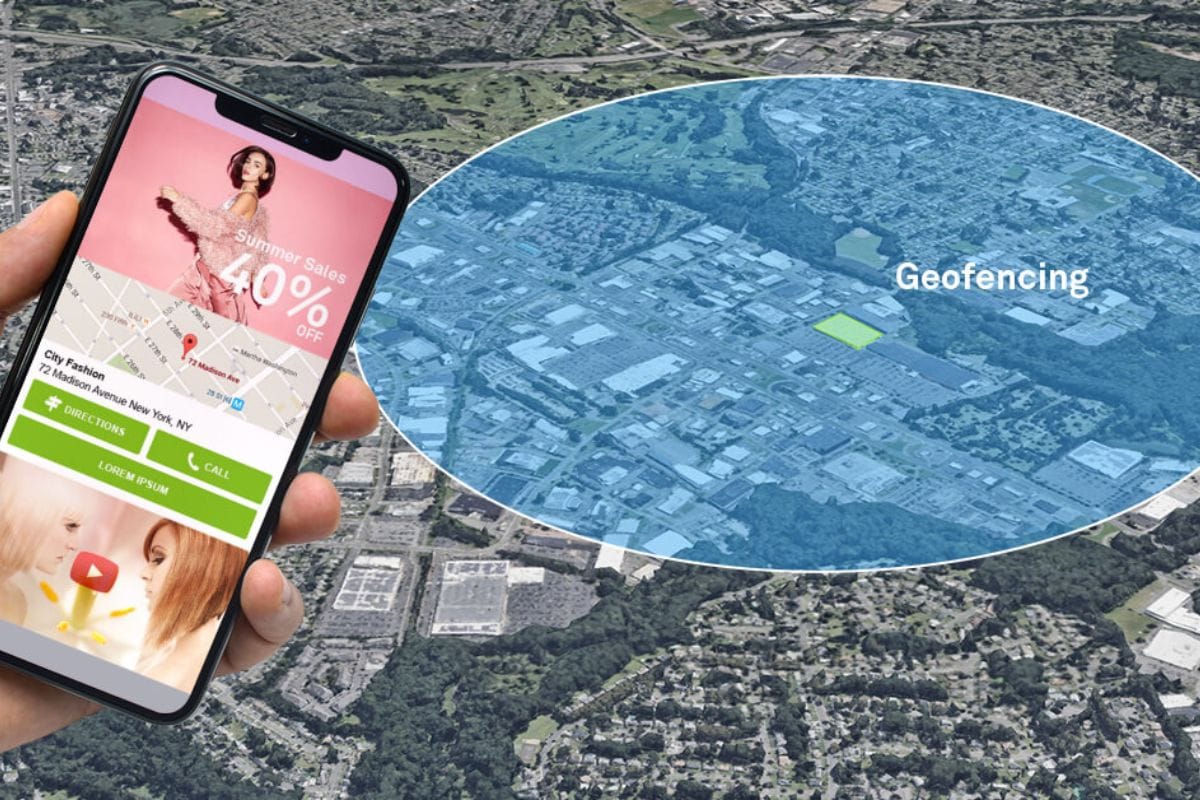
1. Precision Geofencing
In a city of high-rises, horizontal distance is only half the story. Geofencing allows you to draw a virtual boundary around specific towers or parks.
- Tactical Application: If you operate a healthy meal-prep service, geofencing the fitness centers and residential lobbies within your 2km radius ensures your ads appear exactly when your target audience is thinking about their health.
- Vertical Targeting: In 2026, ad platforms have become more sophisticated at identifying users in specific high-rise clusters, allowing for messages like "Special delivery for residents of [Building Name]."
2. Localized Search Engine Optimization (LSEO)
Proximity is now a primary ranking factor for Google and Bing.
- Hyper-Specific Keywords: Instead of optimizing for "Coffee Shop Dubai," focus on "Best Coffee JLT Cluster V."
- Google Business Profile (GBP): A well-maintained GBP with neighborhood-specific photos and reviews is the most effective way to capture "near me" searches. In Dubai, ensuring your Makani Number and precise building location are listed is vital for delivery-based businesses.
3. The Rise of Community Platforms
Dubai residents are moving away from public social media feeds toward "walled gardens."
- Hayi and Nextdoor: These neighborhood-specific apps allow businesses to engage with verified residents. A recommendation on Hayi carries more weight than a generic Instagram ad.
- WhatsApp Communities: Most residential towers in Dubai have informal resident groups. Engaging a "community champion"—a resident who is vocal and trusted—to share your service is a powerful form of modern word-of-mouth.
Physical Integration: The Ground Game
In a digital-first city, physical presence provides a competitive edge. "Owning" the 2km radius means being a recognizable part of the physical landscape.
1. Strategic B2B Alliances
Identify non-competing businesses within your radius that share your target audience. A boutique fitness studio and a nearby organic cafe are natural partners.
- The Referral Loop: Establish a formal referral system where customers of one business receive exclusive benefits at the other. This creates a "closed-loop" economy within the 2km circle, encouraging residents to keep their spending local.
2. Hyper-Local Out-of-Home (OOH)
While a billboard on Sheikh Zayed Road offers massive reach, it often results in wasted spend on audiences who will never visit your location.
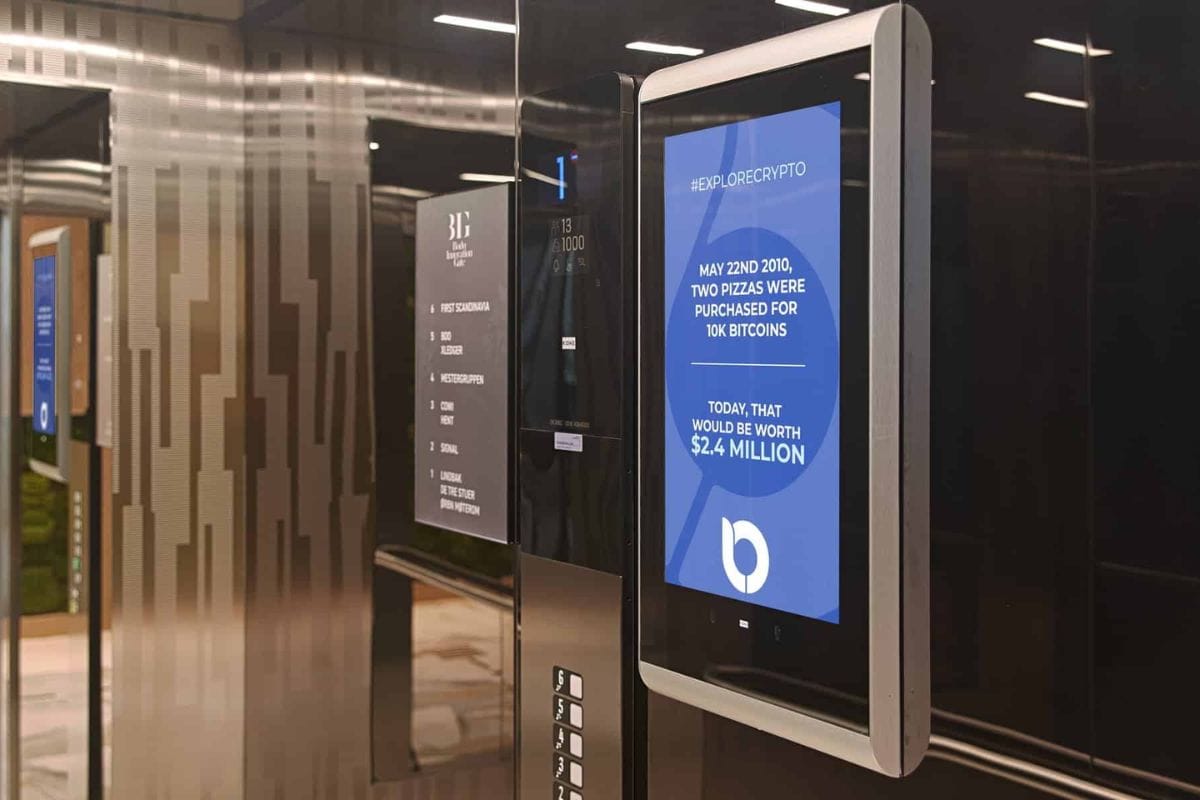
- Elevator Screens: Digital screens in residential and commercial elevators provide a captive audience. In a 60-story tower, residents spend several minutes a day in the elevator—this is prime time for localized messaging.
- Digital Totems: Position your brand on the digital signage found in community promenades like The Walk at JBR or Blue Waters.
Implementation Ideas: Dominating Your Radius
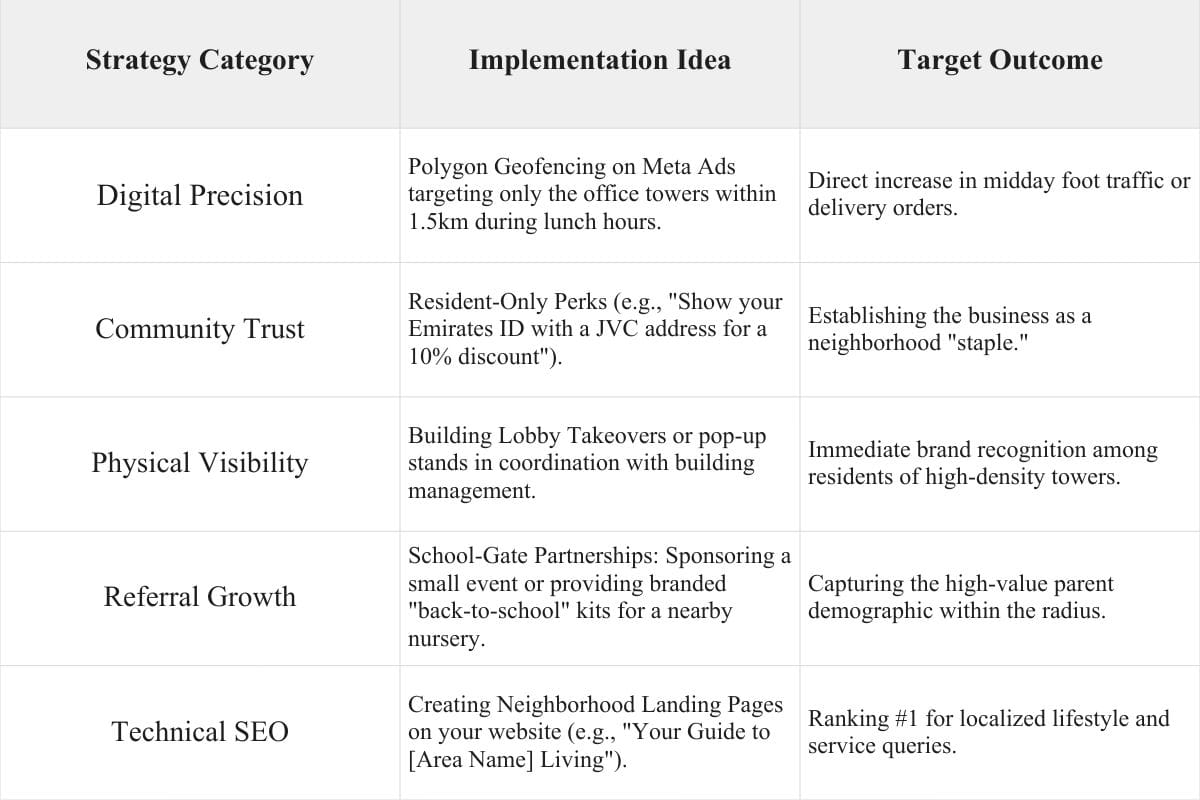
Success in micro-area marketing comes from a diversity of touchpoints. The following table provides actionable ideas for local saturation without the need for excessive budgets.
The Strategic Value of the "Radius ROI"
The primary advantage of Micro-Area Marketing is efficiency. In a broad city-wide campaign, you are often bidding against global brands for expensive keywords. In a 2km radius, you are competing only with local players.
Furthermore, the data collected from a localized campaign is far more actionable. Understanding the specific peak hours of a single neighborhood allows you to optimize staffing, inventory, and delivery routes. This operational efficiency, combined with high customer retention, creates a resilient business model that can withstand the fluctuations of the broader Dubai economy.
As Dubai evolves into a more pedestrian-friendly and community-focused metropolis, the businesses that thrive will be those that embrace the "village" mindset. Broad-market awareness builds a brand, but micro-area saturation builds a business.
By focusing on the 2km radius, founders can move past the noise of the city and integrate themselves into the daily rhythms of their customers. In 2026, the most powerful marketing strategy is not the one that reaches the most people—it is the one that reaches the right people, at the right time, in the right neighborhood.
Also Read:
 Ummulkiram Pardawala
 Shahba Mayyeri
 Umema Arsiwala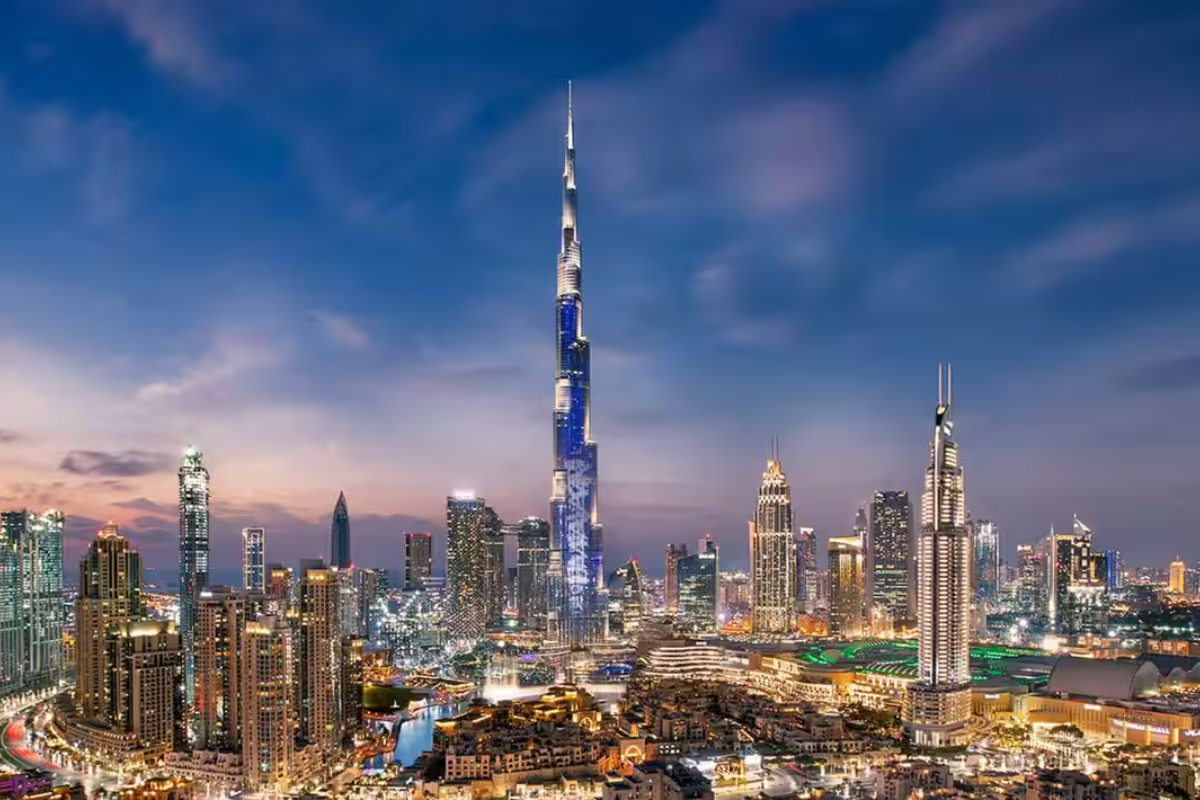
 Ummulkiram Pardawala
 Shahba Mayyeri