Attention has become one of the most valuable resources of 2026. Not money. Not time. Focus. Every notification, dashboard update and algorithmically timed alert competes for a slice of cognitive bandwidth. The result is not just distraction but fatigue, shallow thinking and a sense of always being busy without moving meaningfully forward.
In the fast-paced world, where augmented reality overlays blend seamlessly with daily life and AI assistants anticipate our every need, staying focused has become a rare superpower. Notifications ping from smart glasses, holographic meetings demand instant attention, and endless streams of personalized content lure us into digital rabbit holes. Studies show that the average person switches tasks every three minutes, leading to a 40 percent drop in productivity and heightened stress levels. Yet amid this chaos, a quiet revolution is underway. People are reclaiming their mental space through mindful tech habits, using sophisticated trackers to guard their focus like digital sentinels.
Earlier debates framed technology as either the problem or the solution. Today, the reality is more nuanced. Technology is deeply embedded in how we work, communicate and relax. Walking away from it is not realistic. Learning how to use it deliberately is essential.
These tools are not just about blocking distractions. They empower users to build intentional relationships with technology, turning devices from foes into allies. Imagine starting your day with a clear mind, knowing your app usage is monitored, your deep work sessions are timed, and gentle nudges remind you to pause. In a year when remote work has evolved into hybrid realities with metaverse integrations, focus trackers have advanced with AI-driven insights, biometric feedback, and community features. They help professionals, students, and creators alike protect their cognitive resources against the onslaught of information overload.
Explore how trackers are being used in 2026 to protect focus. From understanding what modern trackers actually measure to building sustainable routines around them, each section breaks down the topic in clear practical terms.
What Mindful Tech Really Means in 2026
Mindful tech use has evolved beyond simply limiting screen time. In 2026, it focuses on the quality of digital engagement rather than the quantity.
Being mindful with technology means knowing why you are using a tool, what you expect from it and how it affects your mental state during and after use. It is the difference between intentionally checking messages during a planned window and reflexively opening an app without a clear purpose.
Several factors have shaped this shift:
- Work and life are more blended than ever.
- AI driven platforms are designed to maximize engagement.
- Cognitive overload is widely recognized as a performance risk.
Mindfulness in this context is not about discipline alone. It is about designing systems that support attention instead of constantly testing willpower. Trackers act as mirrors. They reflect patterns most people sense but cannot clearly articulate.
When used well, they reduce friction between intention and behavior. You may plan to focus for ninety minutes. The tracker shows that after twenty five minutes your attention fragments. That insight changes how you plan your work, structure breaks and choose tools.
Top Focus Trackers for 2026
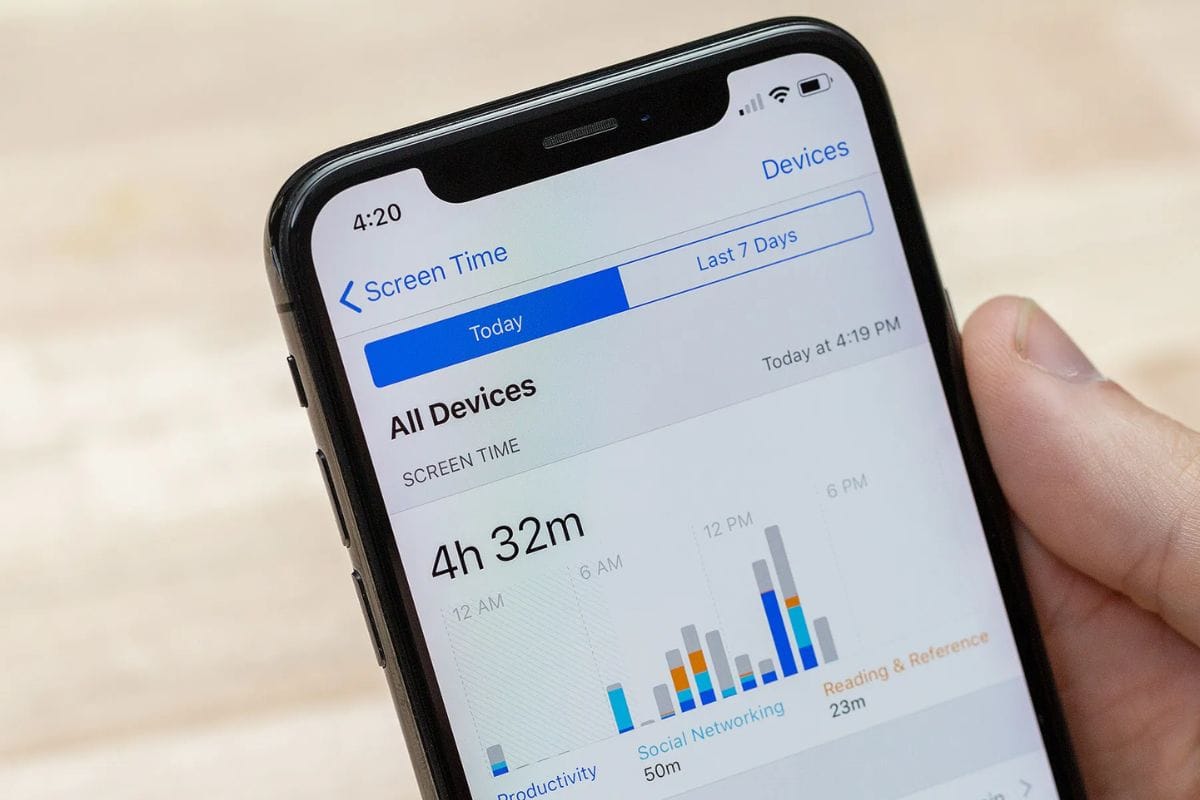
To help you get started, here are some standout options based on recent reviews and user feedback. Each offers unique ways to safeguard focus.
- Freedom: This cross-device blocker syncs restrictions on phones, computers, and tablets, allowing you to schedule distraction-free sessions. It excels at website and app blocking, with a "locked mode" to prevent overrides. Ideal for deep work, it also tracks progress to build long-term habits.
- Forest: A gamified app where you plant virtual trees during focus sessions. If you leave to check distractions, the tree withers. In 2026 updates, it includes AR integrations for visual rewards and community forests for shared accountability. Great for visual learners seeking fun motivation.
- Opal: Combining tracking with AI coaching, Opal monitors screen time and suggests personalized limits. It blocks apps intelligently based on your goals and provides wellness insights. Users praise its focus score system, which gamifies improvement.
- Rize: A smart time tracker that categorizes activities as productive or distracting, offering real-time nudges. It builds habit reports and integrates with calendars for seamless focus planning. Perfect for professionals analyzing work patterns.
- Cold Turkey Blocker: For rigorous control, this tool enforces scheduled blocks system-wide, even resisting uninstall attempts during sessions. It includes procrastination lists and motivational quotes, making it a favorite for those needing strict boundaries.
What Trackers Measure That Actually Matters
Not all metrics are equally useful. In 2026, effective trackers focus on signals that genuinely influence attention and mental energy.
Here are the most valuable categories.
1. Focus duration and fragmentation
Instead of total screen time, trackers analyze how long you stay with a task before switching. Frequent task switching is one of the strongest predictors of cognitive fatigue.
2. Contextual distraction triggers
Trackers identify which apps, notifications or time windows most often interrupt focus. This allows targeted changes rather than blanket restrictions.
3. Cognitive rhythm alignment
By analyzing usage patterns across days and weeks, trackers reveal when your focus naturally peaks and dips. This helps schedule demanding work more intelligently.
4. Recovery and pause behavior
Breaks matter. Trackers now assess whether breaks actually restore attention or simply shift distraction from one platform to another.
When users focus on these metrics, the data becomes actionable. The goal is not perfection. It is informed adjustment.
How Trackers Support Better Decision Making
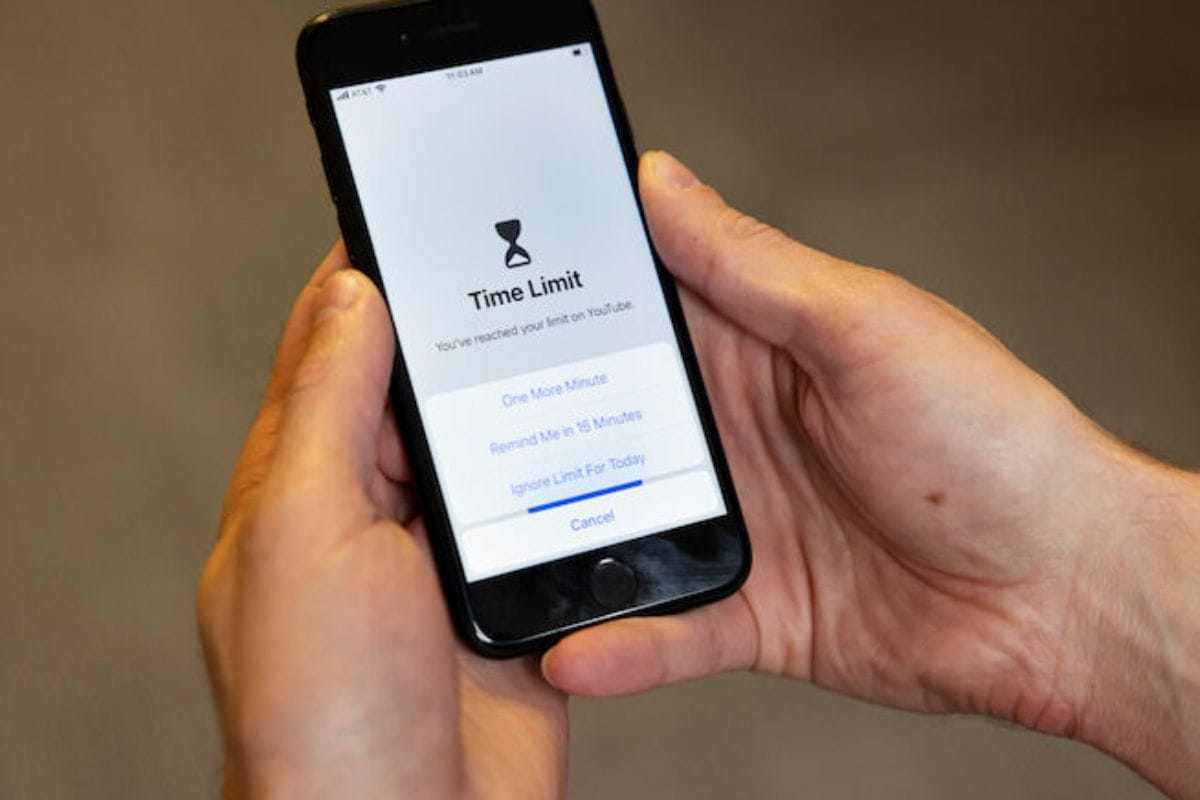
One of the most underrated benefits of focus trackers is decision clarity. When attention is fragmented, even simple decisions feel heavier. Trackers help by reducing background noise.
Here is how this plays out in practice.
- You stop guessing why a day felt unproductive.
- You can distinguish workload issues from attention issues.
- You gain evidence to support boundary setting at work.
For professionals, this data can inform conversations with managers and teams. Instead of vague complaints about overload, you can point to concrete patterns. Too many meetings clustered in the morning. Notifications disrupting deep work windows. Context switching caused by unclear task priorities.
At a personal level, trackers reduce self blame. When you see how systems shape behavior, it becomes easier to change the system rather than criticizing yourself.
Building Mindful Habits Around Trackers
A tracker alone does not protect focus. Habits do. The most successful users treat trackers as feedback tools, not control mechanisms.
Here is a simple framework that works well.
Step 1: Observe without judgment
Spend the first one to two weeks simply reviewing data. Resist the urge to optimize immediately.
Step 2: Identify one friction point
Choose a single pattern that clearly undermines focus. For example frequent messaging interruptions during writing tasks.
Step 3: Make a small structural change
Adjust notification settings, time block focus periods or batch communication windows.
Step 4: Review and refine
Use tracker feedback to see whether the change improves focus quality. If not, adjust again.
This iterative approach prevents burnout and over optimization. Mindful tech habits grow through consistency, not drastic rules.
Common Mistakes to Avoid

Even advanced tools can backfire if used poorly. In 2026, the most common pitfalls look like this.
- Obsessing over metrics instead of outcomes.
- Treating low focus days as personal failure.
- Over restricting tools that are genuinely necessary.
- Ignoring emotional and physical factors like stress or sleep.
Trackers provide data. They do not replace self awareness. When users remember this, the tools remain supportive rather than controlling.
By 2027, expect trackers with deeper AI, predicting distractions before they occur and integrating with neural interfaces. As society prioritizes well-being, these habits will become embedded in operating systems, making focus protection effortless. Embracing them now positions you to thrive in an even more connected world.
Also Read:
 Ummulkiram Pardawala
 Umema Arsiwala
 Umema Arsiwala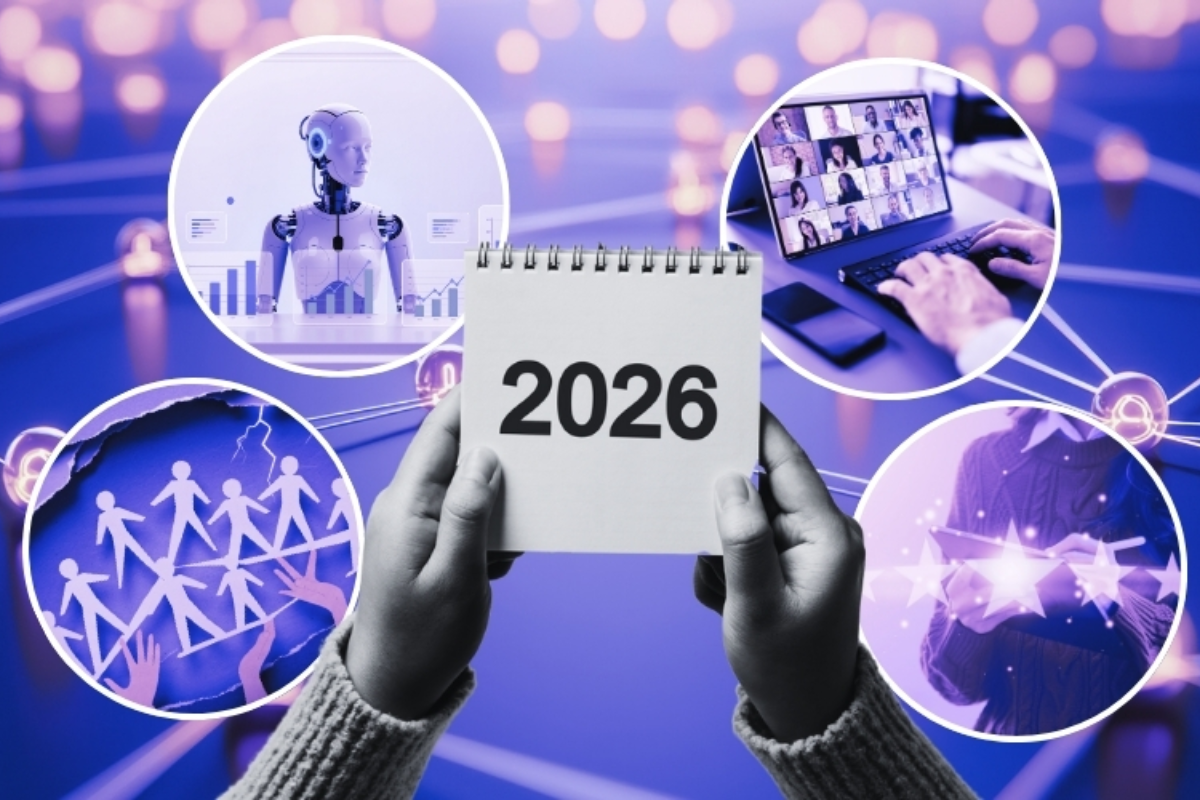
 Umema Arsiwala
 Ummulkiram Pardawala