With the MENA food delivery sector projected to reach $35.6 billion by 2030, mobile is rapidly becoming the default channel for ordering, as per new data from Syrve MENA, a leading restaurant software provider in the Middle East.
Mobile ordering now accounts for 70% of delivery transactions in the MENA region, representing a 30% year-over-year surge in mobile-first dining, according to Syrve MENA data. That shift mirrors the UAE's online food delivery market, valued at $2.5 billion in 2024 and projected to reach $3.9 billion by 2030, growing at a 7-10% CAGR. The market is driven by convenience, tech adoption, and busy lifestyles, with platform-to-consumer (P2C) as the largest segment.
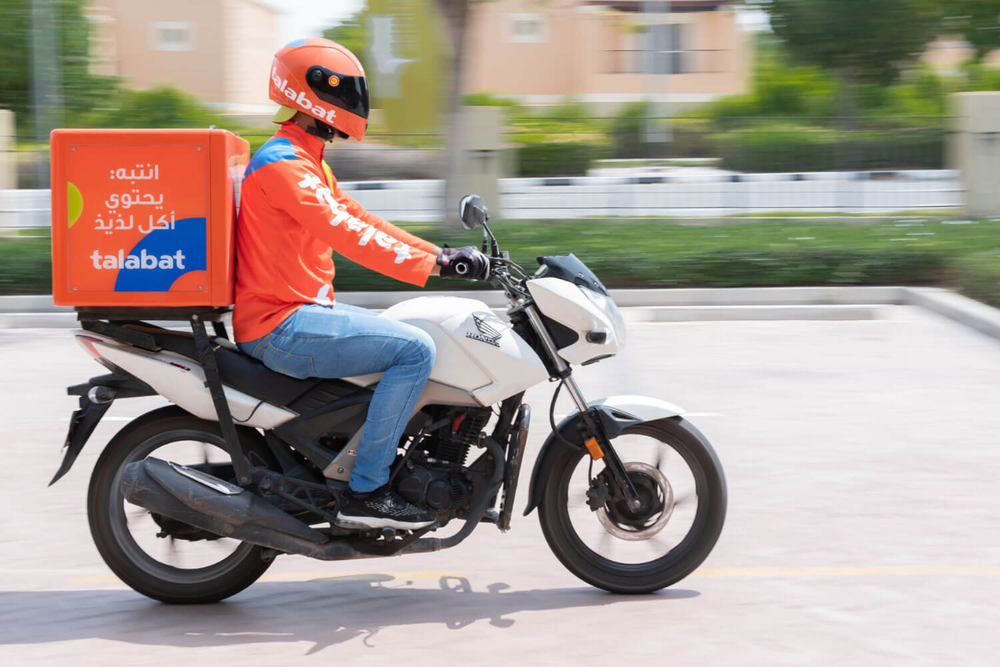
Dubai alone hosts over 13,000 restaurants and cafés, accounting for approximately 60% of the UAE's total food outlets, and much of that ecosystem now runs through aggregator apps such as Talabat. Syrve’s internal data suggests aggregators handle around three‑quarters of delivery orders, with restaurant‑owned channels accounting for the rest.
That competitive pressure is pushing operators to upgrade their tech stacks. Syrve reports that restaurants are investing more heavily in integrated point‑of‑sale platforms, loyalty apps, call‑centre tools, and self‑service kiosks. Kiosks, in particular, once the preserve of large quick‑service chains, are now appearing in smaller venues as well, where consistent on‑screen upselling can lift average check size by 15–30%.
“Mobile-based delivery will remain central to foodservice strategy in both markets as operators look to grow order volumes at more than 10 per cent year‑on‑year while maintaining margins in a highly competitive ecosystem,”
said Alexander Ponomarev, CEO at Syrve MENA.
Digital Dining Goes Mainstream in 2025
The digital pivot is being reinforced by shifts in how people discover and evaluate restaurants. Syrve’s data indicates that social platforms such as TikTok, Instagram, and Snapchat are now central to restaurant discovery, with viral dishes and limited‑time trends regularly reshaping demand.
At the same time, regulators are nudging consumers toward more informed choices: in Saudi Arabia, for example, the food authority now requires calorie counts on menus, encouraging operators to refresh both in‑store and digital menu experiences.
Sustainability and health are also moving from niche to mainstream. Industry estimates indicate an 8.6% CAGR in the UAE for plant‑based products through 2025, driven by demand for healthier, more environmentally conscious options. That is influencing menu design, sourcing, and marketing, especially in urban centres.
Cuisine Preferences and Seasonal Shifts
Middle Eastern cuisine dominates the UAE’s full-service restaurant landscape, followed by Asian concepts, according to Syrve MENA internal data. Meanwhile, fast-casual and quick-service restaurants (QSRs) are the fastest-growing segments as consumers seek variety, from quick daily meals to premium dining experiences.
Serve’s data also shows that Ramadan consistently drives the year's largest operational surge, with 41% of UAE residents increasing food spending, primarily on dine-in and delivery. Restaurants typically adjust shifts to handle intense evening demand.
Similarly, summer heat reshapes dining habits, pushing more orders to online platforms and later hours, often supported by promotional campaigns.
Technological Trends for 2026
The industry continues to embrace AI and smart automation, particularly in back-of-house functions like inventory forecasting, stock ordering, and dynamic pricing optimisation. Independent restaurants account for 62.34% of the full-service market share, while chain outlets are projected to grow at a 19.22% CAGR through 2030, driven by operational scale and brand consistency.
“Looking ahead to 2026, I expect three forces to shape the next phase of growth: deeper social‑media integration in restaurant marketing, broader rollout of AI‑driven tools in inventory and pricing, and continued pressure on operators to prove both nutritional transparency and environmental responsibility,”
said Alexander Ponomarev, CEO at Syrve MENA.
News Source: PR HUB