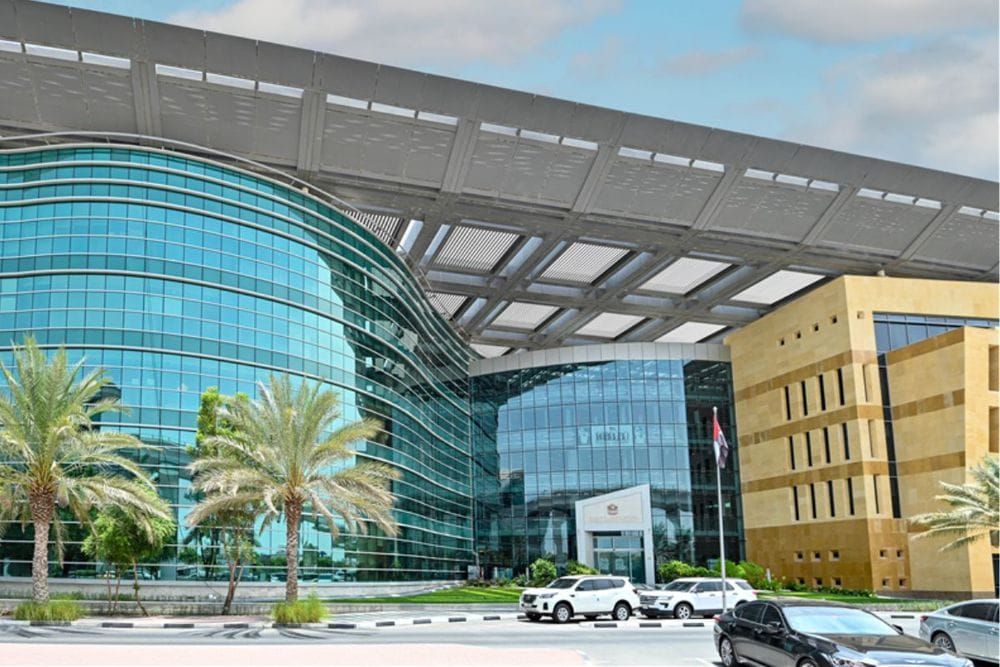
The Ministry of Energy and Infrastructure has launched a pioneering microgrid project aimed at strengthening the UAE’s energy resilience, marking a shift toward smarter and more sustainable infrastructure aligned with the national ‘We the UAE 2031’ vision.
First developed and implemented in 2025 at the Ministry’s headquarters in Sharjah, the initiative introduces a decentralized energy model that integrates clean power generation, energy storage, and advanced digital management systems. The project is designed to ensure uninterrupted electricity supply during outages while improving overall efficiency and reducing environmental impact.
According to Eng Sharif Al Olama, Undersecretary for Energy and Petroleum Affairs, the system represents a move away from reliance on centralized grids to independent, building-level energy management. He noted that the pilot phase delivered measurable results, including a reduction of approximately 362,000 kilowatt-hours in annual energy consumption and financial savings of nearly AED 110,000.
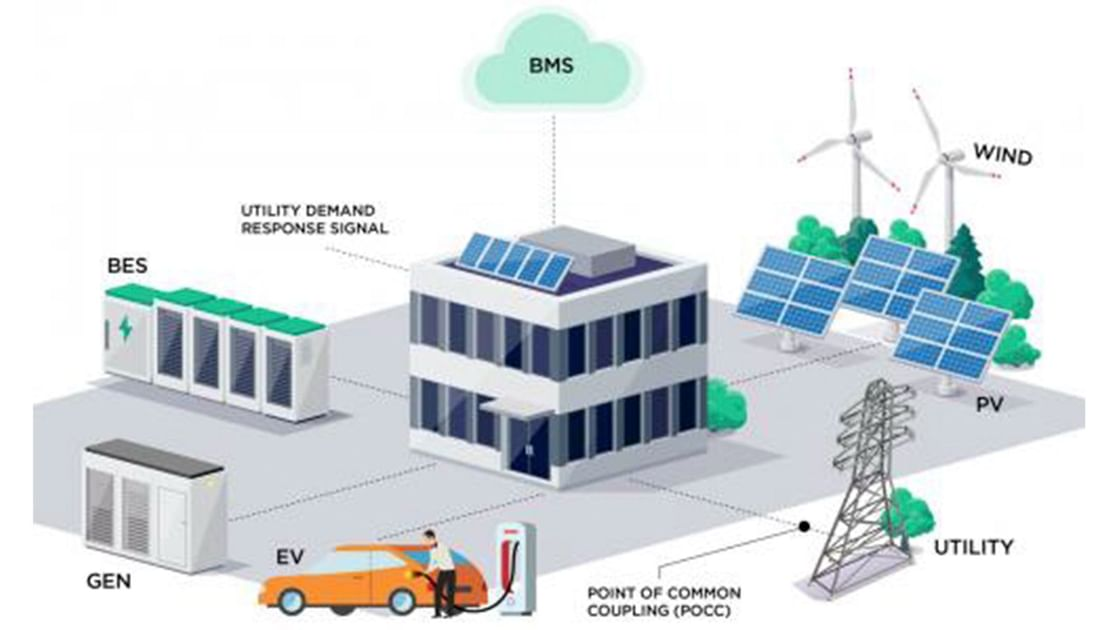
The project also cut carbon emissions by 76 tons annually and increased solar energy’s contribution to 30 percent of the total electrical load. Crucially, it achieved full operational resilience during power disruptions, ensuring continuity of essential services.
The Ministry is now working with public and private sector partners to expand the model nationwide. The next phase will focus on scaling deployment and developing a unified regulatory and technical framework to support microgrid integration across the UAE.
Officials say the initiative underscores a broader national strategy to enhance energy security, reduce costs, and position the UAE as a global leader in sustainable and future-ready energy systems.
News Source: Emirates News Agency