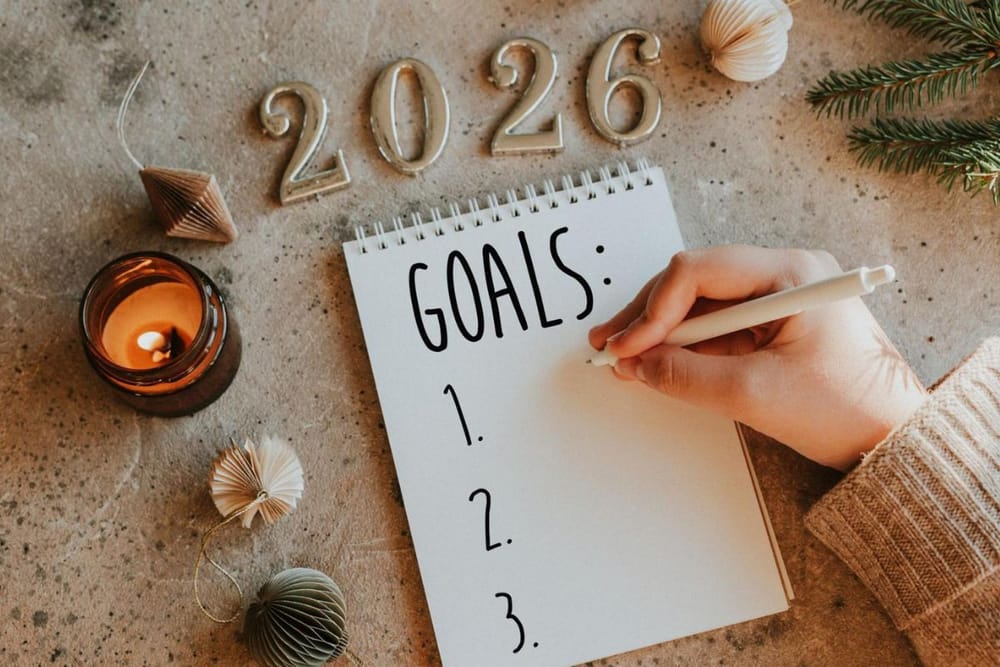
As the calendar flips to 2026, millions across the globe embark on their annual ritual of self-reinvention. New Year's resolutions promise a fresh start, yet statistics paint a sobering picture: most fade within weeks, leaving aspirations unfulfilled and frustration in their wake. But what if this year could be different? What if instead of chasing fleeting motivation, we focused on crafting habits that endure, transforming temporary enthusiasm into lasting change?
In a world where professionals juggle demanding careers, family commitments and personal growth, the allure of a "reset" resonates deeply. The pressure to optimise every aspect of life from productivity to wellbeing has never been greater. Yet traditional resolutions often overlook the science of behaviour change, leading to cycles of disappointment. This article delves into designing sustainable habits tailored for long-term success in 2026. Drawing on insights from psychology, neuroscience and real-world applications, we will explore practical strategies that align with busy lifestyles.
Consider the modern professional: rising early for meetings, navigating high-stakes decisions and striving for work-life balance. Amid this, habits form the backbone of efficiency and resilience. Sustainable change is not about drastic overhauls but incremental shifts that compound over time. Research from institutions like the University of London shows that habits take an average of 66 days to solidify, varying by individual and complexity. This underscores the need for patience and precision in our approach.
By rethinking how we build routines, we can harness the power of consistency to achieve meaningful progress. Whether aiming to enhance fitness, boost career skills or foster better relationships, the key lies in habits that integrate seamlessly into daily life. This piece will guide you through essential steps, from goal-setting fundamentals to maintenance techniques, empowering you to make 2026 a year of genuine transformation.
Understanding the Science of Habits
At the core of sustainable change is a grasp of how habits function. Habits are automatic behaviours triggered by cues in our environment, reinforced through repetition and reward. According to Charles Duhigg's framework in "The Power of Habit," every habit follows a loop: cue, routine and reward. For professionals, recognising this can turn abstract goals into actionable steps.
For instance, if your aim is to read more industry reports, identify a cue like your morning coffee break, perform the routine of scanning a summary and reward yourself with a sense of accomplishment. Neuroscience supports this; the brain's basal ganglia handles habit formation, freeing up cognitive resources for complex tasks. In 2026, with AI tools streamlining workflows, embedding habits like daily learning sessions becomes even more feasible.
Avoid common pitfalls such as overloading your schedule. Start small to build momentum, as studies from the American Psychological Association indicate that micro-habits reduce resistance and increase adherence. This scientific grounding ensures your efforts are not whimsical but rooted in evidence, paving the way for enduring results.
Setting Realistic and Aligned Goals
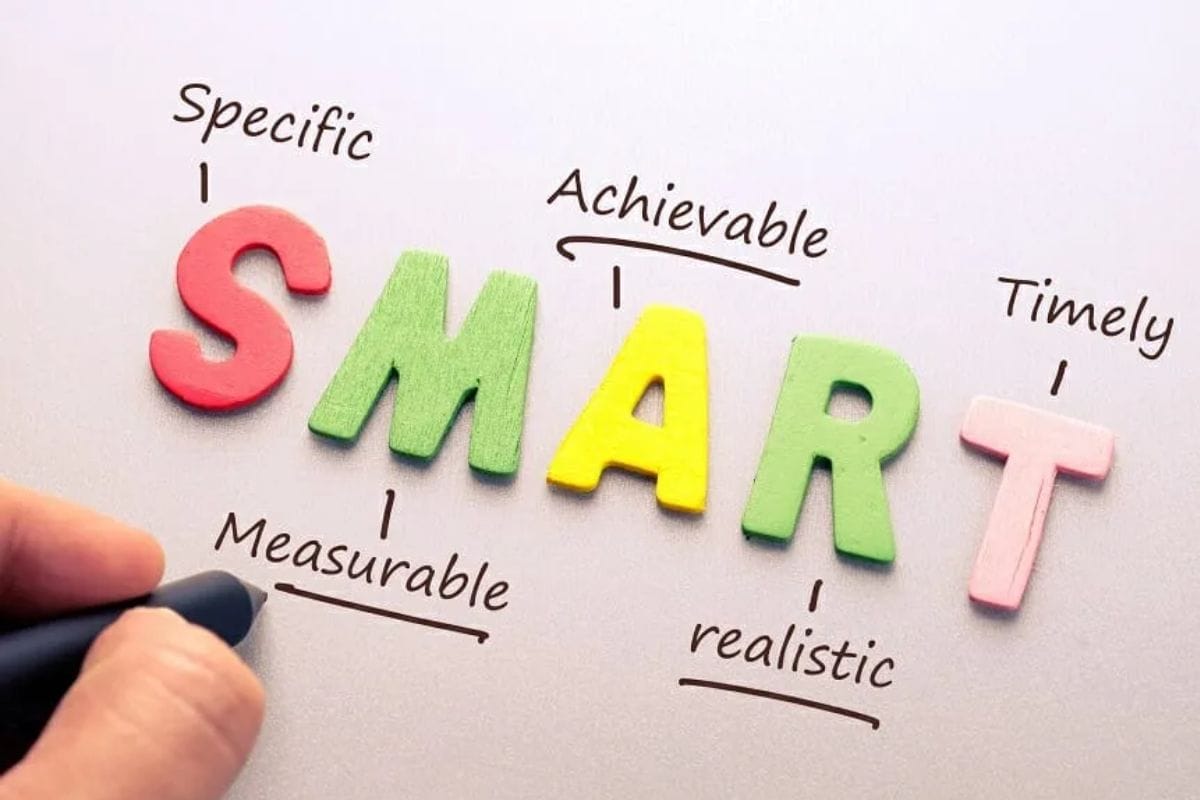
The foundation of any successful habit reset begins with goals that are both achievable and meaningful. Professionals often fall into the trap of ambitious targets that clash with existing demands, leading to burnout. Instead, employ the SMART framework: Specific, Measurable, Achievable, Relevant and Time-bound.
Tailor goals to your professional context. If advancing your career is a priority, set a habit of networking for 15 minutes daily via LinkedIn rather than vague vows to "build connections." This specificity fosters clarity and reduces overwhelm. In 2026, as remote work evolves, align habits with hybrid schedules to maintain consistency.
Personalise further by reflecting on your values. A goal tied to intrinsic motivation like personal fulfilment outperforms extrinsic pressures such as peer comparison. Track initial progress with simple tools like apps or journals to adjust as needed. This approach transforms resolutions from burdensome chores into integrated elements of your routine, ensuring they support rather than sabotage your long-term vision.
Building Habits Through Strategic Techniques
Once goals are set, the next step involves practical techniques to embed them. Habit stacking, popularised by James Clear in "Atomic Habits," links new behaviours to established ones. For a busy executive, attach meditation to your evening commute home, leveraging the transition as a natural cue.
Incorporate environmental design to minimise friction. Rearrange your workspace to make healthy snacks accessible or set phone reminders for skill-building exercises. Technology in 2026 offers advanced aids like wearable trackers that provide real-time feedback, reinforcing positive loops.
Accountability enhances sustainability. Share your intentions with a colleague or join professional groups focused on growth. Research from Dominican University highlights that written commitments and regular updates boost success rates by over 40 percent. By layering these strategies, habits evolve from conscious efforts to subconscious norms, seamlessly fitting into your professional life.
Tracking Progress and Adapting to Challenges
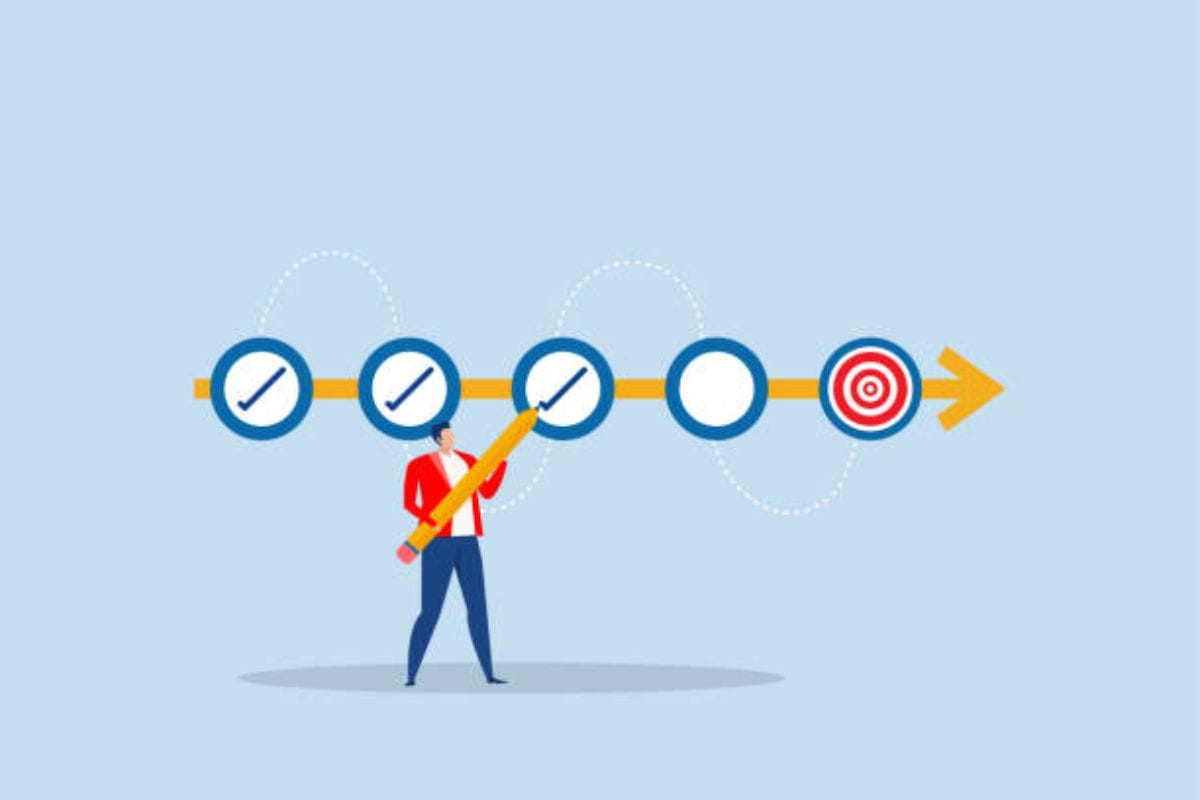
Sustained change demands ongoing evaluation. Regular tracking reveals patterns and allows for timely adjustments. Use digital tools or spreadsheets to log daily adherence, noting wins and setbacks without self-judgement.
Professionals face unique hurdles like travel disruptions or project deadlines. Anticipate these by building flexibility into your plan; if a gym session is missed, opt for a quick walk instead. Resilience comes from viewing obstacles as data points rather than failures.
Periodic reviews every month help refine habits. Analyse what works: perhaps evening routines suit your energy levels better than mornings. This adaptive mindset, informed by behavioural economics, ensures habits remain relevant amid life's flux. In 2026's fast-paced environment, such agility turns potential derailments into opportunities for refinement.
Sustaining Motivation for the Long Haul
Long-term adherence hinges on maintaining motivation beyond initial excitement. Cultivate intrinsic rewards by celebrating milestones, such as treating yourself to a professional development course after consistent effort.
Build a support network of like-minded peers to share experiences and encouragement. In professional circles, mentorship programmes can provide external validation and fresh perspectives.
Mindfulness practices counteract fatigue; brief daily reflections reinforce purpose. As the year progresses, revisit your "why" to reignite passion. With these elements, motivation becomes a renewable resource, propelling habits forward.
Integrating Habits into Professional and Personal Life
For professionals, the true test is blending habits across domains. Prioritise work-life integration by scheduling habits during low-energy slots, like listening to podcasts during commutes.
Foster organisational culture that supports growth, perhaps by advocating for wellness initiatives. On a personal level, involve family in habits like meal prepping to create shared accountability.
In 2026, with emerging trends like flexible hours, habits can enhance overall wellbeing, reducing stress and boosting performance. This holistic approach ensures changes are not isolated but woven into the fabric of your life.
As we conclude, remember that a New Year reset is not a one-off event but an ongoing process. By designing habits with science, realism and adaptability, 2026 can mark the start of profound, lasting change. Professionals equipped with these tools will not only achieve goals but thrive in an ever-evolving world. Commit to small steps today, and watch them compound into transformative outcomes tomorrow.
Also Read:
 Ummulkiram Pardawala
 Shahba Mayyeri
 Shahba Mayyeri
 Ummulkiram Pardawala