
Family businesses form the backbone of the UAE’s private sector, accounting for a large share of employment and economic activity. Many of these businesses are passed down through generations, carrying not just financial value but also family reputation. Yet, with this legacy comes a responsibility—compliance.
Why is compliance such a critical issue? For one, it shields the business from heavy fines and penalties that can quickly eat into profits. Regulatory authorities in the UAE are increasingly focused on transparency, tax compliance, and governance, which means businesses can no longer afford to treat compliance as an afterthought. Could overlooking a simple requirement, like updating your UBO register, put your years of hard work at risk? The answer is yes.
Beyond avoiding penalties, compliance also builds credibility. Banks, suppliers, and potential investors look for businesses that follow proper regulations. A family firm that maintains clear financial records, respects labour laws, and protects customer data gains an immediate advantage in negotiations and partnerships. Isn’t that the kind of trust every family business wants to secure for the next generation?
Most importantly, compliance ensures long-term stability. Laws around corporate tax, VAT, data protection, and anti-money laundering are evolving, and staying aligned with them creates a foundation strong enough to withstand both internal family transitions and external market pressures.
In this article, we will break down the essential compliance practices every family business owner should know—simple, practical steps that can help safeguard your business today and secure its legacy for tomorrow.
Stay Licensed and Up to Date
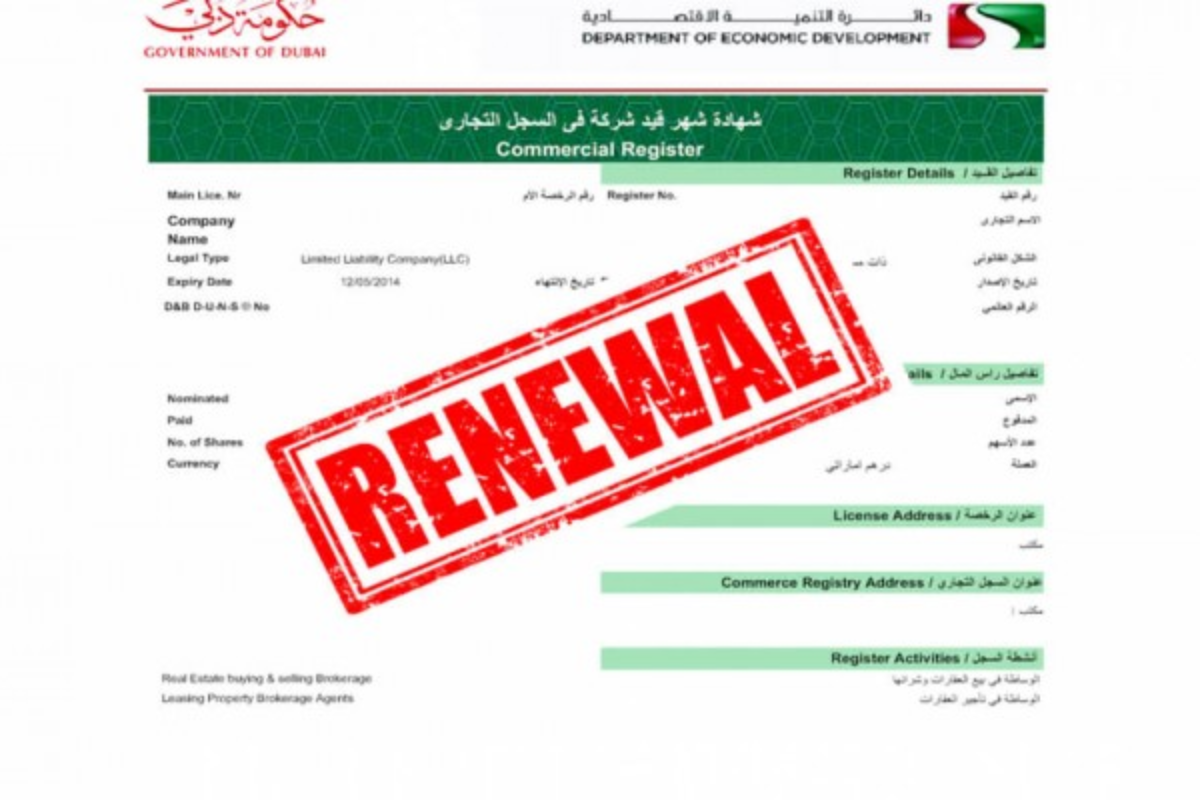
Every family business begins with a trade license, and keeping it valid is essential. Renewals are usually annual, and missing deadlines can lead to fines, service disruptions, or even the suspension of business activities. A delayed renewal can also create difficulties with banks and government authorities, making it harder to carry out routine operations. Setting up a clear renewal schedule prevents these problems and ensures continuity.
Another key requirement is maintaining accurate Ultimate Beneficial Owner (UBO) records. The UBO is the person who ultimately owns or controls the business, and UAE law requires all companies—other than government-owned entities and those listed on a stock exchange—to keep this information up to date. The goal is to increase transparency and prevent financial crimes.
Failure to comply with UBO rules can result in fines of up to AED 100,000, along with restrictions on the company’s activities. For family businesses, where ownership may change between relatives, this makes it important to record adjustments promptly and ensure the UBO register is always accurate.
Keeping trade licenses and UBO details in order provides stability and credibility. It signals to regulators, banks, and partners that the business is well-managed and compliant, strengthening trust at every level.
Know Your Taxes

Tax compliance is now a central part of running a business in the UAE. Family businesses need to understand both corporate tax and VAT to stay aligned with regulations and avoid penalties.
- Corporate Tax
Since June 2023, the UAE has applied a federal corporate tax on business profits. The standard rate is 9% on taxable income above AED 375,000, while profits below that amount remain tax-free.
Companies in free zones can still benefit from a 0% rate on qualifying income, provided they meet economic substance rules and follow transfer pricing requirements. Income that falls outside these conditions is taxed at 9%. Large multinational groups that meet the OECD’s Pillar Two threshold may also be subject to a 15% minimum tax.
Every business must register with the Federal Tax Authority (FTA), maintain proper financial records, and file annual tax returns. Delays or errors in filing can result in significant fines.
- Value Added Tax (VAT)
The UAE’s VAT system, introduced in 2018, applies at a rate of 5%. Businesses must register if their taxable supplies and imports exceed AED 375,000 in a 12-month period. Voluntary registration is possible at AED 187,500.
Once registered, businesses are required to charge VAT on taxable supplies, issue compliant invoices, and submit VAT returns—usually every quarter—through the FTA portal. Tax records must be kept for at least five years, or longer in some sectors such as real estate. Non-compliance, whether through failing to register or missing return deadlines, attracts strict penalties.
By keeping tax obligations clear and timely, family businesses safeguard operations and strengthen their position with regulators, banks, and business partners.
Manage Labour and Employees Correctly
Family businesses often rely on loyal teams that stay with them for years, but this relationship must be supported by compliance with UAE labour regulations. The country’s Federal Decree-Law No. 33 of 2021 (the UAE Labour Law) sets out clear rules for contracts, working conditions, and employee rights, and businesses are expected to comply fully.
Contracts, Working Hours, and Leave
All employees must have a written employment contract registered with the Ministry of Human Resources and Emiratization (MOHRE). Since 2022, limited-term contracts of up to three years have replaced unlimited contracts, with renewals allowed. The standard maximum working hours are 8 hours per day or 48 hours per week, except in sectors where the law allows variations. Employees are also entitled to one rest day per week (often Friday or Sunday, depending on the business).
Leave entitlements include:
- Annual leave: 30 days after one year of service.
- Sick leave: Up to 90 days per year, with varying pay levels.
- Maternity leave: 60 days (45 paid, 15 unpaid), with provisions for nursing breaks.
- Paternity leave: 5 days within the first six months of the child’s birth.
Failing to provide the correct entitlements can result in fines or disputes being escalated to MOHRE.
Wage Protection System (WPS)
The WPS is a mandatory electronic salary transfer system overseen by the Central Bank and MOHRE. Employers must pay salaries through this system on time, usually once a month. Late or incomplete payments can lead to penalties such as fines, restrictions on new work permits, and in severe cases, suspension of business activities.
For family businesses, following labour laws and WPS requirements helps avoid penalties, strengthens trust with employees, minimizes disputes, and supports a stable environment for growth.
Protect Against Financial Crime

The UAE has positioned itself as a global financial hub, which makes compliance with Anti-Money Laundering (AML) and Counter-Terrorism Financing (CFT) regulations essential for many businesses. Family-owned firms operating in certain sectors are legally classified as Designated Non-Financial Businesses and Professions (DNFBPs) and must follow strict AML rules.
Who is Covered?
Businesses in the following categories fall under AML obligations:
- Real estate brokers and developers
- Dealers in precious metals and stones
- Auditors and accountants
- Trust and corporate service providers
If your family business operates in one of these areas, you are required to register with the Ministry of Economy through the goAML system, which is managed by the UAE’s Financial Intelligence Unit (FIU).
Key Compliance Requirements
- Customer Due Diligence (CDD): Verify the identity of clients, assess risks, and keep records.
- Suspicious Transaction Reporting (STR): Report any unusual or suspicious activity promptly to the FIU.
- Risk Assessment: Identify and assess money laundering risks in your business operations.
- Record-Keeping: Maintain detailed records of transactions and due diligence for at least five years.
- Training: Ensure employees understand AML obligations and know how to spot suspicious activity.
Penalties for Non-Compliance
Failing to comply with AML rules can result in hefty fines ranging from AED 50,000 to AED 5 million, restrictions on business activity, and even criminal liability in serious cases. Regular inspections are carried out by the Ministry of Economy and other regulators to ensure businesses are following these requirements.
Meeting AML obligations protects the business from penalties while building confidence among banks, regulators, and international partners.
Keep Data Safe

Family businesses often deal with sensitive information such as customer details, employee records, and financial data. Protecting this information is now a legal requirement under the UAE’s Personal Data Protection Law (PDPL), Federal Decree-Law No. 45 of 2021. The law came into effect in 2022 and applies to almost all businesses in the country.
What Businesses Must Do
- Collect and use data only for specific, legitimate purposes.
- Be transparent with customers and employees by explaining what data is collected and how it will be used.
- Respect individual rights, such as the right to access, correct, or delete their data.
- Put proper security measures in place to prevent breaches or unauthorized access.
- Follow approved procedures if data is transferred outside the UAE.
Why It Matters
The UAE Data Office monitors compliance, and businesses that fail to follow the rules can face financial penalties and reputational harm. Keeping data secure not only ensures compliance but also shows customers and employees that their personal information is valued and handled responsibly.
Meet Industry-Specific Rules
Alongside general laws, family businesses must also comply with requirements specific to their industry. These rules are designed to protect public health, safety, and consumer rights, and they are closely monitored by regulators in Dubai and across the UAE.
Food and Beverage Businesses
Restaurants, cafés, catering companies, and food importers must obtain approvals from the Dubai Municipality (Food Safety Department). This includes:
- Food safety permits before opening operations.
- Approval of kitchen layout and facilities to ensure hygienic design.
- Registration of food items through the Dubai Municipality’s FIRS (Food Import and Re-Export System) for labelling and quality compliance.
- Regular inspections to monitor hygiene, storage, and handling practices.
Failure to meet these standards can lead to warnings, fines, or even closure of the premises.
Healthcare and Education
Clinics, pharmacies, and hospitals must be licensed by the Dubai Health Authority (DHA) or the Ministry of Health and Prevention (MOHAP), depending on the jurisdiction. Approvals cover staff qualifications, facility standards, and patient safety measures. Schools and training centers, on the other hand, fall under the Knowledge and Human Development Authority (KHDA), which reviews curriculum standards, infrastructure, and teacher credentials.
Other Regulated Sectors
Sectors such as construction, financial services, and transportation also require specific permits and approvals from their respective regulators. For example, construction firms need Dubai Municipality permits for building safety, while logistics companies must meet RTA licensing requirements for commercial transport.
Understanding which regulator applies to your sector is crucial. Industry-specific approvals are often just as important as trade licenses, and they must be renewed and updated to keep the business operating smoothly.
Build Internal Governance

For many family businesses, growth can bring challenges in decision-making, especially when responsibilities overlap between relatives. Setting up a clear governance structure helps avoid conflicts and keeps the business on track.
Define Roles and Responsibilities
Every family member involved in the business should have a well-defined role, supported by a job description and performance expectations. This avoids confusion and ensures that business decisions are based on expertise rather than personal relationships. In the UAE, where many family businesses operate across multiple sectors, clarity of roles also reassures regulators and partners that the company is being managed professionally.
Create a Family Charter
A family charter is a written document that outlines the values, vision, and rules for how the business is run. It typically covers ownership structures, decision-making processes, conflict resolution methods, and succession planning. While not a legal document, it acts as a shared agreement that keeps both business and family interests aligned.
Support from Local Initiatives
Dubai has recognized the importance of family businesses in the economy and has set up the Dubai Centre for Family Businesses, launched under Dubai Chambers. The center offers guidance on governance frameworks, succession planning, and regulatory compliance tailored to family firms. Similarly, the UAE’s Federal Family Business Law (Decree-Law No. 37 of 2022) provides a legal framework for succession, shareholding, and dispute management, giving families tools to protect their legacy across generations.
Strong governance creates stability, reduces disputes, and ensures smooth transitions when leadership passes from one generation to the next.
Compliance should be viewed as a steady practice rather than a challenge. By keeping renewals on schedule, maintaining accurate records, and assigning responsibility within the family—or through a trusted advisor—businesses can stay on the right side of regulations.
This discipline creates space for owners to focus on growth and succession, knowing the foundations are secure. For family enterprises, a consistent approach to compliance ensures the business remains resilient today and ready for the generations to come.
Also read:
 Umema Arsiwala
 Shahba Mayyeri
 Ummulkiram Pardawala