
Dubai's business landscape offers incredible opportunities. With its tax-free salaries, world-class infrastructure, and strategic position as a global business hub, the emirate attracts over 240,000 expatriates annually. Yet this same appeal creates a significant challenge for employers: keeping talented employees when competitors are always ready to make better offers.
The numbers tell a sobering story. Average employee turnover rates in the UAE hover around 25%, with some sectors experiencing rates as high as 40% among younger workers. With 80% of employees actively open to switching jobs for better compensation, and 75% actively seeking new opportunities, retention has become one of the most pressing challenges facing Dubai businesses today.
The cost of this turnover extends far beyond recruitment expenses. Employee disengagement costs the UAE economy an estimated $8.6-10.3 billion annually in lost productivity. When you factor in the average 30-day period to fill vacancies and recruitment costs averaging AED 10,000 per hire, the business case for effective retention strategies becomes crystal clear.
This guide explores the unique challenges of retaining talent in Dubai and provides practical strategies that work in this competitive environment.
Understanding Dubai's Unique Talent Landscape
Dubai's workforce differs fundamentally from most other global cities. Expatriates comprise 89% of the UAE population, creating a workforce where employees often view their roles as temporary stepping stones rather than long-term careers. This transient mindset, combined with abundant opportunities and relaxed immigration policies, creates extraordinary mobility.
The city hosts over 200 nationalities, making it one of the world's most diverse business environments. While this diversity drives innovation and global perspectives, it also creates complexity around communication styles, work expectations, and cultural integration that affects retention.
Recent immigration reforms designed to attract global talent have succeeded – perhaps too well. The influx has created talent oversupply in some areas, particularly mid-level and junior positions, depressing wages even as living costs rise dramatically. Dubai experienced 20.8% annual rent increases recently, creating a squeeze where salaries haven't kept pace with expenses.
For Emirati nationals, who comprise just 11% of the workforce, retention challenges include salary dissatisfaction (74% report unhappiness with compensation) and integration difficulties in competitive sectors dominated by expatriates.
The Core Challenges Affecting Retention
Understanding why employees leave helps businesses develop targeted retention strategies. Several key factors drive Dubai's high turnover rates.
Economic Pressures and Compensation Gaps
The most straightforward reason employees leave is money. With living costs rising faster than salaries in many sectors, employees feel financial pressure that makes competitive offers from other companies extremely attractive. The situation intensified over the past year, with job-switching intentions increasing 25% year-over-year.
Mid-level and junior roles face particular challenges. The talent oversupply from immigration reforms has created downward wage pressure precisely when inflation makes higher salaries more necessary. Employees calculate that they can achieve 15-30% salary increases by switching companies rather than waiting for annual raises of 3-5%.
Workplace Disengagement and Burnout
Money alone doesn't explain Dubai's retention challenges. Workplace engagement levels reveal deeper problems. Only 30% of UAE employees report feeling fully engaged with their work. The remaining 70% range from neutral to actively disengaged – a phenomenon sometimes called "quiet quitting" where employees do the minimum required without genuine investment in their roles.
Burnout affects an alarming 92% of workers in the UAE, driven by demanding work environments, lack of recognition, poor work-life balance, and insufficient support systems. When employees feel exhausted and undervalued, retention becomes impossible regardless of compensation.
Skills Mismatches and Development Gaps
Dubai's rapidly evolving economy creates mismatches between available talent and employer needs. While general talent is abundant, specialized skills in areas like artificial intelligence, cybersecurity, data science, and other emerging technologies remain scarce and highly competitive.
Employees in high-demand specialties know their market value and won't hesitate to move for opportunities offering better learning, more challenging projects, or clearer advancement paths. Meanwhile, employees in oversupplied fields struggle to find differentiation, leading to frustration and job-hopping in search of better positioning.
Cultural and Communication Barriers
Managing teams spanning 200+ nationalities creates inevitable communication challenges and cultural misunderstandings. What constitutes appropriate feedback varies across cultures. Work-life boundary expectations differ. Communication styles range from direct to highly indirect.
When employees don't feel culturally included or understood, they're less likely to develop the loyalty that sustains long-term retention. The challenge becomes particularly acute for Emiratis navigating workplaces where they're significant minorities facing different workplace norms than they might prefer.
Sector-Specific Pressures
Different industries face unique retention challenges:
Retail and Food & Beverage: Turnover exceeds 25-30% annually due to relatively low wages, seasonal fluctuations, customer-facing stress, and limited advancement opportunities.
Construction: Turnover surpasses 25% driven by harsh working conditions, labor shortages, accommodation quality concerns, and limited long-term career prospects.
Youth and Gen Z Workers: Younger employees show 40% turnover rates, driven by different career expectations emphasizing flexibility, rapid advancement, and meaningful work over traditional job security.
Proven Strategies for Retaining Top Talent

Effective retention in Dubai requires moving beyond basics to create compelling reasons for employees to stay. Here are strategies that work:
Competitive Compensation That Goes Beyond Salary
While base salary matters, total compensation packages create differentiation. Consider:
Housing Allowances: Helping employees manage Dubai's high rental costs significantly improves financial security and satisfaction.
Signing Bonuses: Competitive markets require competitive offers. Upfront bonuses demonstrate commitment and help employees cover relocation or setup costs.
Health Insurance: Comprehensive coverage, including dependent coverage, provides security that employees value highly.
Performance Bonuses: Tying rewards to achievements creates ongoing motivation beyond fixed salaries.
Regular Benchmarking: Continuously monitor market rates to ensure your compensation remains competitive. Waiting until employees receive competing offers means you're already behind.
Career Development and Growth Opportunities
Employees stay when they see futures worth staying for. Create clear development paths through:
Mentorship Programs: Pairing employees with senior leaders provides guidance, builds relationships, and demonstrates investment in individual growth.
Upskilling Opportunities: Offer certifications in high-demand areas like AI, data analytics, or digital marketing. Employees appreciate employers investing in their marketability.
Clear Advancement Paths: Make promotion criteria transparent. Show employees exactly what they need to achieve to advance, then support them in getting there.
Quarterly Development Reviews: Regular conversations about career goals and progress demonstrate ongoing commitment to employee growth beyond annual performance reviews.
Work-Life Balance and Flexibility
With 92% of employees experiencing burnout, work-life balance isn't optional – it's essential for retention. Implement:
Flexible Working Hours: Allow employees to adjust schedules around personal needs when job responsibilities permit.
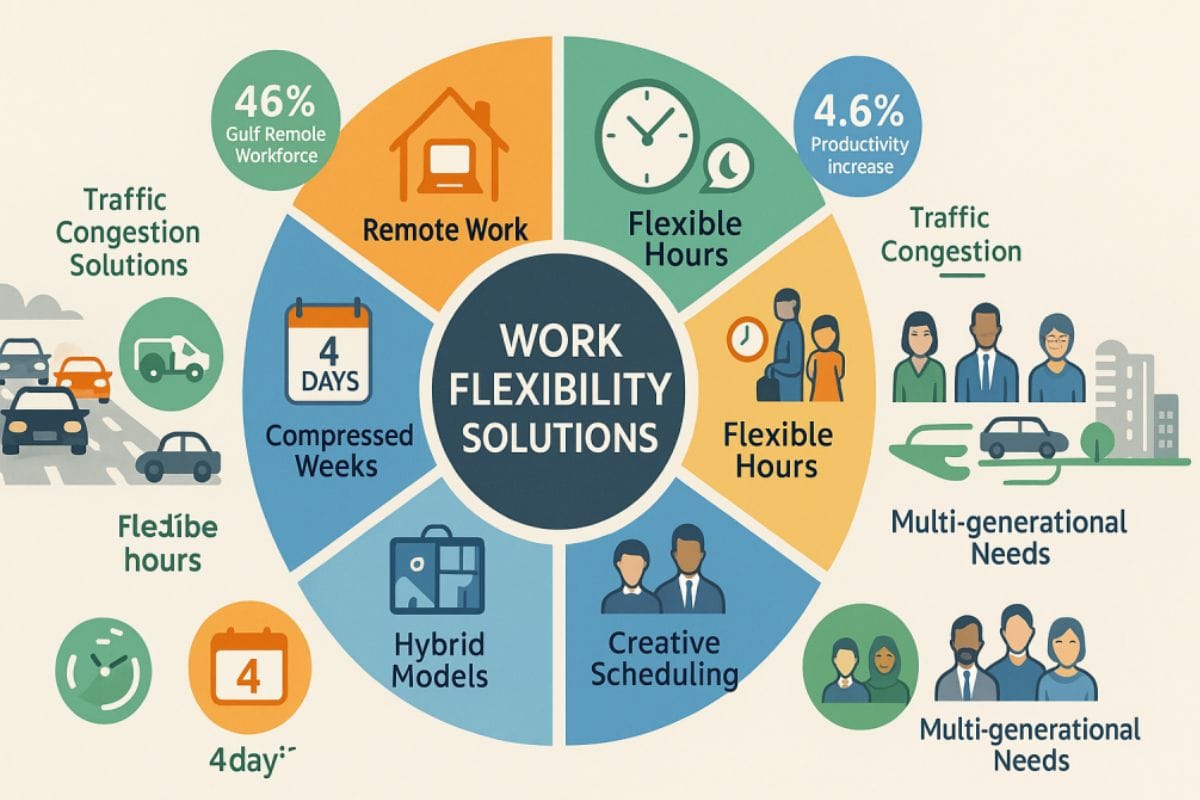
Hybrid Work Models: Remote work options are strongly preferred, particularly by Gen Z workers, with 70% considering hybrid arrangements essential. With 98% of Dubai firms now offering some flexibility, not providing it puts you at significant competitive disadvantage.
Generous Leave Policies: Beyond legally required vacation, consider additional wellness days, mental health days, or sabbatical options for long-tenured employees.
Respect for Off-Hours: Establish clear expectations about after-hours communication. Employees need genuine disconnection time to recharge.
Wellness Programs and Mental Health Support
Addressing the 92% burnout rate requires proactive wellness initiatives:
Mental Health Resources: Subsidize therapy, offer employee assistance programs, and create stigma-free environments for seeking mental health support.
Wellness Retreats: Some innovative Dubai companies organize periodic wellness retreats, providing team building alongside stress reduction.
Fitness Benefits: Gym memberships, fitness classes, or on-site fitness facilities demonstrate commitment to employee health.
Stress Management Training: Teach practical skills for managing workplace stress and building resilience.
Fostering Inclusive, Engaging Cultures
In Dubai's multicultural environment, inclusion isn't just ethical – it's essential for retention:
Recognition Programs: Regularly acknowledge achievements publicly. Recognition costs little but significantly impacts employee satisfaction.
Feedback Mechanisms: Create safe channels for employees to voice concerns, suggestions, and frustrations. More importantly, act on what you hear.
Team Building Events: Regular social activities help build relationships across cultural lines and create belonging.
Diversity Training: Help managers and teams navigate cultural differences effectively, reducing misunderstandings that erode satisfaction.
Inclusive Communication: Ensure company communications, policies, and practices respect diverse cultural backgrounds and working styles.
Strategic Use of Technology
Modern retention leverages technology effectively:
AI-Driven HR Tools: Platforms can identify disengagement patterns early, predict flight risks, and personalize development recommendations based on individual career aspirations and skills gaps.
Employee Engagement Platforms: Regular pulse surveys provide real-time insights into team morale, allowing quick intervention before small issues become resignation triggers.
Learning Management Systems: Make professional development easily accessible through online platforms offering courses, certifications, and skill-building relevant to career goals.
Partnership with Specialized Recruiters
Working with recruitment agencies that understand Dubai's market provides advantages beyond hiring:
Cultural Fit Assessment: Experienced recruiters screen not just for skills but for alignment with your company culture, reducing early turnover from poor fits.
Market Intelligence: Agencies provide insights into compensation trends, candidate expectations, and competitor strategies, helping you stay competitive.
Streamlined Processes: Professional recruitment reduces time-to-hire, minimizing the productivity losses from extended vacancies.
Sector-Specific Retention Approaches

Tailoring strategies to specific industries maximizes effectiveness:
For Retail and F&B: Implement seasonal retention bonuses, cross-training opportunities for skill development, digital scheduling tools for better work-life balance, and wellness platforms addressing high-stress customer service environments.
For Construction: Prioritize safety programs, improve worker accommodations, offer professional certifications for career advancement, and provide comprehensive health support given physically demanding work.
For Tech and IT: Focus on continuous upskilling in emerging technologies, offer maximum flexibility in work arrangements, create mentorship programs connecting junior developers with senior architects, and provide clear technical advancement tracks.
For Finance and Fintech: Offer highly competitive bonuses and compensation packages, sponsor golden visa applications for family stability, and create clear paths from analyst to senior leadership roles.
For Healthcare: Address burnout through adequate staffing, wellness days, flexible scheduling where possible, and continuous training opportunities to keep skills current.
Retention Trends for 2025 and Beyond
Dubai's talent retention landscape continues evolving. Key trends shaping the future include:
AI Integration in HR: Sentiment analysis tools, predictive analytics for flight risk, and automated skill gap identification help companies act proactively rather than reactively on retention.
Hybrid Work as Standard: With nearly universal adoption, companies not offering flexibility face severe competitive disadvantages, particularly for younger talent.
Emiratization Integration: Government mandates for hiring Emirati nationals create opportunities to build diverse teams while supporting national development priorities.
Sustainability Focus: Employees increasingly value employers demonstrating environmental and social responsibility, making sustainability initiatives retention tools.
Continuous Upskilling: As Dubai's economy diversifies and digitizes, ongoing learning opportunities become differentiators attracting and retaining top performers.
Making Retention a Strategic Priority
Retaining talent in Dubai's competitive market requires viewing employees as partners rather than resources. It means investing in their growth, respecting their needs for balance and wellbeing, compensating them fairly, and creating cultures where diverse professionals feel valued and included.
The businesses that succeed in retention aren't necessarily those with the deepest pockets. They're the ones creating environments where talented people want to stay – where work feels meaningful, growth feels possible, and contributions feel recognized.
With recruitment costs averaging AED 10,000 per hire and the indirect costs of turnover far exceeding that figure, investing in retention isn't just good for employees – it's essential for business sustainability. Start by assessing your current retention challenges, listening to what your employees actually need, and implementing targeted strategies that address those needs systematically.
In Dubai's dynamic business environment, the companies that master retention gain competitive advantages that extend far beyond reduced recruitment costs. They build institutional knowledge, develop stronger teams, deliver better customer experiences, and ultimately achieve superior business results. Your retention strategy isn't just an HR initiative – it's a business imperative.
Also Read:
 Ummulkiram Pardawala
 Umema Arsiwala
 Umema Arsiwala
 Umema Arsiwala