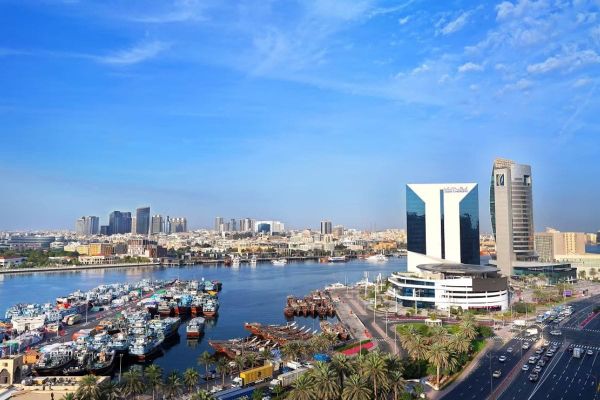
Dubai has long distinguished itself as a global nexus for commerce and innovation, and in the current era, it is rapidly solidifying its reputation as a premier hub for ambitious startups. The city’s strategic location, world-class infrastructure, and forward-thinking government policies have created a vibrant ecosystem where new ventures can thrive.
However, for any startup with a vision for rapid, sustainable growth, two challenges stand out as the most critical: securing the right funding and building a powerful, well-connected investor network. These two elements are not just desirable; they are essential for moving a business from a promising idea to a market-leading enterprise.
This guide provides an actionable roadmap for navigating Dubai’s dynamic funding landscape, mastering the art of strategic fundraising, and building the connections needed to succeed in 2025 and beyond.
Navigating Dubai's Dynamic Funding Landscape

Understanding who the players are and what they offer is the first and most crucial step in any fundraising journey. Dubai's funding landscape is rich and diverse, offering a spectrum of options that cater to different stages of a startup's life cycle.
Government-backed programs and Grants are a cornerstone of Dubai's startup ecosystem. The government is not just a facilitator but an active investor, providing crucial early-stage capital without taking equity. Organizations like the Dubai Future Foundation and the Mohammed Bin Rashid Innovation Fund offer a range of grants, soft loans, and incubation programs designed to support innovative ideas that align with the emirate’s strategic vision. For a startup in its formative stages, securing a non-dilutive grant can be a game-changer, providing the runway to build a Minimum Viable Product (MVP) and validate a business model before seeking private investment. Founders should actively research and apply to these programs, as they provide both capital and a seal of credibility.
For startups ready to scale, Venture Capital (VC) and Private Equity firms are the next logical step. The past few years have seen a significant increase in the number of VC firms with a strong presence in Dubai and the wider GCC region. Prominent players, both local and international, are actively seeking promising ventures. These firms typically invest at various stages, from a Seed round (for early-stage companies with a solid product and initial traction) to Series A and B (for more mature companies ready for aggressive expansion). VCs in Dubai are particularly interested in a few key factors: a strong and resilient founding team, a clear and scalable business model, a demonstrable market fit in the MENA region, and a clear path to profitability. The right VC can offer not just capital, but also invaluable strategic guidance and access to a network of industry experts.
The role of Angel Investors and High-Net-Worth Individuals remains incredibly important. Dubai has a vast pool of successful entrepreneurs and wealthy individuals who are keen to invest in the next big idea. Unlike VCs, who represent a fund, angel investors typically invest their personal capital. This often means they are more flexible with terms and are willing to take on higher risk for a potentially higher reward. Beyond just capital, angel investors can provide invaluable industry expertise, mentorship, and a network of contacts that can be instrumental in opening doors and accelerating a startup’s growth. Building relationships with these individuals, often through events and personal introductions, is a key strategy for early-stage funding.
Finally, the growing trend of Corporate Venture Capital (CVC) is a new and exciting development. Large corporations with a significant presence in Dubai are launching their own CVC arms to invest in startups that are strategically relevant to their core business. This offers startups a unique blend of funding and strategic partnership opportunities. A startup funded by a CVC can gain access to a large corporation's customer base, distribution channels, and invaluable mentorship, providing a competitive advantage that goes far beyond a simple cash injection.
Strategic Fundraising Tactics: From Pitch to Close

Securing funding is a process that requires meticulous planning, a compelling narrative, and flawless execution. A founder’s journey from a pitch to a closed deal is a series of strategic steps that must be taken with precision.
The foundation of any successful fundraising campaign is a compelling pitch deck and a robust business plan. In the Dubai market, your pitch deck must do more than just tell a story; it must demonstrate a deep understanding of the local and regional market. It should clearly articulate the problem you are solving, the uniqueness of your solution, your go-to-market strategy for the MENA region, your competitive advantage, and your financial projections. The deck should be visually appealing, concise, and backed by solid data and market research. Your business plan should then provide the detailed narrative that supports the deck, including comprehensive market analysis, operational plans, and a detailed financial roadmap.
Next, you must be prepared for the scrutiny that comes with financial modeling and data room preparation. Investors will want to see that your financial projections are not just optimistic but realistic and well-founded. A robust financial model that projects realistic growth, accounts for key metrics, and shows a clear path to profitability is essential. Concurrently, you must prepare a comprehensive data room. This is a secure, digital repository of all your company's critical information, including legal documents, intellectual property (IP) filings, financial statements, and team résumés. A well-organized and complete data room signals professionalism and can significantly expedite the due diligence process.
When it comes to valuation and negotiation, you must be prepared to have a data-driven conversation. Understanding how to value your startup in the local context is key. While global valuation metrics are a good starting point, you must be aware of regional benchmarks and what is considered fair in the Dubai market. During negotiations, it's crucial to understand the local legal framework for investment and be aware of key clauses, such as those related to founder vesting, liquidation preferences, and board seats. A lawyer specializing in startup investment in the UAE can be an invaluable partner during this phase.
Finally, you must be prepared for the due diligence process, which is the investor’s deep dive into your business. This is where the preparation of your data room pays off. Be transparent, responsive, and ready to answer any questions about your team, technology, financials, and legal standing. A smooth and transparent due diligence process can build trust and confidence, leading to a swift and successful closing.
Building a Powerful Investor Network

While a great product and a solid business plan are necessary, they are often not enough on their own. The most successful founders are those who have mastered the art of building a powerful investor network.
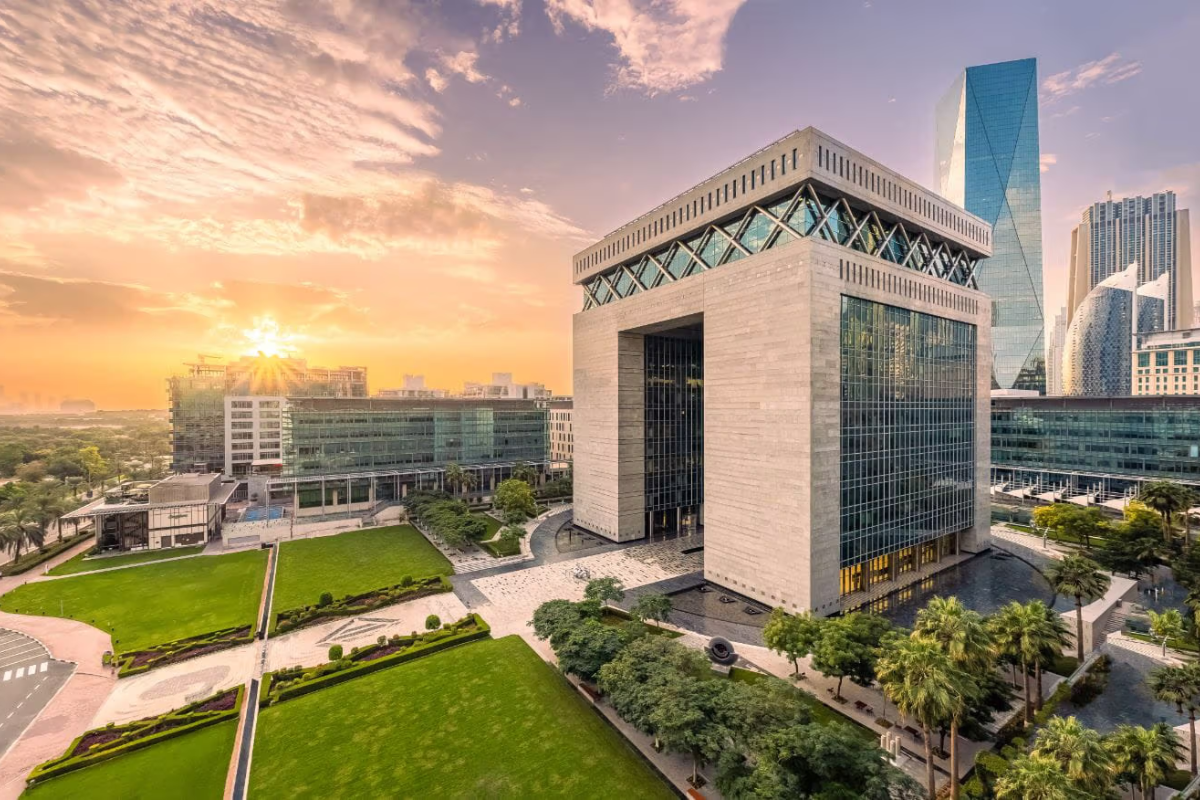
The best place to start is by leveraging key ecosystem events and hubs. Dubai has a bustling calendar of major tech conferences, industry-specific forums, and startup events. Attending these events is a necessity, not an option. However, simply showing up is not enough. The key is to be strategic: identify the investors you want to meet, prepare a concise and compelling introduction, and focus on building genuine connections, not just collecting business cards. Hubs like Dubai Internet City and the DIFC Fintech Hive are physical spaces where founders can not only work but also network with investors, mentors, and fellow entrepreneurs on a regular basis.
In today's digital world, online and professional platforms are equally important. Platforms like LinkedIn are an incredibly powerful tool for identifying potential investors, researching their portfolios, and understanding their investment theses. Founders should actively use LinkedIn to build a strong online personal brand, share company updates, and engage with the content of potential investors. While a cold email is rarely effective, a well-researched, personalized message that references a mutual connection or a shared interest can sometimes open a door.
The power of a warm introduction cannot be overstated. A referral from a trusted source—a mutual acquaintance, a mentor, an advisor, or a fellow founder—is far more likely to land you a meeting than a cold outreach. Founders should actively cultivate relationships with mentors and advisors who have strong ties to the investor community. These relationships are a long-term investment that can pay off handsomely when it’s time to raise capital.
Finally, the most successful networkers operate with a 'give-first' mindset. This means contributing to the startup community without expecting an immediate return. By helping other founders, sharing knowledge and resources, and being a visible and supportive member of the ecosystem, you organically build a reputation as a valuable and trustworthy leader. This reputation, over time, can lead to inbound interest from investors and an organic network that is far more powerful than any you could build through forced networking.
Key Considerations for 2025
As Dubai’s ecosystem continues to evolve, founders must be aware of the emerging trends and strategic shifts that will shape the funding landscape in 2025 and beyond.
- The Rise of AI and Deep Tech: Investors in Dubai are increasingly seeking out startups that are not just using AI, but are building their entire business model around it. Companies leveraging AI, machine learning, and other "deep tech" solutions to solve complex problems may find more opportunities for funding and government support.
- Sustainability and ESG Focus: Environmental, Social, and Governance (ESG) criteria are no longer a side note; they are becoming a core part of investor decision-making. Startups that can clearly articulate how they are positively impacting society or the environment will have a distinct advantage in 2025.
- Regional Expansion and Market Access: The ongoing trend of Dubai serving as a gateway to the wider MENA region will be paramount. Investors are looking for a company that can succeed not only in Dubai, but also has the potential to scale across the region.
- Regulatory Frameworks: Staying updated on new regulatory changes or government initiatives will be crucial. New policies and programs announced could create new funding avenues or alter the operational landscape, and founders must be agile enough to adapt.
In Dubai’s highly competitive yet opportunity-rich environment, a well-defined strategy for securing capital and building a robust network is not a luxury—it is a necessity. By strategically navigating the diverse funding landscape, executing a meticulous fundraising process, and proactively building a powerful network, entrepreneurs can position their startups for rapid, sustainable growth.
The year 2025 promises to be a pivotal time for innovation in Dubai, and the founders who are prepared with the right strategy will be the ones to lead the next wave of success.
Also Read:
 Umema Arsiwala
 Umema Arsiwala
 Umema Arsiwala
 Umema Arsiwala