
Customer expectations in Dubai are tightening around three things: speed, clarity, and confidence. People want smoother experiences, quicker responses, and less uncertainty. How fast do you reply when someone messages your business on WhatsApp or Instagram? Are your pricing, delivery timelines, and policies clear before a customer needs to ask twice?
Decision cycles are moving faster as customers compare options within minutes and often decide the same day. Small delays in quotes, menus, or basic information can quietly push people toward easier alternatives.
Trust is also becoming more operational. Customers still connect with brands emotionally, but they stay because processes work smoothly. Payment reliability, clear approvals, and consistent service now play a direct role in whether a purchase is completed or abandoned.
The biggest shift going into 2026 is straightforward: small businesses that feel easy, reliable, and confident to deal with will stand out.
Here are a few trends for 2026 that small business owners should keep in mind.
AI Moves from “Optional” to Everyday Business Support

Artificial intelligence is no longer just a “nice-to-have” technology for small businesses; it is becoming a fundamental tool that supports everyday operations, marketing, and customer service. Around the world and in the Middle East, small and medium-sized enterprises are already using AI in real, measurable ways to improve productivity, reduce routine work, and make smarter decisions — without needing large teams or heavy tech budgets.
One of the clearest shifts in 2026 is that AI is moving from experimentation into regular use. In recent global research, nearly 9 out of 10 organizations report using AI in at least one business function, and businesses are beginning not just to pilot AI but to scale it across multiple areas of their operations. This means small firms everywhere are getting comfortable with AI doing practical work, not just generating ideas.
For operations, AI helps take repetitive tasks off human plates. In the Gulf region, small and mid-sized businesses are using AI to automate workflows, streamline processes like invoice matching and payment automation, and speed up planning or product development without extra hires. This reduces delays, improves accuracy, and lets small teams focus on strategic work rather than routine chores.
Marketing and sales teams are also adopting AI at scale. Most companies using AI report that it delivers measurable value in areas such as campaign optimization, personalization, and customer data analysis. AI tools can automatically generate content, personalize messaging for each audience segment, optimize online ads in real time, and even suggest the best times to engage customers based on behavior patterns. For brands competing for attention in crowded digital marketplaces like social media and search, this represents a real competitive edge.
In customer service, AI is transforming how businesses interact with buyers. Chatbots and intelligent support systems can offer instant responses, answer frequent questions, and even anticipate when a customer might need help based on past behavior. These systems not only increase responsiveness around the clock, but they also help build trust — customers feel heard and supported without long wait times or repetitive explanations.
These AI applications matter especially for small teams with limited resources. Instead of hiring additional staff for support, operations, or marketing, many small business owners are leveraging AI tools that act like on-demand teammates. According to surveys of firms using AI, a majority report higher revenue or lower costs, because AI saves time, reduces errors, and frees up human talent to focus on growth activities instead of repetitive tasks.
Smarter Payment Experiences Become a Growth Factor
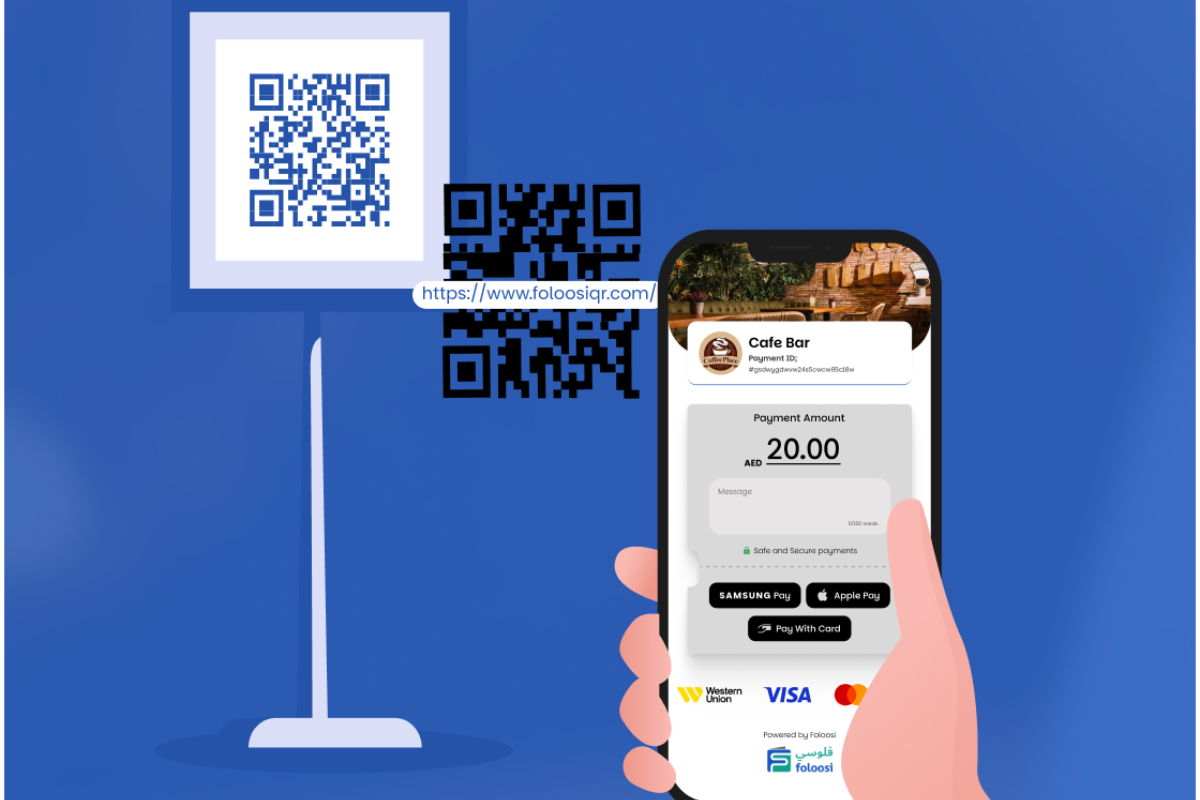
Payment experiences are becoming a key part of how customers decide to complete a purchase. Faster and more secure checkouts help reduce hesitation at the final step. When paying feels smooth and predictable, customers are more likely to follow through without second-guessing the decision.
Across the UAE, payment flows are becoming simpler and more secure through app-based approvals, biometric verification, and digital wallets. These methods reduce delays, limit errors, and make the checkout process feel more reliable. Has a customer ever abandoned a purchase because a code did not arrive on time or a transaction failed without explanation?
Reducing failed transactions has a direct impact on revenue. Real-time payment processing and better fraud detection help ensure payments go through on the first attempt. Flexible options such as digital wallets and installment payments also keep customers engaged within the same checkout flow, rather than pushing them to leave and return later.
Trust plays a quiet but important role in conversions. Clear payment steps, familiar payment methods, and visible security signals reassure customers at the moment of purchase. When customers feel confident that their payment will be processed correctly, they move forward more easily and are more likely to return.
Social Media Becomes a Direct Sales Channel, Not Just Marketing

Social media platforms are increasingly being used for direct buying interactions, rather than only for brand awareness or advertising. Short-form videos, live shopping features, clickable product tags, and in-app checkout options are turning social feeds into places where customers can discover, evaluate, and buy products or services without leaving the platform.
Short-form content like reels, TikToks, and shorts is especially effective because it combines entertainment with instant action. When users see a product demo, price tag, or quick offer in a video, platforms now make it possible to tap the product and complete a purchase or save it to buy later. This turns engagement into a measurable sales opportunity, not just a metric like “likes” or “views.”
Messaging apps are also evolving into micro storefronts. Many business owners in Dubai and across the UAE use WhatsApp Business, Instagram DMs, and similar messaging tools to share catalogs, confirm orders, send invoices, and collect payments. Customers often prefer this method because it feels personal, immediate, and familiar. The ability to ask a question and complete a purchase in the same chat reduces friction and keeps the business interaction in one place.
For small business owners, this shift means that social media activity can contribute directly to revenue. Posting content with product links, maintaining up-to-date catalogs in messaging apps, and using built-in commerce tools help businesses turn conversations and engagement into real transactions. Would a customer be more likely to complete a purchase if they can tap to buy right from the video or finish the order in a message thread? When the answer is yes, social platforms become both a storefront and a marketplace in one.
Convenience Is Becoming a Key Factor in Purchase Decisions

Convenience is becoming one of the strongest factors shaping how customers choose where to buy. People are increasingly willing to pay a little extra when the process feels quick, smooth, and predictable. How easy is it for someone to place an order with your business without calling, waiting, or following up multiple times?
Faster delivery expectations are now part of everyday buying behavior, especially in cities like Dubai, where same-day and next-day services are widely available. Customers often expect clear delivery timelines upfront and updates without needing to ask. When delivery feels uncertain or slow, interest drops quickly, even if the product itself is appealing.
Booking and ordering processes are also being simplified across industries. Online booking links, instant confirmations, digital menus, and automated order tracking reduce friction and save time for both the business and the customer. Does your customer know exactly what to do after discovering your business, or do they have to message, wait, and clarify basic steps?
In 2026, businesses that remove small points of friction tend to see higher completion rates. Convenience builds confidence, shortens decision time, and encourages repeat purchases by making the entire experience feel effortless.
Customers Lean Toward Brands They Trust and Relate to

Trust is playing a bigger role in how customers choose and stay with brands. People want to know who they are buying from, what to expect, and how issues will be handled if something goes wrong. Is your business clear about pricing, timelines, and policies before the customer needs to ask?
Transparency and credibility influence buying decisions, especially in digital-first markets like Dubai. Customers pay attention to real reviews, clear product details, visible contact points, and consistent online presence. When information feels hidden or inconsistent, hesitation sets in quickly.
Clear communication strengthens loyalty over time. Simple updates, honest responses, and realistic promises help customers feel respected and informed. When people know what is happening and feel heard, they are more likely to return and recommend the brand to others.
Sustainability Is Becoming Part of Everyday Business Decisions

Sustainability in 2026 is less about big statements and more about everyday business choices. Customers are paying attention to how brands reduce waste, manage resources, and operate responsibly. Are materials being used efficiently, or does the process create avoidable excess?
Reduced waste is becoming a cost and efficiency decision, not just an environmental one. Businesses are tightening inventory planning, minimizing overproduction, and finding ways to reuse or repurpose materials. These steps help control costs while aligning with customer expectations.
Packaging and sourcing are also becoming more thoughtful. Customers respond positively to simpler packaging, reusable options, and clear information about where products come from. Over time, these choices support long-term cost efficiency by lowering material spend, improving logistics, and building stronger brand trust.
Tourism and Events Continue Shaping Demand for Local Businesses

Tourism remains a strong driver of demand across Dubai, supporting local businesses in retail, food and beverage, hospitality, and services. A steady flow of visitors keeps spending actively across different parts of the city and creates regular opportunities for businesses to attract new customers.
Seasonal spikes play an important role in this pattern. Cooler months and major events bring higher footfall over short periods, increasing demand for dining, shopping, and experiences. Businesses that plan ahead for these peak moments are better positioned to capture attention and sales.
Spending is also becoming more experience-driven. Visitors often seek activities, events, and local experiences rather than just products. Businesses that offer something memorable, convenient, or unique tend to benefit more during busy event and tourism periods, especially when their offerings align with what visitors are already coming to Dubai for.
Small Businesses Focus More on Retention Than Constant Acquisition

Customer retention is becoming a practical priority for small businesses. Acquiring new customers continues to be competitive and costly, which makes repeat customers more valuable over time. How often do your existing customers come back without needing a discount or reminder?
Repeat customers tend to spend more, purchase more frequently, and require less effort to convert. Businesses that focus on consistent service, reliable experiences, and clear communication often see stronger long-term results from their existing customer base.
Loyalty and community-building efforts are becoming more intentional. Simple actions like personalised follow-ups, exclusive offers for regular customers, and creating spaces for ongoing engagement help strengthen relationships. When customers feel recognised and connected, they are more likely to return, recommend the business, and stay loyal even when options are plentiful.
What these Trends Mean for Business Owners Going into 2026
As small business owners prepare for 2026, the overall shift in customer behavior, technology, and market dynamics points toward one clear theme: focus on seamless experiences and lasting relationships. Customers are making quicker decisions, expecting convenience, and rewarding businesses that make interactions easy and trustworthy. Understanding how to prioritize actions will help you grow steadily without unnecessary strain.
Where to focus first?
Start with the touchpoints that most directly influence revenue and customer satisfaction. Payment experiences, clear communication, and quick responses matter because they shape the moment of decision. If customers struggle to pay, understand your offer, or reach you easily, they are likely to move on — even if your product is strong. Improving these first will have fast and visible benefits.
Next, focus on customer service and retention. Loyal customers spend more over time and require less investment than constantly finding new buyers. Building simple ways to engage repeat customers — such as follow-up messages, personalised offers, and consistent quality — helps create stable demand.
What to simplify?
Simplify anything that adds friction to the customer journey. This includes complicated checkout steps, lengthy booking processes, unclear pricing, or inconsistent responses on digital channels. Streamlining these reduces frustration and raises completion rates. For operations, automation tools can handle routine tasks like order confirmations, appointment scheduling, and basic inquiries so your team can focus on higher-value work.
Also, simplify offerings when possible. Rather than a long menu of options that confuses buyers, offer a curated set that highlights your strengths. Clear choices help customers decide faster and more confidently.
How to Stay Adaptable without Overcomplicating Things
Adaptability does not require complexity. It means listening to your customers, measuring what matters, and adjusting where it counts. Use simple metrics to track trends that impact your business directly — for example, repeat purchase rate, checkout completion rate, response times on messaging channels, and delivery fulfillment accuracy. These indicators help you spot issues early and respond without guesswork.
Stay informed about evolving tools and customer behaviors, but adopt them selectively. Choose technologies that align with real needs rather than chasing every new trend. For example, if your customers use messaging apps heavily, focus on improving service there before expanding to another platform.
The trends pointing toward 2026 are not distant shifts. They are already showing up in how customers browse, buy, and return. The real opportunity lies in what business owners choose to refine now. Every improvement to speed, communication, convenience, or trust compounds over time. Small changes made consistently this year can shape stronger positioning, healthier operations, and more resilient growth.
Also read:
 Ummulkiram Pardawala
 Umema Arsiwala
 Shahba Mayyeri