In the dynamic landscape of the United Arab Emirates, a profound shift is underway. Sustainability is no longer relegated to the realm of corporate social responsibility reports or well-intentioned but peripheral initiatives. Instead, it has firmly established itself as the new, non-negotiable strategy for businesses.
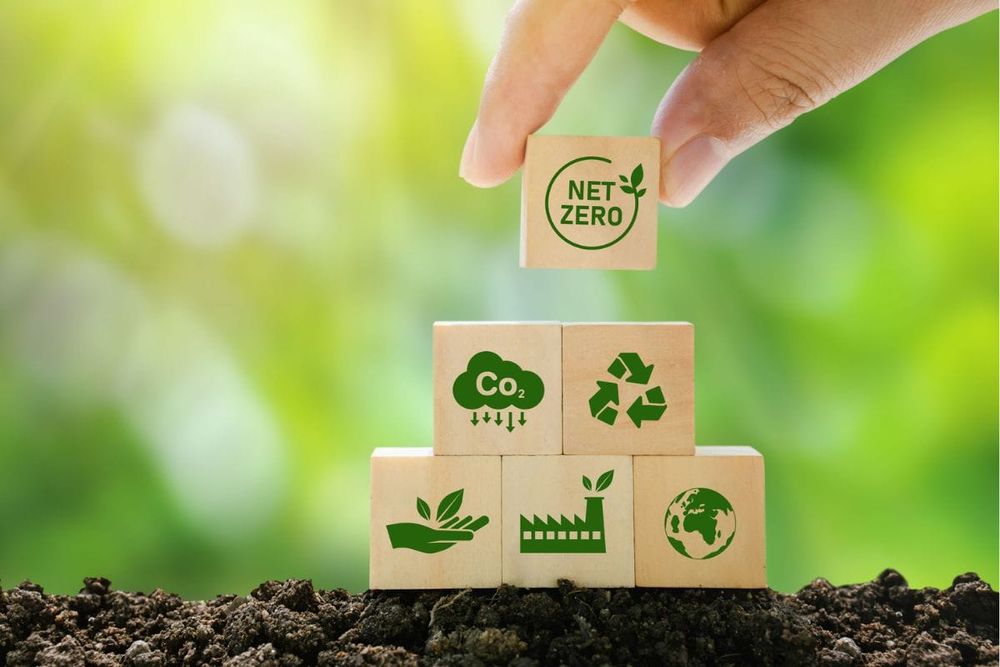
Driven by ambitious national goals such as the UAE Green Agenda 2030 and the landmark UAE Net Zero by 2050 Strategic Initiative, the pursuit of environmental responsibility has transcended mere compliance; it is now a fundamental driver of competitive advantage, a wellspring of groundbreaking innovation, and a clear pathway to enhanced profitability for enterprises across the nation.
This article serves as a practical and insightful roadmap, guiding business owners and aspiring startups through the burgeoning landscape of green business opportunities in the UAE.
The Green Opportunity Landscape
The UAE's commitment to a sustainable future is not just rhetoric; it is backed by concrete policies, significant investments, and a clear vision articulated by its leadership. This proactive stance has created a uniquely favourable environment for businesses that prioritise sustainability.
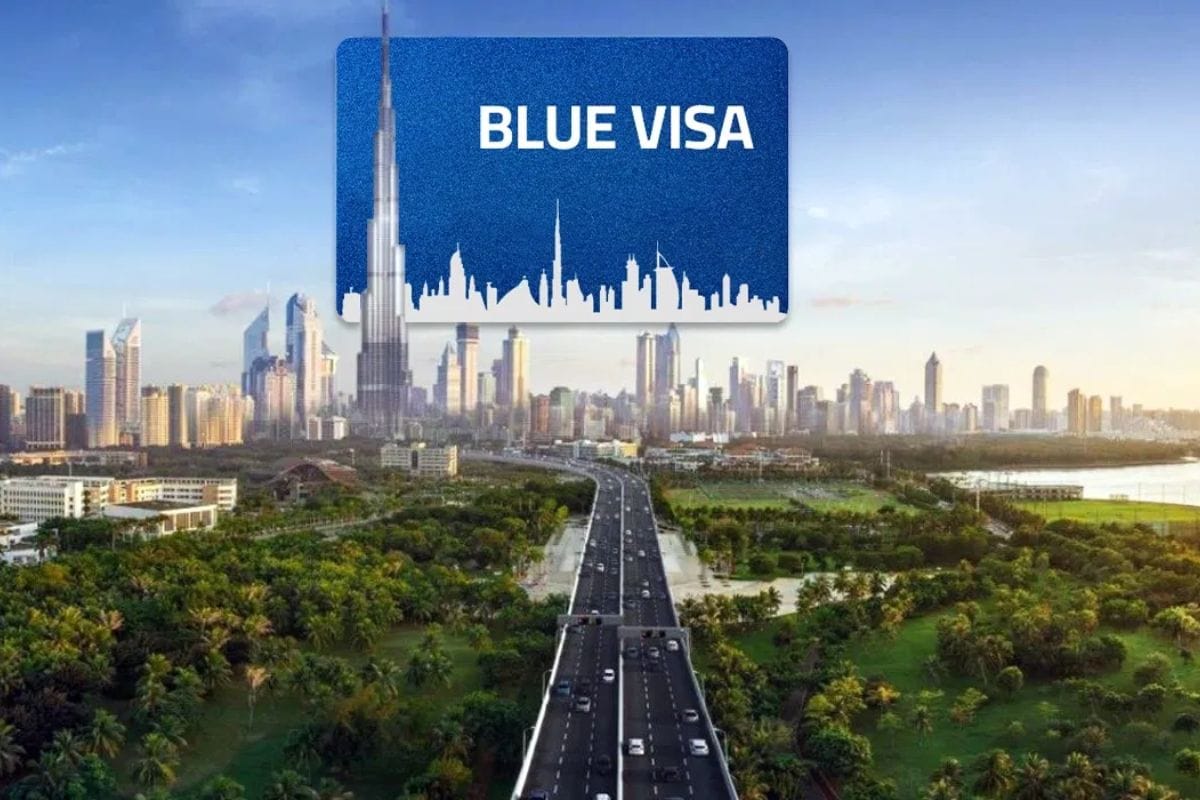
The nation's dedication to a green transition is evident in numerous government initiatives. The "Blue Visa" for entrepreneurs and investors in green economy sectors, announced in 2024, signifies a direct effort to attract and retain talent and capital focused on sustainability.
Furthermore, significant financial incentives are being channelled through funds like the Mohammed bin Rashid Innovation Fund and the newly launched ALTERRA climate investment fund, demonstrating a tangible commitment to supporting green innovation and projects. These initiatives create a fertile ground for startups and established businesses alike to develop and scale sustainable solutions.
Beyond broad support, specific sectors are brimming with high-potential green business opportunities:
- Circular Economy & Waste Management:
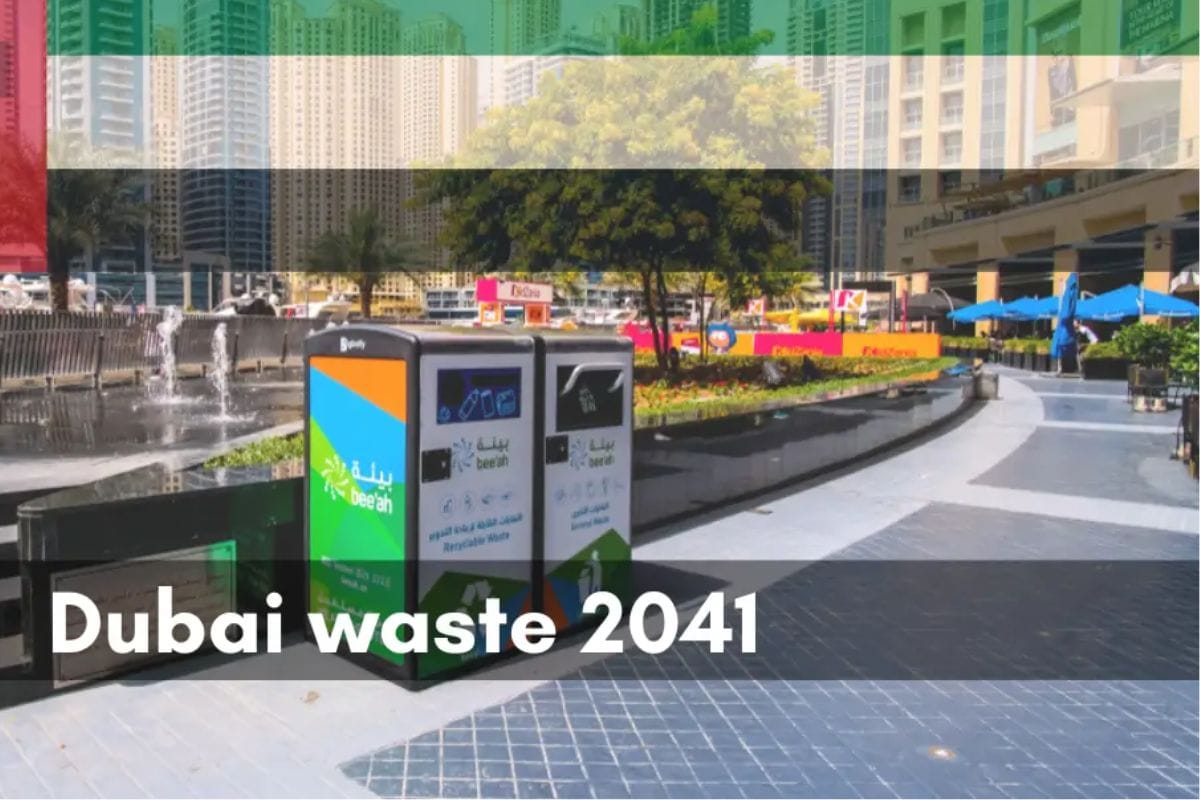
The UAE is actively transitioning from a linear "take-make-dispose" model to a circular economy where resources are kept in use for as long as possible. The Dubai Integrated Waste Management Strategy 2041, with its ambitious targets for reducing landfill waste, alongside significant infrastructure projects like the Warsan Waste to Energy Center, are creating a substantial need for innovative waste management solutions.
Startups can capitalize on this by focusing on areas such as advanced recycling technologies for e-waste and plastics, innovative methods for converting organic waste into valuable bio-products like compost and biogas, and the development of smart recycling applications that enhance consumer engagement and efficiency.
A successful example in this space is Recapp by Veolia, which provides a free, convenient door-to-door recycling service powered by a user-friendly mobile application, showcasing the viability of tech-driven solutions in waste management.
- Sustainable Agriculture & Food Tech:
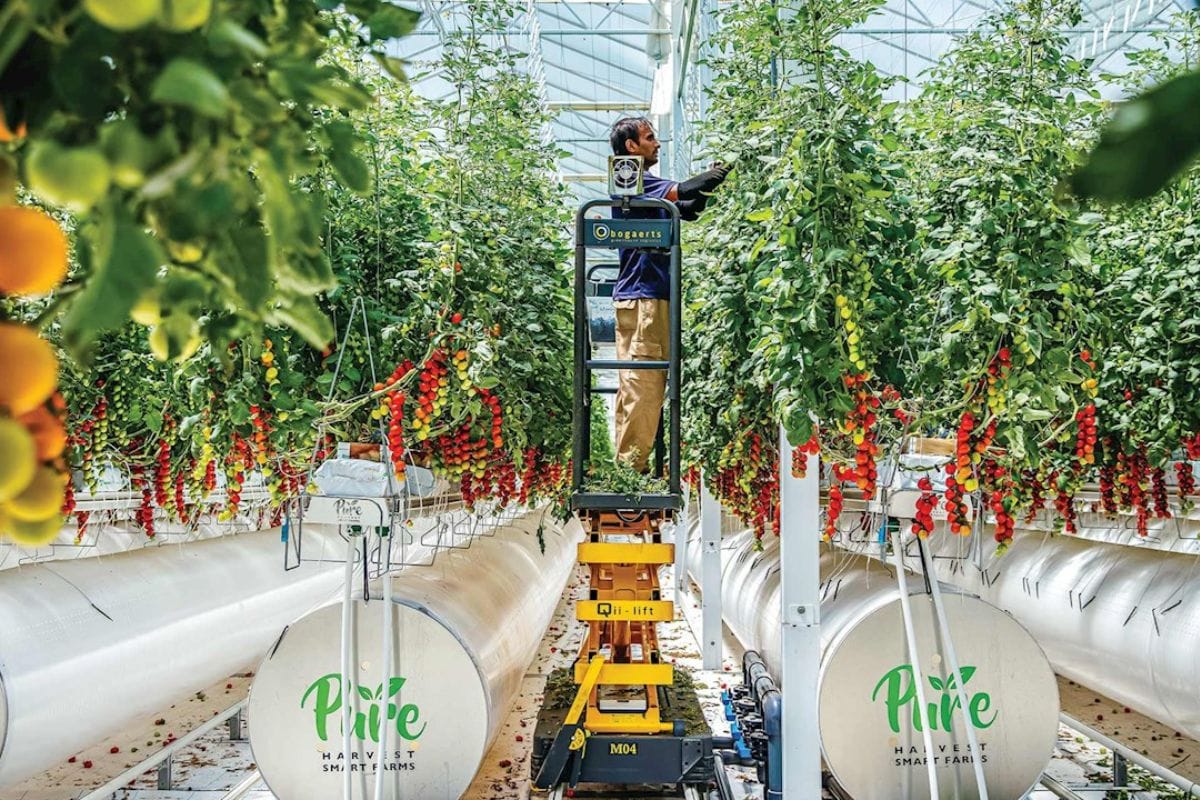
In a region facing the challenges of arid land and high reliance on food imports, sustainable agriculture and food technology represent a critical area of opportunity. The need for enhanced food security and reduced environmental impact is driving innovation in controlled environment agriculture. The rise of indoor vertical farming, utilizing technologies like hydroponics and aeroponics, offers a solution to grow fresh produce locally with significantly reduced water usage and land footprint.
Pioneering companies such as Pure Harvest Smart Farms and Badia Farms in the UAE have demonstrated the commercial viability of these methods, producing high-quality, locally sourced greens year-round, regardless of external weather conditions. This sector offers numerous avenues for startups to develop and deploy innovative farming techniques, sustainable packaging solutions, and technologies that optimize resource utilization in food production.
- Clean Energy Solutions:
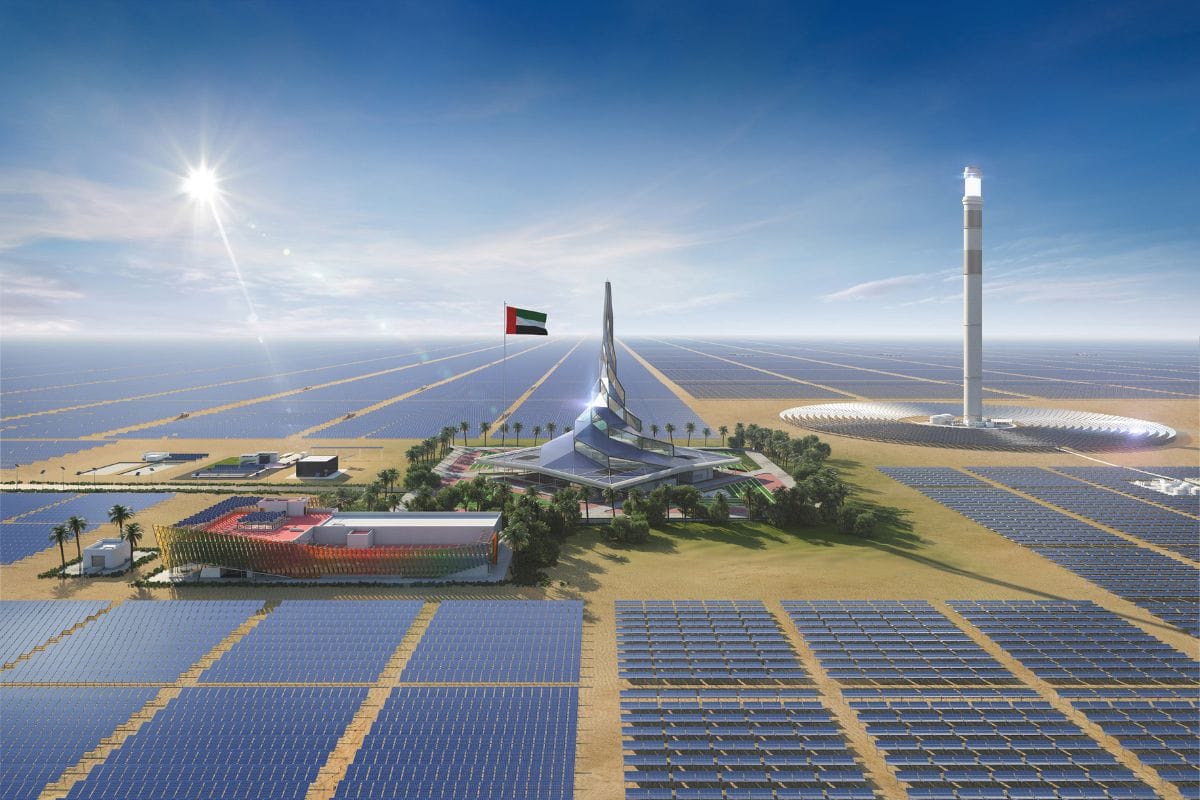
While the UAE is a major player in traditional energy, it is also making significant strides in the transition to clean energy sources. Beyond large-scale solar projects like the impressive Mohammed bin Rashid Al Maktoum Solar Park, there is a growing demand for distributed clean energy solutions, energy storage technologies, and smart microgrids that enhance energy efficiency and resilience.
Startups can explore opportunities in developing and deploying small-scale renewable energy systems for residential and commercial buildings, creating innovative energy storage solutions to address intermittency issues, and designing intelligent grid management systems that optimize energy distribution and reduce waste. The increasing focus on green hydrogen production also presents a long-term opportunity for businesses in the clean energy sector.
- Eco-Friendly Consumer Products:
Driven by increasing environmental awareness and a growing preference for sustainable lifestyles, consumer demand for eco-friendly products is on the rise in the UAE. This presents a significant opportunity for businesses to create, manufacture, or import sustainable alternatives to conventional goods.
This includes a wide range of products, from biodegradable and compostable packaging materials and sustainable and ethically sourced fashion items to natural and organic beauty and personal care products.
Local businesses like Bamboo Bazzar, which offers a diverse range of bamboo-based alternatives to single-use plastics, exemplify the potential of catering to this growing consumer segment. Startups can focus on identifying product categories with high environmental impact and developing innovative, sustainable alternatives that resonate with environmentally conscious consumers.
The Actionable Roadmap for Startups
Capitalizing on the green business opportunities in the UAE requires a strategic and well-informed approach. Here is an actionable roadmap for startups venturing into this promising landscape:
- Securing Funding:
Access to capital is crucial for any startup, and the green sector in the UAE offers unique funding avenues. Beyond traditional bank loans, explore government-backed funds specifically earmarked for sustainable projects, such as the Mohammed bin Rashid Innovation Fund and potentially grants linked to initiatives like the UAE Green Agenda 2030.
Investigate the growing market for green bonds, which are specifically issued to finance environmentally beneficial projects. Startup accelerators with a sustainability focus, such as the Bedayat Business Incubator at The Sustainable City in Dubai and Hub71+ Climate Tech in Abu Dhabi, not only provide seed funding but also offer invaluable mentorship and networking opportunities tailored to the green sector.
- Navigating Regulations and Certifications:
Operating a green business in the UAE requires a thorough understanding of local environmental regulations and the pursuit of relevant certifications. Familiarize yourself with mandatory green building regulations like Estidama in Abu Dhabi and Al Sa'fat in Dubai, which create a demand for eco-friendly construction materials and sustainable building practices.
Research and obtain relevant environmental certifications that validate your product or service's sustainability credentials. This not only ensures compliance but also builds trust and credibility with environmentally conscious customers.
- Marketing Your Green Brand:
In the green marketplace, authenticity and transparency are paramount. When marketing your sustainable products or services, emphasize credibility by obtaining recognized certifications that verify your environmental claims. Clearly communicate the tangible environmental impact of your business – quantify your carbon footprint reduction, water savings, or waste diversion efforts.
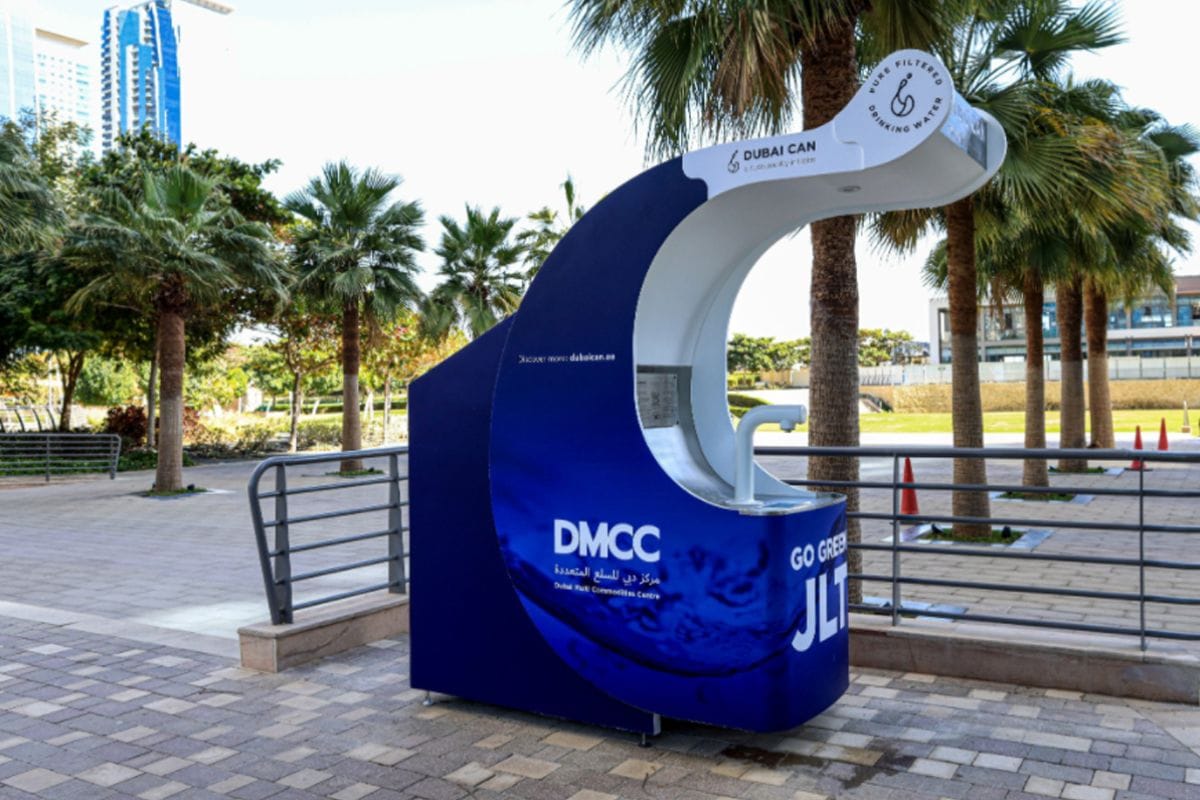
Consider partnering with local sustainability influencers and participating in prominent environmental campaigns like the "Dubai Can" initiative, which aims to reduce single-use plastic water bottle consumption. These collaborations can significantly enhance brand trust and awareness among environmentally conscious consumers.
- Finding Strategic Partners:
Collaboration can be a powerful catalyst for growth in the green sector. Seek out opportunities to partner with established corporations or government entities that have sustainability goals. These partnerships can lead to valuable pilot projects, large-scale procurement contracts, and access to established distribution networks.
For instance, a cleantech startup might collaborate with a large real estate developer to implement its energy-efficient solutions in new projects, or a sustainable packaging company might partner with a major food manufacturer to reduce their environmental footprint.
Inspiring Local Case Studies
The UAE's green economy is already home to inspiring success stories that demonstrate the viability and potential of sustainable business models.
- Enerwhere:
As the first distributed solar utility company in the Middle East, Enerwhere has pioneered the deployment of off-grid and grid-tied solar power solutions for a variety of clients, from construction sites to remote resorts.
Their journey demonstrates the significant opportunities in providing clean and reliable energy alternatives in a region with abundant solar resources. Enerwhere's success can serve as a powerful inspiration for startups in the renewable energy and energy efficiency sectors.
- Desert Control:
This innovative company has developed a patented "Liquid NanoClay" (LNC) solution that can transform barren desert sand into fertile soil. By applying LNC, the water retention capacity of sandy soils is dramatically increased, enabling the cultivation of crops with significantly less water and fertilizer.
Desert Control's groundbreaking technology highlights the potential of deep tech innovations to address critical sustainability challenges in arid environments, particularly in the agriculture and land management sectors.
- Fenix:
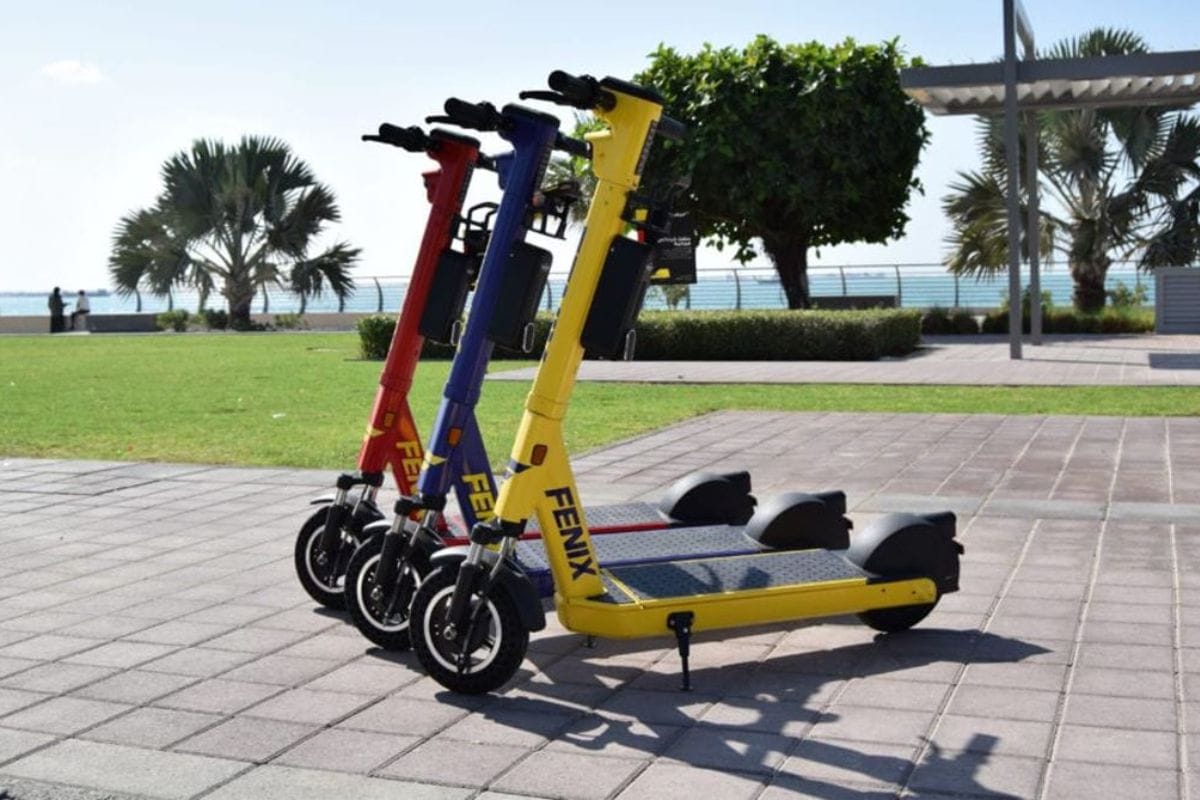
Recognizing the need for efficient and sustainable urban mobility, Fenix has emerged as a leading micro-mobility startup in the UAE, offering a fleet of electric scooters accessible through a user-friendly mobile application. By providing a convenient and emission-free transportation alternative, Fenix is contributing to reducing traffic congestion and air pollution in urban centers.
Their rapid growth and user adoption underscore the significant market demand for green transportation solutions in the UAE's increasingly urbanized landscape.
In the United Arab Emirates, sustainability has moved beyond a peripheral concern to become a central pillar of economic growth and a fundamental driver of innovation. For entrepreneurs and business owners, this paradigm shift presents not a challenge, but the single most significant opportunity to not only build profitable and resilient enterprises but also to actively contribute to the nation's ambitious vision for a sustainable future.
By embracing the principles of environmental responsibility, leveraging government support, and capitalizing on the burgeoning market demand for green solutions, businesses in the UAE are poised to thrive in the new era where sustainability is no longer just a choice – it is the new strategy for enduring success.
Sources:
- UAE National Sustainability Strategies:
Information on the UAE Green Agenda 2030, UAE Net Zero by 2050 Strategic Initiative, and Dubai’s Integrated Waste Management Strategy 2041 were sourced from official government portals and press releases.
- Business Insights & Government Support:
Details on government incentives for green businesses, including the "Blue Visa" and various innovation funds, were gathered from business consulting and economic development publications.
- Featured Green Startups:
Case studies and company information for Pure Harvest Smart Farms, Badia Farms, Enerwhere, Desert Control, and Fenix were compiled from industry articles, business profiles, and company websites.
Also Read:
 Shahba Mayyeri
 Umema Arsiwala
 HiDubai Newswire
 Umema Arsiwala