
Dubai’s marketplace is crowded, fast moving, and driven by digital innovation. Consumers here are digitally savvy, globally connected, and expect experiences that feel personal and relevant. For brands that rely on traditional, broad strokes of marketing, standing out takes more than simply throwing money at ads. It takes strategy, data, and an intentional focus on who your customers are, what they want, and how they behave. That’s where precision marketing comes in.
Precision marketing is the practice of using data, analytics, and technology to deliver the right message to the right person at the right time. Instead of broadcasting to everyone and hoping someone responds, precision marketing hones in on specific segments of your audience with tailored content designed to convert. As digital noise increases, this strategic approach is how brands sharpen their competitive edge and get measurable results.
In Dubai, where businesses span local, regional, and global audiences, precision marketing is a practical necessity. With rapid adoption of AI, automation, and predictive analytics, companies that learn to target smarter are capturing greater engagement, building stronger customer relationships, and improving return on investment.
Dive into how precision marketing works and what techniques Dubai companies can leverage for success.
What Is Precision Marketing?
Precision marketing is a data-driven approach that uses audience insights to deliver highly relevant messages. At its core, it relies on three pillars:
- Behavioral insights: understanding how customers interact with your brand online.
- Advanced segmentation: dividing audiences into precise groups based on specific attributes.
- Tailored messaging: creating content and offers that resonate with each group’s needs.
This method moves away from “spray-and-pray” advertising and toward measurable personalization that drives engagement, conversions, and retention.
In Dubai, where the population is a melting pot of over 200 nationalities, this approach is particularly powerful. Businesses can address the specific needs of groups like young professionals in Downtown Dubai or families in Jumeirah.
At its core, precision marketing relies on collecting and analyzing customer data ethically. This includes purchase history, online interactions, and location patterns. For instance, a Dubai-based retailer might notice that customers from certain areas prefer luxury items, allowing for customized promotions. The goal is relevance: when ads feel personal, engagement soars. Companies here must also navigate local regulations, such as those from the UAE's Telecommunications and Digital Government Regulatory Authority, to ensure data privacy.
The Benefits of Precision Marketing for Dubai Companies
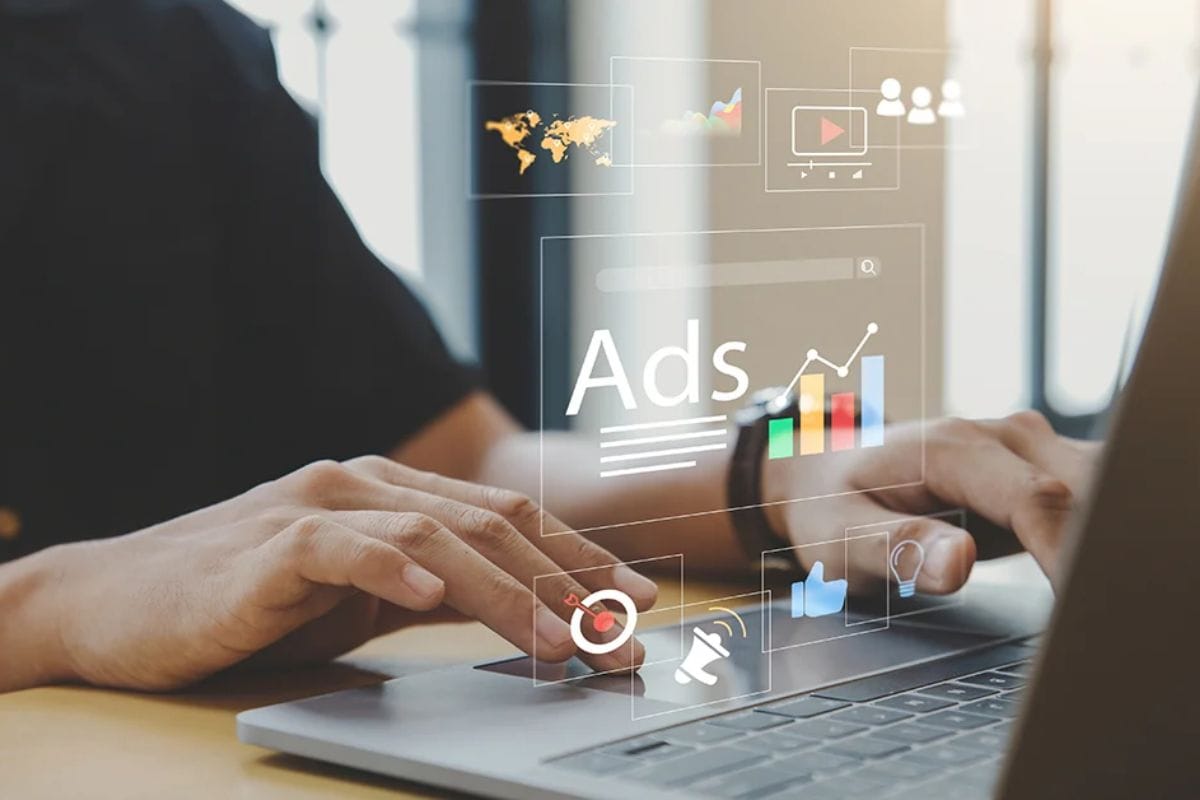
Switching to precision marketing brings tangible advantages, especially in a market as vibrant as Dubai's. First, it improves return on investment by reducing wasted ad spend. Instead of broad billboards that everyone sees but few act on, targeted digital ads reach those most likely to convert. This efficiency is crucial in a high-cost city where every dirham counts.
Engagement rates climb because messages resonate more deeply. Personalized emails or social media ads that speak to a customer's past interests feel helpful, not intrusive. In Dubai's luxury sector, for example, this could mean suggesting high-end experiences based on previous bookings, leading to repeat business.
Customer loyalty strengthens too. When brands anticipate needs, trust builds. A study shows that 71 percent of consumers expect personalized interactions from companies. In Dubai, where competition is fierce in sectors like hospitality, this can differentiate your hotel from others by offering tailored packages for returning guests.
Precision also provides better insights. By tracking campaign performance, businesses refine strategies over time. In a diverse market, this means understanding cultural nuances, like preferences during Ramadan, to avoid missteps and maximize impact.
Top 5 Data Sources for Precision Targeting in Dubai
To execute precision marketing effectively, Dubai businesses need reliable data sources. Here are four key ones, each with practical applications.
- Customer Relationship Management (CRM) Systems: Tools like Salesforce or HubSpot collect data on interactions, purchases, and preferences. In Dubai's real estate market, agents use CRM to segment buyers by budget and location, sending targeted property alerts. This source is gold for personalization, as it draws from direct customer touchpoints.
- Social Media Analytics: Platforms like Instagram and LinkedIn provide insights into user demographics and behaviors. With Dubai's high social media penetration, brands analyze engagement to target ads. For instance, a fashion retailer might focus on users who engage with luxury posts, boosting click-through rates.
- Website and App Analytics: Google Analytics tracks visitor paths, time spent, and conversions. Dubai e-commerce sites use this to retarget abandoners with reminders. It's essential for understanding online journeys in a mobile-first city.
- Location-Based Data: From GPS apps, this reveals movement patterns. Retailers in malls like Dubai Mall use it for geo-fenced promotions, drawing foot traffic during sales.
These sources, when combined, create a robust foundation for targeted campaigns, helping businesses in Dubai reach audiences with pinpoint accuracy.
7 Essential Tools for Precision Marketers in Dubai

Equipping yourself with the right tools is key to precision marketing success. Here are seven essentials, suited for Dubai's tech-forward environment.
- Google Analytics: Free and powerful, it tracks website traffic and user behavior. Dubai businesses use it to segment visitors by location and device, refining ad strategies.
- HubSpot: An all-in-one CRM with AI features for personalization. Ideal for Dubai's service industries, it automates emails and scores leads.
- Facebook Ads Manager: Excels in geo-targeting. With Dubai's high Facebook usage, it allows precise audience segmentation, boosting ROI. Reports show targeted ads are 5.3 times more effective in click-through rates.
- Mailchimp: For email campaigns with segmentation. Dubai marketers personalize newsletters based on subscriber data, improving open rates.
- SEMrush: SEO tool for keyword and competitor analysis. In Dubai's competitive search landscape, it helps target local queries.
- Hootsuite: Manages social media with analytics. Useful for scheduling targeted posts across Dubai's time zones.
- Tableau: Data visualization software. It turns complex data into insights, helping Dubai firms spot trends in multicultural markets.
Start with free trials, integrate them, and train teams to maximize value.
Audience Segmentation Strategies
Segmentation is the backbone of precision marketing. It breaks your total audience into meaningful subgroups so your messaging feels relevant and timely.
Here are key segmentation strategies Dubai companies can use:
1. Demographic Segmentation
Divide audiences by age, gender, income, education, or location. In Dubai’s multi-national and multi-lingual market, demographics help tailor campaigns for expatriates and local residents in ways that resonate with each group.
2. Behavioral Segmentation
Track how users interact with your brand. This includes browsing paths, purchase frequency, time spent on key pages, and previous conversions. Customers who frequently engage with luxury products, for example, present very different opportunities than first-time website visitors.
3. Psychographic Segmentation
Understanding motivations, interests, attitudes, and lifestyle preferences allows marketing messages to connect on a deeper emotional level. In lifestyle-driven markets like hospitality, retail, and luxury goods, psychographics can elevate engagement significantly.
4. Predictive Segmentation
This advanced approach uses algorithms to group people based on predicted future behavior, not just past or present actions. It allows marketers to invest in segments with the highest potential ROI.
According to Deloitte, 89% of companies report that data-driven marketing is a key element of their strategy.
Personalization Techniques That Work

Personalization turns segments into meaningful experiences. Here are techniques Dubai companies can implement:
Personalized Email Campaigns
Email remains one of the most effective precision marketing channels. With personalization, brands can send tailored recommendations, reminders, and offers based on past interactions. In 2024, 72% of consumers said they only engage with messages that reflect their interests and behavior.
Dynamic Website Content
Dynamic content changes in real time based on who's visiting. For example, returning visitors might see product suggestions based on previous pages viewed, while new visitors may see introductory offers.
Customized Offers
Use purchase history and preferences to send bespoke deals. Predictive analytics can signal when a customer is likely to purchase again and trigger offers at the optimal time.
Real-Time Personalization
Delivering tailored experiences during the interaction itself increases relevance. Real-time personalization can improve customer satisfaction and engagement metrics significantly.
Measuring Precision Marketing Success
Effective precision marketing isn’t just about tools and techniques. Measurement is critical.
Key Metrics to Track
- Conversion rate: Percentage of users who complete desired actions.
- Customer lifetime value (CLV): Revenue a customer generates over their lifetime.
- Engagement rate: Interaction levels across channels.
- Return on ad spend (ROAS): Revenue generated for every dollar spent.
With real-time analytics dashboards, companies can continually refine campaigns and maximize performance.
Compliance and Ethical Considerations
Precision marketing relies on data, but with increasing concerns over privacy, ethical practices are crucial. Brands must:
- Be transparent about data use.
- Follow local regulations and UAE data protection standards.
- Focus on consent-based personalization.
Ethical precision marketing builds trust and long-term customer loyalty.
Also Read:
 Umema Arsiwala
 Ummulkiram Pardawala
 Nour Aboras
 Ummulkiram Pardawala
 Umema Arsiwala