If you are reading this while overlooking the Burj Khalifa or from a quiet villa in Al Barari, you likely know the weight of the "Self-Made" title. For many in Dubai’s professional and entrepreneurial class, the journey here was paved with grit. Whether you arrived two decades ago with a single suitcase or built a tech empire from a small office in Media City, your success was forged in the fire of necessity.
But now, a new challenge has emerged—one that isn’t discussed in boardrooms but keeps many founders awake at night. We call it the Luxury Trap.
In a city designed for convenience, where groceries arrive in ten minutes, and world-class amenities are the baseline, how do we foster hunger in a child who has never known thirst? When we give our children everything we never had, we risk taking away the very thing that made us who we are: the ability to struggle, pivot, and prevail. The Dubai Dilemma is the realization that by removing all friction from our children’s lives, we may be inadvertently handicapping their future resilience.
The Lemonade Logic – A Master's Degree in a 50-Cent Glass
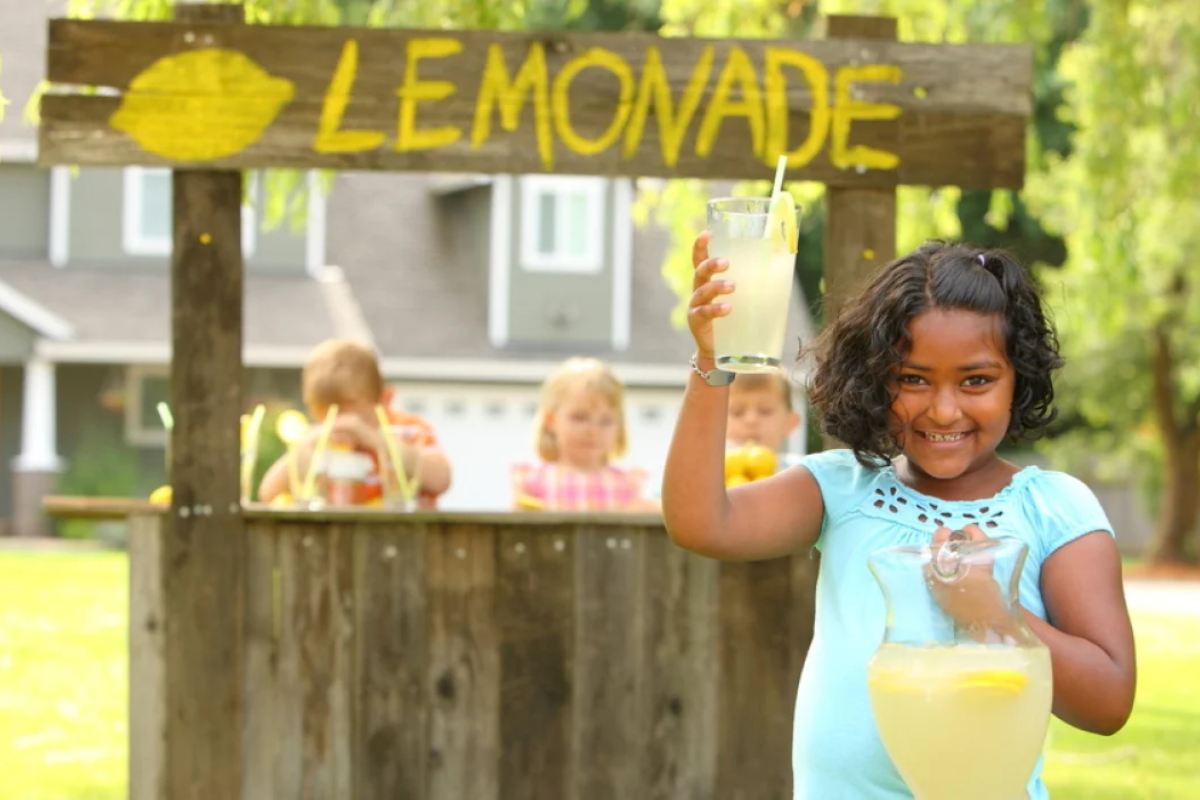
In the West, the "Lemonade Stand" is a trope of Americana. In Dubai, where a child is more likely to be in a climate-controlled mall than on a suburban sidewalk, the concept needs an upgrade. But the logic remains timeless.
A lemonade stand—or its modern Dubai equivalent at a community market like Ripe Market—is not a hobby; it is a micro-incubator. When a seven-year-old decides to sell hand-painted pebbles or home-mixed hibiscus tea, they aren't just "playing shop." They are engaging in:
- Supply Chain Management: Where do we get the lemons? What is the cost per unit?
- Marketing & Positioning: Why should a neighbor buy from you instead of getting a soda from the fridge?
- Revenue vs. Profit: Realizing that if the lemons cost 20 AED and you made 25 AED, you only "earned" 5 AED.
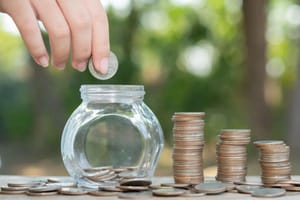
These "coins in the jar" are symbols of agency. In the adult world, we call this a Master’s degree in business. For a child, it is the first time they realize that they have the power to create value where none existed before.
The Psychology of the ‘Earn’

Why does it matter if a child "earns" a toy versus receiving it as a gift? Developmental psychology offers two powerful explanations: Delayed Gratification and the Endowment Effect.
The Stanford Marshmallow Legacy
The Marshmallow Test is the gold standard for measuring "Executive Function." It proves that the ability to resist an immediate reward (one marshmallow now) for a greater gain later (two marshmallows in 15 minutes) is the #1 predictor of long-term success.
In entrepreneurship, this is the "No-Pay Period." A child-preneur learns that they must spend hours making the product and days marketing it before they see a single Dirham in profit. By practicing this "earn-later" mindset, they develop the mental grit to skip small, instant thrills in favor of building something substantial and lasting.
The Endowment Effect
Psychologically, humans value things they own more than things they don't—but we value things we worked for most of all. This is the Endowment Effect. When a child buys a LEGO set with money they earned from selling cookies at a school winter fair, they don't just see plastic bricks. They see their own labor, their own time, and their own capability. This builds a foundational level of self-confidence that "free" luxuries can never provide.
The 5-Step Framework for a "Vacation Business."

To move from "buying things for kids" to "giving kids the tools to earn," parents need a structured approach. Here is a framework adapted for the Dubai lifestyle:
1. Idea Generation (The "Pain Point" Search)
Don't tell them what to sell. Ask them: "What is a problem people in our community have?" Maybe it’s hot cars in the summer (selling sunshades), or maybe it’s the need for custom birthday cards.
2. The "Seed Loan" (Not a Gift)
Act as the Venture Capitalist. If they need 100 AED for supplies, lend it to them. Draw up a simple "contract." This teaches them that capital has a cost.
3. Production & Quality Control
Whether it’s a digital "e-stand" on a safe social platform or a physical stall, the product must be good. This is where they learn that excellence is the minimum requirement for entry into the market.
4. The Pitch (Customer Interaction)
In Dubai’s multicultural environment, this is a superpower. Encourage them to explain their product to strangers. It builds the "social muscle" required for future networking.
5. The Accounting
At the end of the day, sit down at the kitchen table. Subtract the "Seed Loan" from the total revenue. Whatever is left is theirs to split: 40% Savings, 40% Spending, 20% Charity (Zakat/Giving).
Turning Failure into Capital
In Dubai’s high-performance culture, we often hide our failures. However, for a young entrepreneur, a "No" from a customer is more valuable than a "Yes."
When a child sets up a table, and no one buys, that is the "Struggle" we mentioned above. As a parent, your job isn't to buy the remaining stock to make them feel better. Your job is to conduct a Post-Mortem.
- Was the price too high?
- Was the location wrong?
- Did we explain the product clearly?
Teaching a child that failure is just "data" transforms their relationship with risk. They learn that a "No" isn't a rejection of their person; it's feedback on their process. This is the hallmark of emotional resilience.
As established entrepreneurs in the UAE, we often talk about "Succession Planning." We think about trusts, real estate, and portfolios. But the greatest inheritance you can leave is not a sum of money; it is a Legacy of Capability.
If you leave a child a million dirhams but no understanding of how to create value, that money is a ticking clock. If you leave them with the mindset of an entrepreneur—the ability to spot an opportunity, manage a budget, and bounce back from a loss—they will be wealthy regardless of what the market does.
By encouraging these "Lemonade Stand" moments today, you are ensuring that the next generation of Dubai’s leaders isn't just sitting in the back of the car—they are learning how to drive.
Micro-Business Plan
Business Name: __________________________________________________
Founder(s): _____________________________________________________
1. The Big Idea (The "What")
- What am I selling? (Product or Service): _________________________________________________________________________
- What problem does it solve? (e.g., "People at the park are thirsty," "Neighbors need help walking their dogs"): _________________________________________________________________________
2. Market Research (The "Who")
- Who is my target customer? (Parents at school, neighbors in Jumeirah, tourists at the beach): _________________________________________________________________________
- Why will they buy from ME instead of a big shop? (My "Unique Selling Point"): _________________________________________________________________________
3. The Money Map (The "How Much")
To find your profit, we use this simple formula:
$$Total Revenue - Total Expenses = Net Profit$$
| Item Needed | Cost (AED) |
| Supplies (Ingredients, packaging, tools) | |
| Marketing (Poster boards, markers, stickers) | |
| The "Seed Loan" (Money borrowed from Mom/Dad) | |
| TOTAL EXPENSES | AED _______ |
- Selling Price per unit: AED _______
- Target Sales Goal: _______ units
- Expected Profit: AED _______
4. Operations & Marketing (The "Where")
- Where will I sell? (Check one):
- [ ] Community Market (e.g., Ripe Market)
- [ ] Digital Store (WhatsApp/Instagram - supervised)
- [ ] School Event
- [ ] Door-to-Door (with supervision)
- How will I tell people about it? (Social media, handmade flyers, shouting "Cold Water!" at the park): _________________________________________________________________________
5. The "Seed Loan" Agreement
I, ________________________ (Founder), promise to pay back my investor (Mom/Dad) the amount of AED ________ from my first sales.
Signed: _______________________ (Founder)
Signed: _______________________ (Investor/Parent)
6. The "Success Scorecard" (Fill this out AFTER the sale)
- What went well? ____________________________________________________
- What would I change next time? ______________________________________
- Total Profit earned: AED ________
The 40/40/20 Rule for Profit
Once the "Seed Loan" is paid back, encourage your child to divide their earnings:
- 40% Savings: For a future "Big Purchase" or the next business.
- 40% Spending: To enjoy the fruit of their labor immediately.
- 20% Giving: To a local charity or a cause they care about.
Also read:
 Shahba Mayyeri
 Umema Arsiwala
 Ummulkiram Pardawala