Dubai's dynamic business landscape, where innovation intersects with ambition, underscores the importance of anticipating technological shifts. With the UAE's Vision 2031 pushing diversification beyond oil, and Dubai emerging as a global tech hub through programs like the Dubai Future Accelerators and AI Strategy 2031, 2026 stands as a pivotal year. Drawing from analyses by Gartner, Info-Tech Research Group, and Forbes, this blog explores the top 10 technology trends poised to shape the coming decade.
These developments promise to transform industries, offering opportunities for efficiency, growth, and adaptation in Dubai's market, where foreign direct investment inflows reached AED 40 billion in the first half of 2025.
Each trend is examined in detail, including its mechanics, future implications, and relevance to Dubai's ecosystem.
1. Agentic AI and AI-Driven Autonomy
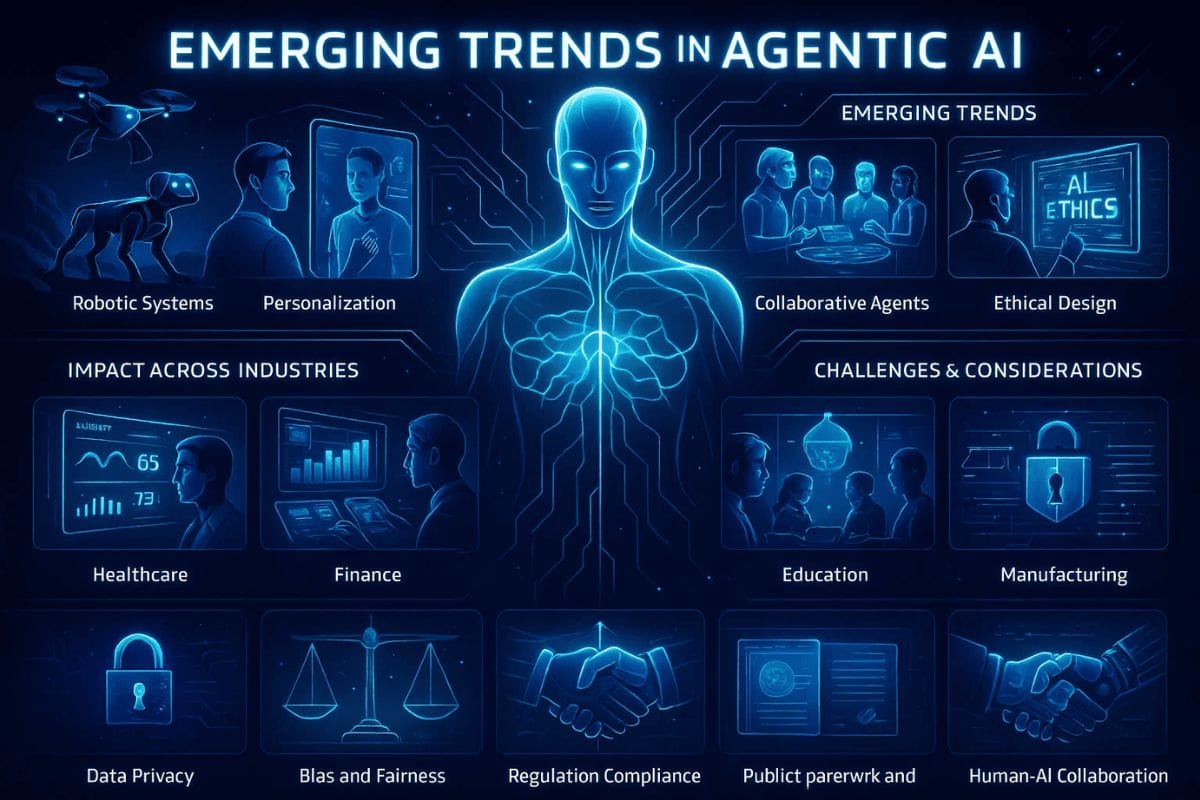
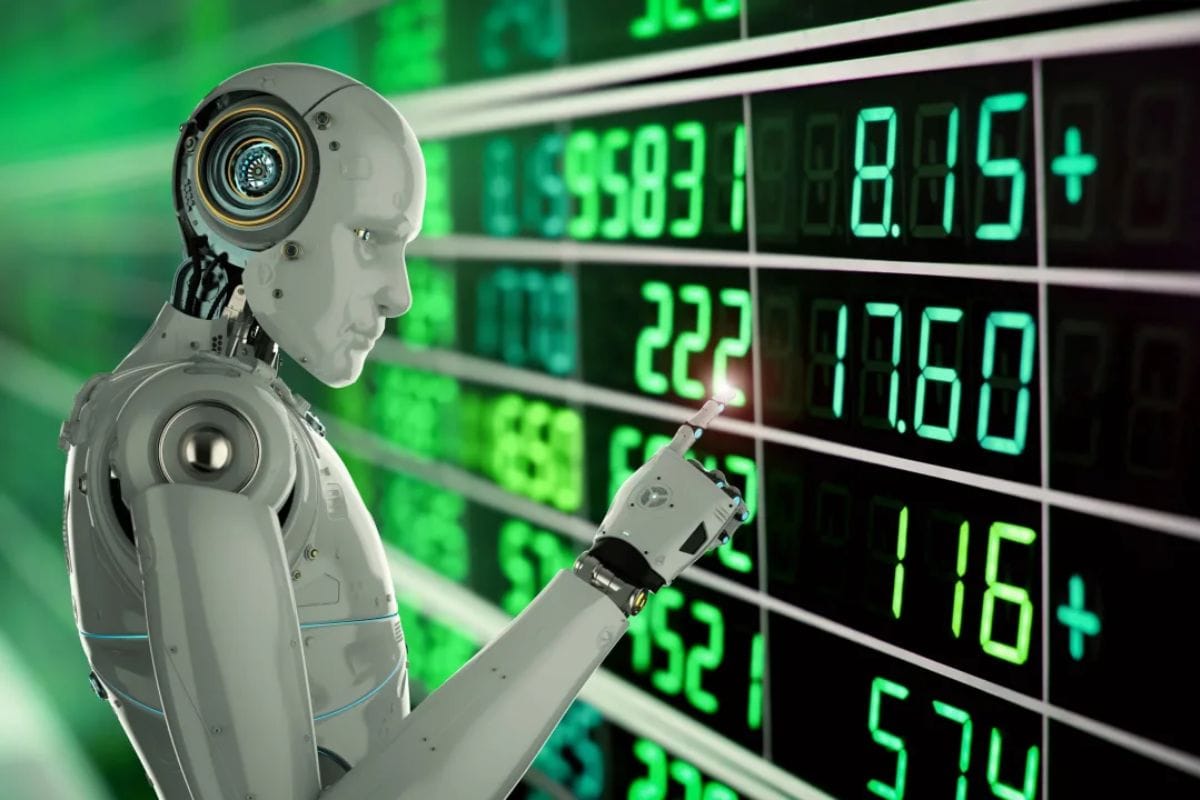
Agentic AI represents a significant advancement from reactive systems to proactive ones that independently plan, execute, and collaborate. Unlike conventional AI, which processes inputs to generate outputs, agentic models employ multi-agent orchestration—networks of specialized AI "agents" that divide tasks, learn from each other, and adjust dynamically. For instance, in supply chain operations, one agent could forecast demand while another reroutes shipments, all autonomously.
Looking ahead, this trend will redefine workflows by enabling hyper-autonomous systems, minimizing errors, and accelerating decisions. By the 2030s, agentic AI might automate up to 70% of knowledge-based work, creating economies where machines manage complexities, allowing humans to focus on creativity. Ethical considerations, such as ensuring accountability for AI actions, will necessitate strong regulatory frameworks to prevent misuse.
In Dubai, sectors like logistics and e-commerce—supported by infrastructure in the Jebel Ali Free Zone—stand to gain. Retailers could deploy agentic systems to anticipate inventory fluctuations driven by tourism, or fintech entities could automate fraud detection. As Gartner reports, 98% of global business services anticipate GenAI rollout by mid-2026, enabling Dubai's startups to pioneer AI-enhanced supply chains.
2. Quantum Computing Goes Practical

Quantum computing utilizes quantum bits (qubits) to perform computations exponentially faster than classical methods, addressing challenges like simulating molecular structures. In 2026, hybrid quantum-classical systems will become viable, with quantum processors tackling targeted problems such as optimization.
Over the decade, this will revolutionize fields by solving previously unsolvable issues, from expediting drug development to enhancing climate simulations. Bernard Marr predicts tangible business effects by 2026, mirroring the microprocessor's impact in the 1980s. Long-term, it could yield unbreakable encryption and tailored therapies, though quantum-resistant cybersecurity will be critical to counter emerging threats.
Dubai's healthcare and finance hubs, such as DIFC, could apply quantum tech to refine risk models for banks or simulate materials for sustainable architecture. Collaborations with leaders like IBM align with the UAE's quantum investments, drawing talent and boosting FDI.
3. Sustainability and Tech's Energy Solutions
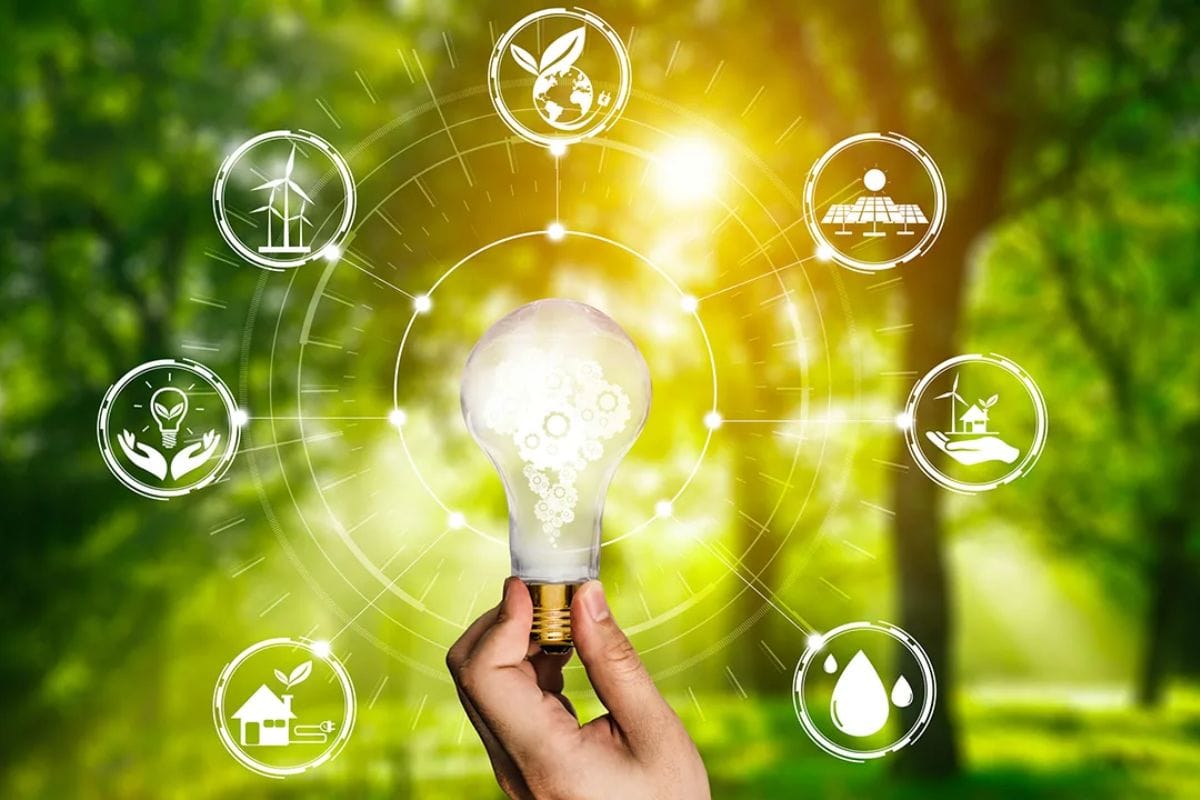
AI's growing energy demands—potentially doubling global data center consumption by 2030—spotlight sustainable innovations like modular nuclear reactors, green hydrogen, and carbon capture storage (CCS). These technologies merge renewables with AI to cut emissions.
In the coming years, tech will pivot toward climate solutions, facilitating net-zero goals via optimized grids and circular models. Info-Tech highlights the need for integrated resilience against energy fluctuations from geopolitical factors.
For Dubai, grappling with arid conditions, these advancements promise cost reductions—such as solar-integrated data centers in Masdar City or hydrogen-powered logistics. This supports the UAE's Green Agenda 2030, allowing real estate developers to promote eco-projects, where sustainability sways 78% of consumer choices.
4. Advanced Connectivity (6G, Edge, IoT)
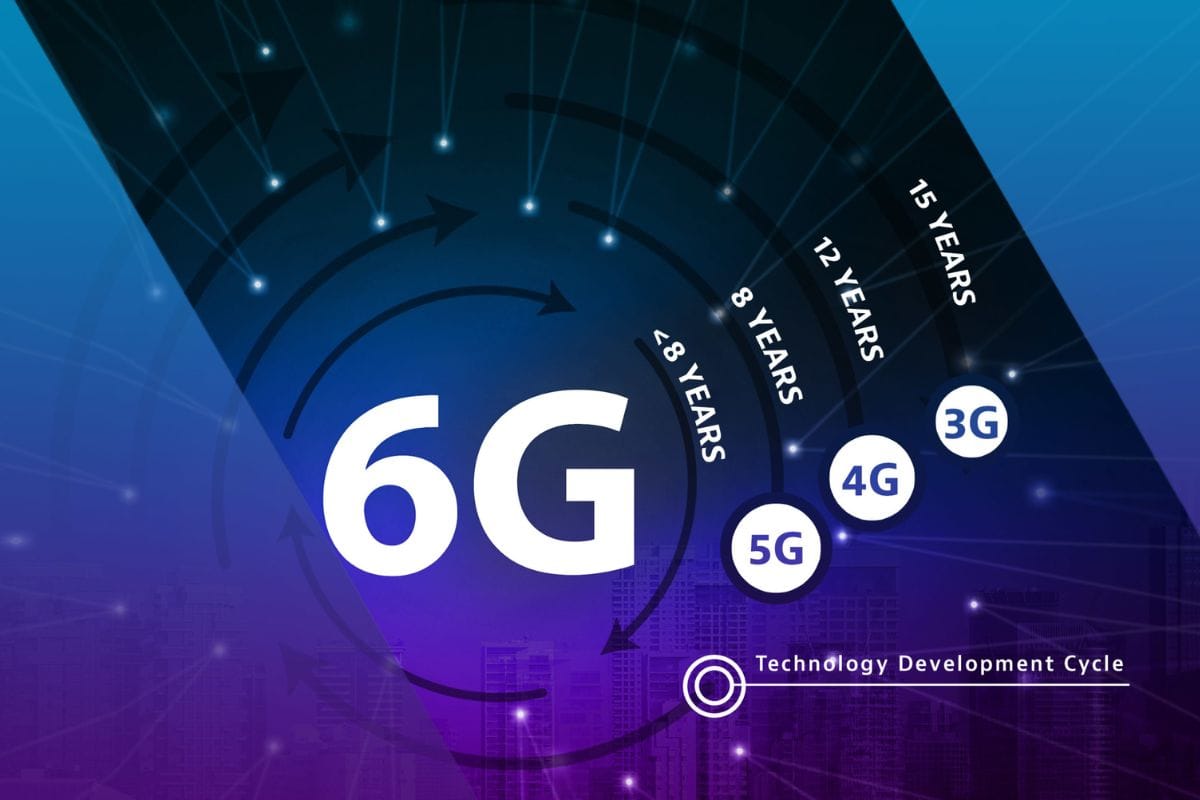
6G networks offer sub-millisecond latency and terabit speeds, complementing edge computing that analyzes data near its origin for immediate responses. IoT advances to "smart sensing networks," combining sensors and AI for predictive capabilities.
By 2035, this infrastructure will enable fully autonomous cities and vehicles, overhauling urban and remote operations. Quantumrun foresees a transition from smartphones to AR glasses by 2026, fostering seamless digital-physical integration.
Dubai's tourism and transport industries could harness 6G for VR tours at sites like the Burj Khalifa or connected vehicle fleets for traffic optimization. Free zone enterprises might implement edge IoT in warehouses, slashing costs by 20-30% and advancing smart city objectives.
5. Immersive Technologies (XR, BCI)

Extended Reality (XR) fuses AR/VR with reality, while Brain-Computer Interfaces (BCI), exemplified by Neuralink, facilitate direct neural interactions for applications like medical rehabilitation.
The decade will see XR democratizing learning and teamwork, with BCI enabling thought-driven controls, potentially extending lifespans via neural aids. Exploding Topics estimates a 16.2% CAGR in space tourism-linked XR, indicating wider uses.
In Dubai's retail and events spaces, XR could create virtual stores in venues like Dubai Mall, while BCI aids training in aviation. This enhances engagement, distinguishing brands in competitive markets.
6. Advanced Robotics and Hyperautomation
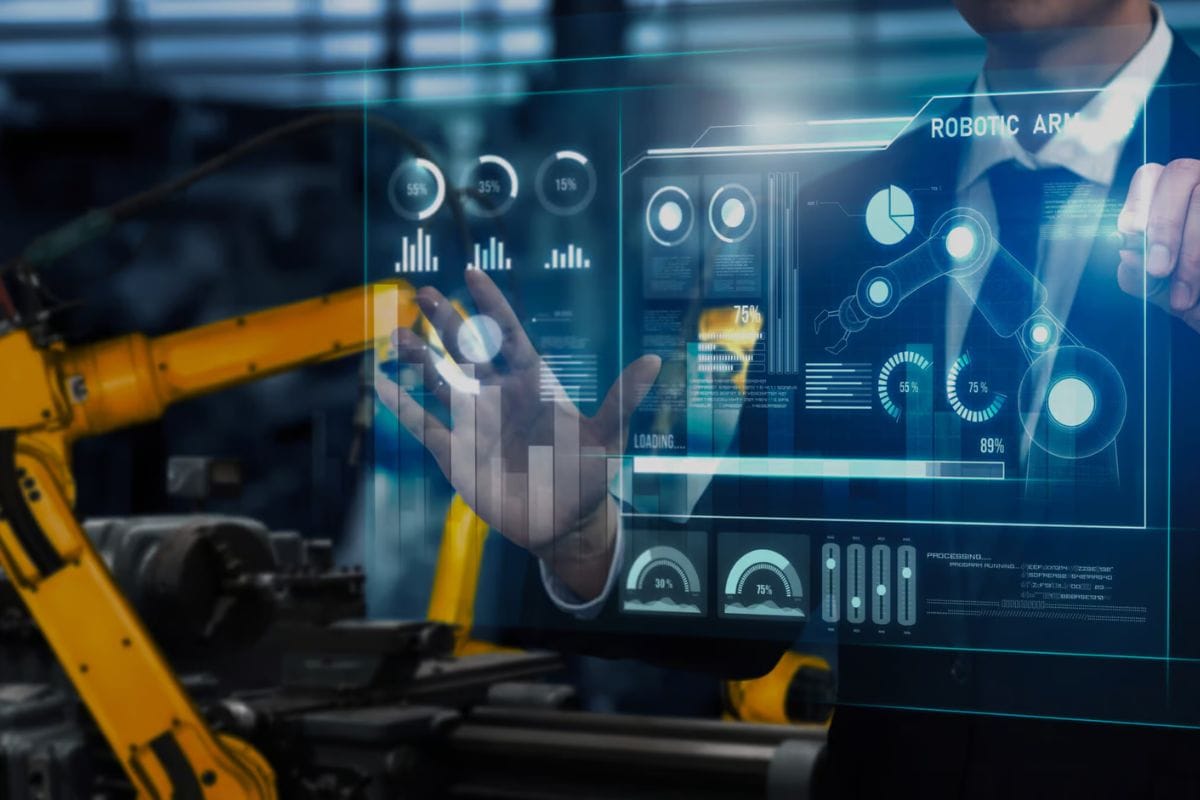
Robotics integrate AI sensors for flexible tasks, paired with hyperautomation that coordinates tools like robotic process automation (RPA) and machine learning for comprehensive efficiency.
By 2030, this will mitigate labor gaps, automating 50% of routine roles and promoting human-robot partnerships. StartUs anticipates solutions for industrial sectors, improving safety and productivity.
Dubai's construction and logistics growth, under the Dubai 2040 Urban Plan, could benefit from robotics in building assembly. Hyperautomation streamlines HR compliance with policies like Emiratisation, redirecting focus to strategic growth.
7. Biotech and Healthtech Innovations

Biotech employs CRISPR for precise gene edits and AI for preventive diagnostics via wearables that spot illnesses early.
Future landscapes include customized medicine, adding years to life expectancy and averting outbreaks. IMD underscores returns in personalized care, with synthetic biology yielding biofuels.
Dubai's expanding healthcare scene, centered in Dubai Healthcare City, could leverage biotech for wellness apps, complementing medical tourism. This fosters employee health initiatives, elevating productivity in multicultural teams.
8. Decentralized and Digital Trust Technologies

Blockchain supports secure, peer-to-peer systems like DeFi and smart contracts for transparent transactions. Zero-trust architectures verify all accesses in cloud setups.
The next decade will decentralize finance and data, curbing fraud and enabling direct economies. Quantumrun points to crypto's influence on tax systems.
In Dubai's fintech environment at DIFC, blockchain secures international trades amid 2025 tax updates. It bolsters trust in initiatives like NFT loyalty for luxury goods.
9. Advanced Materials and Nanotechnology
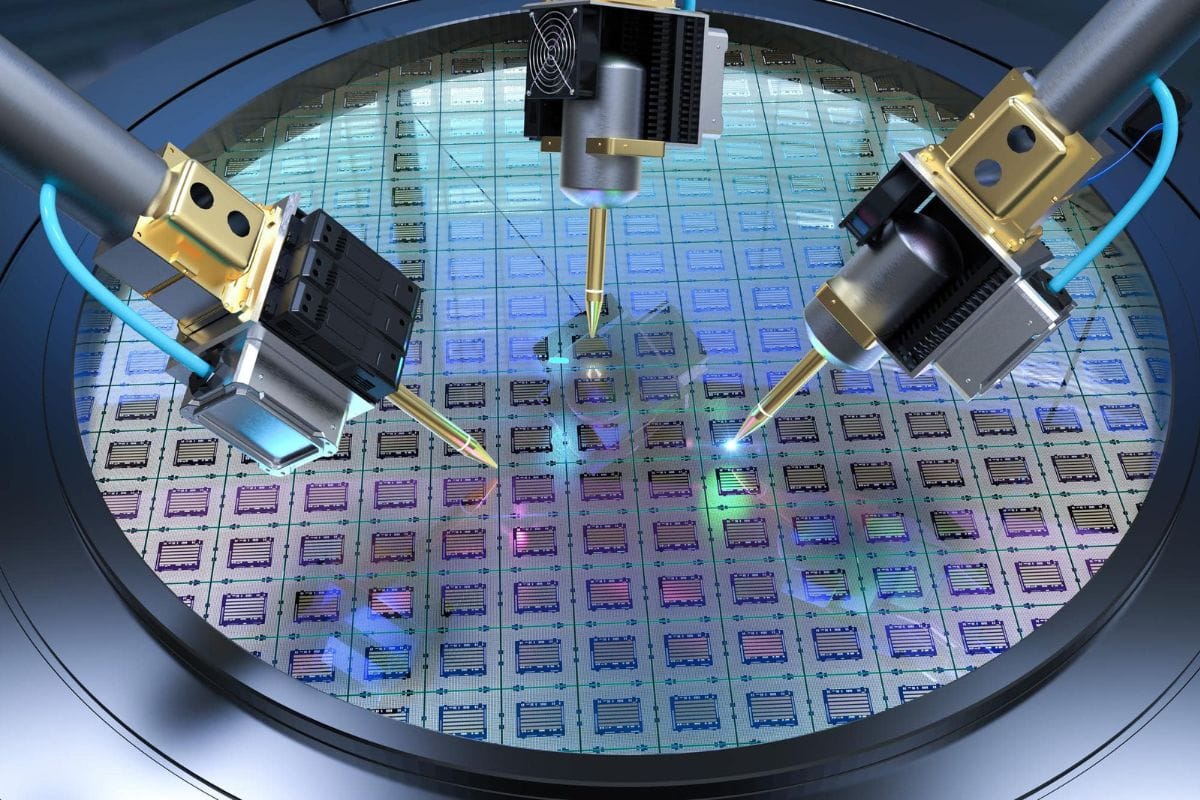
Nanotechnology manipulates atomic-scale materials for enhanced properties, from self-repairing composites to superior batteries.
By 2035, this will fuel sustainable innovations, like targeted nanomedicines or lightweight aerospace components. It aids space efforts with resilient designs.
Dubai's aviation and property sectors could use nanomaterials for energy-saving structures, cutting expenses with fuel prices rising. This promotes "innovative" offerings, attracting eco-focused investors.
10. Resilient Supply Chains and Exponential IT
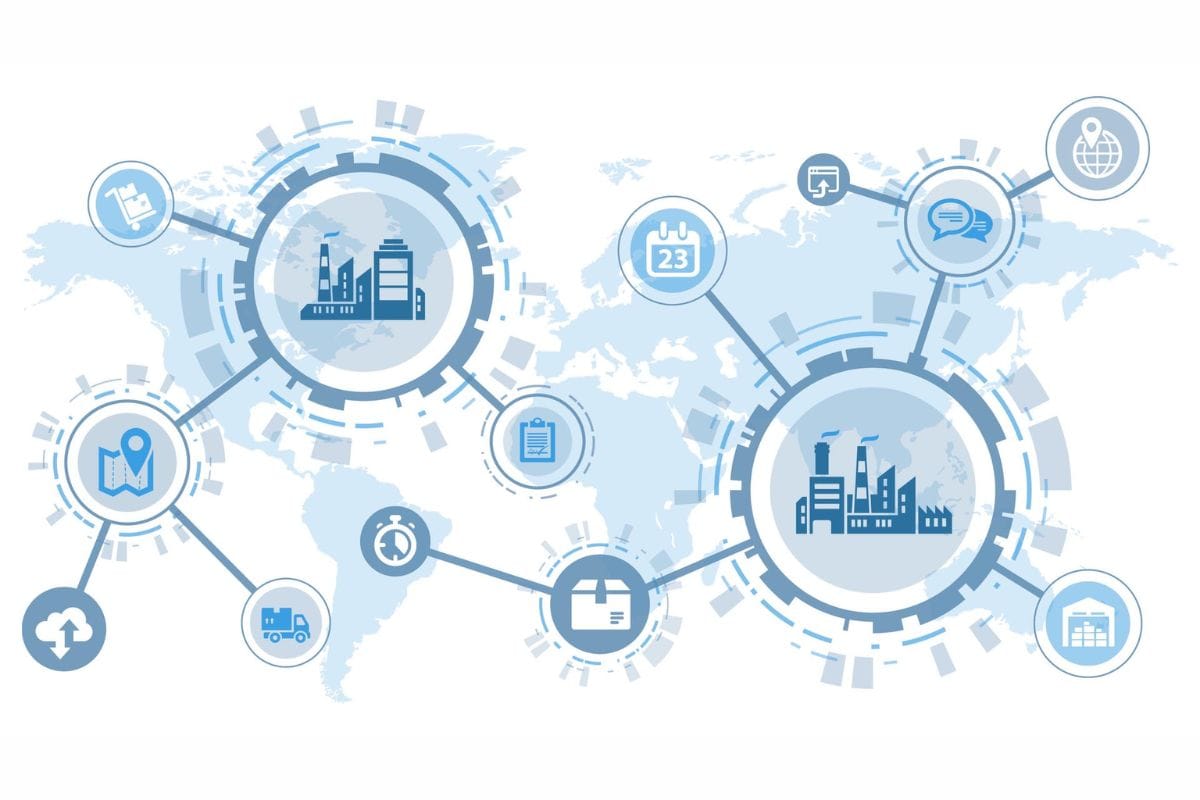
Federated governance distributes data control, while tailored platforms optimize IT for flexibility.
Into 2035, "exponential IT" will enable nonlinear scaling, fortifying against disruptions. Info-Tech indicates 54% of departments boosting budgets for resilience.
Dubai's trade reliance benefits from AI-driven forecasting at ports like Jebel Ali, countering global instability. This reliability appeals to partners in a job market forecasting 500,000 openings yearly.
The Decade Ahead: Broader Implications for Dubai
As 2026 unfolds, these trends will intertwine—AI accelerating quantum insights, XR training robotic teams—potentially contributing trillions to global GDP by 2030. Stanford's AI Index reveals a ninefold increase in AI regulatory mentions since 2016, highlighting the need for ethical adoption. Sustainability remains paramount, with tech's energy footprint rivaling countries, urging advances in nuclear and renewables. Human elements like ethics will balance automation, creating hybrid models.
Dubai's ecosystem, blending East-West influences, is primed to lead: free zones for pilots, accelerators for upskilling, and global partnerships for innovation. Challenges such as ethical dilemmas and energy strains call for strategic investments. Ultimately, 2026 signals a decade of resilient, human-focused progress, where embracing these trends can position Dubai at the forefront of global tech evolution.
Also Read:
 Ummulkiram Pardawala
 Shahba Mayyeri
 Ummulkiram Pardawala
 Shahba Mayyeri
 Shahba Mayyeri