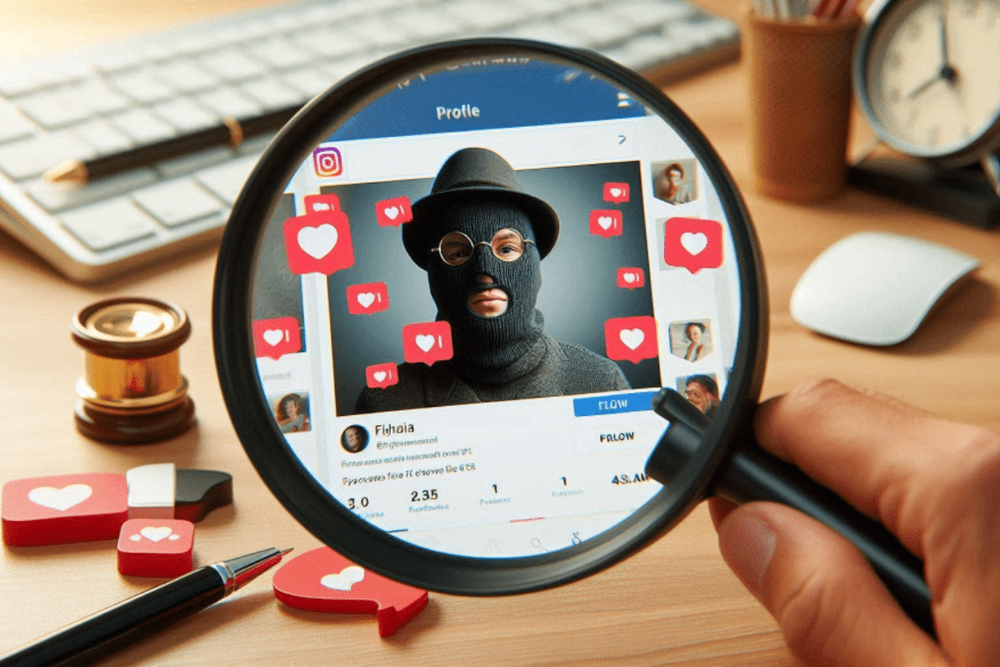
In Dubai’s luxury-driven market, where brands like Chanel, Louis Vuitton, Dior, and Chalhoub Group-operated boutiques are highly influential, Instagram continues to be a major platform for reaching affluent audiences. With high-net-worth individuals, expatriates, and tourists all active on social media, influencers regularly post lifestyle content featuring well-known locations such as the Burj Khalifa, Dubai Marina, and Atlantis The Palm. Collaboration fees can reach tens of thousands of dirhams for a single post.
However, a consistent challenge in this fast-growing market is the presence of fake followers. Bots, inactive accounts, and purchased audiences inflate follower numbers, often creating the impression of strong influence where it does not exist. Studies estimate that 15–30% of Instagram followers across many influencers are inauthentic, and some UAE-based profiles have rates above 50%. For luxury brands that rely on credibility and trust, working with influencers affected by fake followers can reduce campaign effectiveness and harm brand perception.
AI-powered analytics tools help address this issue by examining follower patterns, engagement quality, account behavior, and growth trends. These tools are widely used by brands and agencies in the UAE to review influencer profiles more accurately and to ensure marketing investments reach real audiences.
The Growing Problem of Fake Instagram Followers
Fake followers have existed for years, but as influencer marketing has expanded, so has the ease of purchasing bots. An influencer may appear to have 100,000 followers, yet 40% could be inactive or automated accounts, limiting the real reach of the content.
In Dubai, the problem is heightened by the competitive influencer market. Many aspiring creators buy followers to appear more established and to secure collaborations with hotels, fashion houses, and jewelry brands. For example, analysis of the Dubai Bling cast members showed a possibility of millions of fake followers among their combined audiences.
For luxury brands, this leads to several concerns:
- Wasted budget: Fees are often based on inflated metrics, reducing returns.
- Brand image issues: Luxury brands value authenticity, so inaccurate audience quality can undermine messaging.
- Low conversions: Fake accounts do not engage, purchase, or influence real buying decisions.
- Regulatory risks: The UAE’s National Media Council requires proper influencer licensing, and any misleading digital activity can create compliance issues.
Globally, fake followers cost brands billions every year. With influencer marketing spend in the Middle East expected to exceed $2 billion by 2026, tools that detect inauthentic engagement have become an important part of campaign planning.
Why Dubai’s Luxury Brands Prioritize Fake Follower Detection
The luxury market in Dubai targets specific audience groups, including affluent locals, residents, and international visitors. Brands such as Cartier, Gucci, and several homegrown Emirati labels focus on reaching customers with high purchasing power. Agencies like YKONE, Imfluence, and Expin regularly include authenticity checks as part of campaign planning because they help match influencers with the correct audience demographics.
These checks allow teams to:
- Confirm that followers are based in the UAE or GCC.
- Evaluate whether engagement comes from real users.
- Avoid accounts with large numbers of generic or automated followers.
This helps ensure campaigns reach the intended consumers and maintain strong performance metrics.
Top AI-Powered Tools Used by Luxury Brands in Dubai and Globally
As of late 2025, several international AI tools have strong adoption among UAE agencies. They offer detailed insights, fraud detection features, and audience breakdowns useful for evaluating influencers.
1. HypeAuditor
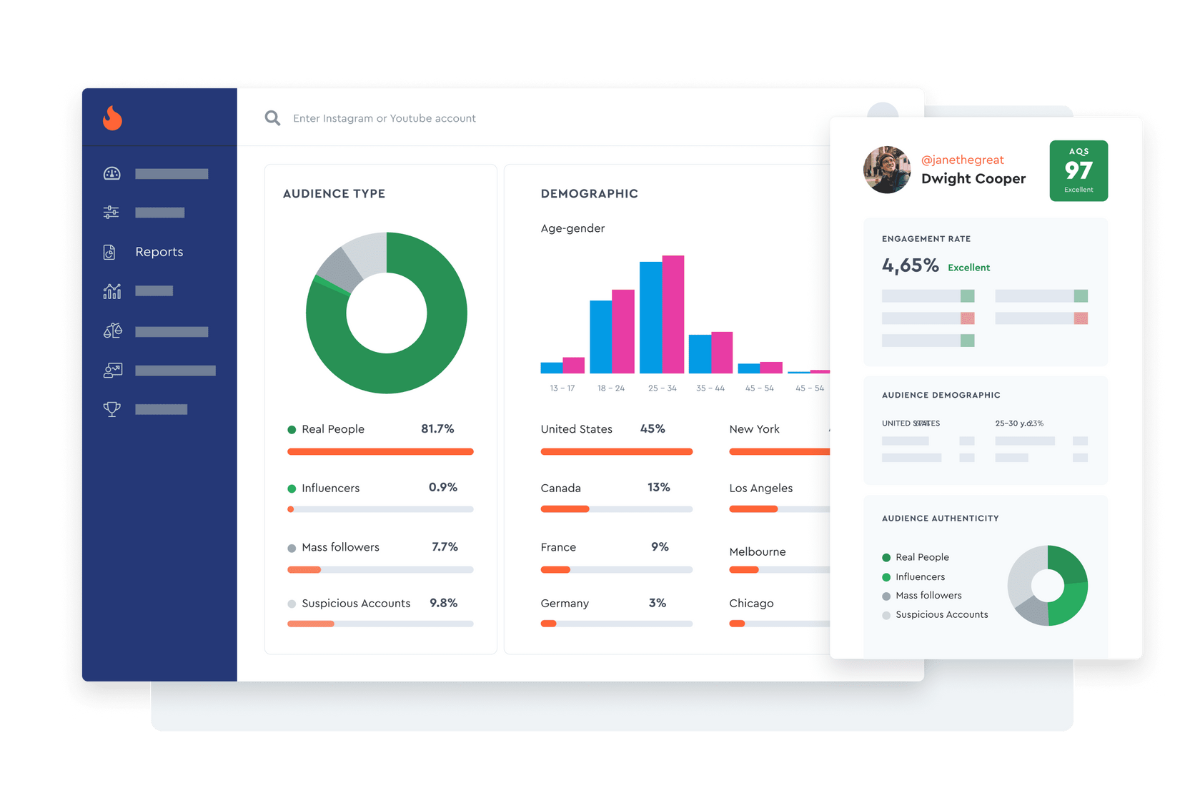
HypeAuditor is widely used by luxury brands worldwide, including those operating in the Middle East. The platform analyzes more than 100 data points and provides an Audience Quality Score (AQS) between 1 and 100.
Key Features:
- Detects fake followers, suspicious engagement, and bot activity.
- Offers detailed demographics, including UAE and Saudi Arabia audience data.
- Reviews comment quality and identifies unusual growth patterns.
- Includes a free Instagram audit tool and paid advanced reports.
Relevance in Dubai:
Many local agencies use HypeAuditor when working with luxury brands because it helps maintain reliability in influencer partnerships.
Pricing: Starts at $399/month, with custom options available.
Accuracy: Claims more than 95% accuracy in fraud detection.
2. Modash
Modash provides access to a database of more than 250 million influencers and is valued for its usability and affordability.
Key Features:
- Quick bulk fake follower checks.
- Engagement benchmarks and audience location reports.
- Free checking tool and Shopify integration.
Relevance in Dubai:
Agencies use Modash for rapid evaluations. Its machine learning systems identify repetitive comments and bot clusters common in the region.
Pricing: Starting at $299/month.
Strength: Detailed filtering for niche categories, including luxury fashion and travel in Dubai.
3. UpGrow, Influencer Hero, and StarNgage
These platforms have become helpful alternatives offering AI-based checks and ROI-focused insights.
- UpGrow: Free bot detection audit based on behavior analysis.
- Influencer Hero: Adds ROI prediction; used in UAE campaigns, including TCL activations.
- StarNgage: Popular across Asia and the Middle East for real-time audit capabilities.
Other notable tools include Upfluence, trendHERO, and insightIQ. Many Dubai agencies use multiple platforms to cross-verify influencer quality.
How AI Tools Detect Fake Followers
AI systems evaluate a wide range of indicators that go beyond surface-level metrics.
They review:
- Machine learning patterns: Based on millions of known bot accounts, identifying traits such as random usernames or incomplete profiles.
- Behavioral signals: Bots often engage in predictable ways, unlike real users.
- Comment quality: Authentic comments tend to be specific, while fake ones are generic.
- Follower growth: Sudden jumps often indicate purchased followers.
- Geolocation: A Dubai-based influencer should not have the majority of followers from unrelated regions.
Accuracy has improved significantly in recent years, with many tools operating between 90% and 98%. Manual review is still recommended for final validation.
Step-by-Step Guide for Business Owners
- Shortlist potential influencers using Instagram or agency recommendations.
- Run free audits through HypeAuditor or Modash to check fake follower percentages.
- For shortlisted candidates, use paid reports for detailed analysis.
- Set clear thresholds (e.g., reject profiles with more than 15–20% fake followers).
- Verify results manually by reviewing comments and engagement quality.
- Negotiate rates based on real reach rather than total follower count.
- After the campaign, track results to check alignment with predictions.
Working with licensed agencies in the UAE can also help ensure compliance with National Media Council regulations.
Best Practices and Red Flags to Watch For
Even with AI tools, a brief manual review helps clarify overall quality.
Red Flags:
- Sudden unexplained growth
- Low engagement rates
- Generic comments such as repetitive emoji chains
- Audience locations that do not align with Dubai or GCC targets
Best Practices:
- Consider micro-influencers with high authenticity.
- Request media kits with previous campaign results.
- Use contracts that specify expected performance metrics.
In the coming years, AI tools are expected to include deeper integrations with Instagram, faster detection of automated behavior, and improved reporting features. The UAE may also introduce updated guidelines to improve transparency in influencer marketing.
Dubai’s luxury market benefits from influencer marketing when partnerships are built on accurate data and authentic engagement. AI tools such as HypeAuditor and Modash help brands review influencer profiles more reliably, ensuring that campaigns reach real audiences and deliver meaningful results.
Running quick audits, reviewing engagement quality, and verifying audience authenticity can support better decision-making and stronger campaign outcomes. Starting with a free audit on your next influencer shortlist can help set a clear foundation for more effective collaborations.
Also read:
 Ummulkiram Pardawala
 Umema Arsiwala
 Umema Arsiwala
 Ummulkiram Pardawala