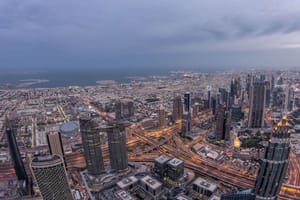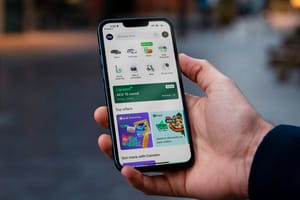
Dubai, a city that has masterfully woven together ambition and opportunity, is renowned globally for its iconic landmarks and unparalleled luxury. Yet, beneath this glittering surface lies a demographic reality far more complex and compelling: a vibrant tapestry of over 200 nationalities, speaking countless languages, and adhering to a rich spectrum of cultural norms.
For businesses here, the traditional "one-size-fits-all" approach is not just ineffective; it's a missed opportunity. True success in Dubai isn't found in mere translation or superficial adaptation, but in mastering the profound skill of localization.
This article delves into the sophisticated art of localization, moving beyond basic adjustments to explore truly unique strategies. We will uncover how businesses can cultivate deep cultural intelligence, strategically adapt their offerings, and foster genuine connections to unlock their full potential within Dubai's extraordinary consumer mosaic.
Why Deep Localization is Your Ultimate Competitive Edge in Dubai
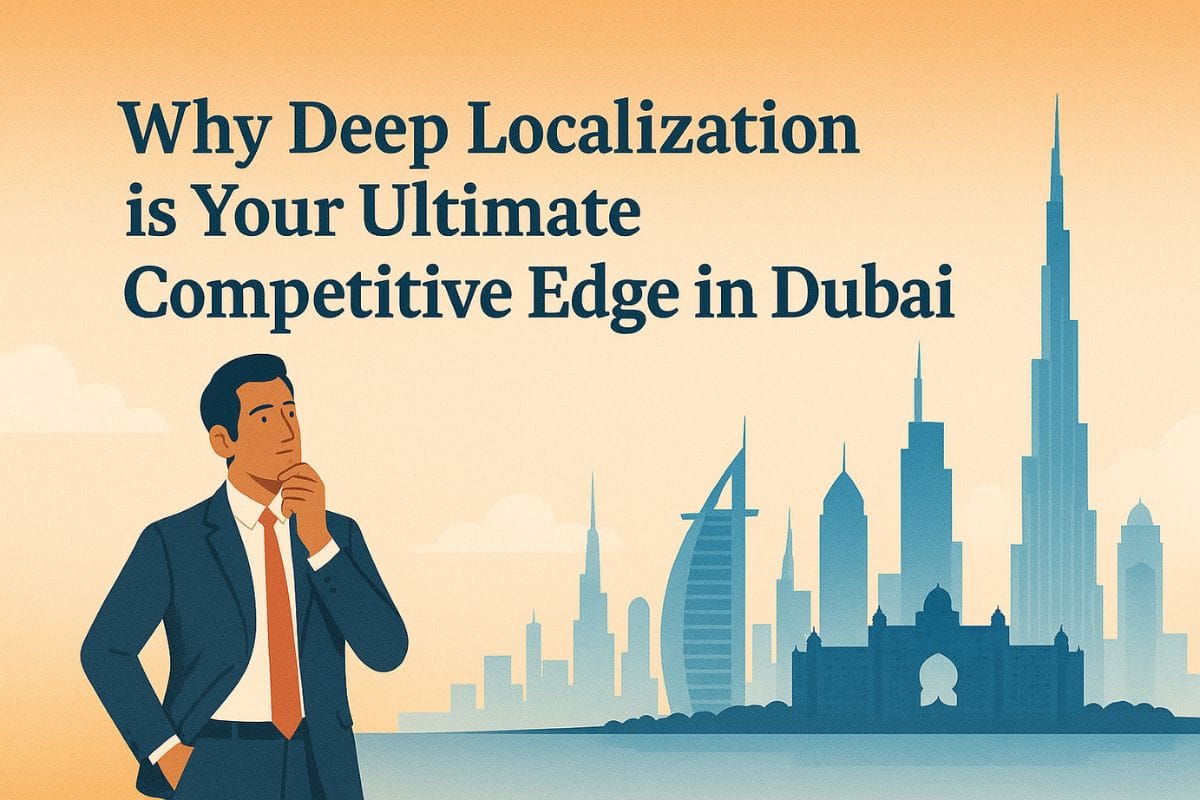
In a market as dynamic and diverse as Dubai's, where consumer expectations are shaped by global experiences, deep localization transcends a simple marketing tactic; it becomes a fundamental business imperative and a powerful differentiator.
- Authentic Customer Connection: Moving beyond surface-level interactions, deep localization enables businesses to speak directly to the heart of their customers' cultural values, aspirations, and communication styles. This fosters genuine trust, emotional resonance, and enduring loyalty.
- Hyper-Niche Market Penetration: Dubai's diversity isn't just broad; it's granular. By understanding specific cultural segments, businesses can identify and effectively penetrate hyper-niche markets that larger, less agile competitors might overlook, unlocking untapped revenue streams.
- Enhanced Brand Resonance & Reputation: When a brand consistently demonstrates cultural empathy and understanding, it builds a reputation for respect and inclusivity. This resonates powerfully in a city where community and cultural identity are highly valued, leading to stronger brand advocacy and positive word-of-mouth.
- Innovation Through Diversity: By truly embracing and integrating diverse cultural perspectives into product development, service design, and marketing strategies, businesses can unlock innovative solutions and offerings that appeal to a wider audience and provide a competitive advantage.
- Mitigating Misinterpretation & Offence: In a multicultural environment, unintentional cultural missteps can be costly. Deep localization acts as a safeguard, ensuring that messaging, visuals, and services are always appropriate and well-received, avoiding potential backlash or alienation.
The Pillars of Deep Localization: Cultivating Cultural Intelligence
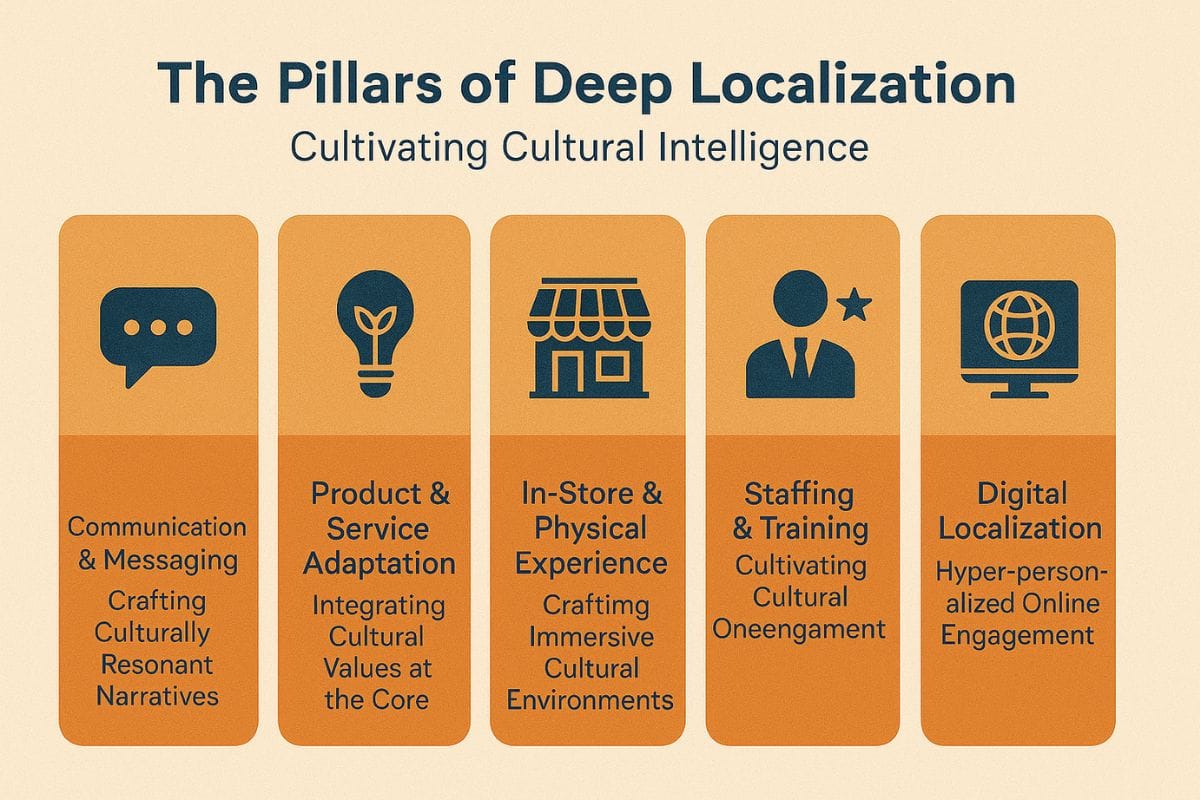
Mastering localization in Dubai requires a multi-dimensional approach, integrating cultural intelligence into every facet of your business operations.
A. Communication & Messaging: Crafting Culturally Resonant Narratives
This goes far beyond simply translating text. It's about understanding the underlying cultural frameworks that shape how messages are received and interpreted.
- Narrative Resonance & Cultural Storytelling: Instead of generic brand stories, craft narratives that tap into universal human values (e.g., family, community, ambition, heritage, hospitality) but are framed through specific cultural lenses prevalent in Dubai. For instance, a real estate developer might showcase homes not just as property, but as a multi-generational family legacy, resonating deeply with certain Asian and Arab cultures. A financial service might emphasize long-term security and familial well-being over individualistic gain.
- Implicit vs. Explicit Communication Adaptation: Recognize that some cultures prefer direct, explicit communication, while others rely heavily on subtle cues, context, and non-verbal signals. Adapt your sales pitches, customer service scripts, and negotiation styles accordingly. For example, a direct "no" might be softened or avoided in some cultures, requiring your staff to interpret nuanced responses.
- Hyper-Contextualized Advertising: Beyond Ramadan campaigns, consider advertising that acknowledges specific regional festivals (e.g., Diwali, Chinese New Year, specific national days of large expat communities) with imagery, music, and messaging that truly reflects those celebrations, rather than generic holiday cheer. This shows genuine understanding and appreciation.
- Leveraging Local Influencers & Micro-Communities: Partner with micro-influencers or community leaders who authentically represent specific cultural groups in Dubai. Their endorsement and content will resonate far more deeply than broad campaigns, as they understand the nuances of their audience.
B. Product & Service Adaptation: Integrating Cultural Values at the Core
This involves more than just offering diverse product lines; it's about embedding cultural understanding into the very design and delivery of your offerings.
- Co-creation & Hyper-Niche Offerings: Actively involve representatives from specific cultural communities in your product or service development process. A wellness center, for example, could co-design a holistic program with an Ayurvedic practitioner specifically for the Indian expat community, or a fitness center might offer women-only classes with female instructors to cater to cultural preferences.
- Service Ritual Integration: Incorporate traditional hospitality rituals or cultural courtesies into your core service experience. A luxury retail store could offer traditional Arabic coffee (Qahwa) and dates upon entry, or a high-end service provider might conclude meetings with a gesture of hospitality common in a client's culture, like offering a small, culturally appropriate gift.
- Beyond Dietary: Culinary Cultural Experiences: For F&B, it's not just about offering Halal or vegetarian. It's about creating dining experiences that reflect specific cultural dining habits – perhaps family-style sharing platters, specific tea ceremonies, or even adapting portion sizes and spice levels to regional preferences. Consider themed nights that genuinely celebrate a specific culture's cuisine and traditions.
- "Comfort Zones" in Retail Design: A retail space might design distinct zones that cater to varying cultural preferences for privacy, social interaction, or shopping styles. This could include more secluded fitting rooms, comfortable seating areas for families, or even dedicated sections for culturally specific apparel or products.
C. In-Store & Physical Experience: Crafting Immersive Cultural Environments
The physical space of your business is a powerful canvas for cultural connection.
- Sensory & Experiential Cultural Design: Engage all senses. This means carefully choosing colors, textures, and decor that evoke comfort and familiarity for specific cultural groups. Consider adapting background music to reflect diverse genres popular in Dubai's communities (e.g., Arabic, Indian, Western pop, Filipino folk). Even subtle scents can create a welcoming atmosphere.
- Cultural Calendar Activation Beyond Major Holidays: Go beyond the obvious Eid or Christmas promotions. Identify and celebrate smaller, more specific cultural events, regional festivals, or national days of significant expat communities with targeted in-store promotions, themed events, or special product launches. This demonstrates a deep appreciation for their heritage.
- Community Hub Integration: Position your physical space not just as a retail outlet, but as a community gathering point. Host workshops, cultural talks, or events that appeal to specific expat communities, fostering a sense of belonging and making your business a cultural destination.
- Multilingual Information & Wayfinding: While basic, ensure all critical signage, pricing, and informational materials are not just translated, but thoughtfully localized for clarity and cultural context in key languages. This includes digital kiosks and interactive displays.
D. Staffing & Training: Cultivating Cultural Ambassadors
Your employees are the front line of your localization efforts. Their cultural intelligence is paramount.
- Cultural Ambassadors & Intercultural Competence Development: Train staff not just to be sensitive, but to become active "cultural ambassadors." This involves advanced training in intercultural communication, understanding non-verbal cues across cultures, and conflict resolution techniques stemming from cultural misunderstandings. Empower them to anticipate needs and bridge gaps.
- Diversity as an Innovation Hub: Actively foster internal diversity within your team, not just for compliance, but as a strategic asset. Encourage staff from different backgrounds to contribute their unique cultural insights to product development, marketing campaigns, and service delivery improvements. Their lived experiences are invaluable.
- Language Proficiency Beyond Basic Customer Service: For key customer-facing roles, prioritize staff who are genuinely fluent in the dominant languages of your target customer segments, not just conversational. This builds rapport and trust.
- Role-Playing & Scenario Training: Conduct regular training sessions using realistic scenarios where cultural misunderstandings could arise. This prepares staff to handle diverse situations with grace and professionalism.
E. Digital Localization: Hyper-Personalized Online Engagement
Your online presence is often the first, and sometimes only, touchpoint. It must be culturally intelligent.
- AI-Driven Cultural Personalization: Leverage data analytics and AI to infer user preferences and cultural backgrounds (e.g., based on browsing history, location, language settings). Use this to personalize website content, product recommendations, and even the tone of digital communications. For example, an e-commerce site might automatically highlight products or promotions relevant to a user's inferred cultural group.
- Hyper-Targeted Social Media Community Engagement: Identify specific social media platforms, groups, or online forums predominantly used by certain cultural or linguistic groups in Dubai. Engage with these communities directly, in their native language, and with content tailored to their specific interests and cultural context, rather than just broadcasting broad campaigns.
- Localized Content Formats: Understand preferred content consumption habits. Some cultures might prefer video content, others long-form articles, or interactive infographics. Adapt your digital content strategy to these preferences.
- Beyond Payment Gateways: Preferred Digital Wallets & Trust Signals: Research and integrate digital payment methods and e-wallets that are popular and trusted within specific expat communities, not just the most common ones. Display culturally relevant trust signals (e.g., local certifications, community endorsements).
Challenges & Pitfalls to Avoid in Deep Localization
Even with the best intentions, pitfalls exist.
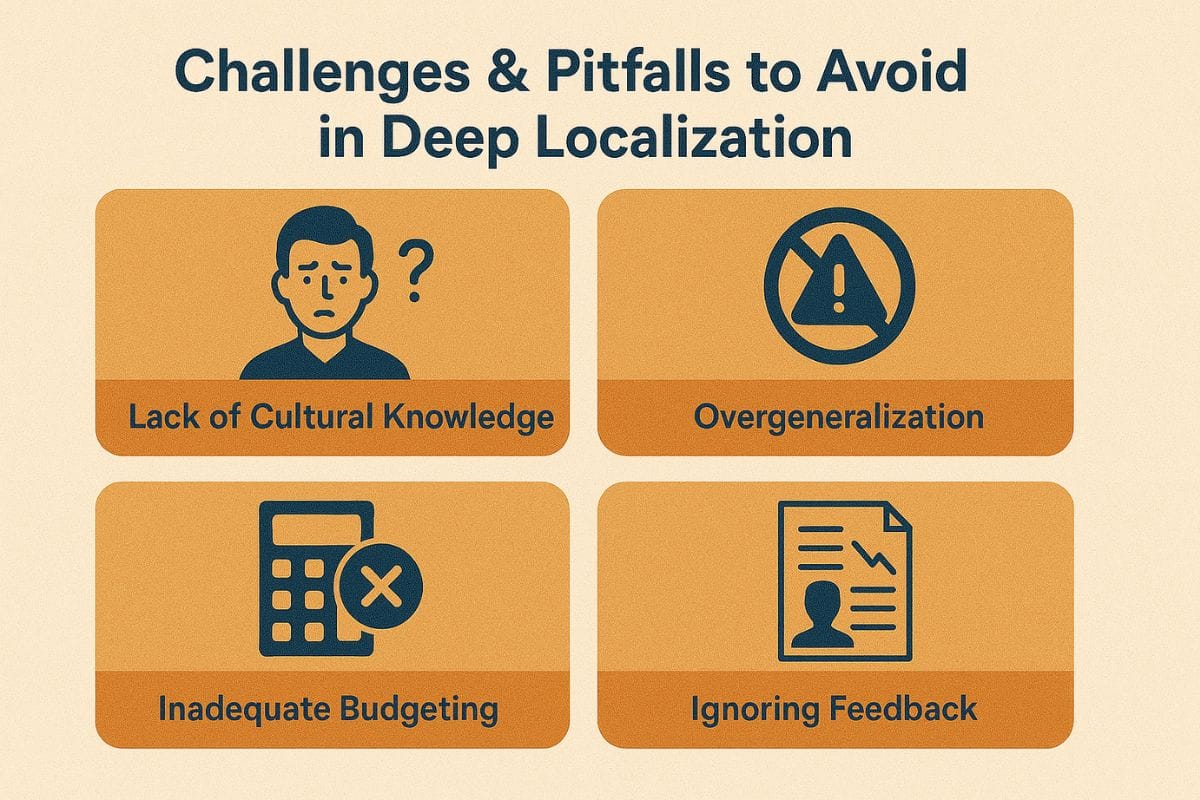
- Stereotyping vs. Nuance: The biggest challenge is avoiding broad stereotypes. Understand that cultures are diverse, and individual preferences vary. Localization should be informed by data and empathy, not assumptions.
- Over-Localization & Losing Brand Identity: While adapting, ensure you don't dilute or lose your core brand identity. The goal is to be globally relevant and locally authentic, not to become a chameleon that loses its essence.
- Inauthenticity & Tokenism: Localization efforts must be genuine. Customers are savvy and can spot token gestures or insincere attempts. True localization requires commitment and respect.
- Lack of Consistency: Inconsistent localization across different touchpoints (e.g., website is localized, but in-store staff aren't trained) can create a jarring and frustrating experience.
- Ignoring Feedback: Continuously solicit feedback from diverse customer segments to refine and improve your localization strategies. What works for one group might not work for another.
Dubai's vibrant consumer mosaic is not just a characteristic of the city; it is its greatest asset and the ultimate test of a business's adaptability. For entrepreneurs and established companies alike, mastering the art of deep localization is no longer an optional extra but a strategic imperative for long-term success and unprecedented growth.
By committing to cultural intelligence across communication, product, physical experience, staffing, and digital engagement, businesses can move beyond superficial interactions. They can build profound connections, foster unwavering loyalty, and unlock the true potential that lies within Dubai's uniquely diverse and dynamic market.
Embrace this challenge, and your business will not just survive, but truly thrive.
Also Read:
 Umema Arsiwala
 Shahba Mayyeri
 Ummulkiram Pardawala
 Umema Arsiwala