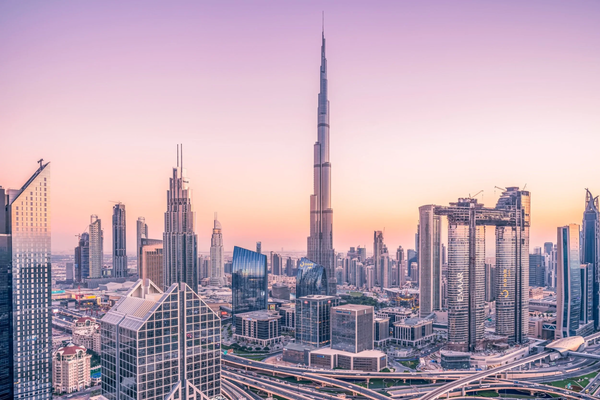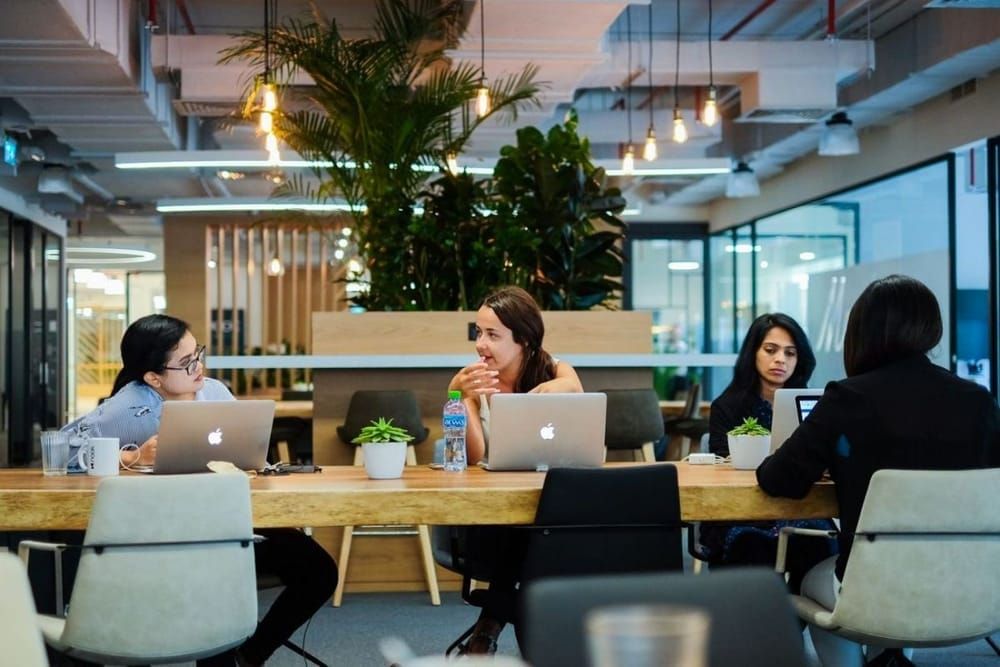
The corner office used to be the ultimate symbol of success; glass walls, skyline views, and a private space that said you’d made it. In Dubai, the corner office is quietly losing its charm, replaced by open lounges, creative hubs, and sleek co-working spaces that feel more like lifestyle destinations than workplaces.
Across the city, professionals are swapping fixed desks for flexibility. Entrepreneurs are building their dreams from shared offices, freelancers are collaborating over coffee, and even large companies are rethinking the need for long-term leases. The result is a work culture built on freedom, community, and creativity rather than hierarchy and walls.
Dubai’s shift toward flexible workspaces isn’t just about saving costs or following global trends. It reflects a bigger transformation in how people want to work: connected, inspired, and on their own terms.
The Fall of the Traditional Office Model
Once the symbol of success, the traditional office with its towering rents and rigid long-term leases is losing its appeal in Dubai's fast-paced business scene. Agile companies today need spaces that adapt to shifting team sizes, hybrid work patterns, and sudden growth spurts. Committing to a five-year lease on a fixed floor plan feels like a gamble when projects come and go at lightning speed. Those sky-high rents, often running into hundreds of thousands of dirhams annually, eat into budgets that could fuel innovation instead.
What is more, even longstanding giants are turning away from these setups. Household names in finance, tech, and consulting are ditching sprawling headquarters for options that let them scale up or down without penalty. They realise that static environments stifle creativity, especially when employees crave variety.
The numbers tell the story clearly. Office leasing volumes in Dubai dropped 14.3 per cent quarter-on-quarter in the first half of 2025, signalling a clear shift away from conventional commitments (Reidin). Firms are opting out of the lock-in, choosing flexibility that matches their dynamic needs. This rethink is not just a trend; it is reshaping how Dubai does business.
Rise of the Flexible Workspace Revolution
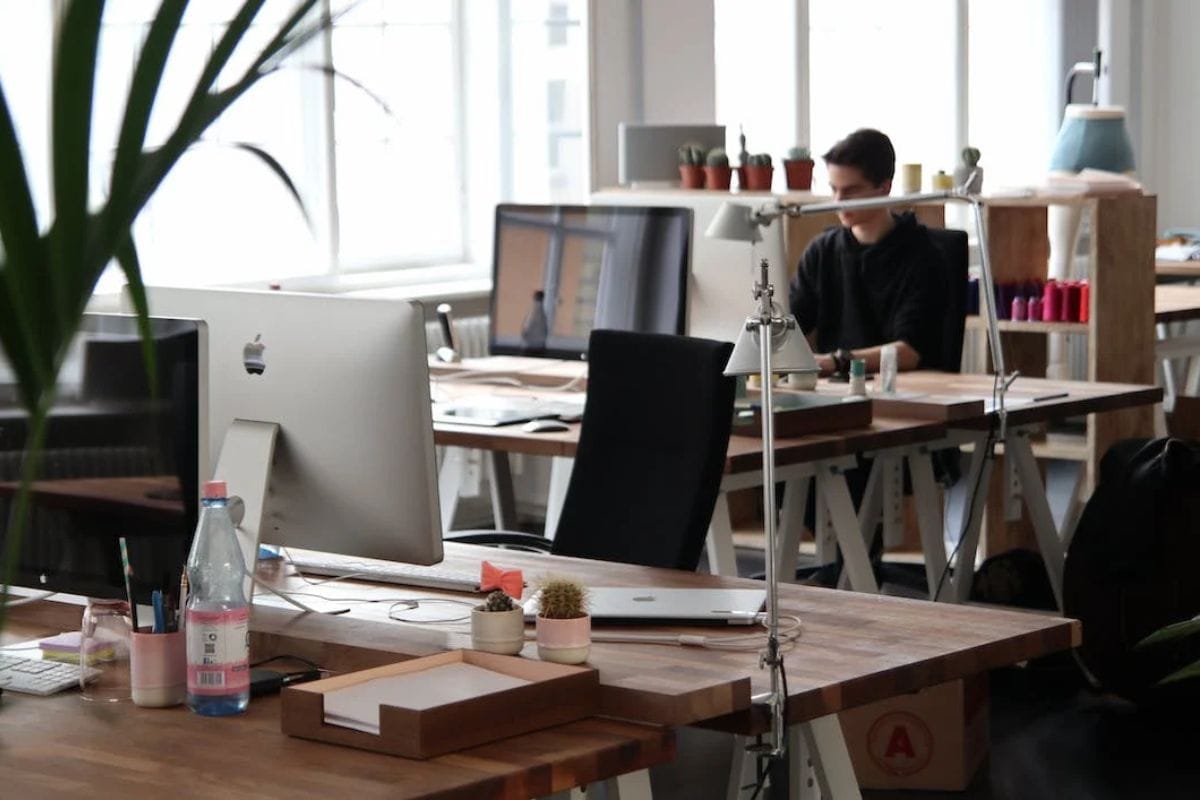
Businesses in Dubai are embracing flexible workspaces for good reason. Scalability tops the list: add desks as the team grows or trim them when a contract ends, all without renegotiating leases. Cost efficiency follows closely. Pay only for what you use, dodging hefty deposits and fit-out bills that plague traditional setups. Collaboration thrives in these shared environments, where open layouts and communal areas spark ideas between strangers who might become partners.
Location variety seals the deal. Work from a bustling hub in the morning, shift to a quiet spot by the afternoon, or host clients in a polished meeting room on demand. The landscape has evolved into a mix of co-working hubs buzzing with energy, serviced offices ready with furniture and IT, and hybrid membership models that blend daily drops-ins with private suites.
Leading the charge are global names like WeWork, alongside local favourites such as Letswork, Astrolabs, and Nest. These players offer more than space; they deliver networks, events, and perks that keep members connected and productive. Flexibility is no longer a perk. It is the standard.
Who’s Powering the Change?
The shift is driven by a diverse crowd: entrepreneurs testing ideas without heavy overheads, freelancers juggling gigs from a cafe or shared desk, startups scaling rapidly, and even corporate teams breaking free from rigid floors to book dynamic spots as needed. These users value spaces that move with them, not against them.
Dubai's job market is supercharging this movement. Remote work has stuck around post-pandemic, the gig economy is booming with platforms connecting talent instantly, and SMEs now make up the bulk of new registrations. Over 45,000 new business licences were issued in the first half of 2022 alone, a trend that has only accelerated with flexible options suiting bootstrapped ventures (British Chambers Dubai).
Industry voices back this up. According to Mordor Intelligence, the surge in flexible spaces is primarily driven by new businesses finding them more suitable in initial phases than traditional offices. Operators see it daily: agility is key in a city where opportunities shift overnight.
What It Means for the Future of Work in Dubai
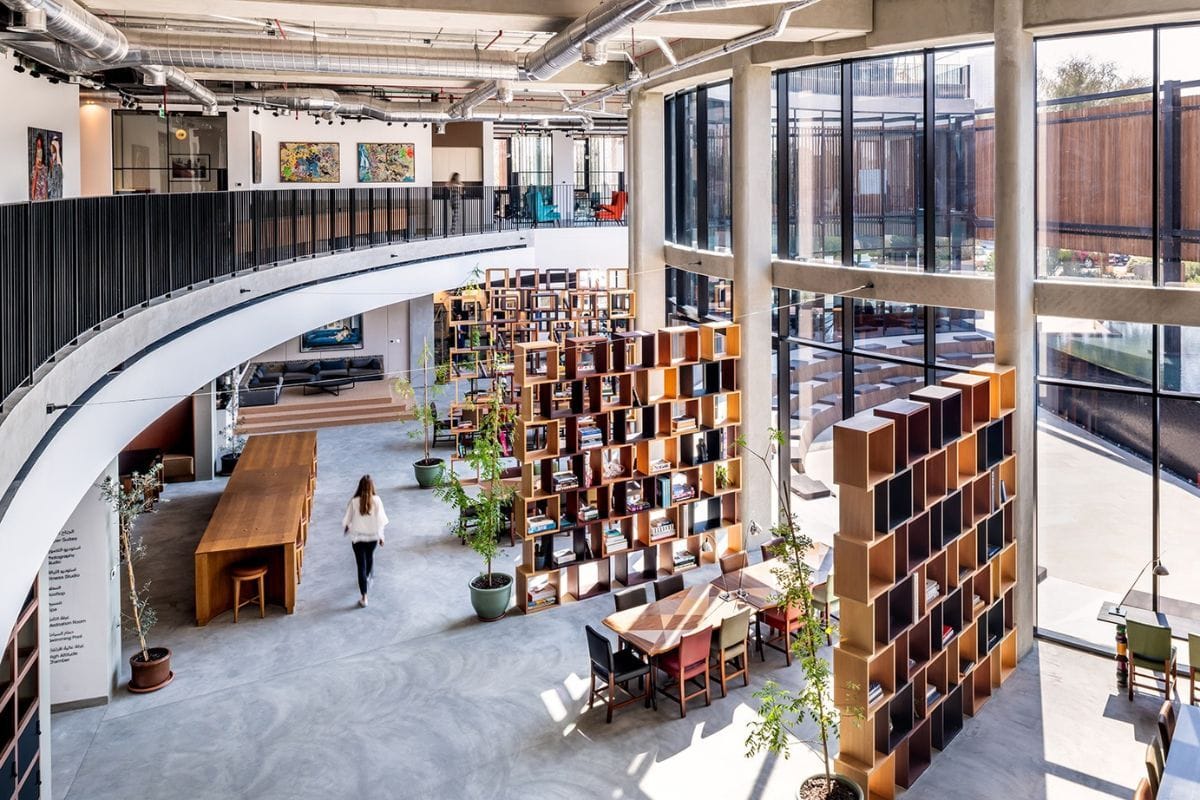
The ripple effects of this shift are already reshaping Dubai’s commercial real estate landscape in profound ways. Traditional office towers, once leased years in advance, now face rising vacancies as tenants walk away from long-term commitments. Savvy landlords are responding by retrofitting floors into modular, flexible hubs complete with plug-and-play desks, high-speed Wi-Fi, and bookable meeting pods. Some are even partnering with operators to manage these spaces, turning fixed assets into revenue streams that adapt to demand. This evolution is not just about survival; it is about staying competitive in a market where agility defines success.
Company culture is undergoing its own transformation. The old hierarchy, signalled by corner offices and assigned parking, is giving way to a meritocracy of ideas and output. Teams judge value by the quality of collaboration, not the square footage of a private cabin. Employees move between focused solo work at a quiet desk, brainstorming in a vibrant lounge, and client pitches in sleek boardrooms, all within the same ecosystem. This fluidity fosters creativity, reduces burnout, and attracts talent who prioritise balance over badges of status.
Sustainability is woven into the fabric of this change. Flexible workspaces minimise environmental impact through shared utilities, reduced commuting for hybrid workers, and designs that prioritise natural light and energy efficiency. Many operators now track carbon footprints and offer green certifications, appealing to businesses under pressure to meet ESG goals. Digital transformation accelerates the momentum. Seamless apps handle everything from seat bookings to virtual office addresses, while AI-driven platforms predict usage patterns and optimise space allocation. The result is a leaner, smarter way of working that aligns with Dubai’s vision of a tech-driven economy.
Workforces are becoming borderless too. A startup founder might collaborate with a remote developer in London one day and a local investor the next, all from the same membership plan. This interconnectedness strengthens Dubai’s position as a global hub, drawing international talent without the overhead of permanent relocation.
The corner office may be gone, but ambition just found a new address. It is no longer confined to four walls or a single postcode. It lives in motion, in networks, in spaces that grow with ideas rather than constrain them. Dubai’s future of work is flexible, connected, and unmistakably forward.
Dubai’s new work culture shows that productivity grows where people feel empowered, connected, and inspired. Flexible workspaces are no longer just places to plug in a laptop. They’ve become hubs where ideas spark, partnerships form, and ambition finds momentum.
As Dubai keeps attracting bold thinkers and global talent, its approach to work will keep evolving too. The city thrives on reinvention, and now its offices are catching up; open, adaptable, and ready for what comes next.
Also Read:
 Ummulkiram Pardawala
 HiDubai Newswire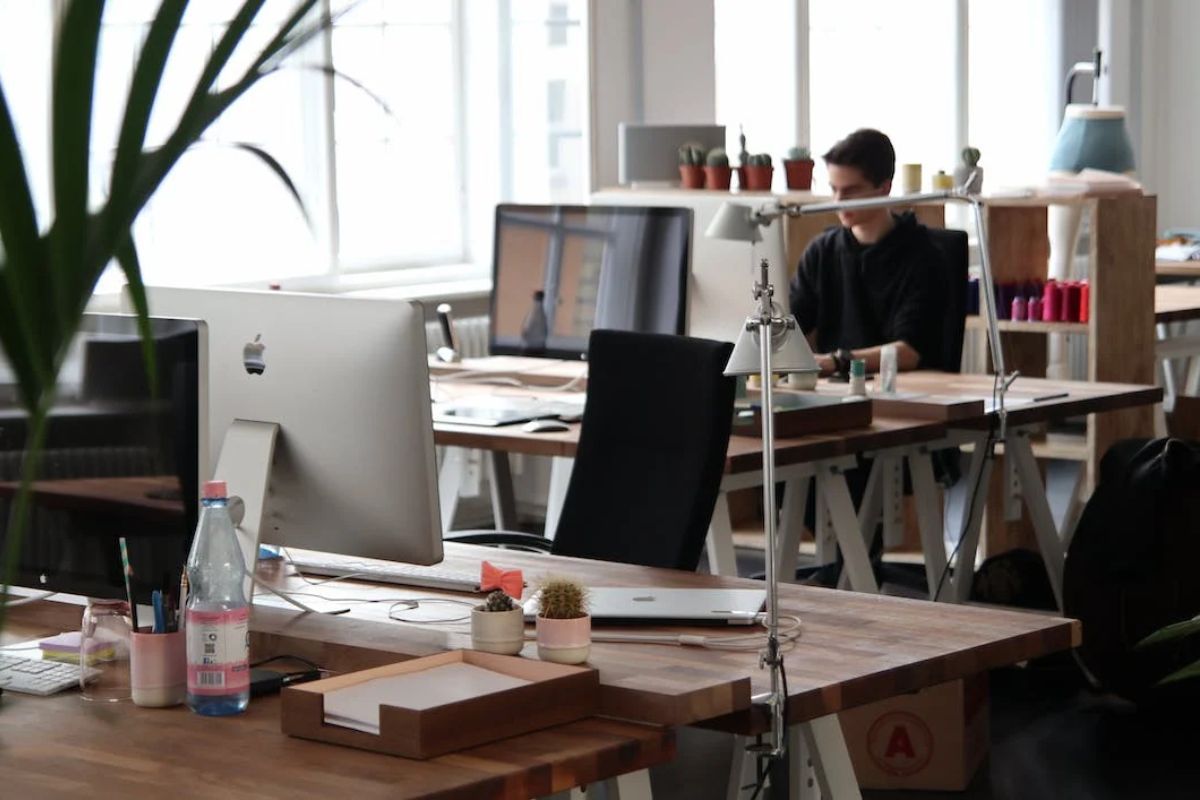
 Umema Arsiwala
 Ummulkiram Pardawala
 Umema Arsiwala