
A robust content strategy is vital for new businesses aiming to succeed in Dubai’s vibrant and competitive market. In a city renowned for its rapid growth, cultural diversity, and ambitious entrepreneurial spirit, crafting the right content approach from the start can be the difference between standing out and blending into the background. Effective content does more than promote products or services. It builds trust, fosters connections, and establishes a brand’s identity in a crowded marketplace.
For new businesses in Dubai, a well-planned content strategy is not just a marketing tool but a foundation for creating lasting impact, engaging diverse audiences, and driving sustainable growth in a dynamic business hub.
What is Content Strategy and Why is it Important

A content strategy is a structured plan that guides the creation, delivery, and management of content to achieve specific business goals. It goes beyond producing blog posts or social media updates. It involves understanding your audience, defining your brand’s voice, and delivering consistent, valuable content across platforms.
Unlike content marketing, which focuses on promoting content to drive sales, a content strategy encompasses the broader vision of how content aligns with your business objectives. It differs from branding, which shapes your visual and emotional identity, and communication strategy, which focuses on messaging tone and channels.
In Dubai’s diverse and fast-paced market, a clear content strategy builds credibility by showcasing expertise and reliability. It attracts the right audience by addressing their needs and cultural nuances, ensuring your business resonates in a competitive landscape.
How to Develop a Content Strategy for Your Business
Step 1: Identifying Your Audience
Understanding your target market is the cornerstone of an effective content strategy. Without a clear picture of who you are addressing, your content risks missing the mark. In Dubai, the consumer base is uniquely diverse, comprising locals, expatriates, and tourists, each with distinct preferences, cultural backgrounds, and purchasing behaviours. To connect with them, start by researching their demographics, interests, and pain points.
Conduct surveys to gather direct feedback from potential customers. Use social media analytics to track engagement patterns and identify trending topics. Analysing competitors can also reveal what resonates with similar audiences. By tailoring your content to reflect the values and needs of Dubai’s varied market, you create meaningful connections that drive engagement and loyalty.
Step 2: Defining Your Content Objectives
A content strategy thrives when it aligns with your business objectives, whether that’s boosting brand awareness, generating leads, or enhancing customer engagement. Clear goals provide direction and ensure your content efforts contribute directly to your business’s success in Dubai’s competitive market.
Adopting the SMART framework ensures your goals are Specific, Measurable, Achievable, Relevant, and Time-bound. For example, a goal like “Increase Instagram engagement by 20% in 3 months” is precise, trackable, and tied to a specific timeframe. This clarity helps you measure progress, refine your approach, and focus on outcomes that matter, such as building a loyal audience or driving conversions in Dubai’s dynamic business environment.
Step 3: Choosing the Right Content Channels
Selecting the right platforms to share your content is crucial for reaching your audience effectively in Dubai’s diverse market. The city’s digital landscape is vibrant, with platforms like Instagram, LinkedIn, TikTok, YouTube, and email marketing being particularly popular. Each channel serves different purposes and suits specific business types, whether B2B or B2C. Integrating offline channels, such as local events or print media, with online platforms can further enhance visibility, especially for businesses targeting Dubai’s local and expatriate communities. Below is a detailed breakdown of five key content channels, their pros and cons, and their suitability for different business types.
- Instagram
- Pros: Highly visual platform ideal for showcasing products, lifestyle, and brand aesthetics. Popular among Dubai’s young and diverse audience, with strong engagement through stories, reels, and posts.
- Cons: Requires consistent, high-quality visual content, which can be resource-intensive. Algorithm changes can affect visibility, and competition is fierce.
- Best for: B2C businesses like retail, fashion, hospitality, or food and beverage, where visual appeal drives customer interest.
- LinkedIn
- Pros: Professional networking platform excellent for thought leadership, industry insights, and building credibility. Widely used by Dubai’s business community for B2B connections.
- Cons: Less effective for casual or consumer-focused content. Engagement can be lower compared to visual platforms, requiring a more formal tone.
- Best for: B2B businesses such as consultancies, tech startups, or professional services aiming to connect with corporate clients or decision-makers.
- TikTok
- Pros: Fast-growing platform with high engagement, especially among younger audiences. Allows creative, short-form video content to showcase personality and trends.
- Cons: Content creation demands creativity and trend awareness, which may not suit all brands. Less effective for B2B or niche professional services.
- Best for: B2C businesses targeting younger demographics, such as entertainment, beauty, or fitness brands, looking to leverage viral trends.
- YouTube
- Pros: Ideal for in-depth storytelling, tutorials, or product demonstrations. Long-form content can build trust and showcase expertise, with strong SEO potential.
- Cons: Producing high-quality videos requires significant time and investment. Building a subscriber base in Dubai’s competitive market can be slow.
- Best for: Both B2B and B2C businesses, particularly those in education, tech, or lifestyle, where detailed content can educate or entertain audiences.
- Email Marketing
- Pros: Direct and personalised communication with customers, fostering loyalty and repeat business. Cost-effective and measurable with analytics tools.
- Cons: Requires building an email list from scratch, which can be challenging for new businesses. Poorly designed emails risk being ignored or marked as spam.
- Best for: Both B2B and B2C businesses, especially e-commerce, real estate, or service-based companies aiming to nurture leads and maintain customer relationships.
Combining online platforms with offline efforts, such as sponsoring local events or distributing flyers in key Dubai locations, can amplify your reach. For example, a B2C retail brand might pair Instagram campaigns with pop-up events in malls, while a B2B consultancy could leverage LinkedIn alongside networking at Dubai’s business expos. Choosing the right mix of channels ensures your content reaches the right audience at the right time.
Step 4: Crafting the Content Plan
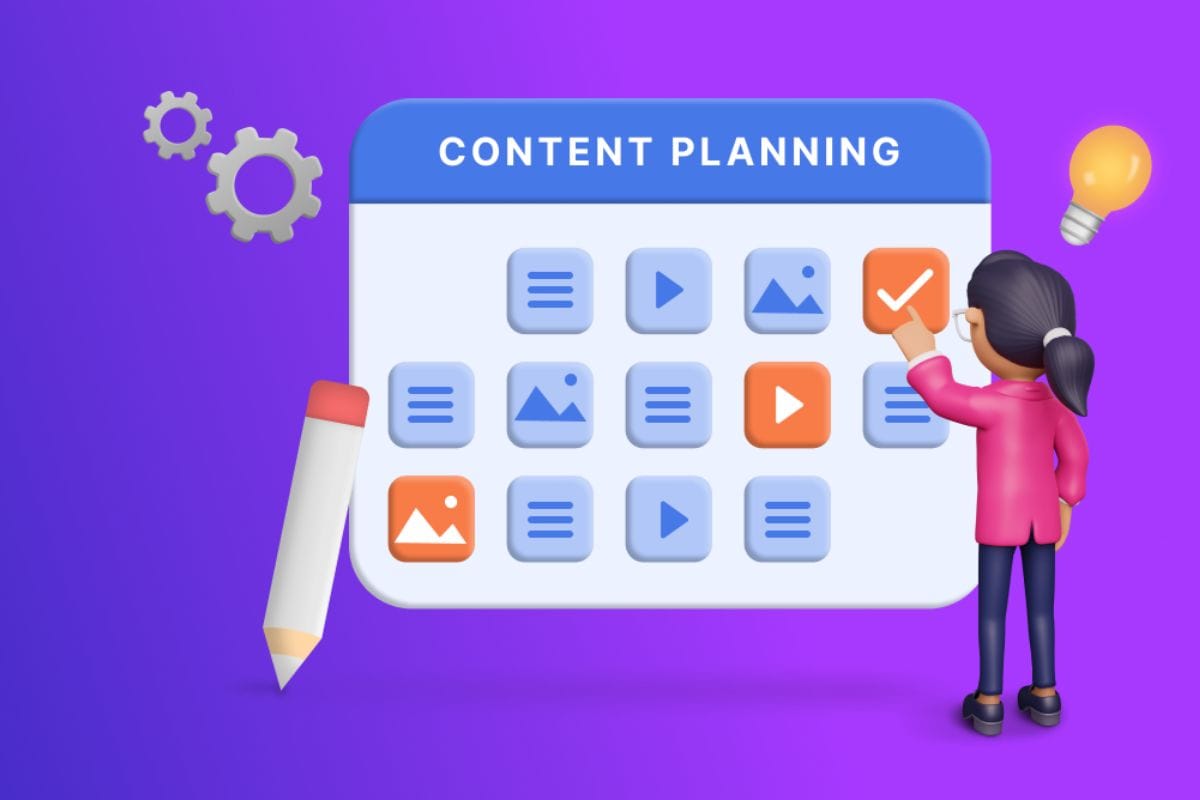
Once you have identified your audience and channels, developing a content plan outlines what you will create and when. This step ensures your efforts are organised and purposeful, focusing on formats like blog posts, videos, social media posts, newsletters, and podcasts. Each content type offers unique ways to engage Dubai’s audience, from quick updates to in-depth discussions. The key is selecting types that align with your business model and goals.
- Blog Posts
- Pros: Builds SEO authority and provides value through detailed insights or guides. Easy to update and repurpose across channels.
- Cons: Time-consuming to write and optimise. Requires ongoing commitment to maintain freshness.
- Best for: B2B businesses like consultancies or tech firms, and B2C services such as real estate or health, where educational content establishes expertise.
- Videos
- Pros: Highly engaging and shareable, ideal for demonstrating products or storytelling. Appeals to visual learners in Dubai’s diverse market.
- Cons: Production costs can be high, including equipment and editing. Needs regular uploads to retain viewer interest.
- Best for: B2C businesses in fashion, fitness, or hospitality, and B2B for training or product overviews, where dynamic visuals enhance appeal.
- Social Media Posts
- Pros: Quick to produce and fosters real-time interaction. Boosts visibility through algorithms and shares.
- Cons: Short lifespan means frequent posting is essential. Risk of low engagement if not tailored to trends.
- Best for: B2C retail or lifestyle brands targeting expats and tourists, and B2B for networking, where brevity drives daily connections.
- Newsletters
- Pros: Direct line to subscribers for personalised updates and promotions. High open rates when relevant.
- Cons: Building a subscriber list takes effort. Over-sending can lead to unsubscribes.
- Best for: Both B2B and B2C, especially e-commerce or professional services, for nurturing leads and sharing curated insights.
- Podcasts
- Pros: Establishes thought leadership through conversations. Convenient for on-the-go audiences in busy Dubai.
- Cons: Audio production requires hosting and promotion skills. Growth depends on consistent episodes.
- Best for: B2B in tech or finance for industry discussions, and B2C in wellness or entertainment, where audio builds community.
Consistency is vital for building momentum, so use an editorial calendar to schedule posts, videos, or newsletters in advance. This tool helps maintain a steady flow, preventing burnout while ensuring coverage of key topics. Aim for a balance across educational content that informs and builds trust, promotional pieces that highlight offers without overwhelming, and engagement-focused items like polls or Q&As that encourage interaction.
Step 5: Leveraging Local Trends and Culture
To truly resonate in Dubai’s dynamic market, your content must reflect the city’s unique trends, holidays, and cultural nuances. Dubai’s audience, a blend of locals, expatriates, and tourists, values content that feels relevant and authentic to their experiences.
Aligning with local events like Dubai Shopping Festival or cultural moments such as Ramadan allows your brand to connect deeply with the community. For instance, a retail brand might launch an Instagram campaign offering Ramadan-themed gift guides, while a B2B firm could share LinkedIn posts about innovation during GITEX Global. Successful campaigns, like Emirates Airlines’ Expo 2020 promotions, showcase how brands weave local pride into global storytelling, boosting engagement.
To maintain authenticity, research cultural sensitivities, such as respecting modesty in visuals or using inclusive language. Engage local influencers to amplify your message and ensure your tone aligns with Dubai’s values of ambition, diversity, and hospitality. This approach builds trust and positions your brand as a genuine part of the city’s vibrant tapestry.
Step 6: Measuring and Optimizing
Tracking the performance of your content strategy is essential to ensure it delivers results in Dubai’s competitive market. By measuring key performance indicators (KPIs), you gain insights into what works and what needs adjustment. Analytics tools help you monitor these metrics, while regular evaluation allows you to refine your approach based on data. This iterative process keeps your strategy aligned with your goals and responsive to audience preferences, ensuring long-term success.
Key Performance Indicators (KPIs)
- Website traffic: Measures the number of visitors to your site, indicating brand visibility.
- Engagement rate: Tracks likes, comments, and shares on social media to gauge audience interaction.
- Conversion rate: Monitors actions like purchases or sign-ups, reflecting content effectiveness in driving sales.
- Email open and click-through rates: Assesses the success of newsletters in engaging subscribers.
- Audience growth: Tracks follower or subscriber increases, showing brand reach over time.
Tools for Analytics and Insights
- Google Analytics: Provides detailed website traffic and user behaviour data, ideal for tracking blog or landing page performance.
- Instagram Insights: Offers metrics on post engagement, reach, and audience demographics, tailored for social media campaigns.
- LinkedIn Analytics: Tracks post impressions and engagement, useful for B2B content performance.
- Mailchimp Analytics: Monitors email open rates and click-throughs, perfect for newsletter campaigns.
- YouTube Analytics: Measures video views, watch time, and subscriber growth, helping assess long-form content impact.
Use these tools to regularly review your KPIs and identify trends. For example, if Instagram engagement is low, experiment with different post formats or posting times. If email open rates dip, refine your subject lines or content focus. Iterating based on performance data ensures your content remains relevant and effective, helping your business stay agile in Dubai’s fast-paced market. Continuous optimization strengthens your connection with your audience and drives measurable growth.
Common Mistakes to Avoid

Building a content strategy in Dubai’s competitive market requires careful planning to avoid pitfalls that can undermine your efforts. New businesses often make mistakes that hinder their ability to connect with audiences and achieve their goals. By recognising and steering clear of these common errors, you can ensure your strategy remains effective and aligned with Dubai’s dynamic landscape.
- Overlooking audience research: Failing to understand the diverse preferences of locals, expatriates, and tourists leads to generic content that misses the mark.
- Inconsistent posting or messaging: Irregular posts or mismatched tones confuse audiences and weaken brand trust.
- Copying competitors instead of differentiating: Mimicking others’ strategies risks blending into the crowd, diluting your unique brand identity.
- Ignoring cultural sensitivities: Content that disregards Dubai’s cultural norms, such as modesty or inclusivity, can alienate audiences and harm reputation.
- Focusing solely on promotional content: Overloading with sales-driven posts reduces engagement, as audiences crave value and connection.
- Neglecting analytics: Not tracking performance metrics leaves you unaware of what works, stalling improvement efforts.
- Using irrelevant platforms: Posting on channels unsuited to your audience, like TikTok for B2B, wastes resources and limits reach.
- Poor content quality: Low-quality visuals or poorly written posts undermine credibility in Dubai’s polished market.
- Skipping an editorial calendar: Without a schedule, content becomes sporadic, disrupting momentum and audience expectations.
- Overcomplicating the strategy: Trying to do too much at once overwhelms resources and dilutes impact for new businesses.
The moment to start shaping your content strategy is now. Every post, video, and campaign you create lays the groundwork for your brand’s reputation, reach, and growth in Dubai’s competitive market. Approach it with purpose, tailor it to your audience, and stay adaptable, your strategy will evolve as your business grows.
By taking decisive action and consistently producing content that connects, informs, and engages, you position your business not just to survive, but to stand out. The tools, insights, and channels are all within reach; what matters most is using them confidently and strategically. Your content can become your strongest asset; start building it today, and let it drive your business forward in one of the world’s most dynamic marketplaces.
Also Read:
 Umema Arsiwala
 Shahba Mayyeri
 Shahba Mayyeri
 Shahba Mayyeri
 Shahba Mayyeri