
Dubai's transformation into a global AI hub is accelerating at remarkable speed. From the Dubai AI Strategy aiming to make the emirate a world leader in AI adoption to the proliferation of AI-powered services across finance, healthcare, retail, and government sectors, artificial intelligence has become central to the UAE's economic vision. For businesses operating in Dubai, understanding AI ethics isn't just about compliance – it's about building trust, protecting your brand, and positioning your company for sustainable growth in an increasingly regulated environment.
As of 2025, global legislative mentions of AI have risen by 21.3%, with the UAE actively developing its own regulatory frameworks for AI governance. This surge in regulatory attention means Dubai businesses can no longer treat AI ethics as an afterthought. From algorithm bias that can damage your reputation to privacy concerns that can result in substantial fines, ethical considerations directly impact your bottom line.
Source: Stanford AI Index
For entrepreneurs, startups, and established companies in Dubai, the question isn't whether to think about AI ethics – it's how to implement ethical AI practices that protect your business while unlocking innovation. This guide explores the key ethical challenges facing Dubai businesses and provides practical strategies for navigating them successfully.
Why AI Ethics Matters for Your Dubai Business

Dubai's business environment presents unique considerations when it comes to AI ethics. Operating in a multicultural market serving customers from over 200 nationalities, businesses face heightened risks around bias and fairness. The UAE's commitment to becoming an AI leader means regulatory scrutiny will intensify. And in a market where reputation spreads quickly through interconnected business networks, ethical failures can be particularly costly.
Brand Protection in a Connected Market
When AI makes mistakes due to bias – such as discriminating in hiring, misidentifying customers, or delivering unfair outcomes – your organization suffers immediate damage to its brand and reputation. In Dubai's tight-knit business community where word travels fast and social media amplifies concerns, recovery from ethical AI failures can be challenging and expensive.
Real-world examples demonstrate the stakes. Major technology companies have faced backlash when facial recognition systems showed higher error rates for darker-skinned individuals or when hiring algorithms discriminated against women. For businesses in Dubai's diverse market, such failures aren't just embarrassing – they're potentially business-ending.
Regulatory Compliance and Legal Risks
The regulatory landscape for AI is evolving rapidly, both globally and in the UAE. The European Union's AI Act establishes risk-based requirements for AI systems, while the UAE develops its own frameworks aligned with national AI strategies. Dubai businesses, particularly those operating across borders or serving international clients, must navigate multiple regulatory regimes. Source: EU AI Act
Data protection requirements under regulations like GDPR (affecting any business serving EU customers) and emerging UAE data protection laws create legal obligations around AI transparency and accountability. Non-compliance can result in substantial fines – GDPR violations can cost up to 4% of global annual revenue.
Source: EU GDPR
Product liability concerns also loom larger as AI systems become more autonomous. When AI causes harm – whether through biased lending decisions, autonomous vehicle accidents, or faulty medical diagnoses – questions of legal responsibility become complex and costly. Source: Vladeck, 2014
Competitive Advantage Through Ethical AI
While ethical considerations create obligations, they also present opportunities. Businesses that proactively address AI ethics can differentiate themselves in the market, attract ethically-conscious customers and investors, and build stronger relationships with regulators.
Dubai's vision for AI leadership emphasizes responsible innovation. Companies demonstrating ethical AI practices position themselves as preferred partners for government contracts, multinational corporations with strict vendor requirements, and consumers increasingly concerned about how AI affects their lives.
Key Ethical Challenges for Dubai Businesses
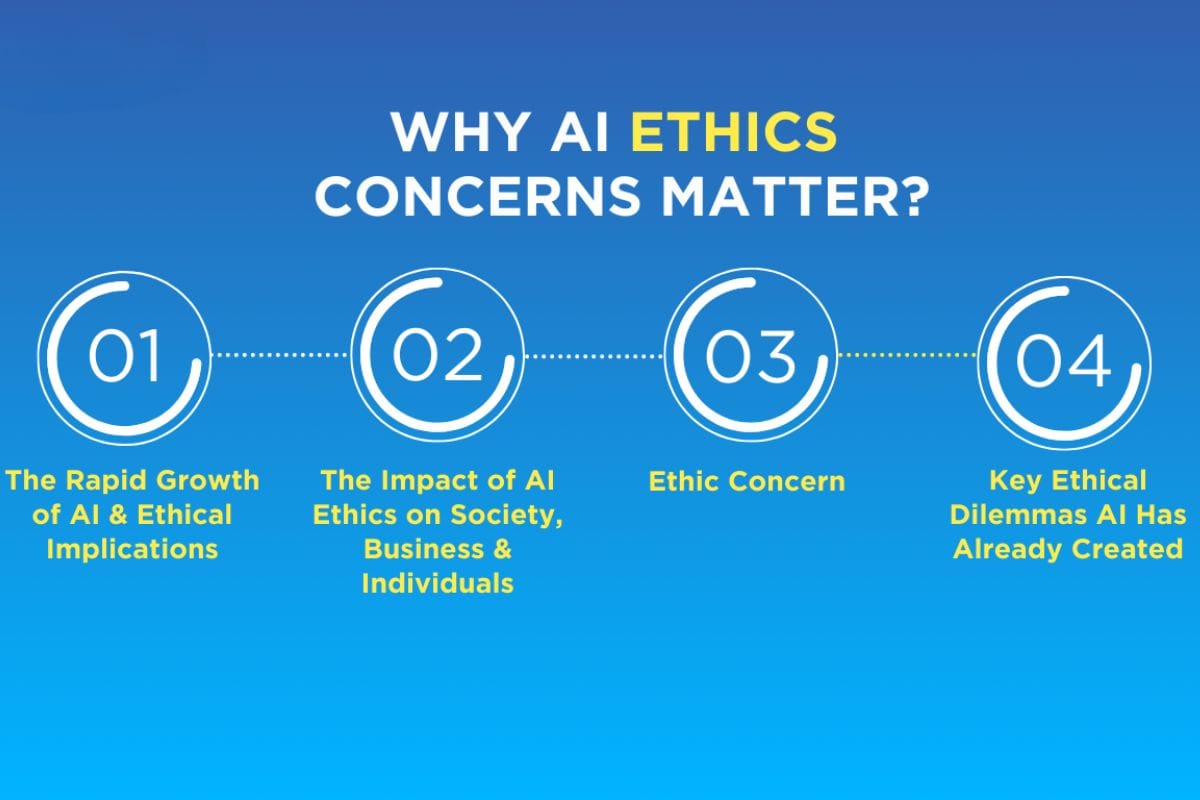
Bias and Fairness: Protecting All Your Customers
In Dubai's multicultural marketplace, algorithmic bias poses particular risks. AI systems trained primarily on Western datasets may perform poorly for your diverse customer base, creating both service quality issues and discrimination concerns.
Common Bias Scenarios in Business:
- Hiring and HR: AI resume screening tools can discriminate based on names, educational backgrounds, or other factors that correlate with protected characteristics. Amazon discontinued its AI recruiting tool after discovering it discriminated against women. For Dubai businesses hiring from a global talent pool, ensuring fair AI-powered hiring is crucial.
- Customer Service: Chatbots and voice recognition systems that struggle with certain accents or languages can create frustration and alienate customers. In a market where Arabic and English are both essential, and employees and customers speak dozens of languages, this is particularly relevant.
- Credit and Financial Services: AI-powered lending decisions can perpetuate historical biases, potentially discriminating against certain nationalities, neighborhoods, or demographic groups. Financial services firms in Dubai must ensure their AI systems treat all customers fairly regardless of background.
- Marketing and Personalization: AI that makes assumptions about customers based on demographic data can deliver offensive or inappropriate content, damaging customer relationships and brand perception.
Privacy and Data Protection: Building Customer Trust
AI's hunger for data creates tensions with privacy expectations. Dubai businesses collect vast amounts of customer information – from shopping patterns to location data to social media activity. How this data is used, protected, and potentially monetized raises significant ethical questions.
Key Privacy Considerations:
- Data Collection Transparency: Are customers aware of what data you're collecting and how AI systems use it? Lack of transparency erodes trust and may violate emerging regulations.
- Consent and Purpose Limitation: Are you using customer data for purposes beyond what they originally agreed to? AI's ability to repurpose data for new applications can cross ethical lines.
- Data Security: With AI systems processing sensitive information, security breaches become more consequential. The Clearview AI case, where billions of photos were scraped without consent, demonstrates how privacy violations can result in serious legal consequences. (Source: Collins, 2021)
- Cross-Border Data Flows: Dubai businesses often operate across multiple jurisdictions, each with different data protection requirements. Managing compliance while leveraging AI requires careful navigation.
Transparency and Explainability: When Customers Demand Answers
Many AI systems operate as "black boxes" – even their creators can't fully explain individual decisions. This creates challenges when customers question outcomes that affect them significantly.
Business Scenarios Requiring Explainability:
- Loan Denials: When AI rejects a loan application, can you explain why in terms customers understand and can potentially address?
- Insurance Pricing: If AI determines premium rates, can you justify pricing decisions to customers and regulators?
- Performance Evaluations: If AI influences employee evaluations or termination decisions, can you defend those outcomes?
- Product Recommendations: When AI curates content or recommends products, do you understand why specific items are suggested to specific customers?
The UAE's alignment with international standards suggests that explainability requirements will increase. Businesses should prepare now rather than scrambling to comply later.
Source: UAE AI Strategy
Accountability: Who's Responsible When AI Fails?
When AI causes problems – discriminatory outcomes, privacy breaches, financial losses, safety incidents – determining responsibility becomes complex. For Dubai businesses, establishing clear accountability frameworks protects both the organization and affected individuals.
Accountability Challenges:
- Distributed Development: When AI involves multiple vendors, data sources, and integrations, pinpointing responsibility for failures becomes difficult.
- Autonomous Decisions: As AI systems become more autonomous, the line between human and machine decision-making blurs, complicating liability.
- Emergent Behaviors: AI can produce unintended consequences that weren't explicitly programmed, raising questions about foreseeability and responsibility.
- Third-Party Systems: Many businesses use AI tools developed by others. When these systems fail, who bears responsibility – the developer or the deployer?
Practical Strategies for Ethical AI in Your Dubai Business
Moving from principles to practice requires concrete action. Here's how Dubai businesses can implement ethical AI.
- Conduct AI Ethics Audits
Action Steps:
- Inventory all AI systems your business uses, from customer-facing chatbots to back-office automation
- Assess each system for potential bias, privacy risks, and transparency gaps
- Identify high-risk applications requiring enhanced oversight (hiring, lending, healthcare, etc.)
- Document findings and create remediation plans
Many Dubai-based consulting firms now offer AI ethics auditing services tailored to local business contexts.
- Implement Diverse Data Practices
Action Steps:
- Ensure training data represents your diverse customer base, including different nationalities, ages, genders, and other relevant characteristics
- Test AI systems across demographic groups to identify performance disparities
- Continuously update datasets to reflect changing customer demographics
- Consider partnering with data providers who specialize in diverse, representative datasets
For Dubai businesses, this means actively ensuring your AI works well for Emiratis, expats from various regions, tourists, and business visitors.
- Build Transparency into Customer Interactions
Action Steps:
- Clearly disclose when customers interact with AI rather than humans
- Provide accessible explanations of how AI influences decisions that affect customers
- Create channels for customers to question AI-driven outcomes
- Develop plain-language documentation of AI system purposes and limitations
Transparency builds trust, particularly important in markets like Dubai where personal relationships remain central to business success.
- Establish Human Oversight Mechanisms
Action Steps:
- Implement "human-in-the-loop" systems where AI recommends but humans decide for high-stakes situations
- Create escalation procedures when AI produces uncertain or potentially problematic outcomes
- Train staff to recognize AI limitations and override systems when appropriate
- Maintain human accountability for AI-influenced decisions
This approach balances AI efficiency with human judgment and ethical reasoning.
- Create AI Governance Structures
Action Steps:
- Designate an AI ethics officer or committee responsible for oversight
- Develop company-specific AI ethics policies aligned with international frameworks
- Establish approval processes for deploying new AI systems
- Create incident response procedures for when AI causes problems
- Implement regular review cycles for existing AI applications
Formal governance structures demonstrate commitment to stakeholders and provide frameworks for consistent decision-making.
- Invest in Employee Training
Action Steps:
- Train employees who work with AI systems on ethical considerations and limitations
- Educate decision-makers on AI capabilities and risks
- Develop technical staff expertise in bias testing and ethical AI development
- Create awareness programs for all staff on your company's AI ethics commitments
Your employees are your first line of defense against ethical AI failures. Ensure they understand both the technology and the values guiding its use.
- Engage with Regulators and Industry Groups
Action Steps:
- Monitor emerging UAE regulations on AI and data protection
- Participate in industry associations working on AI ethics standards
- Engage proactively with Dubai authorities on AI governance questions
- Share best practices with other businesses facing similar challenges
Dubai's business environment rewards proactive engagement with authorities. Building relationships now positions you well for regulatory developments.
- Choose Ethical AI Vendors
Action Steps:
- Include ethics requirements in AI vendor selection criteria
- Request documentation of bias testing, privacy protections, and transparency features
- Negotiate contractual protections around AI system performance and accountability
- Prefer vendors with demonstrated commitment to ethical AI development
Remember that third-party AI systems reflect on your business. Choose partners whose values align with yours.
Emerging Considerations for 2025 and Beyond
The AI ethics landscape continues evolving. Dubai businesses should watch several trends:
- Increased Regulation: Expect more specific UAE requirements around AI transparency, bias testing, and impact assessments, particularly for sectors like finance and healthcare.
- Generative AI Ethics: Tools like ChatGPT and image generators create new challenges around content authenticity, intellectual property, and potential misuse. Dubai businesses using these tools must consider implications.
- AI in Government Services: As Dubai expands AI use in government services, businesses interacting with these systems must understand ethical considerations and data sharing implications.
- Cross-Border Complexity: Operating across GCC markets, serving international customers, and working with global vendors creates complex compliance requirements as different jurisdictions develop varying AI regulations.
- Stakeholder Expectations: Customers, employees, and investors increasingly expect businesses to demonstrate ethical AI practices. This trend will intensify.
Building an Ethical AI Culture
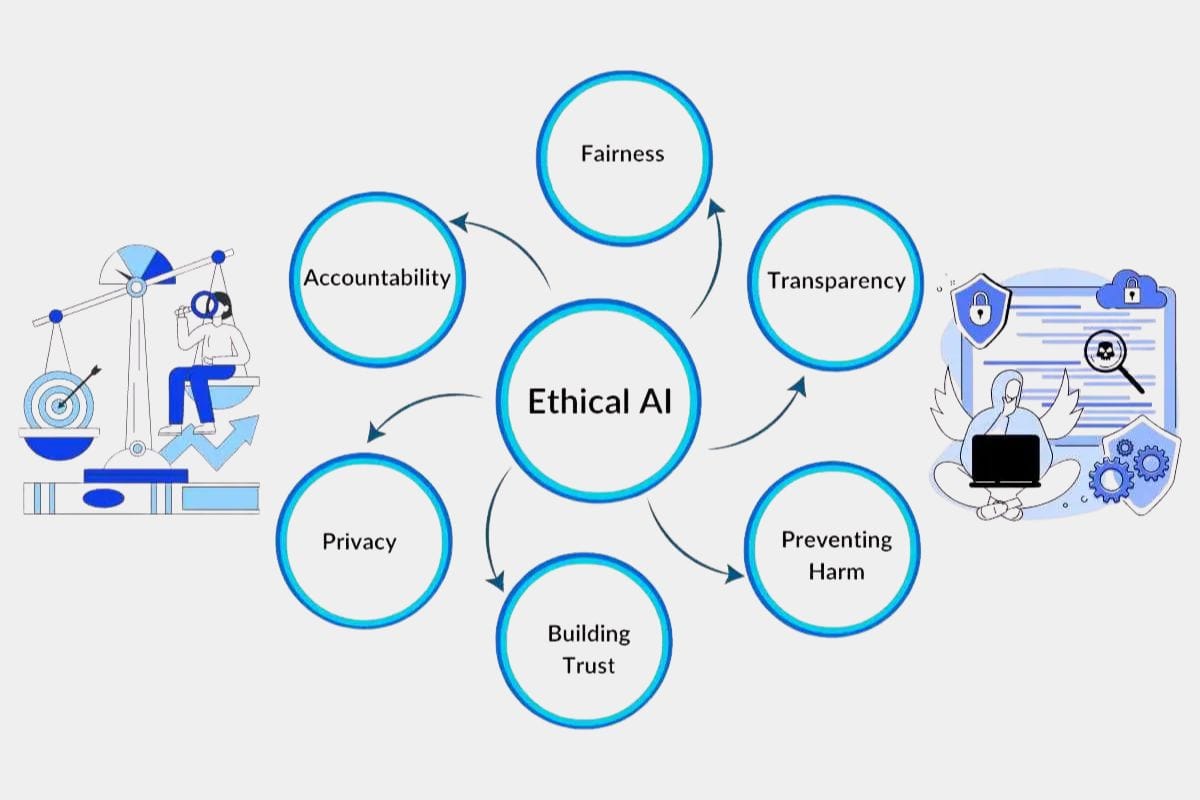
Beyond specific practices, successful businesses embed AI ethics into organizational culture. This means:
- Leadership Commitment: Executives must visibly prioritize ethical AI, allocating resources and holding teams accountable.
- Value Alignment: AI ethics policies should reflect your broader company values and mission, not exist as isolated compliance exercises.
- Continuous Learning: Stay informed about evolving best practices, emerging risks, and regulatory developments.
- Stakeholder Engagement: Listen to customers, employees, and partners about AI concerns and incorporate feedback into practices.
- Transparency with Limitations: Be honest about what your AI can and cannot do, acknowledging uncertainties and limitations.
For Dubai businesses, AI ethics isn't a barrier to innovation – it's a foundation for sustainable growth. In a market that values trust, reputation, and long-term relationships, ethical AI practices protect your brand while positioning you as a responsible leader in your industry.
The businesses that will thrive in Dubai's AI-powered future are those that view ethics not as compliance burden but as competitive advantage. By proactively addressing bias, protecting privacy, ensuring transparency, and maintaining accountability, you build stronger customer relationships, attract better talent, and create more resilient organizations.
As the UAE advances its AI leadership ambitions, the companies that succeed will be those demonstrating that innovation and ethics aren't opposing forces but complementary imperatives. Start now by auditing your AI systems, implementing the strategies outlined above, and building a culture where ethical considerations guide technological adoption.
In Dubai's dynamic business environment, your approach to AI ethics today shapes your competitive position tomorrow. Make sure it's a position of strength, trust, and leadership.
Also Read:
 Shahba Mayyeri
 Shahba Mayyeri
 Ummulkiram Pardawala
 Shahba Mayyeri