The Great Freelance Migration refers to a significant and accelerating trend: skilled professionals increasingly abandoning the traditional 9-to-5 employment model, opting instead for independent careers built around choice, flexibility, and direct value creation.
So why this rethink? For many, the calculus of work has shifted. The rigidity of fixed roles and organizational bureaucracy no longer aligns with ambitions to control one’s time, diversify income streams, and deliver when and how they work best. At the same time, advances in remote tools, global connectivity, and platforms for managing contracts, payments, and reputation have lowered the barriers to going independent.
Dubai emerges in this narrative not by coincidence but by design. The city has built a framework favorable to freelancers: legal structures that allow for multi-client setups, visa routes tailored to individuals rather than corporations, and a favorable fiscal regime that makes income more efficient to retain. Add to this Dubai’s strategic time-zone placement, access to international markets, vibrant co-working culture, and brand prestige — and you see why many see it as an ideal locus for a global freelance business.
In this article, we’ll explore how and why top talent is migrating from 9-to-5s to Dubai’s gig economy, examining the drivers, challenges, and future of this shift.
The Global Shift Toward Freelancing
The way people view work has changed more in the last few years than in the previous few decades. The pandemic didn’t create this shift—it accelerated what was already happening. As offices closed and remote work became a necessity, many professionals realized they could work just as effectively outside traditional structures. Once that door opened, it was difficult to close again.
According to international labor studies, the share of independent workers worldwide has steadily risen since 2020, with millions choosing flexibility and autonomy over fixed schedules. For many, the appeal lies in designing a life where productivity isn’t tied to location or rigid office hours. Others see freelancing as a way to build resilience—if one client pauses a contract, several others might still keep the income steady. It’s less about rejecting stability and more about redefining it.
Technology has played a crucial role in making this possible. Reliable broadband, digital collaboration tools, and secure global payment systems have made independent work practical, even across borders. Platforms that connect professionals to clients—once limited to small creative projects—now handle everything from legal consulting to AI development. In short, the infrastructure needed for freelancing has matured to the point where working independently feels not only possible but often more efficient.
A new mindset is also shaping this transition. Professionals today view their careers as portfolios rather than ladders. Instead of climbing one company’s hierarchy, they curate a mix of projects that reflect their skills and interests. For many, this diversification of income is as much about freedom as it is about security.
Across the globe, this quiet but steady movement is redefining how professionals view employment and opportunity. The next section explores how Dubai has positioned itself at the heart of this transformation, becoming one of the most attractive destinations for independent talent.
Why Dubai Is at the Center of This Shift
Government support: freelance visas and flexible permits
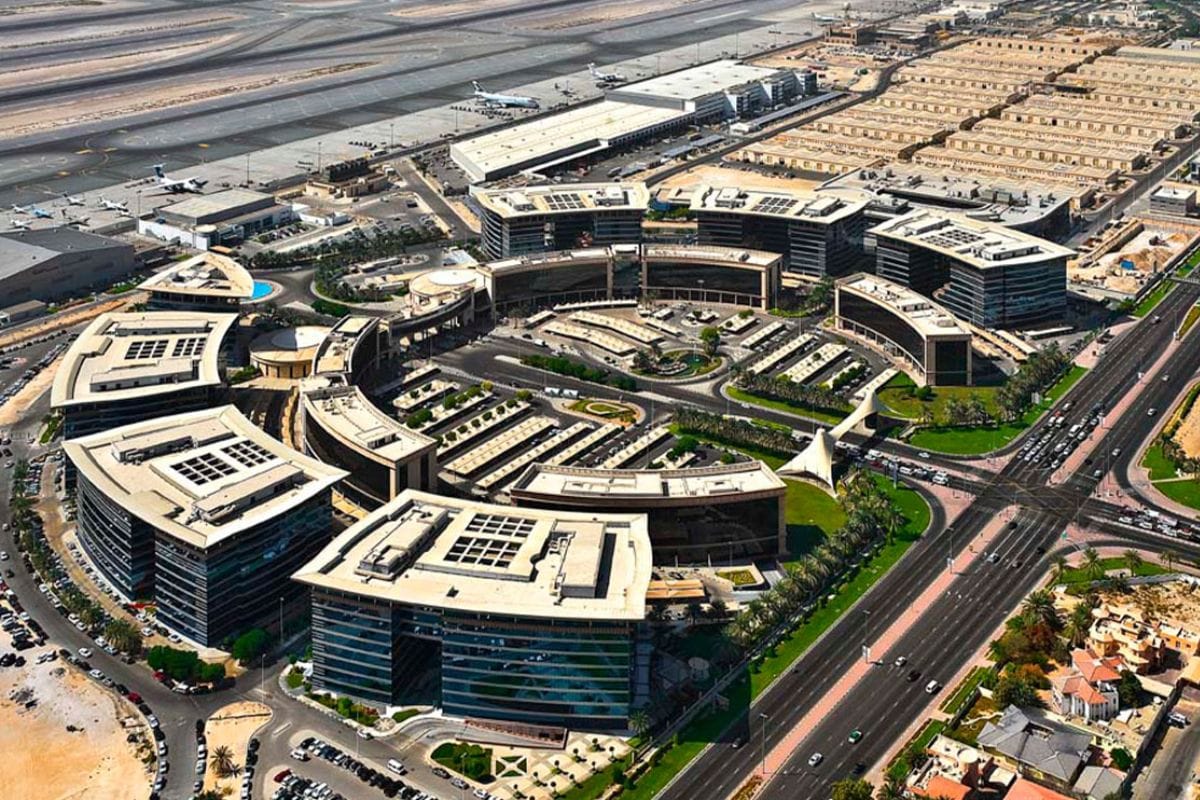
Dubai has taken deliberate steps to make freelancing a legitimate and sustainable career path. Several visa and licensing routes now exist for independent professionals, each catering to different needs. The GoFreelance initiative by TECOM allows individuals in media, tech, design, and education to apply for a freelance permit along with a residence visa, providing the flexibility to work with multiple clients legally.
Similarly, the Talent Pass by Dubai Airport Freezone (DAFZ) opens access to thousands of companies and lets freelancers operate within one of the most connected business ecosystems in the city. On a federal level, the Green Visa for self-employed professionals allows qualified individuals to sponsor themselves without a company, offering long-term residency and stability.
Additionally, Dubai’s Virtual Working Program lets remote employees from other countries live in the city for up to a year while continuing to work for their employers abroad. Together, these initiatives reflect a shift toward a policy framework that welcomes independent talent and makes compliance straightforward.
- No income tax, strategic location, and infrastructure
Dubai’s financial and geographic advantages continue to attract skilled professionals seeking efficiency and reach. The UAE does not impose personal income tax, allowing freelancers to retain a higher portion of their earnings while benefiting from strong regulatory clarity.
The city’s location connects Europe, Asia, and Africa within overlapping time zones, making it ideal for professionals handling clients across continents. Infrastructure also plays a key role—Dubai offers world-class digital connectivity, modern co-working spaces, efficient transport systems, and continuous investment in innovation hubs. For freelancers, these conditions create a business environment where international collaboration feels natural and logistically simple.
- Rapidly growing creative, tech, and media sectors
Beyond infrastructure, Dubai’s economy itself is evolving toward sectors that thrive on independent expertise. The government’s Creative Economy Strategy aims to expand creative industries’ contribution to the GDP and attract professionals in design, marketing, film, content creation, and the arts.
Meanwhile, hubs like Dubai Internet City and Dubai Media City house thousands of companies across tech, advertising, and digital services—creating consistent demand for skilled freelancers. With growing investments in AI, gaming, and e-commerce, the city’s private sector increasingly depends on project-based talent rather than fixed employment models.
This blend of supportive regulation, financial efficiency, and expanding opportunity explains why Dubai has become a central destination in the global freelance movement—where independent professionals can work, live, and grow on their own terms.
What Draws Professionals to Dubai’s Freelance Life
For many professionals leaving structured employment, the appeal of freelancing in Dubai goes beyond autonomy or tax benefits—it’s about designing a career on one’s own terms within an ecosystem that rewards independence, skill, and ambition.
- Freedom to shape work around life
Dubai offers a rare balance of structure and flexibility. Licensed freelancers can choose their workload, set their rates, and manage their own schedules, allowing them to blend personal and professional priorities without the constraints of corporate timelines.
The city’s strong digital infrastructure supports this lifestyle, with co-working spaces, business lounges, and startup hubs across areas like Dubai Media City, DIFC, and Dubai Design District. These spaces provide both collaboration and privacy, helping freelancers build professional networks while maintaining control over how they work.
- Access to global clients and higher-value opportunities
Dubai’s business ecosystem is inherently international. Over 90% of the population is expatriate, and the city hosts companies from more than 200 nationalities, meaning independent professionals gain exposure to diverse clients without leaving one location.
For many freelancers, this translates into projects that pay global rates rather than regional ones. The presence of multinational firms, emerging startups, and government-led innovation programs also means that skilled professionals—especially in tech, media, design, and consulting—can secure long-term contracts or high-value retainers. With digital payments and remote workflows now normalized, many freelancers in Dubai manage clients across Europe, the Middle East, and Asia seamlessly.
- Lifestyle, safety, and community
Another factor that continues to attract talent is the quality of life. Dubai consistently ranks among the top global cities for safety and expat living, offering modern amenities, stable governance, and a community-driven social fabric.
Freelancers benefit from the city’s cosmopolitan rhythm—international schools, multicultural neighborhoods, and a strong sense of opportunity that makes professional independence less isolating. Initiatives such as creative collectives, startup communities, and freelancer networks help individuals stay connected and collaborate on larger projects.
The combination of financial efficiency, global exposure, and lifestyle stability allows freelancers in Dubai to maintain a balance that many other cities struggle to offer. For professionals seeking both career growth and personal freedom, it represents not just a place to work—but a place to build a fulfilling, sustainable way of life.
The Realities Freelancers Face in Dubai
Working independently in Dubai carries real upside—but it also comes with practical challenges that can make sustainability tricky if you don’t prepare carefully.
- Income variability and absence of security
Freelancers often experience “feast or famine” cycles. Projects can come in bursts, then dry up unexpectedly. Unlike a salaried role, there’s no guaranteed monthly income, making it essential to maintain savings or buffers during lean periods. Payment delays are another frequent issue—some clients may stretch invoicing beyond agreed dates, affecting cash flow and financial planning.
Further, freelancers don’t benefit from standard employee protections such as paid leave, severance, or unemployment safety nets. When a major client cuts a contract, your income may drop sharply with little recourse. In industries like creative work, income instability is especially acute, as demand fluctuates with market trends.
- Visa, licensing, and compliance costs (and ambiguity)
Although Dubai offers freelance-friendly visa routes and licensing options, navigating them is not always straightforward. Some “freelance visas” are basically residency permits tethered to a third party’s company license, which limits autonomy. Others charge steep setup or renewal fees—licensing costs with visa inclusion can run into the tens of thousands of dirhams, depending on the free zone or package chosen.
Freelancers must also manage annual renewals, establishment card fees, and sometimes No Objection Certificates (NOCs) if they’re already working under a different visa. In addition, new corporate tax rules in the UAE impose thresholds: freelancers structured as business entities must monitor turnover, document expenses, and file returns if they exceed certain income levels.
Beyond cost, the ambiguity of local regulation can be a hurdle. Enforcement varies across jurisdictions and free zones; missteps—such as performing unlicensed commercial activity—can lead to fines or license cancellation. Content creators must also be vigilant: recent regulations stipulate that influencers conducting commercial promotions must hold a proper business license, or risk heavy fines.
- Standing out amid fierce competition
As Dubai’s freelance ecosystem grows, so does competition. More professionals—both local and international—are entering the market, often undercutting rates to gain footholds. In response, freelancers must continuously update their skills, deepen specialization, and position their personal brand sharply.
Finding differentiation can be costly—upgrading portfolios, delivering niche expertise, or investing in marketing. Moreover, many clients rely on referrals or reputation more than open marketplaces, so established networks and proven track records often determine who wins contracts. Newcomers without credible branding or prior clients may struggle to break in or command top rates.
Also worth noting: contract terms matter deeply. Vague scopes, weak intellectual property clauses, or a lack of enforcement recourse can expose independent professionals to exploitation. Without institutional support, managing disputes or late payments can be legally and financially draining.
These challenges don’t disqualify freelancing in Dubai, but they highlight the need for strategic planning, financial discipline, legal diligence, and a sharp market edge. In the next section, we’ll look at how policies in the UAE are evolving to address some of these pain points—and how freelancers can leverage them to thrive.
Freelancing is becoming a cornerstone of Dubai’s innovation-driven economy. Through initiatives like the Dubai Economic Agenda (D33) and the Creative Economy Strategy, the city is encouraging independent talent to contribute to its growth while offering structured visa systems, digital infrastructure, and professional freedom. Clearer regulations, easier license renewals, and a maturing tax framework are also helping freelancers build long-term stability.
This shift marks more than a trend—it’s a redefinition of success in modern work. Dubai isn’t just attracting freelancers; it’s shaping a new model for global independence, where ambition and flexibility meet opportunity. For many professionals, it has become the place where careers evolve, not escape.
Also read:
 Ummulkiram Pardawala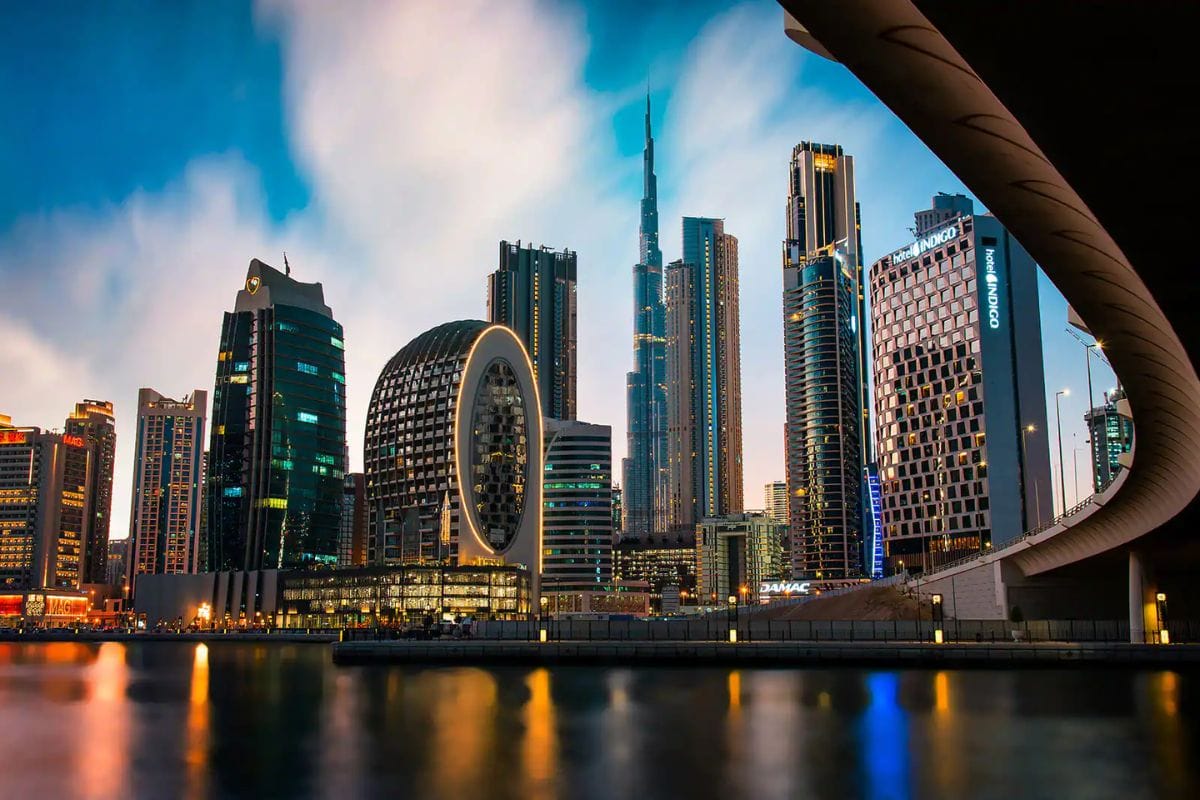
 Maryam Pervez
 Ummulkiram Pardawala