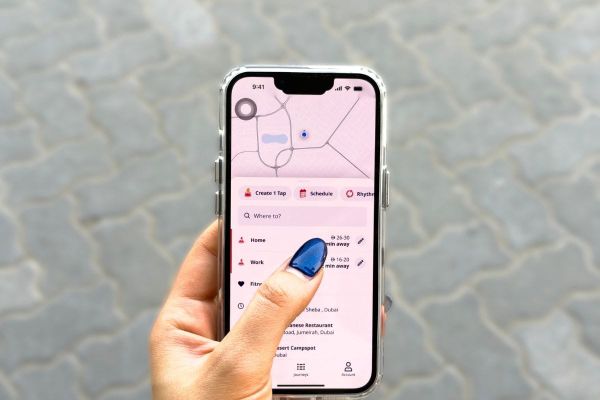
The way consumers interact with brands has fundamentally changed. Walk into any coffee shop, boardroom, or living room, and you'll see the same scene: people absorbed in their smartphones, scrolling, shopping, and making decisions that impact businesses worldwide. This shift isn't just a trend—it's a complete transformation of the digital landscape that demands immediate attention from marketers and business leaders alike.
Mobile optimization has evolved from a nice-to-have feature to an absolute necessity for any business with a digital presence. As we navigate through 2025, the stakes have never been higher. Companies that fail to prioritize mobile experiences aren't just missing opportunities—they're actively pushing customers toward competitors who understand what today's consumers expect.
The Numbers Tell a Compelling Story
The statistics paint a clear picture of mobile's dominance in the digital sphere. Mobile devices now account for approximately 62.54% of global website traffic as of the second quarter of 2025. This represents a steady climb from previous years and shows no signs of slowing down. To put this in perspective, more than six out of every ten visitors to your website are likely viewing it on a mobile device. If your site isn't optimized for those users, you're failing the majority of your audience.
The mobile commerce sector tells an equally impressive story. In the United States alone, an estimated 187.5 million people—roughly 66% of the population—made at least one purchase via their mobile device in 2025. These aren't occasional shoppers dabbling in mobile transactions; they're consumers who have fully embraced mobile as their preferred shopping channel.
The financial projections underscore mobile's central role in marketing's future. The global mobile marketing market is forecasted to reach $99.18 billion by 2033, representing a compound annual growth rate of 18.1% from 2025 onward. This explosive growth is being fueled by technological innovations, including augmented reality integrations that are expected to engage 1.7 billion users by the end of this year.
Perhaps most telling is the growth in mobile subscribers themselves. The past year saw 112 million new unique mobile subscribers worldwide—a 2% increase that brings billions of people actively using mobile devices for shopping, social media engagement, and information gathering. These users aren't just checking their phones occasionally; they're living significant portions of their lives through these devices.
In certain marketing channels, mobile dominance is even more pronounced. Email marketing provides a striking example: over 70% of email opens now occur on mobile devices in some sectors. This single statistic should fundamentally reshape how businesses approach email campaign design. An email that looks perfect on a desktop computer but awkward on a smartphone is failing the majority of its intended recipients.
The consequences of poor mobile optimization are severe and immediate. Research shows that nearly 50% of visitors will abandon a website that takes more than three seconds to load on mobile. Three seconds. That's all the patience modern consumers have before they move on to a competitor who respects their time and attention.
Why Mobile Optimization Matters Beyond the Obvious

The benefits of mobile optimization extend far beyond simply making your website viewable on smaller screens. When done properly, mobile optimization creates a cascade of positive effects throughout your entire digital marketing ecosystem.
Enhanced User Experience
At its core, mobile optimization is about respecting your users' context and constraints. A properly optimized mobile experience recognizes that someone browsing on their phone during a commute has different needs than someone sitting at a desktop computer in an office. Responsive design ensures that content adapts seamlessly to various screen sizes, making navigation intuitive and interaction effortless. When users encounter a site that works smoothly on their device, they stay longer, engage more deeply, and form positive associations with your brand.
Search Engine Visibility
Google's mobile-first indexing has fundamentally altered the SEO landscape. The search engine giant now primarily evaluates the mobile version of websites when determining rankings. This means that even if your desktop site is impeccable, a poor mobile experience can tank your search visibility. For businesses, this represents both a challenge and an opportunity. Companies that invest in mobile optimization gain a competitive advantage in search results, while those that neglect it find themselves increasingly invisible to potential customers.
Local search presents a particularly compelling case for mobile optimization. Mobile users frequently search for "near me" services—looking for restaurants, stores, service providers, and entertainment options in their immediate vicinity. These searches demonstrate high commercial intent; someone searching for "coffee shop near me" is likely minutes away from making a purchase. Businesses with optimized mobile sites and strong local SEO practices capture these high-value searches, while those without watch potential customers walk past their doors to competitors who show up in search results.
Conversion Rate Improvements
A well-optimized mobile experience doesn't just attract visitors—it converts them into customers. Mobile optimization removes friction from the customer journey by providing touch-friendly buttons, streamlined checkout processes, and forms that are actually usable on small screens. Each element of friction you eliminate represents a potential customer who completes their transaction instead of abandoning their cart in frustration.
Consider the mobile shopping experience from the consumer's perspective. They're often multitasking, possibly using one hand while doing something else, potentially in less-than-ideal conditions for careful form filling. An optimized mobile experience anticipates these challenges and designs around them. Larger touch targets, simplified forms with mobile-appropriate input methods, and easy access to saved payment information all contribute to higher conversion rates.
Cost-Effective Marketing
Mobile optimization delivers strong return on investment by allowing you to capture mobile traffic without creating entirely separate campaigns or maintaining duplicate content. A responsive design approach means you create once and deploy everywhere, reducing both development costs and ongoing maintenance requirements. This efficiency becomes particularly valuable as you scale your digital presence across multiple channels and platforms.
Brand Loyalty and Advocacy
Perhaps less tangible but equally important, positive mobile experiences build brand loyalty. In an era where consumers have countless options at their fingertips, the quality of the mobile experience often determines which brands earn repeat business. Users who have smooth, pleasant interactions with your mobile presence are more likely to return, more likely to complete purchases, and more likely to recommend your business to others. Word-of-mouth remains powerful, and in the mobile age, sharing a positive experience is as simple as sending a link.
Navigating the Challenges
Despite its clear importance, mobile optimization presents genuine challenges that businesses must navigate thoughtfully.
The limited screen real estate on mobile devices demands careful prioritization. You simply cannot fit everything that appears on a desktop site onto a smartphone screen without creating a cluttered, unusable mess. This constraint forces businesses to make difficult decisions about what content truly matters and what can be simplified or removed entirely. While challenging, this discipline often results in clearer, more focused messaging that benefits users across all devices.
Device fragmentation adds another layer of complexity. The mobile ecosystem includes countless device types, screen sizes, operating systems, and browser combinations. What works perfectly on the latest iPhone might break completely on an older Android device. Thorough testing across this diverse landscape requires time, resources, and systematic processes that many businesses struggle to implement.
Performance optimization remains an ongoing battle. Mobile users often contend with slower network connections than desktop users, particularly when traveling or in areas with poor coverage. Image-heavy content, excessive redirects, and poorly optimized code can create frustratingly slow load times that drive users away. Balancing visual appeal with performance requirements requires constant vigilance and optimization.
The rise of ad blockers and growing concerns about privacy add additional complications. Mobile users are particularly sensitive to intrusive advertising and aggressive tracking practices. Pop-ups that might be tolerable on a desktop become infuriating on a small screen. Finding the balance between effective marketing and respectful user experience requires finesse and often means rethinking traditional approaches.
Practical Strategies for Success
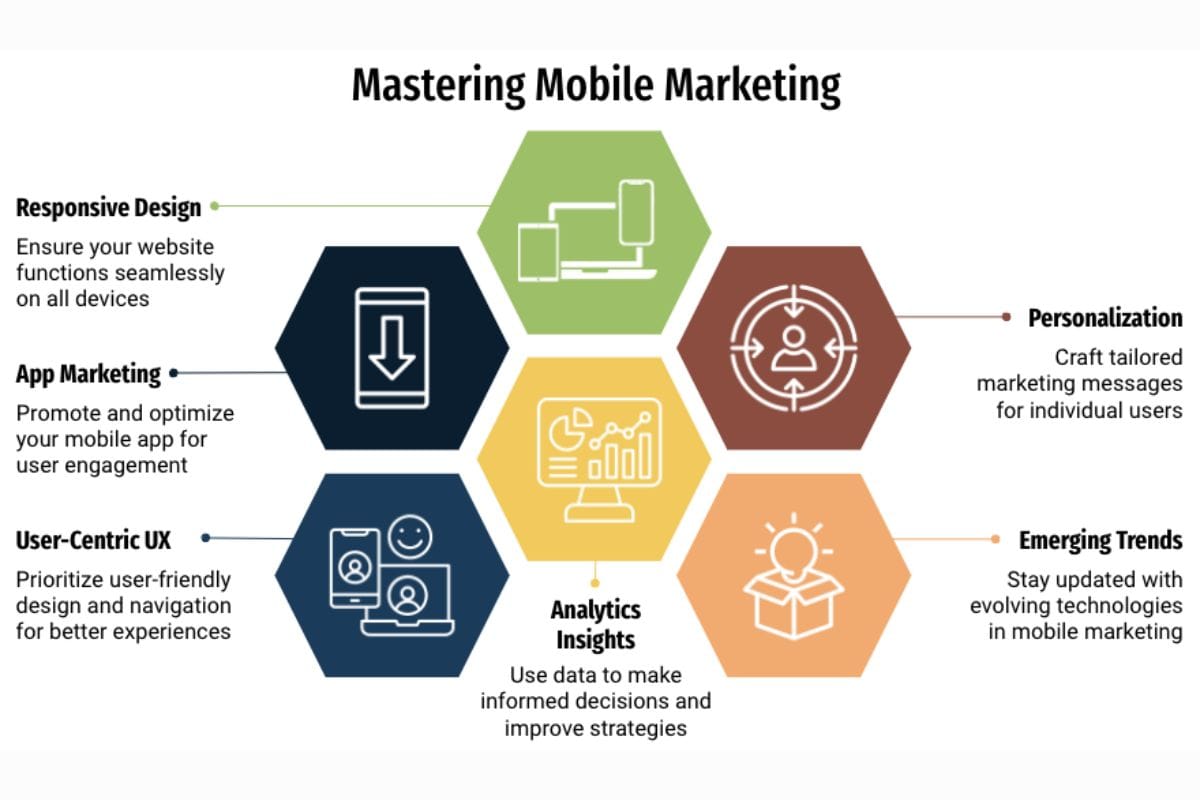
Understanding mobile optimization's importance is one thing; implementing it effectively is another. Several key strategies can help businesses create mobile experiences that delight users and drive results.
Embrace Responsive Design
Responsive design frameworks that automatically adjust layouts based on screen size represent the foundation of mobile optimization. Rather than creating separate mobile and desktop sites, responsive design uses flexible grids, scalable images, and CSS media queries to adapt a single site to any device. This approach reduces development complexity while ensuring consistency across platforms.
Prioritize Speed
Page speed optimization should be a constant focus. Compress images without sacrificing quality, implement browser caching to reduce repeat load times, and minimize code to eliminate unnecessary bloat. Every fraction of a second matters when users are deciding whether to stay or leave. Tools like Google PageSpeed Insights can identify specific areas for improvement and track your progress over time.
Design for Touch
Mobile users interact with content through touch, not mouse clicks. This fundamental difference demands thoughtful interface design. Buttons and links need to be large enough to tap accurately with a finger, with adequate spacing to prevent accidental clicks. Forms should use mobile-appropriate input types—numeric keyboards for phone numbers, date pickers for birth dates—to streamline data entry.
Optimize Readability
Text that's perfectly readable on a 27-inch monitor becomes microscopic on a smartphone. Use legible fonts with adequate size, ensure high contrast between text and backgrounds, and structure content for easy scanning. Bullet points, short paragraphs, and clear headings help mobile users quickly find the information they need.
Leverage Local SEO
For businesses with physical locations or service areas, local SEO optimization is essential. Ensure your business name, address, and phone number are consistent across all platforms. Claim and optimize your Google Business Profile. Encourage and respond to customer reviews. These practices help you appear in local search results when nearby mobile users are looking for what you offer.
Focus on Mobile-Specific Advertising
Recognize that mobile users interact with advertising differently than desktop users. Social media platforms like Instagram, Facebook, and TikTok see the majority of their usage on mobile devices. Ads designed specifically for these platforms—vertical video, thumb-stopping imagery, concise messaging—perform dramatically better than repurposed desktop content.
Measure and Iterate
Mobile optimization is not a one-time project but an ongoing process. Regularly review mobile-specific metrics: bounce rates, session duration, conversion rates by device, and user flow patterns. Use these insights to identify problems and opportunities. A/B testing different approaches to mobile design and functionality helps you continuously refine the experience.
The Bottom Line
Mobile optimization has transcended its status as a technical consideration to become a fundamental business imperative. The evidence is overwhelming: mobile devices dominate how people access the internet, make purchases, and interact with brands. Businesses that treat mobile as an afterthought or secondary concern are making a strategic error that will increasingly cost them customers and revenue.
The investment required for proper mobile optimization—in design, development, testing, and ongoing refinement—delivers returns across every aspect of digital marketing. Better search visibility, higher conversion rates, improved customer satisfaction, and stronger brand loyalty all flow from the decision to prioritize mobile user experience.
For business leaders and marketing professionals, the question is no longer whether to invest in mobile optimization but how quickly you can implement it. Your competitors are already mobile-optimized, or they're working on it. Your customers expect it. The search engines reward it. The only rational response is to make mobile optimization a top priority and to approach it with the seriousness and resources it deserves.
The mobile-first era isn't approaching—it's here. The businesses that will thrive in the coming years are those that recognize this reality and act accordingly.
Also Read:
 Ummulkiram Pardawala
 Umema Arsiwala
 Shahba Mayyeri
 Nour Aboras