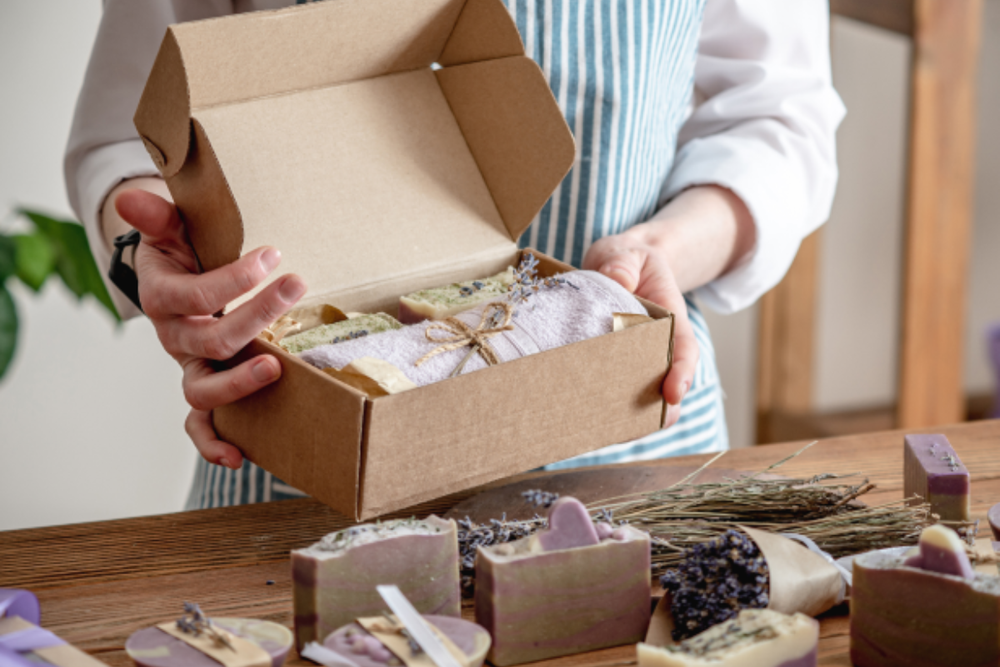
Today’s customers are not simply buying a product—they’re buying an experience. In Dubai’s fast-moving market, where trends shift overnight and competition is high, the emotional impression a brand leaves can be more powerful than the product itself. Packaging has become the first touchpoint of that experience—the moment a customer forms their opinion, often before they even see what’s inside.
Recent studies show that personalized packaging can increase customer loyalty and make people more likely to share their purchase online. A handwritten note, a gentle fragrance when the box opens, or even the feel of quality paper can turn an ordinary purchase into something memorable. It’s these small, human details that create emotional connection—and connection builds trust.
Dubai’s audience, shaped by a love for design and detail, responds strongly to thoughtful presentation. Local dessert and gifting brands have mastered this art, often including simple personal gestures—like a thank-you note or a scented ribbon—that make customers feel valued. Imagine receiving a small dessert box that smells faintly of vanilla and carries a short message with your name on it. Wouldn’t you remember the brand behind that moment?
In this article, we’ll explore how businesses in Dubai can design feelings through packaging and product experience—using personal touches, sensory elements, and emotional design to create moments that truly stay with customers.
How Packaging Creates Lasting Memories for Customers
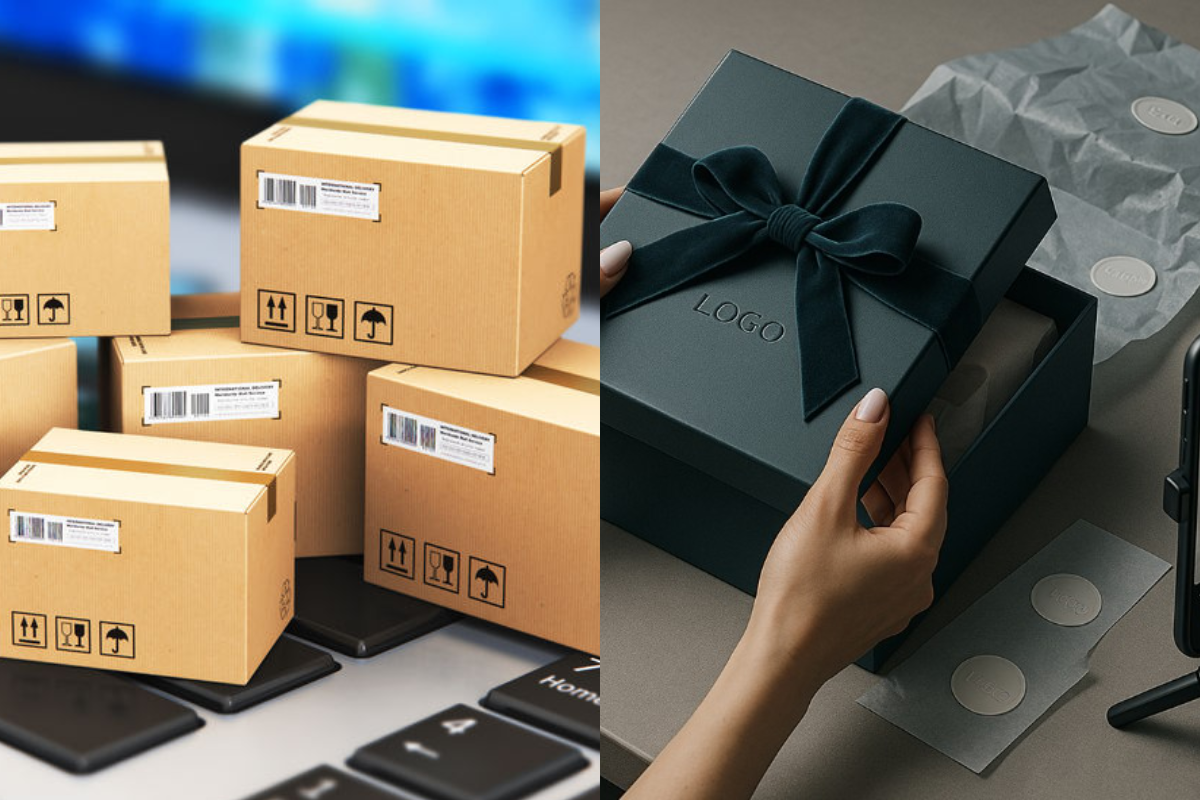
The way customers experience packaging has changed completely. It’s no longer just a means to protect what’s inside—it’s part of the product itself. The unboxing moment has become a memory in motion, shaping how customers feel about a brand long after the purchase is made. Research by Ipsos shows that 72% of consumers say packaging design influences their buying decisions, and a majority associate premium packaging with higher product value. In a city like Dubai, where presentation and experience are closely tied to perception, this first impression matters more than ever.
Think about how people now share unboxing videos, not product reviews. That anticipation—the sound of paper opening, the softness of tissue, the reveal of what’s inside—creates an emotion that lasts. For many small businesses, this moment has become an affordable but powerful way to stand out.
Across the UAE, homegrown brands and cafés are embracing this shift through DIY-style packaging that feels personal and warm. Instead of standard plastic wraps, they’re using ribbons, fabric ties, hand-drawn stickers, and stamped thank-you notes to build emotional connection. For instance, cafés like Myocum Café Dubai and dessert brand such as CocoaMelts often include handwritten tags, small flowers, or scent-infused wraps with their takeaway boxes. These gestures may seem small, but they create an experience that customers remember—and talk about.
When packaging feels handcrafted rather than mass-produced, it tells a story of care and authenticity. It signals that the brand sees its customers as individuals, not transactions. And in Dubai’s competitive retail environment, that feeling of being personally acknowledged can be the very thing that keeps someone coming back.
Designing Feelings Through the Senses
The strongest memories are sensory. People might forget what they bought, but they rarely forget how a brand made them feel—and that feeling often begins with what they see, touch, smell, or hear. Studies in consumer psychology show that multi-sensory design increases brand recall by up to 70%, because the brain connects emotions to physical sensations. For businesses in Dubai, where shoppers are surrounded by beautiful visuals every day, appealing to multiple senses helps create a distinct and lasting impression.
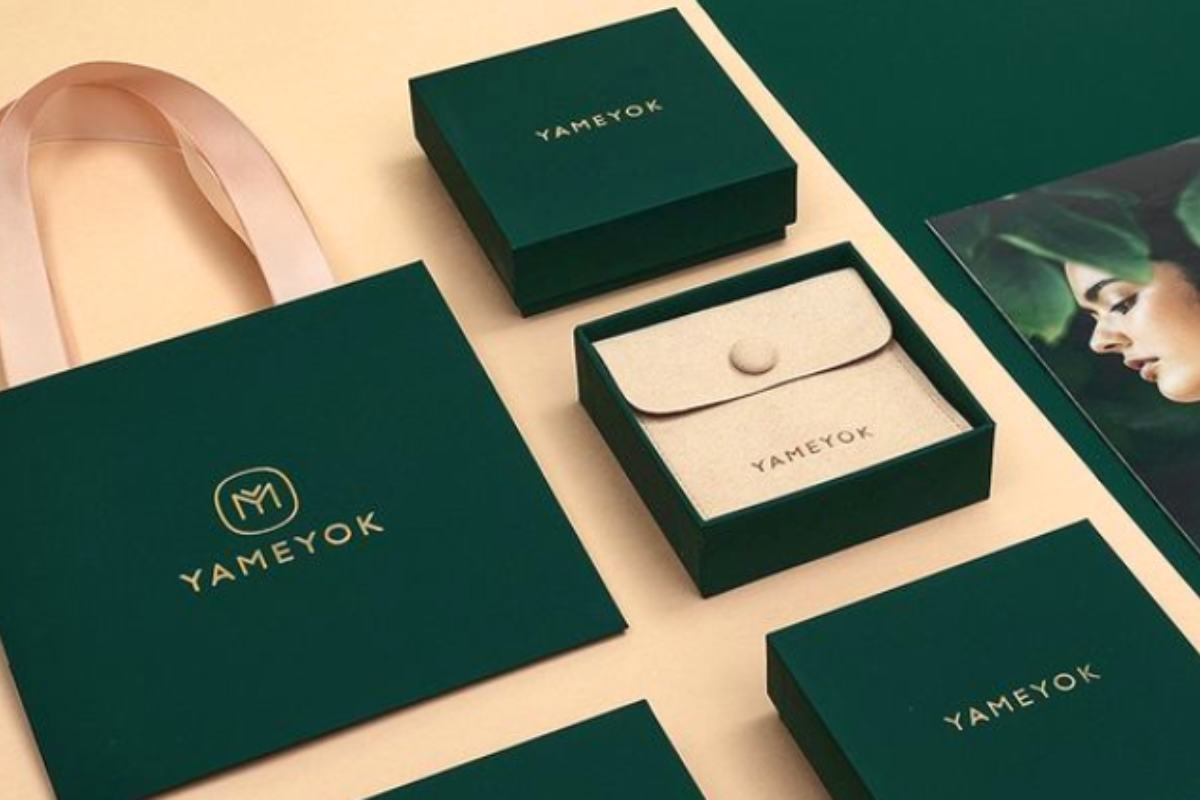
Sight is the first point of connection. The color, layout, and overall visual tone of packaging can shape how customers interpret quality before they even open it. Calming colors like beige, sage, and cream are often linked with premium and sustainable brands, while bolder tones such as black or gold evoke luxury. Big brands like The Giving Movement and Huda Beauty have mastered this by keeping their designs minimal, confident, and instantly recognizable.
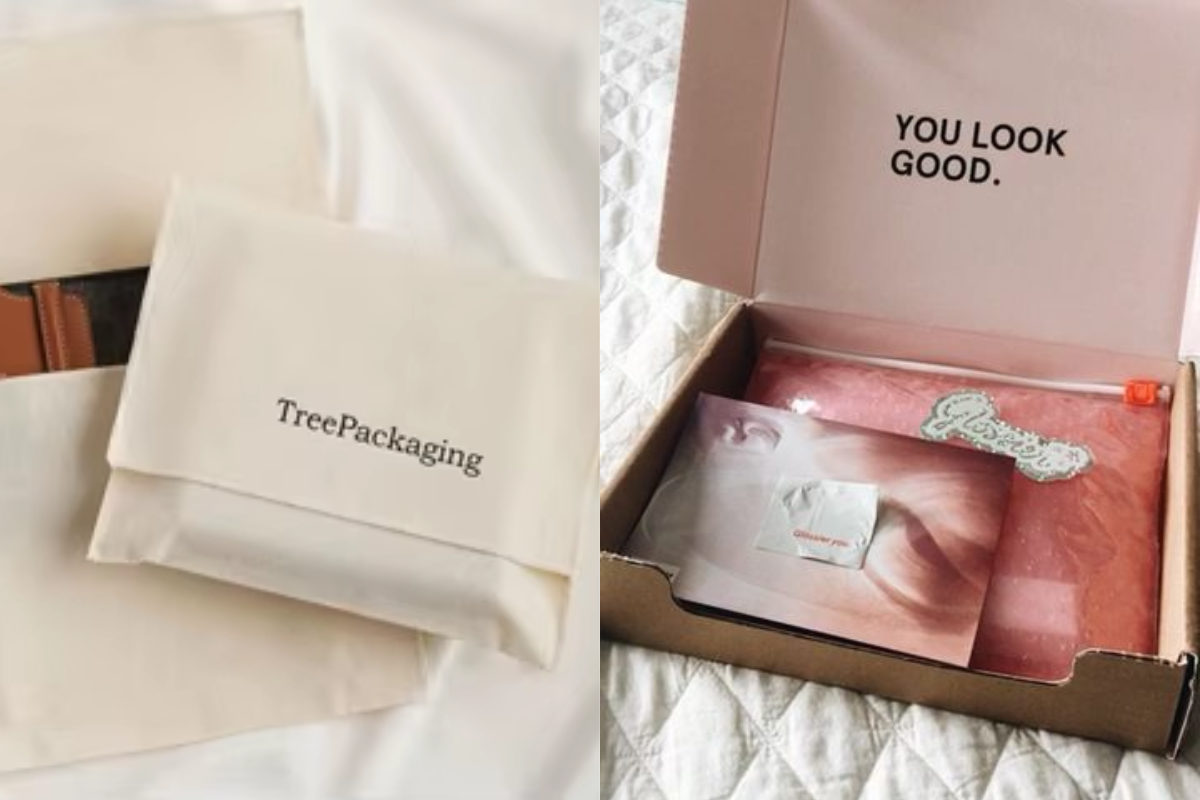
Touch adds another layer of emotion. Textured paper, linen wraps, or soft matte finishes give a sense of warmth and attention to detail. Some UAE-based brands now package products in reusable cloth pouches or jute boxes to extend that feeling of value and care. Even the temperature or weight of a box can influence perception—smooth, sturdy packaging feels trustworthy.
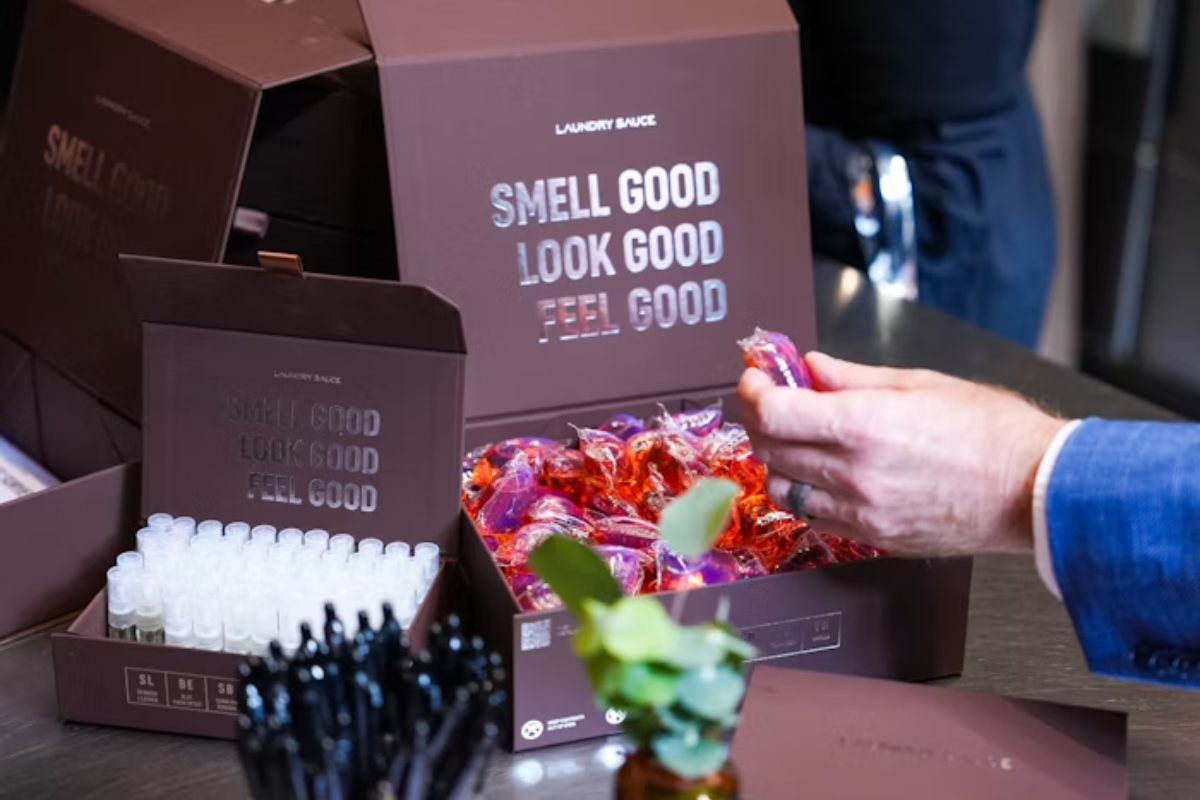
Smell is one of the most powerful emotional triggers. Neuroscience research confirms that scent is directly linked to memory and emotion. A subtle fragrance added to packaging—like a hint of rose, oud, or vanilla—can create an association that brings customers back every time they catch that scent again. Some boutique dessert shops in Dubai use this to their advantage, adding a light aroma to their boxes to make the experience more immersive.

And even sound plays its part. The rustle of tissue paper, the pop of a lid, or the quiet pull of a ribbon builds anticipation. Psychologists refer to this as “sensory satisfaction,” the small joys that make customers slow down and appreciate the moment.
When brands combine these sensory elements—linen wraps, embossed thank-you cards, or a wax seal closing the box—they transform packaging into a complete emotional experience. It’s no longer about what’s inside; it’s about the feeling the moment creates.
The Rise of Personal Touches and Handcrafted Presentation
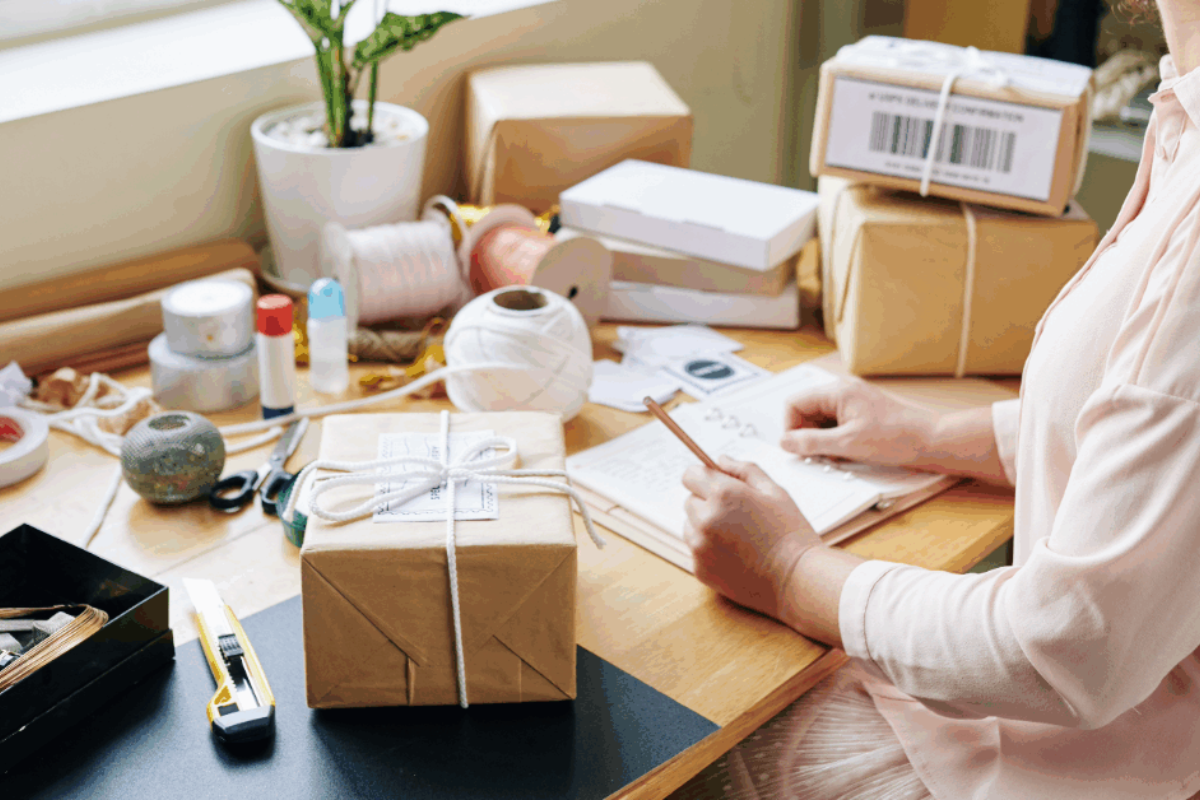
In a world where automation and speed dominate, customers are now craving something slower—something that feels made for them. Across Dubai, there’s a growing shift from mass-produced to meaningful, as businesses discover the value of adding small, human touches to every order. What once felt like an extra effort has become an expectation.
According to a 2024 Deloitte study, nearly 80% of consumers are more likely to make repeat purchases when a brand offers personalized experiences. In practical terms, that means a simple handwritten thank-you note, a small keepsake tucked inside the box, or even a QR code leading to a short “thank-you” video from the founder can leave a lasting impression. These gestures make customers feel seen and appreciated—turning a routine purchase into a personal connection.
Dubai’s homegrown brands are leading this movement beautifully. The Perfect Gift, known for its curated gifting experiences, often includes handwritten cards and delicate wrapping that reflect thoughtfulness and care. Luxury floral brand Maison Des Fleurs layers its packaging with soft ribbons, monogrammed boxes, and fine finishes that turn a bouquet into a moment.
This DIY-inspired aesthetic resonates deeply with Dubai’s diverse audience. It’s not about extravagance—it’s about authenticity. When a customer senses that someone spent time crafting their order, they feel like part of the brand’s story. In turn, they’re more likely to share that experience online or recommend it to friends.
For businesses, these details don’t have to be expensive. A personalized sticker, a short thank-you message in Arabic or English, or a reusable ribbon can go a long way. What matters most is that it feels sincere. In an era where so much feels digital and distant, a touch of the human hand can remind customers that behind every brand, there’s a heartbeat.
How Dubai Businesses Can Apply This
Turning packaging into a meaningful experience doesn’t require a massive budget—just intention, creativity, and a sense of care. For businesses in Dubai, where presentation is as important as product quality, a few thoughtful adjustments can make your brand stand out in unforgettable ways.
1. Choose Materials That Are Sustainable and Expressive
Opt for materials that look elegant and feel purposeful. Linen bags, cotton drawstring pouches, glass jars, and wooden boxes create an instant sense of warmth and quality. These options are not only eco-friendly but also reusable, which aligns with Dubai’s growing sustainability goals. Adding a small note like “Reuse me” or “Made from recycled materials” reminds customers that your brand values responsibility and craftsmanship in equal measure.
2. Add Emotional Storytelling
Every design choice has a reason—and sharing that reason is what connects you to your audience. You might explain that your products are “Wrapped by hand in Al Quoz” or that your materials are “Locally sourced to support small suppliers.” These simple statements tell customers that their purchase is part of something more meaningful. Even a short story printed on the inside of a box or a branded card can turn ordinary packaging into something that speaks to the heart.
3. Involve the Customer in the Experience
Invite your customers to be part of your story. Encourage them to reuse or decorate the packaging, or include a QR code linking to a thank-you video or behind-the-scenes moment. You can also inspire them to share photos on social media with a custom hashtag. When people feel involved, they move from being buyers to being brand supporters—and that’s where loyalty truly begins.
4. Make It Personal, Even at Scale
As your business grows, it’s still possible to keep things personal. Use handwritten-style fonts, short custom thank-you notes, or small printed tags signed by your team. A simple line like “Packed with care by Maria” can make a big difference. Even digitally printed messages that feel genuine and human help customers sense that your brand cares about them individually.
5. Create a Seamless Brand Flow
Look at your packaging as part of a journey—from how it looks on a shelf or website to how it feels in someone’s hands. Start by upgrading one element, such as switching to reusable cloth bags or adding a scent that reflects your brand. Then, test what customers notice or talk about most. These small steps gradually build an identity that customers associate with warmth, trust, and thoughtfulness.
By combining sustainability, storytelling, and personalization, Dubai businesses can design packaging that feels like an experience—one that customers remember long after the box is opened.
At its heart, emotional design is a form of marketing that doesn’t need big budgets or flashy campaigns—it simply needs sincerity. When customers feel something positive through your packaging, they remember your brand and talk about it. That emotion turns into loyalty, repeat purchases, and even free promotion through social sharing.
In Dubai’s competitive business world, where visual appeal and reputation matter deeply, brands that invest in emotional details naturally earn more trust. The box, the scent, the message—all of it tells customers who you are before they even use your product.
Designing feelings is not about adding more layers of design—it’s about adding meaning. The real goal isn’t to make packaging that stands out for a moment, but one that stays in the customer’s memory long after they’ve opened it. Because when your packaging feels personal, your brand feels human—and that’s what keeps people coming back.
Also read:
 Ummulkiram Pardawala
 Shahba Mayyeri
 Ummulkiram Pardawala