
Across the UAE, shoppers are rethinking what their purchases represent. Ethical consumerism — the practice of making buying decisions based on moral and environmental considerations — is gaining strong momentum. More people want their spending to reflect their values, whether that means reducing plastic waste, supporting fair labor, or choosing products that are kinder to the planet.
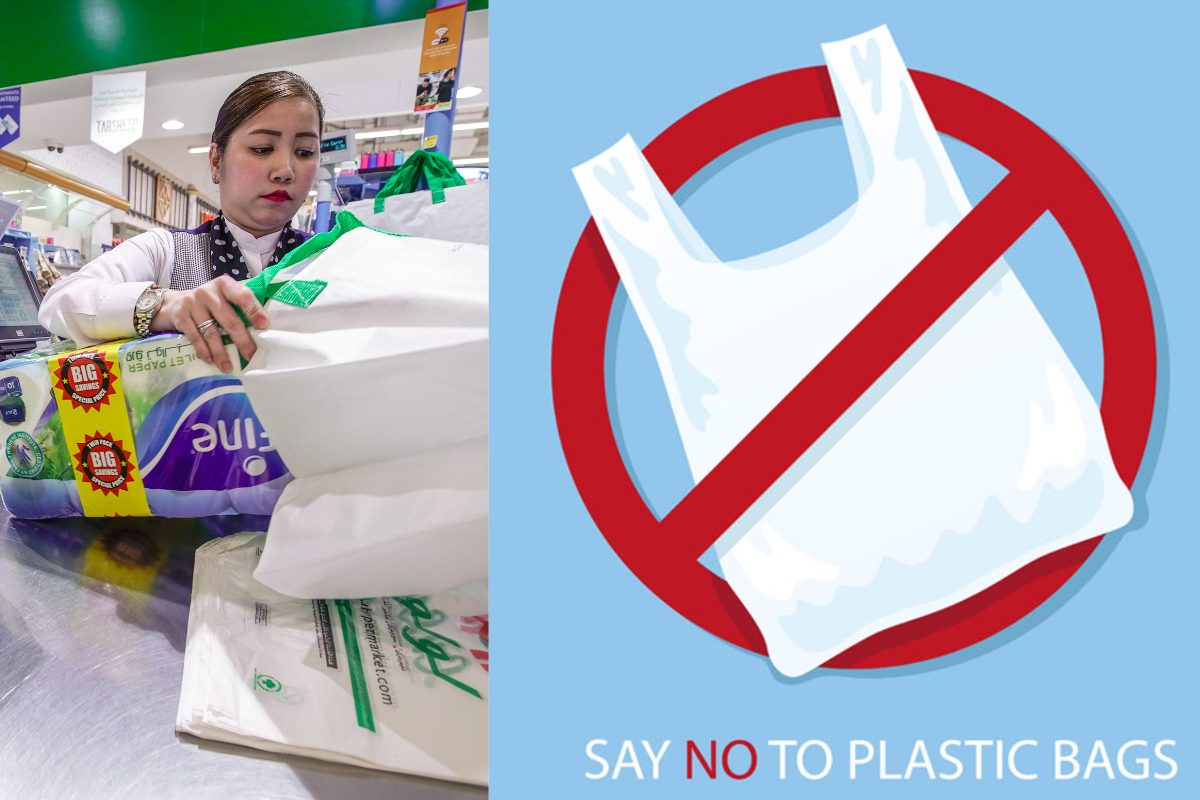
This growing awareness is taking shape alongside ambitious national sustainability goals. The UAE has committed to achieving Net Zero by 2050, becoming the first country in the Middle East and North Africa to set such a target. Policy changes are already visible in daily life. Abu Dhabi banned single-use plastic bags in June 2022, followed by Dubai in January 2024, with a nationwide phase-out scheduled for 2026. These initiatives are part of a broader circular economy strategy, encouraging products to be reused, recycled, or repurposed instead of discarded.
Consumer behavior is evolving in response. Regional retail insights show a steady rise in demand for eco-friendly packaging, transparent labeling, and ethically sourced products. People are asking thoughtful questions: Where did this come from? What impact does it have? Does this brand genuinely follow sustainable practices? These shifts are influencing purchasing decisions and reshaping the way businesses must operate to remain relevant.
Ethical consumerism reflects a deeper transformation in buying habits—one that blends personal values with environmental responsibility.
In this article, we’ll explore the forces driving this change, how expectations are evolving, and the practical steps businesses can take to adapt with confidence.
What’s Driving This Change
1. Government Policies Leading the Way
The UAE has introduced a series of regulations that are reshaping how businesses operate. A phased ban on single-use plastics is already underway. Abu Dhabi prohibited single-use plastic bags in 2022, followed by Dubai in 2024. In 2025, Dubai extended the ban to include stirrers, cups, straws, and polystyrene containers. By 2026, the entire country aims to restrict the import, production, and trade of a wide range of single-use plastic items.
These policies have already shown results. Abu Dhabi’s ban alone removed hundreds of millions of plastic bags from circulation in its first year. Such measures are part of the country’s broader circular economy strategy, which focuses on reducing waste, improving recycling systems, and encouraging the use of reusable materials. This shift isn’t limited to environmental impact — it influences packaging design, product sourcing, and supply chain decisions across multiple industries.
2. Consumer Awareness and Expectations
People in the UAE are increasingly conscious of how their choices affect the world around them. Awareness of sustainability concepts is widespread, and environmental issues like pollution, food waste, and water conservation rank high in public concern.
This awareness is starting to shape buying habits. More consumers are looking for eco-friendly packaging, transparent labels, and brands that follow ethical practices. They’re asking practical questions: Where was this made? How sustainable is it? Can I trust what this company is claiming? Cost and convenience still play a role, but the shift in mindset is clear. Businesses are beginning to feel this pressure as customers pay closer attention to how products are sourced, packaged, and communicated.
3. Global and Local Influence
The UAE’s role as host of COP28 placed it at the center of global climate discussions, reinforcing national climate goals and encouraging companies to align with sustainability commitments. This global spotlight accelerated local momentum.
Media coverage, public campaigns, and education initiatives have made conversations about climate action more mainstream. Sustainability is no longer confined to policy documents; it’s part of everyday discussions in boardrooms, schools, and communities. Financial districts and regulators are also promoting ESG reporting and green initiatives, further embedding these values into the business ecosystem.
How Consumer Expectations Are Evolving
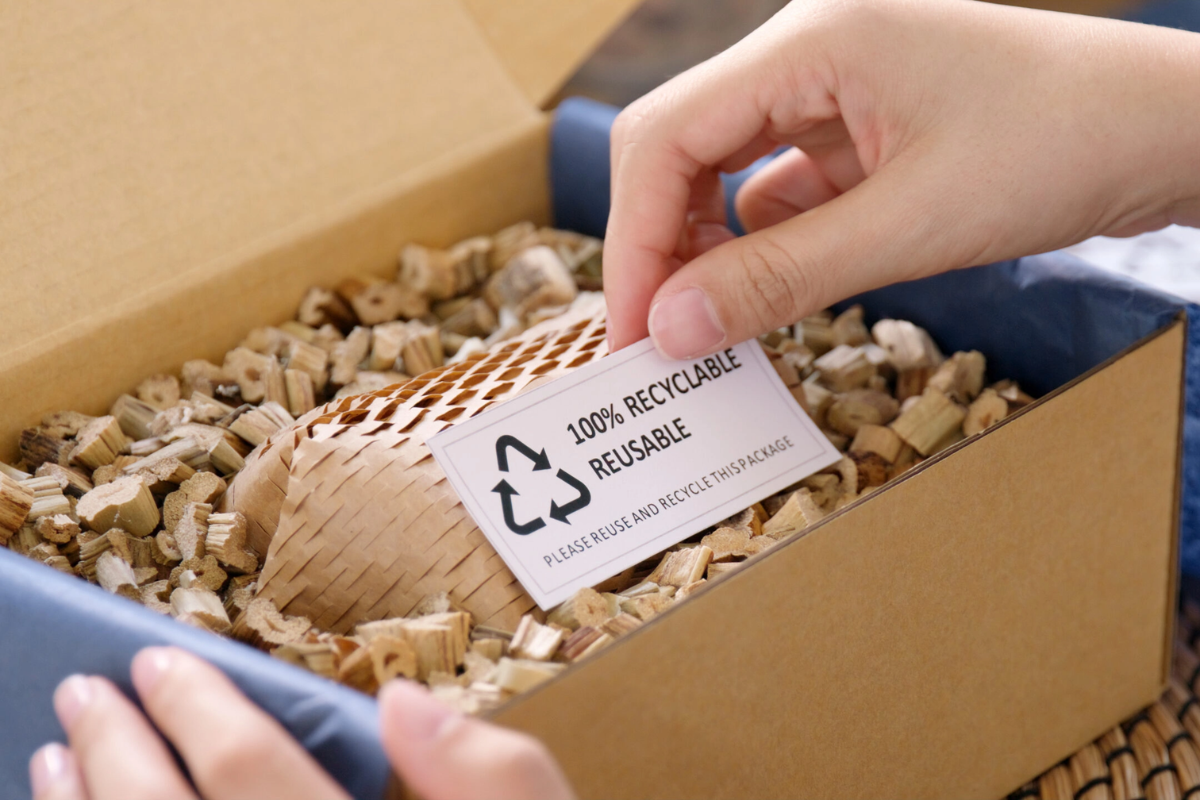
Consumer expectations in the UAE are shifting rapidly, moving beyond price and convenience to include deeper values such as environmental responsibility, transparency, and cultural alignment. People want to make choices they can feel confident about, and they’re increasingly looking for clear signals that a brand is genuinely committed to ethical practices.
Clarity Through Eco-Labels and Ethical Claims
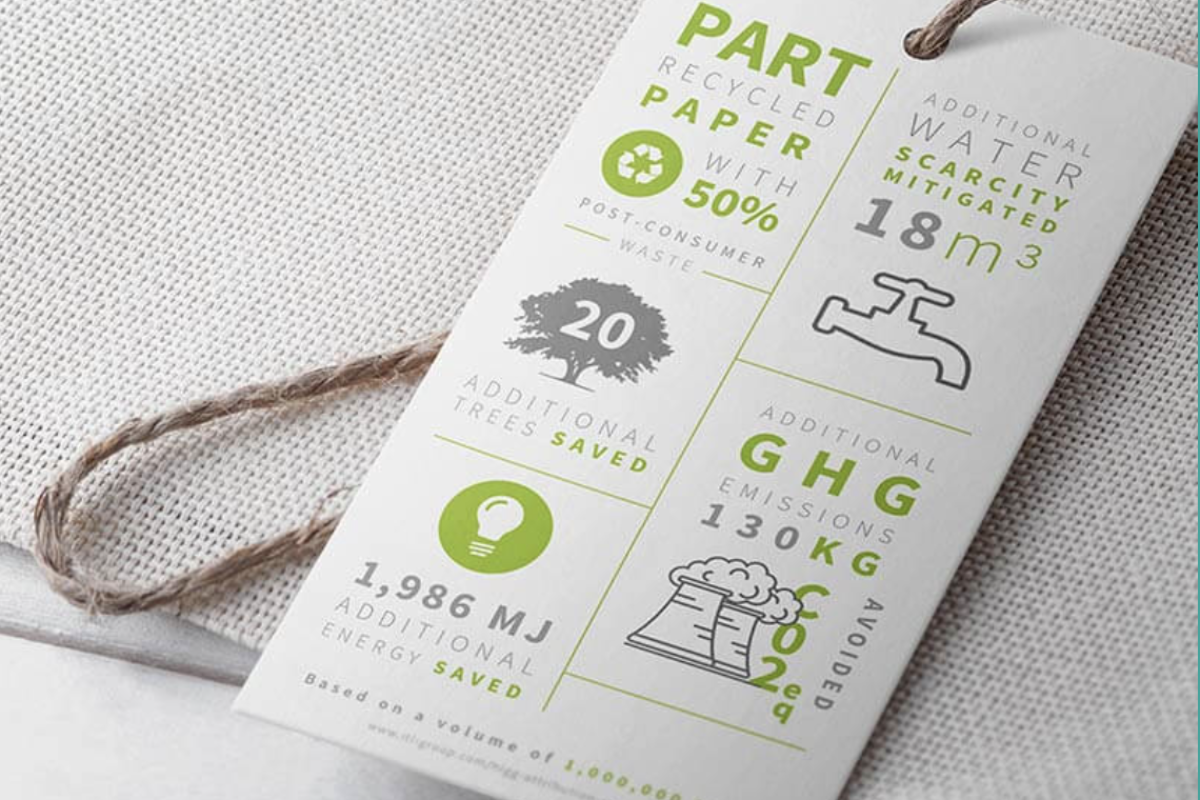
Modern consumers expect to see straightforward, trustworthy information on packaging. Labels that indicate recyclability, sustainable sourcing, or recognized certifications help people make decisions quickly and confidently. Vague buzzwords no longer carry weight — what matters is proof. Shoppers are asking themselves: Can I trust this claim? Is this brand showing evidence, or simply using green language? Clear eco-labels have become a baseline expectation, especially in supermarkets, fashion outlets, and online marketplaces.
Sustainability as a Starting Point
Features like sustainable packaging, responsible sourcing, and reduced environmental impact are no longer viewed as premium add-ons. They’re becoming the new standard. With plastic bans rolling out and recycling systems expanding, consumers now expect businesses to align their operations accordingly. When someone picks up a product wrapped in unnecessary plastic, the question is immediate: Why hasn’t this brand adapted yet?
Transparency from Production to Waste
Consumers increasingly want visibility across the entire product journey. This includes where raw materials come from, how items are manufactured, and what happens after use. Brands that communicate their processes openly — from sourcing practices to waste management — are more likely to earn long-term trust. A simple question is often on people’s minds: What’s happening behind the scenes?
This expectation has grown alongside increased media coverage of climate issues and sustainability discussions during events like COP28. Businesses that can clearly articulate their impact are seen as more credible and responsible.
Respecting Cultural Values and Community Responsibility
In the UAE, ethical consumerism is closely tied to cultural and religious values. Halal assurance is not just a certification; it’s a marker of trust that signals proper sourcing and production practices. Beyond that, consumers are paying attention to how companies support local communities, treat employees, and give back through meaningful initiatives. Many are asking: Does this brand reflect the values I live by?
Aligning sustainability with cultural expectations adds another layer of credibility, especially for food producers, retailers, and service providers.
Overall, expectations are becoming more precise and value-driven. Consumers are paying attention to details that were once overlooked, and they’re rewarding businesses that offer clarity, responsibility, and respect in return.
What Businesses Should Focus On
As ethical consumerism becomes more prominent, businesses need to move from surface-level gestures to meaningful, measurable action. This involves aligning operations with national regulations, redesigning products and packaging, communicating with honesty, and creating a customer experience that supports responsible choices. The focus is no longer on doing the bare minimum, but on building systems that reflect long-term commitment.
1. Compliance with Evolving Regulations
Meeting regulatory standards is the most immediate priority. With single-use plastic bans being phased in across the country, companies must ensure that their packaging, sourcing, and supply chains are fully aligned with these new rules. By 2026, restrictions will apply nationwide, affecting the production, import, and sale of a broad range of single-use plastic items.
Compliance also includes proper labeling, especially for food and beverage products. Labels need to reflect accurate ingredients, recyclability information, and any environmental certifications used. For many businesses, Halal assurance remains a central part of compliance, particularly in sectors like food, cosmetics, and pharmaceuticals. This isn’t just about religious observance — Halal certification also signals product integrity and ethical sourcing, which builds trust among consumers.
2. Rethinking Product and Packaging Design
One of the biggest opportunities lies in redesigning products and packaging to reduce waste. Shifting to biodegradable, recyclable, or reusable materials not only meets regulatory requirements but also aligns with consumer expectations. Businesses that once relied heavily on plastic are now exploring alternatives like paper composites, plant-based packaging, and refillable formats.
These changes can extend to how products are produced and delivered. Streamlining processes to minimize resource use, reducing excess packaging, and prioritizing local sourcing all contribute to a more sustainable operation. These steps are increasingly becoming industry norms rather than innovations.
3. Honest and Data-Driven Communication
Consumers are paying close attention to how brands talk about their sustainability efforts. Vague claims and buzzwords no longer build trust; in fact, they can damage credibility. Businesses are expected to share clear, verifiable information about their progress — whether that’s reductions in plastic use, improvements in energy efficiency, or new recycling initiatives.
This doesn’t mean overloading customers with technical data. The most effective communication combines transparency with simplicity: highlighting measurable changes, using recognizable certifications, and avoiding exaggerated promises. Regular updates through websites, social media, or packaging labels can make these efforts visible and trustworthy.
4. Engaging Customers Through Simplicity and Trust
Sustainable choices should feel easy and accessible, not complicated. Whether it’s clear eco-labels on packaging, well-marked recycling points in stores, or user-friendly information online, businesses that make sustainability convenient are more likely to build loyalty.
This is especially relevant in sectors like retail and hospitality, where everyday decisions — from takeaway packaging to in-store signage — shape customer perception. When customers can see and understand a company’s sustainable actions without having to dig for information, their willingness to support that brand increases.
Focusing on these areas allows businesses to keep pace with changing regulations, meet consumer expectations, and build a reputation rooted in trust. It’s a practical roadmap that combines compliance with genuine value creation, setting the stage for long-term success in an evolving market.
Opportunities and Risks
As ethical consumerism takes a stronger root in the UAE, businesses can seize meaningful benefits — but they must also navigate fresh risks carefully.
Opportunities
1. Stronger Customer Loyalty
When brands align with values, they earn deeper trust. Consumers who believe a company acts responsibly are more likely to remain loyal, make repeat purchases, and recommend it to others.
2. Access to Conscious Consumers
A growing segment of shoppers actively seeks sustainable or ethically positioned brands. Being ahead in this space opens access to this high-value, high-intent customer base.
3. Differentiation in a Crowded Market
As more brands adopt green messaging, genuine sustainability can become a differentiator — if executed with integrity. Simple claims are no longer enough. Real, measurable action sets leaders apart.
4. Eligibility for Green Finance & Incentives
The UAE is mobilizing capital toward sustainable development. For example, by 2030, the central bank aims to channel AED 1 trillion into sustainable finance, signaling growing financial backing for green projects.
Also, the country’s push for a “green economy” framework encourages businesses to innovate in clean technologies and sustainable practices.
5. Resilience to Future Regulation & Market Pressure
Companies that invest now in compliance, sustainable materials, and stronger transparency are less likely to be caught off-guard by future policy shifts. That is both a defensive and forward-looking gain.
Risks
1. Fines and Regulatory Penalties
Non-compliance carries financial consequences. In Dubai, businesses violating the plastic ban face fines of AED 200 for the first offense, doubling for a repeat violation, and capped at AED 2,000.
Other emerging regulations, such as climate or environmental laws, may impose much larger penalties; some draft climate rules suggest fines ranging from AED 50,000 to AED 2 million for bigger violations.
2. Reputational Damage and Loss of Trust
Consumers are more critical than ever. A claim seen as vague, misleading, or unverified can lead to accusations of “greenwashing,” which can erode brand trust and discourage repeat business.
3. Competitive Disadvantage
Brands that delay action risk falling behind more agile competitors that are already integrating sustainable practices. Over time, what once looked optional may become a baseline expectation.
4. Operational & Cost Impacts
Switching materials, redesigning products, establishing traceability, and improving processes all require investment. If poorly managed, transition costs or supply disruptions can hurt margins.
Balancing these opportunities and risks helps businesses make informed choices. The aim isn’t to take on perfect sustainability overnight, but to build credible, forward-looking steps that protect reputation, fulfill regulations, and earn consumer loyalty.
Practical Starting Steps for Businesses
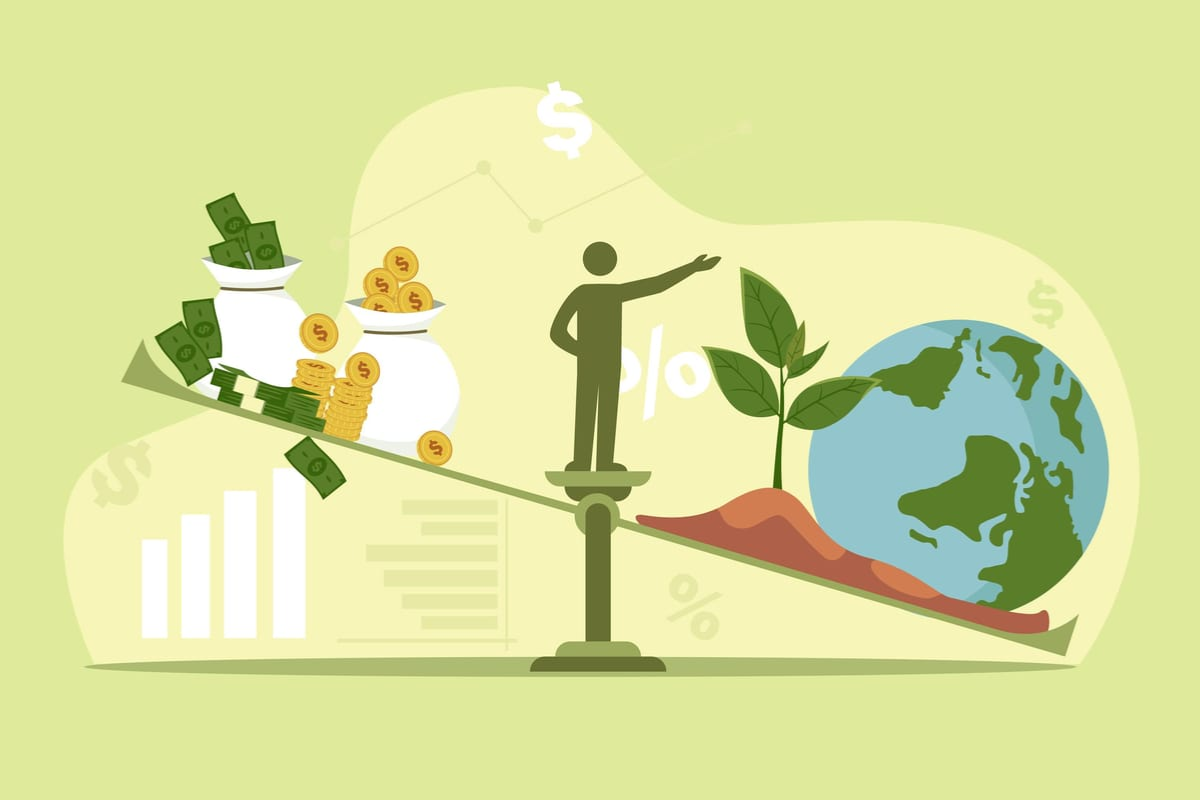
Adopting ethical practices isn’t only about compliance — it’s about setting up smart systems that make sustainability part of the business model. Early, well-structured steps can save costs in the long run, strengthen reputation, and prepare companies for evolving regulations and consumer expectations.
1. Establish a Cross-Functional Sustainability Task Group
One of the biggest mistakes companies make is leaving sustainability to a single department or treating it like a marketing function. A more effective starting point is to create a small, cross-functional task group that brings together representatives from operations, procurement, finance, marketing, and leadership.
This group should meet regularly to:
- Identify upcoming regulatory changes and their business impact.
- Prioritize short-term actions (e.g., packaging redesign, supplier negotiations) with clear ownership.
- Set realistic 6–12 month targets tied to measurable outcomes.
- Monitor progress and report quarterly to leadership.
Even in SMEs, a focused 3–5 person team can keep the company agile and organized, ensuring sustainability becomes part of strategic decisions rather than an afterthought.
2. Revisit Supplier Contracts and Procurement Terms
A significant portion of a company’s environmental impact lies upstream — with suppliers. Instead of only adjusting internal packaging or labeling, businesses can restructure supplier agreements to build sustainability requirements into the core of operations.
This can include:
- Minimum packaging standards (e.g., recycled content, thickness limits).
- Transparency clauses that require suppliers to disclose material origins, certifications, and production methods.
- Shared transition plans where suppliers commit to phasing out non-compliant materials within set timelines.
- Preferred supplier lists for vendors already aligned with UAE regulations and circular economy goals.
By tightening procurement terms now, companies avoid scrambling later when stricter rules come into effect — and can negotiate better pricing by committing early.
3. Introduce a Lightweight Internal Tracking System
Rather than jumping straight to complex ESG reporting platforms, businesses can begin with a simple internal dashboard that tracks a few key metrics:
- Packaging material volumes and types used monthly.
- Waste generated and recycling rates.
- Supplier compliance status.
- Number of SKUs with verified labels or certifications.
This can be managed in a spreadsheet or a basic digital tool. The goal is to build internal visibility so decision-makers can spot inefficiencies and track progress without waiting for annual reports. Over time, this data can feed into formal sustainability reporting or investor disclosures.
4. Start with One Visible, High-Impact Initiative
Consumers and regulators pay attention to visible action. Instead of spreading efforts too thin, businesses can pick one initiative that’s easy to communicate and delivers measurable impact, such as:
- Switching all delivery packaging to 100% recyclable material.
- Launching a refill or return system for a single flagship product.
- Partnering with a local recycling or reuse program to collect packaging from customers.
- Replacing all plastic takeaway items with certified alternatives in hospitality settings.
The key is to pick something practical, make it highly visible to both customers and staff, and track the results. This creates internal momentum and external credibility.
5. Explore Local Partnerships and Incentive Programs
In the UAE, various government bodies, free zones, and private organizations are starting to support sustainable transformation through pilot programs, incentives, or grants. Early-stage steps may include:
- Checking with local municipalities or environmental agencies for pilot recycling initiatives your business can join.
- Exploring green financing opportunities offered by banks or DIFC-linked sustainability programs.
- Partnering with local waste management companies to develop collection and reuse schemes.
- Joining industry alliances or business councils focused on sustainability can offer insights, shared resources, and credibility.
These collaborations can significantly reduce the cost and complexity of change, while giving businesses access to expertise they may not have in-house.
6. Build Internal and External Communication Loops Early
Many businesses only communicate after making changes, but building communication loops from the start allows for better stakeholder engagement and learning.
Internally, monthly updates or quick wins shared across teams help sustain momentum. Externally, sharing early progress — even if small — builds trust. It also signals seriousness to regulators and consumers. This doesn’t require glossy reports; a simple quarterly update page or email newsletter works well in the early stages.
7. Embed Cultural Relevance and Trust Markers
For UAE businesses, aligning sustainability with cultural and community values builds deeper credibility. This can mean:
- Ensuring Halal assurance is clearly integrated into sustainable sourcing decisions.
- Supporting local community initiatives, such as clean-up campaigns or food donation drives, that resonate with the UAE’s strong community spirit.
- Using bilingual communication (Arabic and English) for labels and reports to reach a wider audience.
These subtle yet strategic steps build trust that goes beyond compliance.
By focusing on structural actions — not just symbolic changes — businesses can lay a strong foundation for growth in a changing marketplace. These steps position companies to lead, not react, as ethical consumerism becomes a defining force in the UAE’s economy.
Ethical consumerism is reshaping the UAE’s business environment. It’s moving from niche preference to mainstream expectation, influencing how companies operate and how customers choose.
Businesses that act early, with transparency and cultural awareness, will secure a meaningful place in this changing market. This isn’t only about compliance — it’s about shaping a future where responsibility and growth go hand in hand.
Also read:
 Shahba Mayyeri
 Umema Arsiwala
 HiDubai Newswire
 Umema Arsiwala