
Most people credit flashy advertising or a clever social media campaign when a brand earns their trust. The real foundation often sits in the background, unseen and underappreciated. Operations, the systems that turn ideas into delivered products, smooth transactions, and reliable service, quietly decide whether customers stay loyal or walk away. When operations run well, brands look effortless. When they falter, even the strongest marketing cannot fully repair the damage.
Here is why this silent partnership between operations and reputation deserves closer attention.
What Operations Actually Do
Operations cover everything that happens after a product is designed and before a customer opens the box or clicks “buy now.” They include sourcing raw materials, managing factories, coordinating logistics, training staff, and handling returns. In service businesses, operations mean scheduling appointments, processing orders, and maintaining software platforms. These tasks rarely appear in commercials, but they shape every interaction a customer has.
Think of operations as the bridge between promise and delivery. A luxury watch brand can market timeless elegance all day long. If the watch arrives scratched or weeks late, the promise evaporates. Customers do not blame “marketing.” They blame the brand. That is why strong operations protect reputation more effectively than any slogan.
The Supply Chain Connection
Customers expect products to arrive when promised, in perfect condition, and at a fair price. None of that happens without a tightly run supply chain. Delays, stockouts, or quality issues travel straight to social media and review sites, where they linger for years.
Consider how Amazon built its reputation. Fast, reliable delivery did not come from clever ads alone. It came from warehouses placed near major cities, algorithms that predict demand, and drivers equipped with real-time routing tools. When these systems work, customers feel the brand is dependable. When a storm or supplier failure disrupts the chain, even Amazon feels the sting in its ratings. The lesson is clear: operational speed and accuracy become part of the brand story whether companies plan it that way or not.
Customer Service as Operational Reality
Many executives still treat customer service as nothing more than a cost center, a necessary expense that should be kept as lean as possible. This narrow view misses the bigger picture. In reality, customer service functions as a vital operational pillar that directly influences brand reputation.
Service teams sit at the front lines of the business. They are usually the first to notice when things go wrong upstream, such as faulty products reaching customers, confusing website processes, or shipments that arrive later than promised. These teams do more than answer questions. They act as the final safety net when operational issues slip through the system.
When companies invest thoughtfully in their service operations, the results go far beyond solving individual problems. Proper staff training, well-designed policies, and genuine decision-making authority empower employees to handle situations with care and efficiency. This creates smooth, respectful interactions that leave customers feeling valued and understood.
Over time, these consistent positive experiences build a powerful perception of the brand. Customers begin to associate the company with reliability and genuine concern for their needs. Ultimately, it is the operations behind customer service, not flashy marketing messages, that earn lasting trust and shape a brand’s reputation for care and dependability.

Quality Control and Consistency
Reputation lives or dies on consistency. Customers expect the same high standard every single time they interact with a brand. Even one disappointing experience, whether it is a flawed product or poor service, can quickly undo years of carefully built goodwill and positive feedback.
To protect this consistency, companies rely on rigorous quality checks at every stage of production and delivery. Regular supplier audits ensure that materials and components meet strict requirements. Continuous process improvements help identify weaknesses before they reach the customer. These operational practices may seem routine, but they form the backbone of reliable performance.
When businesses invest in strong systems for spotting and correcting issues early, they create experiences that feel dependable and predictable. Over time, this reliability builds deep customer trust. People begin to choose the brand with confidence, often before they even make their first purchase. In the end, it is the quiet strength of operations that turns good brands into truly dependable ones that customers return to again and again.
Crisis Moments Reveal Operational Strength
When disaster strikes, whether it is a data breach, a product recall, or a natural disaster, operations teams step into the spotlight whether they want to or not. At these critical moments, the strength of a brand’s underlying systems becomes clearly visible. Speed of response, transparency in communication, and reliable follow-through play a decisive role in determining how much damage the brand ultimately suffers.
Effective operations allow companies to act quickly and decisively. They enable teams to trace problems to their source, coordinate rapid solutions, and communicate updates with clarity. Brands that view crises as opportunities to strengthen their operations tend to recover more effectively. They invest in improving processes, tightening supplier oversight, enhancing quality controls, and preparing staff for swift action.
In contrast, companies that respond slowly or defensively often see greater harm to their reputation and longer recovery periods. A solid operational foundation helps organizations maintain customer trust during difficult times and protects long-term brand value far better than polished statements alone.

Technology That Works in the Background
Modern operations rely heavily on data and automation, yet customers rarely notice the tools at work. Inventory software, chatbots, and predictive analytics operate silently in the background. When these systems function smoothly, wait times shrink and errors nearly disappear. Customers simply feel the brand “gets it.”
Today, brands across every industry use similar technology. Those that integrate it thoughtfully build quiet loyalty. Those that launch flashy apps without fixing their underlying processes lose trust just as quietly. Strong, invisible technology is one of the most powerful ways operations support brand reputation.
Sustainability Through Operational Choices
Today’s consumers care about more than just price and speed. They want brands that truly reflect their values. Operational decisions such as choosing ethical suppliers, reducing waste, and cutting carbon emissions often speak louder than any green marketing campaign.
When companies embed sustainability into their day-to-day operations, it builds genuine trust. Customers can sense when a brand’s actions match its promises. These behind-the-scenes choices demonstrate real commitment and help shape a strong, credible reputation that lasts.
The true brand strength is built quietly behind the scenes. Operations may work in silence, but their impact on reputation is loud and lasting. Brands that invest in strong systems, consistent delivery, and ethical practices create unshakable trust that no marketing campaign can match.
The most successful companies understand this: reputation is not something you advertise; it is something you operate.
Start today. Review your operations through the eyes of your customers. Strengthen the systems that deliver on your promises. Build a brand that earns loyalty every single day not just through words, but through flawless execution.
Also Read:
 Umema Arsiwala
 Shahba Mayyeri
 Shahba Mayyeri
 Umema Arsiwala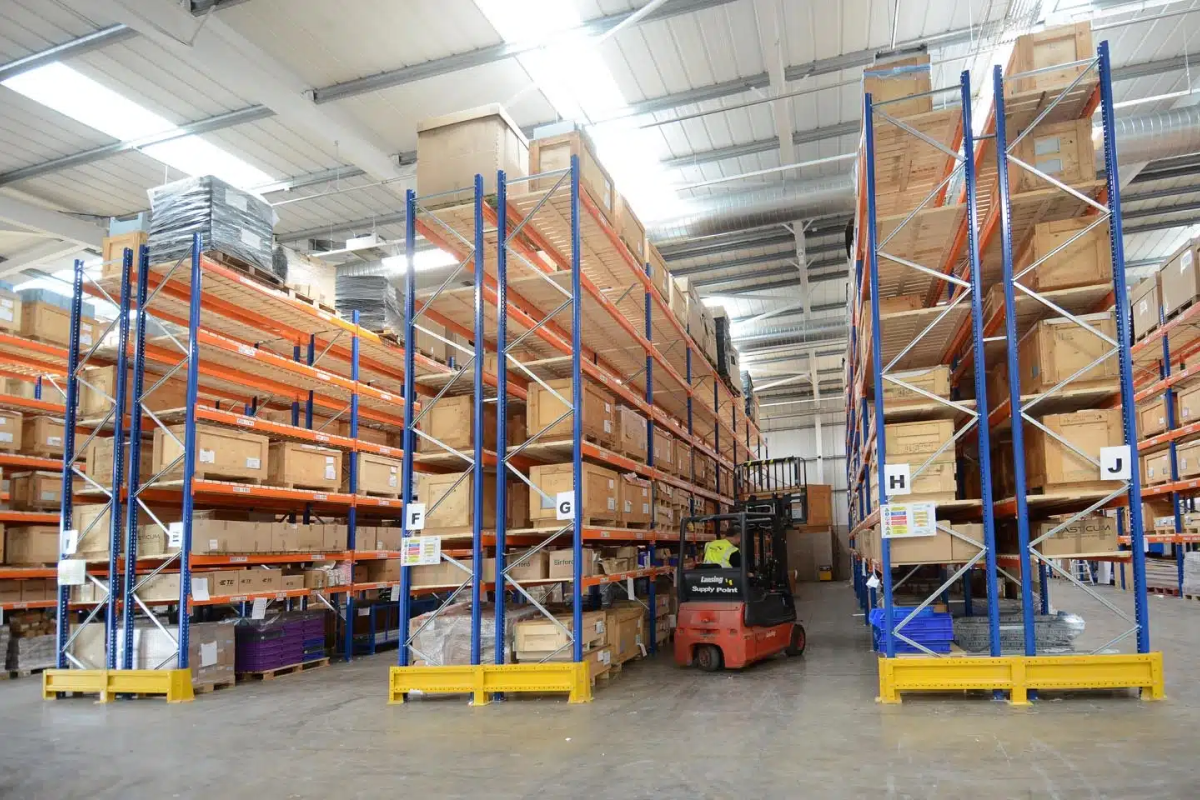
 Umema Arsiwala