The UAE reinforced its position as a global climate leader in 2025, rolling out a series of high-impact clean energy, conservation, and sustainability initiatives aimed at accelerating the transition to a low-carbon economy at home and abroad.
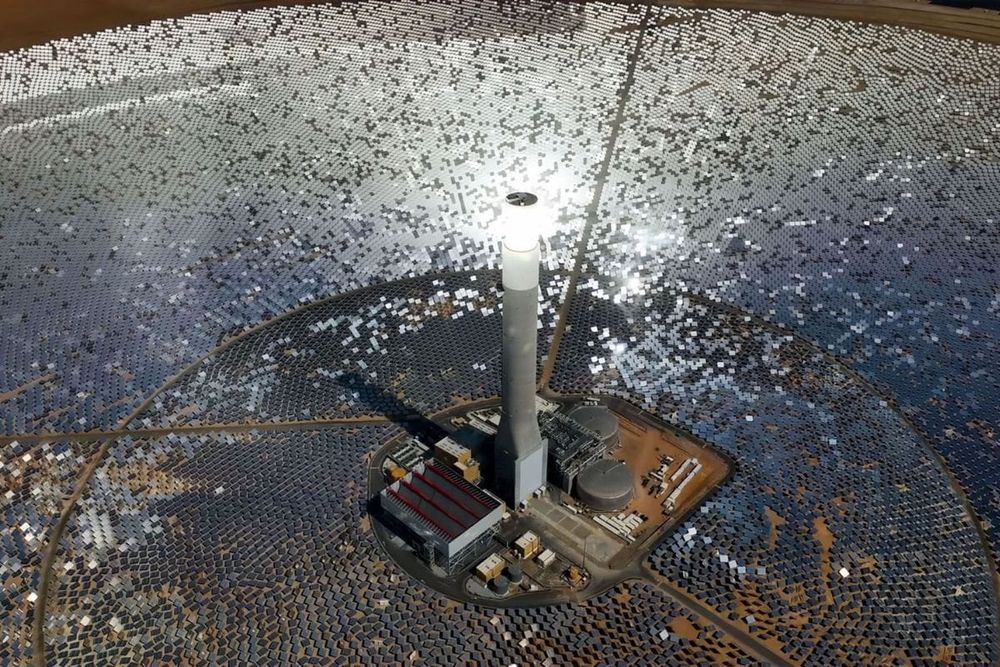
The year began with the launch of the world’s first gigascale round-the-clock renewable energy project in Abu Dhabi. Combining solar power with battery storage, the facility delivers up to 1 gigawatt of baseload electricity daily and stands as the largest integrated solar and battery energy storage system globally.
Environmental research also moved forward with the deployment of the vessel Jaywun, which completed the first comprehensive modern seabed sediment survey off Abu Dhabi’s coast to assess climate change impacts on the Arabian Gulf’s marine ecosystem.
Progress in the circular economy included BEEAH’s announcement of the Middle East’s first commercial-scale waste-to-hydrogen plant, set to produce seven tonnes per day by 2027, alongside a national initiative to recycle used tyres for industrial manufacturing.
Water security initiatives gained momentum through the launch of a geospatial data platform aimed at reducing groundwater use in agriculture and expanding unconventional water resources by 2027. The Mohamed bin Zayed Water Initiative also partnered with the World Bank to advance global water innovation.
Conservation milestones ranged from the discovery of new plant species in Sharjah to the expansion of marine protection through Abu Dhabi Coral Gardens, a large-scale reef restoration programme.
Internationally, the UAE expanded its clean energy footprint across Europe, the Middle East, Africa, and Asia, while domestically Barakah Nuclear Plant marked one year of full commercial operations, supplying a quarter of the nation’s electricity and significantly cutting carbon emissions.
News Source: Emirates News Agency