The United Arab Emirates is accelerating its push into the global space sector with a new national strategy and a string of scientific and technological milestones that underline its ambitions to become a leading space economy by 2031.
The country will mark the International Day of Human Space Flight on April 12 alongside the rollout of its National Space Strategy 2031. The plan is designed to strengthen the sector’s contribution to economic growth by building a resilient, investment-friendly ecosystem, expanding global partnerships, and developing advanced infrastructure.
Key targets include doubling space economy revenues, placing the UAE among the world’s top 10 space economies, and increasing the number of national companies and export markets linked to the sector.
The latest strategy builds on earlier progress that saw the UAE develop 30 satellites and grow its space ecosystem to more than 170 active entities. Scientific missions have also played a central role. The Emirates Mars Mission has been extended to 2028 after delivering over 10 terabytes of data and supporting dozens of research studies.
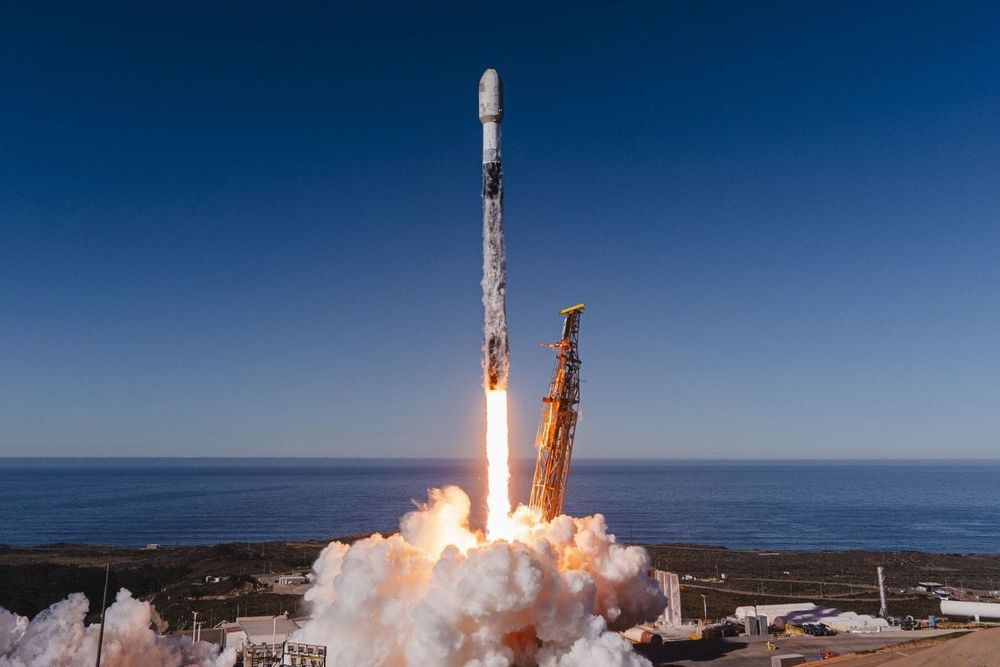
Recent developments include new high-resolution imagery from the MBZ-SAT satellite and the launch of Sharjah Sat-2, aimed at enhancing data for research and planning. A new space and astronomy complex in Sharjah further signals growing institutional investment.
In parallel, research efforts continue to expand. A team led by New York University Abu Dhabi has developed a self-repairing organic crystal capable of withstanding extreme conditions, a breakthrough with potential applications in space exploration.
Efforts to nurture talent are also underway, with the launch of the Arab Youth Space Hackathon to support innovation in Earth observation technologies.
News Source: Emirates News Agency